Notary Public Application Form Ontario In Illinois
Description

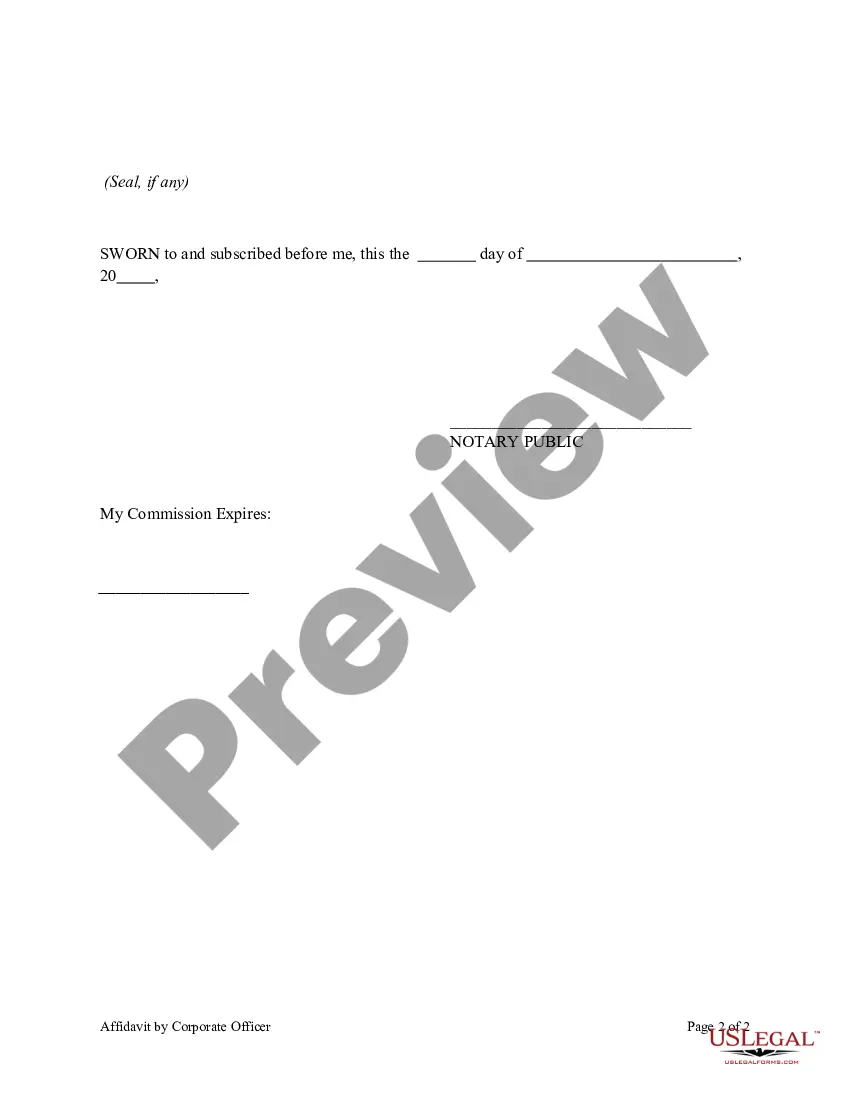
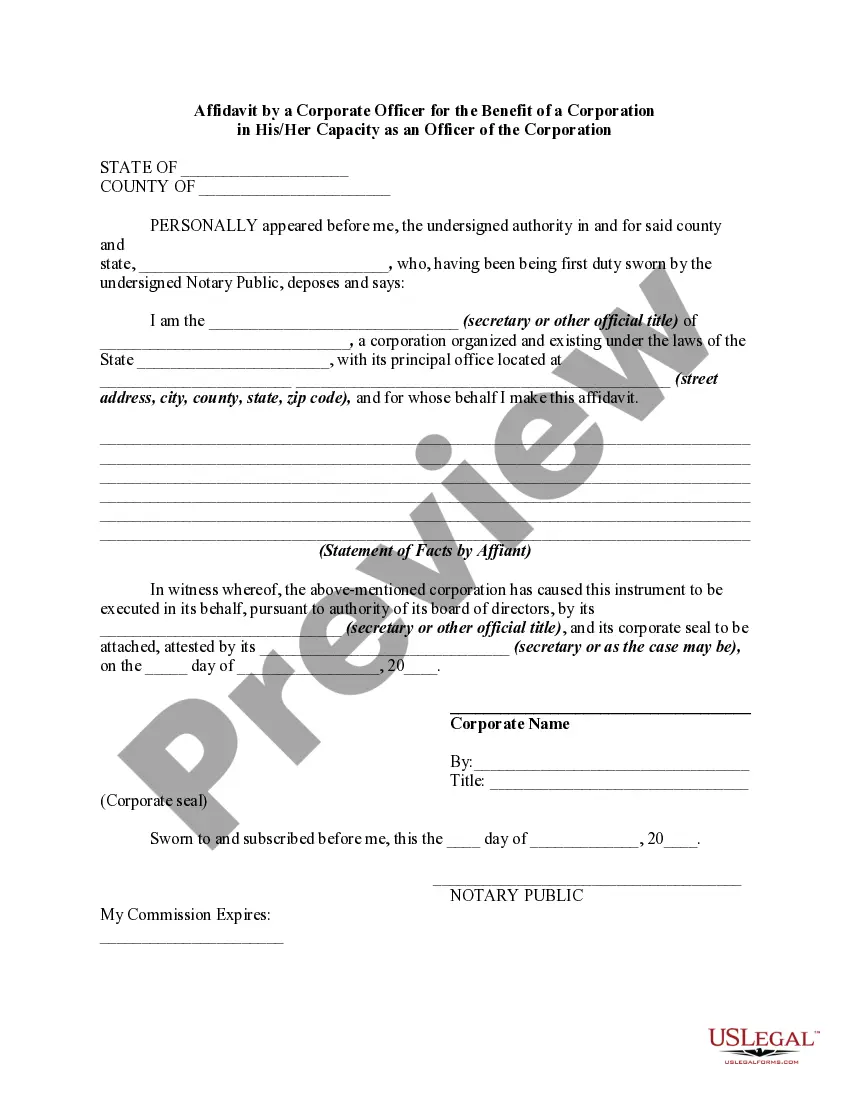
Get your form ready online
Our built-in tools help you complete, sign, share, and store your documents in one place.
Make edits, fill in missing information, and update formatting in US Legal Forms—just like you would in MS Word.
Download a copy, print it, send it by email, or mail it via USPS—whatever works best for your next step.
Sign and collect signatures with our SignNow integration. Send to multiple recipients, set reminders, and more. Go Premium to unlock E-Sign.
If this form requires notarization, complete it online through a secure video call—no need to meet a notary in person or wait for an appointment.
We protect your documents and personal data by following strict security and privacy standards.

Make edits, fill in missing information, and update formatting in US Legal Forms—just like you would in MS Word.

Download a copy, print it, send it by email, or mail it via USPS—whatever works best for your next step.

Sign and collect signatures with our SignNow integration. Send to multiple recipients, set reminders, and more. Go Premium to unlock E-Sign.

If this form requires notarization, complete it online through a secure video call—no need to meet a notary in person or wait for an appointment.

We protect your documents and personal data by following strict security and privacy standards.
Looking for another form?


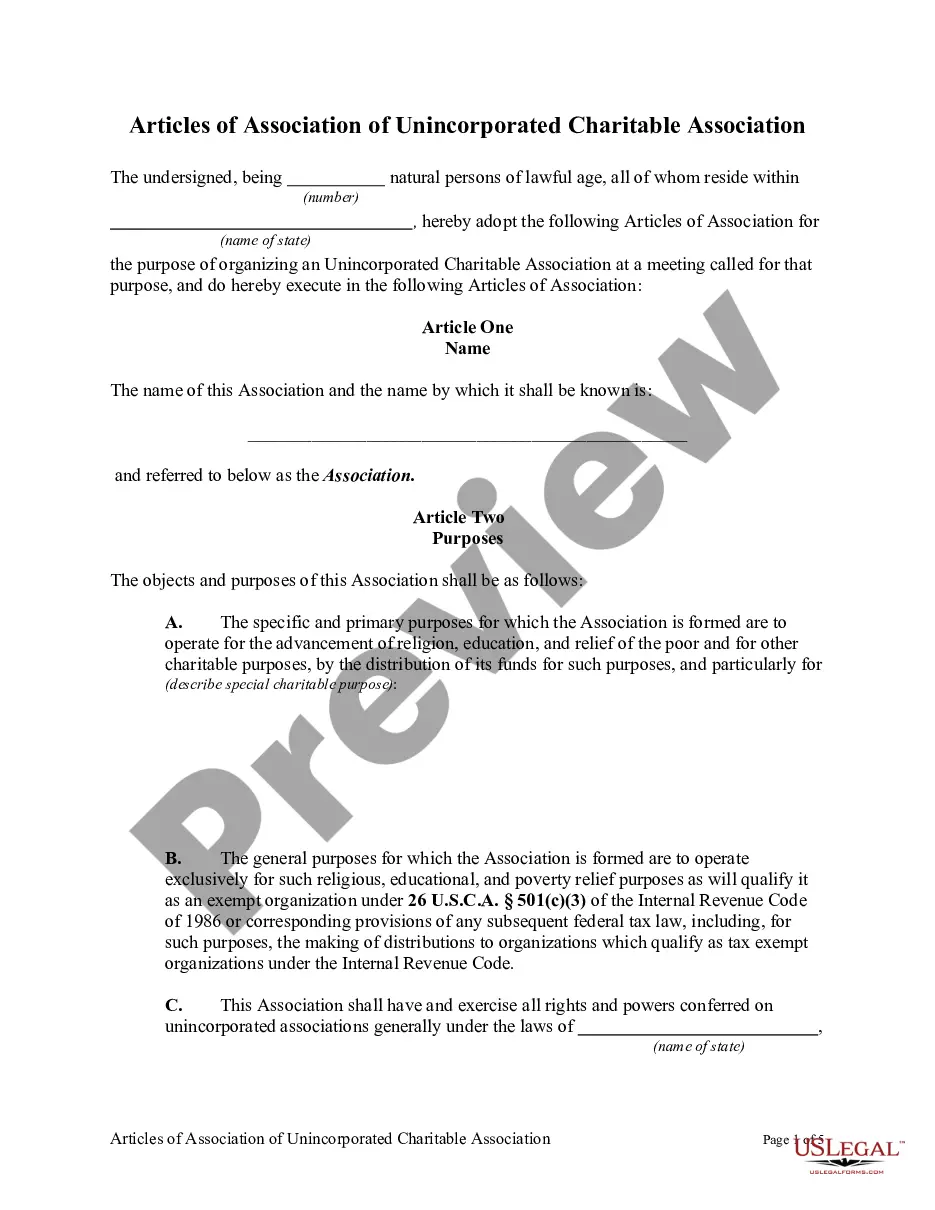



Form popularity
FAQ
Remote notarization basics Remote notarization in Illinois is similar to electronic notarization in the following ways: A Remote Notary must have a combined $30,000 bond to perform remote notarizations. A Notary must keep a journal and make a recording of the remote notarial act.
Who can notarize my document? Any Canadian notary whose signature we recognize can notarize your document. If we are unable to recognize the signature of your notary, invite your notary to register with us. The notary can do this by providing a specimen signature.
To become a non-resident notary public, you must be a resident of a qualifying bordering state, which includes Iowa, Kentucky, Missouri, Indiana, and Wisconsin. You must also have worked or maintained a business in Illinois for 30 days before this application.
Illinoisans who need a notary public can now access those services online through a new “E-Notary” portal launched by the secretary of state's office. This process is one of the latest initiatives of Secretary of State Alexi Giannoulias' ongoing effort to modernize the office and its services.
How to Become a Notary in Illinois Order a four-year, $5,000 Illinois notary bond. Take our notary public course and pass the examination. Complete an Illinois notary application online. Wait to receive your Illinois notary commission certificate. Order your Illinois notary supplies.
The State processing time, once submitted, is 4-6 weeks. Once your application has been approved, you will receive your notary public certificate from the State, and stamp(s) and supplies from us. Once you have your certificate in hand, you may use your new notary stamp and the process is complete.
To become a non-resident notary public, you must be a resident of a qualifying bordering state, which includes Iowa, Kentucky, Missouri, Indiana, and Wisconsin. You must also have worked or maintained a business in Illinois for 30 days before this application.
Do I have to be a United States Citizen to become a notary? The United States Supreme Court, in the case of Bernal v Fainter, decided in 1984, that a notary applicant does not have to be a United States citizen. The resident alien notary applicant must be in the country legally, however.
Make sure you're eligible. You must be 18 or older, a U.S. citizen or permanent resident, live or work in Illinois for at least 30 days before applying, be able to read and write in English, have no felony convictions, and have no previous Notary commissions revoked.
