Nondisclosure Confidentiality Agreement With Attorney In Texas
Description

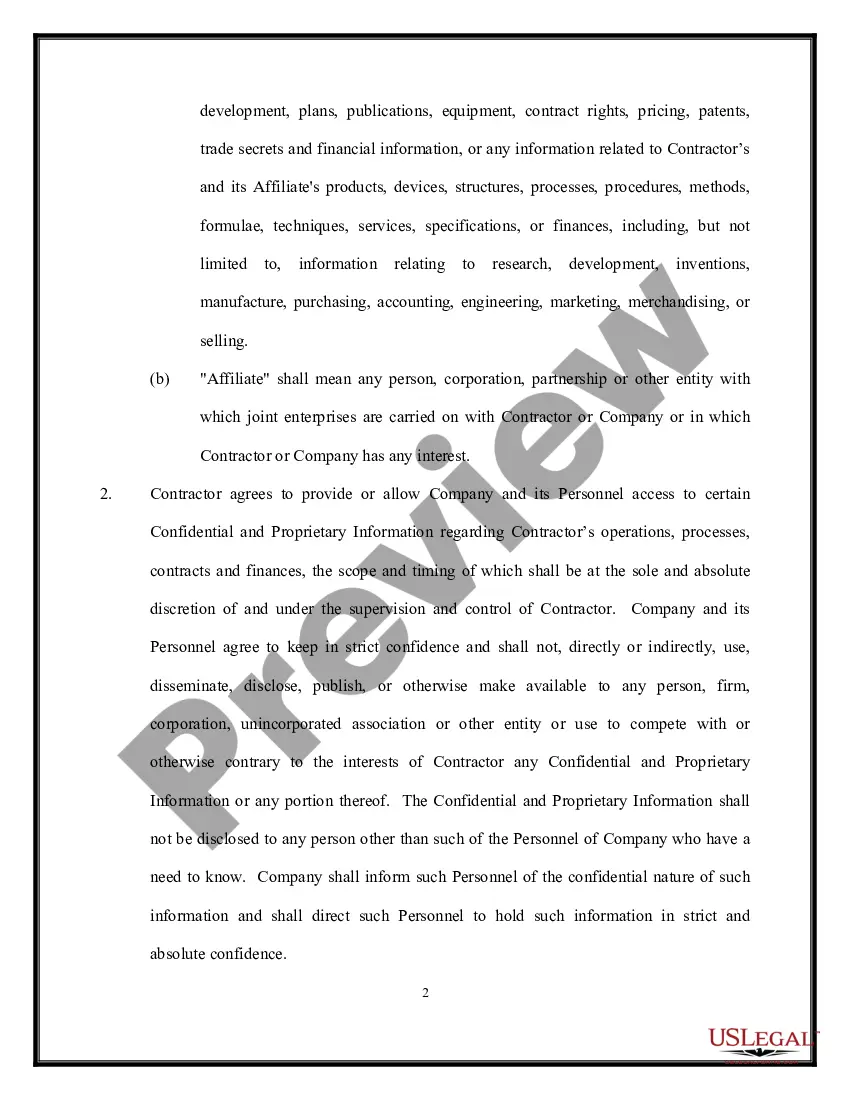
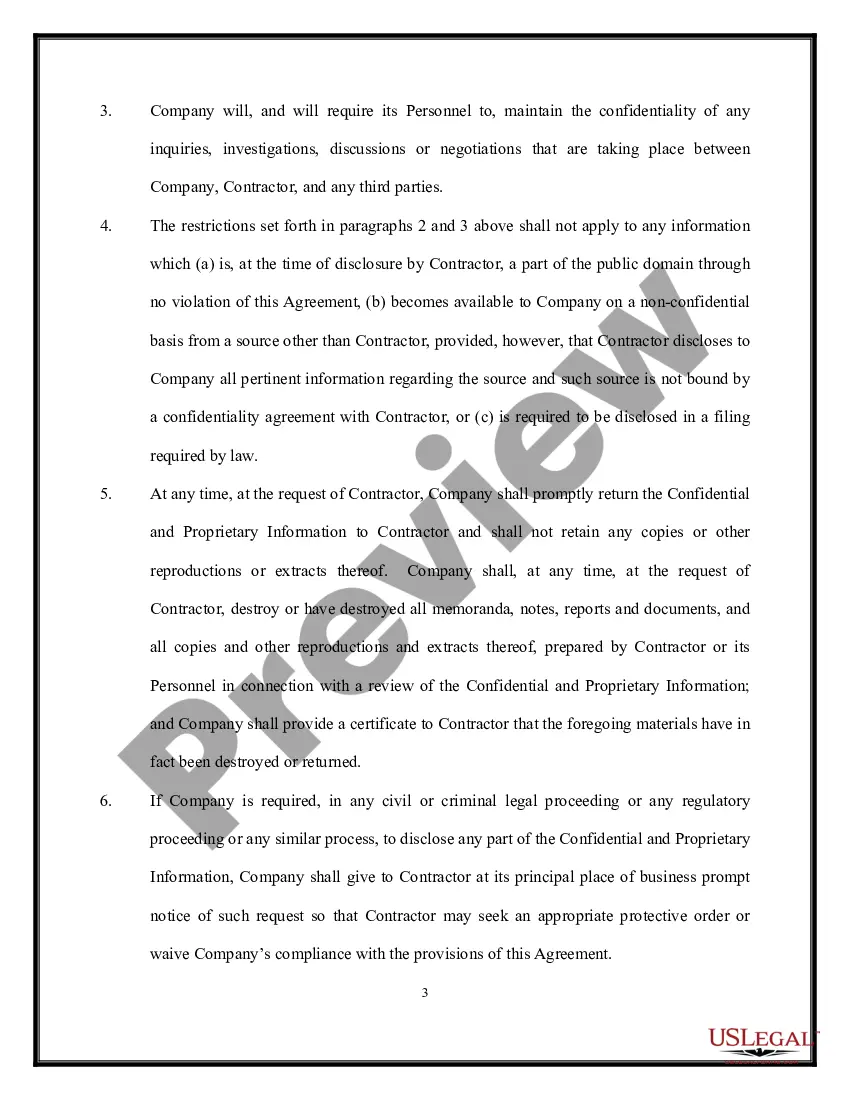
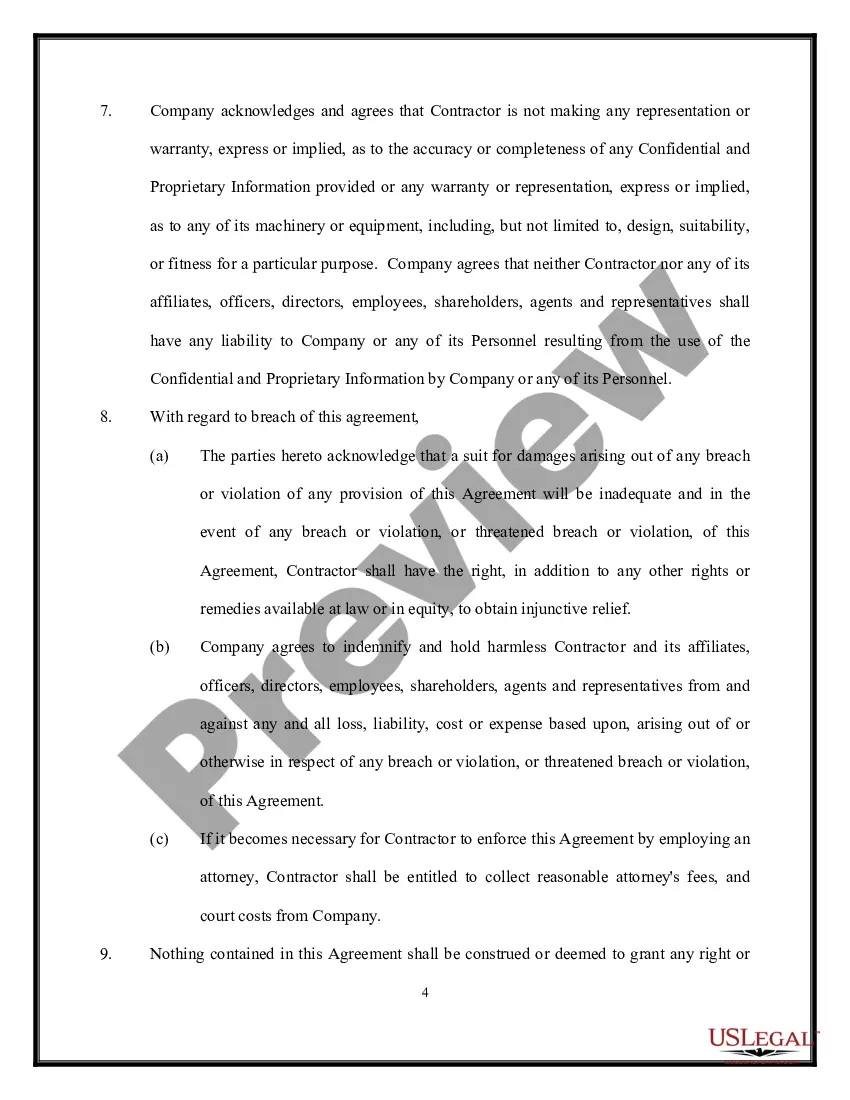
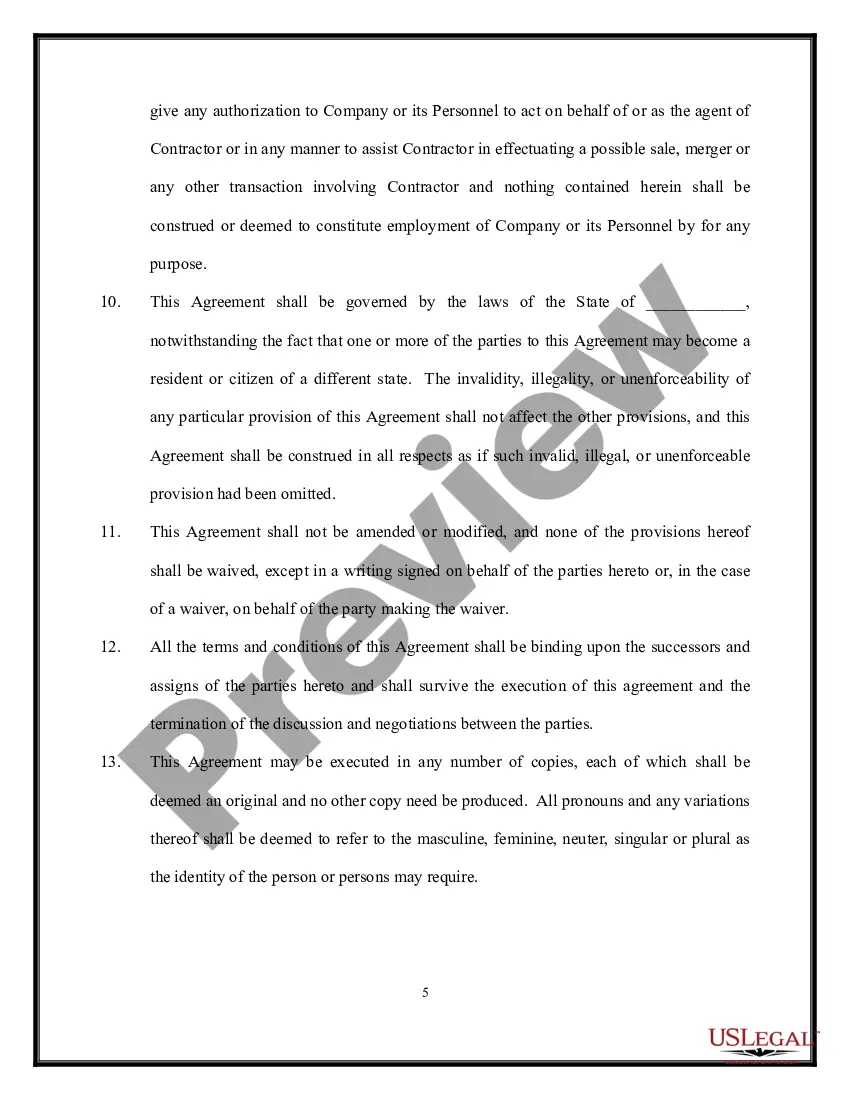
Get your form ready online
Our built-in tools help you complete, sign, share, and store your documents in one place.
Make edits, fill in missing information, and update formatting in US Legal Forms—just like you would in MS Word.
Download a copy, print it, send it by email, or mail it via USPS—whatever works best for your next step.
Sign and collect signatures with our SignNow integration. Send to multiple recipients, set reminders, and more. Go Premium to unlock E-Sign.
If this form requires notarization, complete it online through a secure video call—no need to meet a notary in person or wait for an appointment.
We protect your documents and personal data by following strict security and privacy standards.

Make edits, fill in missing information, and update formatting in US Legal Forms—just like you would in MS Word.

Download a copy, print it, send it by email, or mail it via USPS—whatever works best for your next step.

Sign and collect signatures with our SignNow integration. Send to multiple recipients, set reminders, and more. Go Premium to unlock E-Sign.

If this form requires notarization, complete it online through a secure video call—no need to meet a notary in person or wait for an appointment.

We protect your documents and personal data by following strict security and privacy standards.
Looking for another form?








Form popularity
FAQ
The key elements of Non-Disclosure Agreements: Identification of the parties. Definition of what is deemed to be confidential. The scope of the confidentiality obligation by the receiving party. The exclusions from confidential treatment. The term of the agreement.
In order to obtain an order of nondisclosure, you must first file a petition for an order of nondisclosure with the proper court. The petition is to be filed with the clerk of the court that handled the offense for which you were placed on deferred adjudication.
All NDAs should include these specific elements: Identification of Parties: Also known as “parties to the agreement”, the purpose of this section is to identify the people and/or entities involved in the non-disclosure contract. It explains who the disclosing party and recipient of are, using names and addresses.
What is a nondisclosure agreement? Whereas confidentiality agreements are typically devised in employment or personal situations to protect sensitive information, NDAs are often used in business and legal settings to protect trade secrets, client lists, and financial data.
I hereby undertake to treat as confidential all and any information that I receive while participating in the work of evaluating project proposals, to use this information solely for the purpose of evaluation of the proposals, not to disclose it to any third party and not to make it publicly available or accessible ...
It doesn't need to be notarized or filed with any state or local administrative office.
For other misdemeanor and felony convictions, this period is 2-5 years after the sentence completion date. After this waiting period, obtaining a nondisclosure order in Texas usually takes between four and nine months.
An NDA can last as long as the parties who sign it agree to make it last. Some NDAs may only last a year or less when information must stay confidential during a negotiation. Other NDAs may have no expiration date, lasting for the foreseeable future.
Under Texas law, a non-disclosure agreement is enforceable even if it is coupled with an unenforceable non compete agreement or invalid non-solicitation provision.
There is no “set” expiration term for non-disclosure agreements and various forms are all over the map between a set expiration and no term.
