Confidentiality Agreement Form Template With Signature In Santa Clara
Description

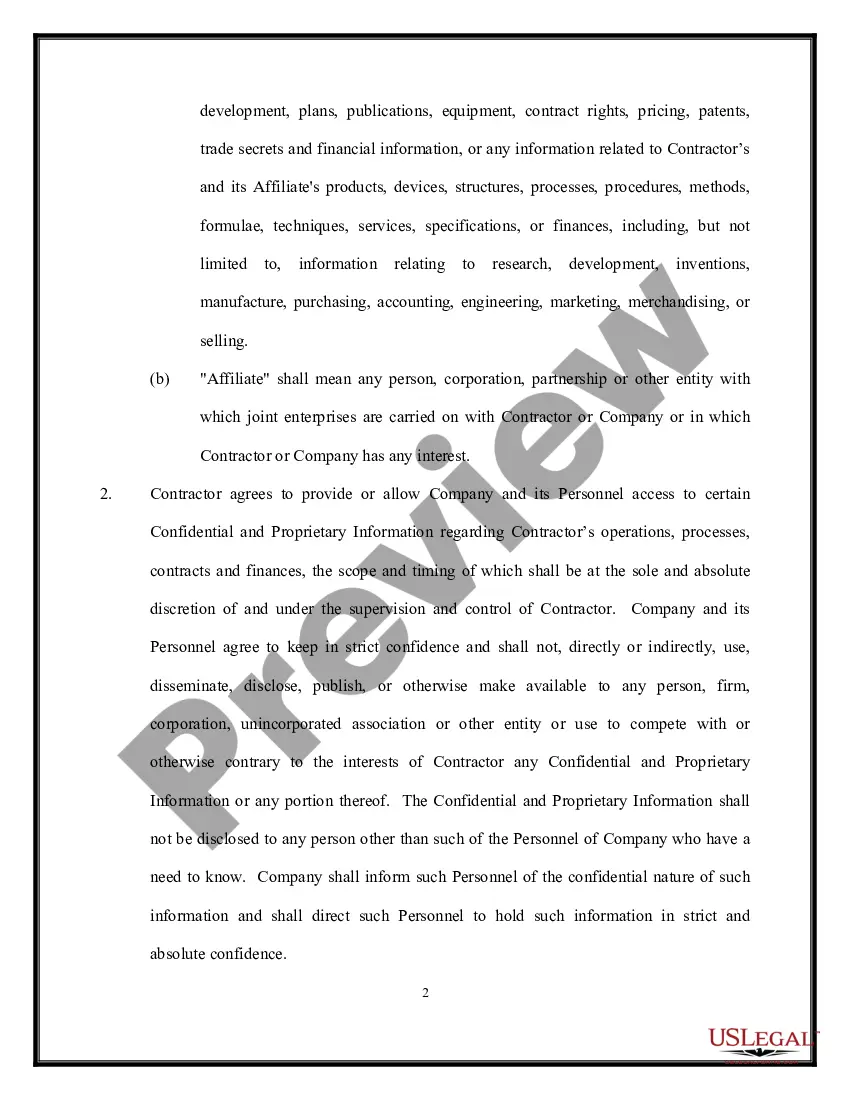
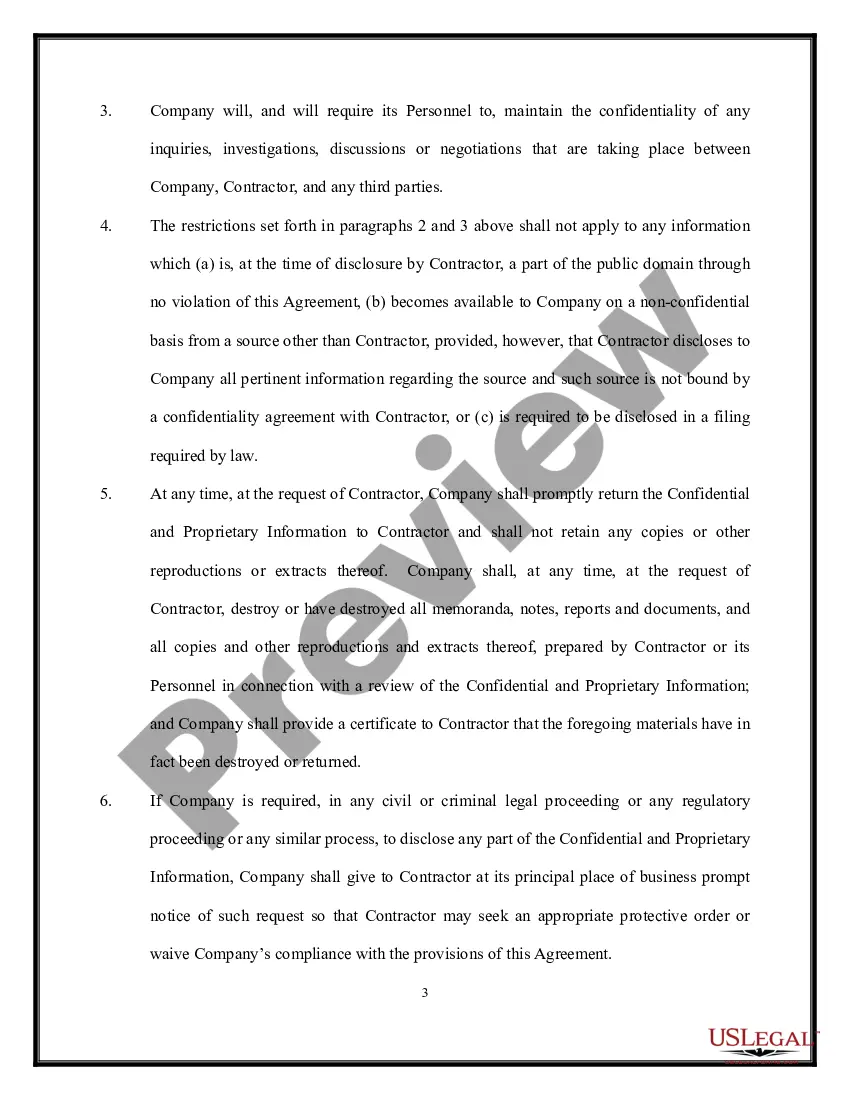
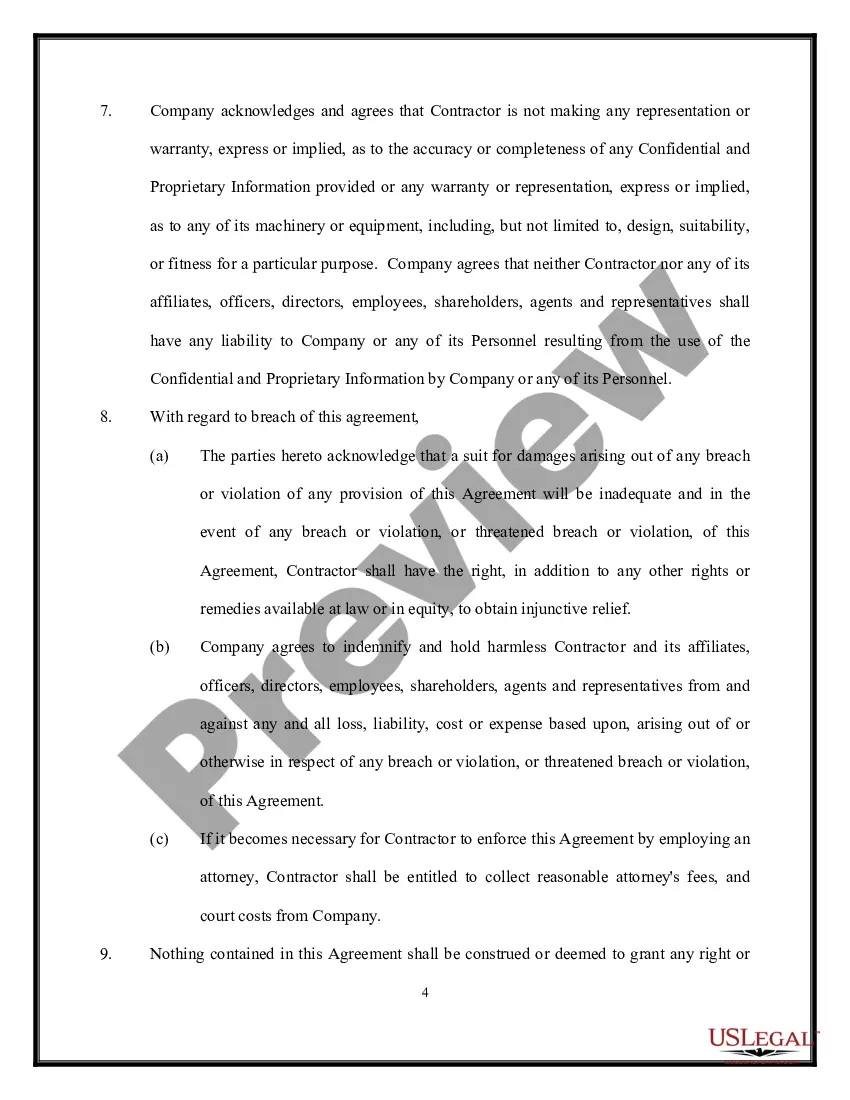
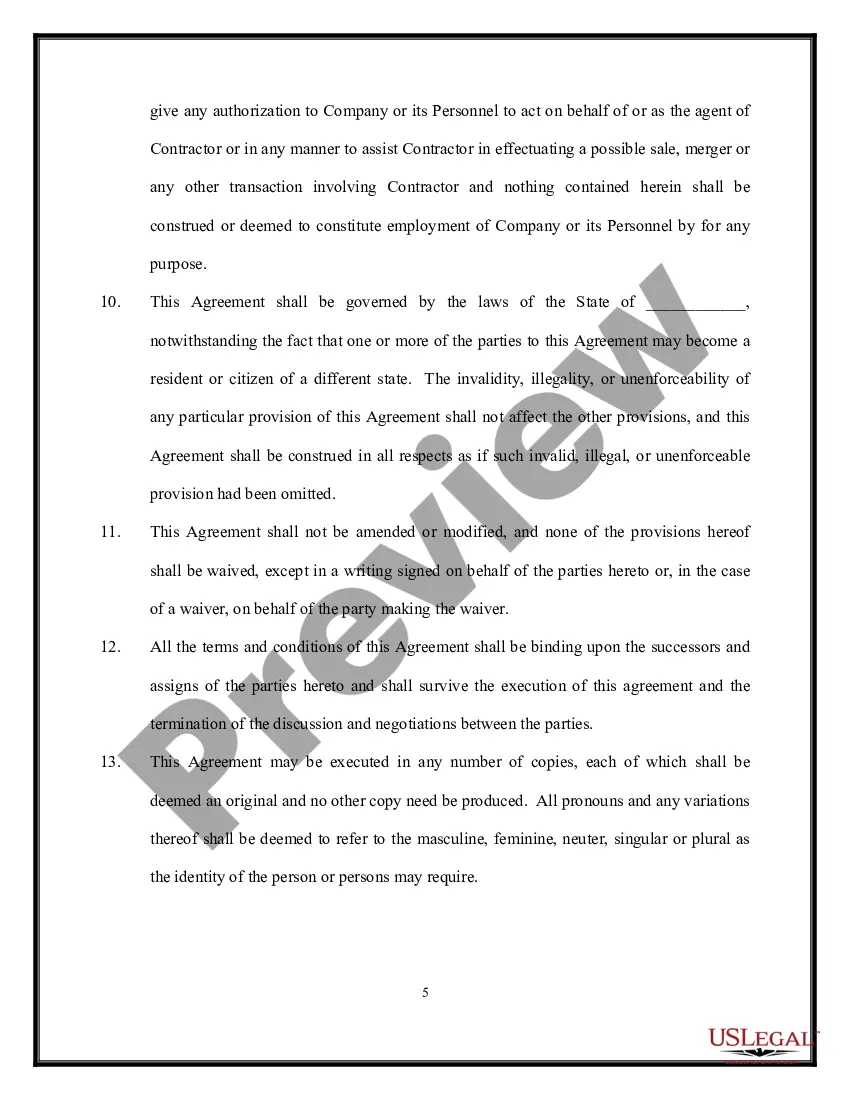
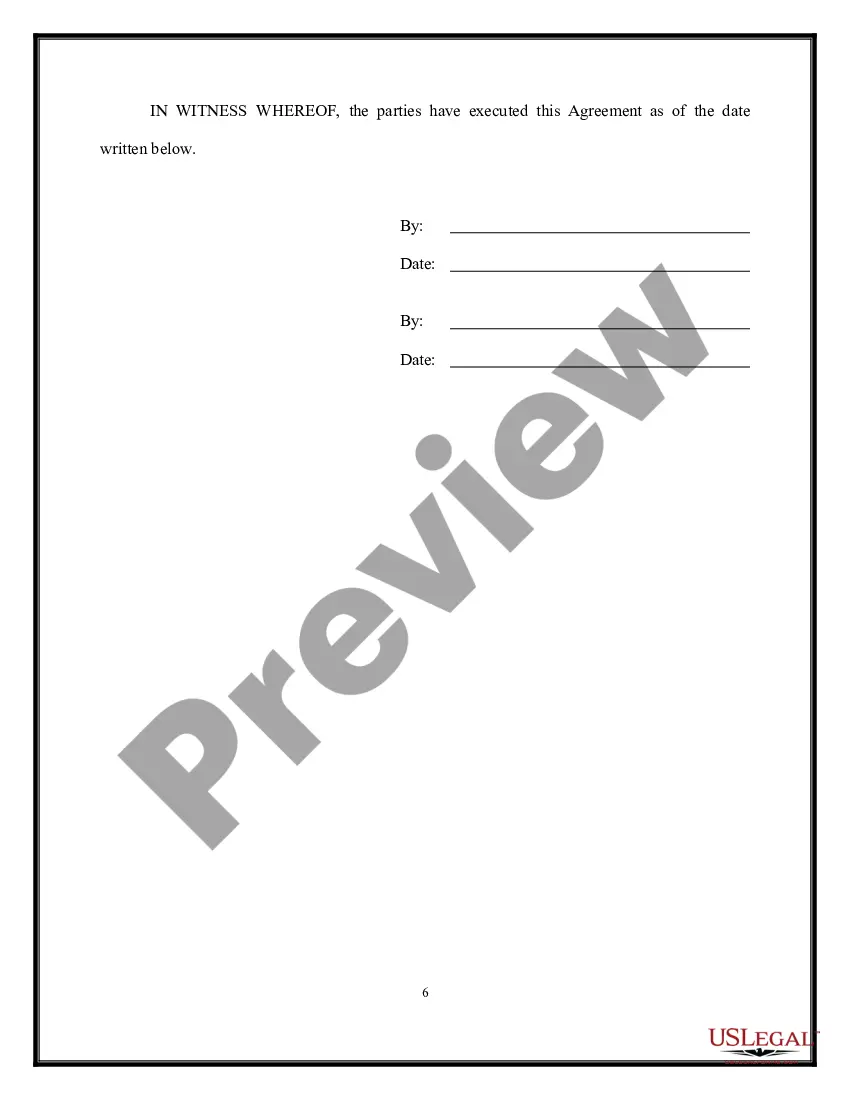
Get your form ready online
Our built-in tools help you complete, sign, share, and store your documents in one place.
Make edits, fill in missing information, and update formatting in US Legal Forms—just like you would in MS Word.
Download a copy, print it, send it by email, or mail it via USPS—whatever works best for your next step.
Sign and collect signatures with our SignNow integration. Send to multiple recipients, set reminders, and more. Go Premium to unlock E-Sign.
If this form requires notarization, complete it online through a secure video call—no need to meet a notary in person or wait for an appointment.
We protect your documents and personal data by following strict security and privacy standards.

Make edits, fill in missing information, and update formatting in US Legal Forms—just like you would in MS Word.

Download a copy, print it, send it by email, or mail it via USPS—whatever works best for your next step.

Sign and collect signatures with our SignNow integration. Send to multiple recipients, set reminders, and more. Go Premium to unlock E-Sign.

If this form requires notarization, complete it online through a secure video call—no need to meet a notary in person or wait for an appointment.

We protect your documents and personal data by following strict security and privacy standards.
Looking for another form?




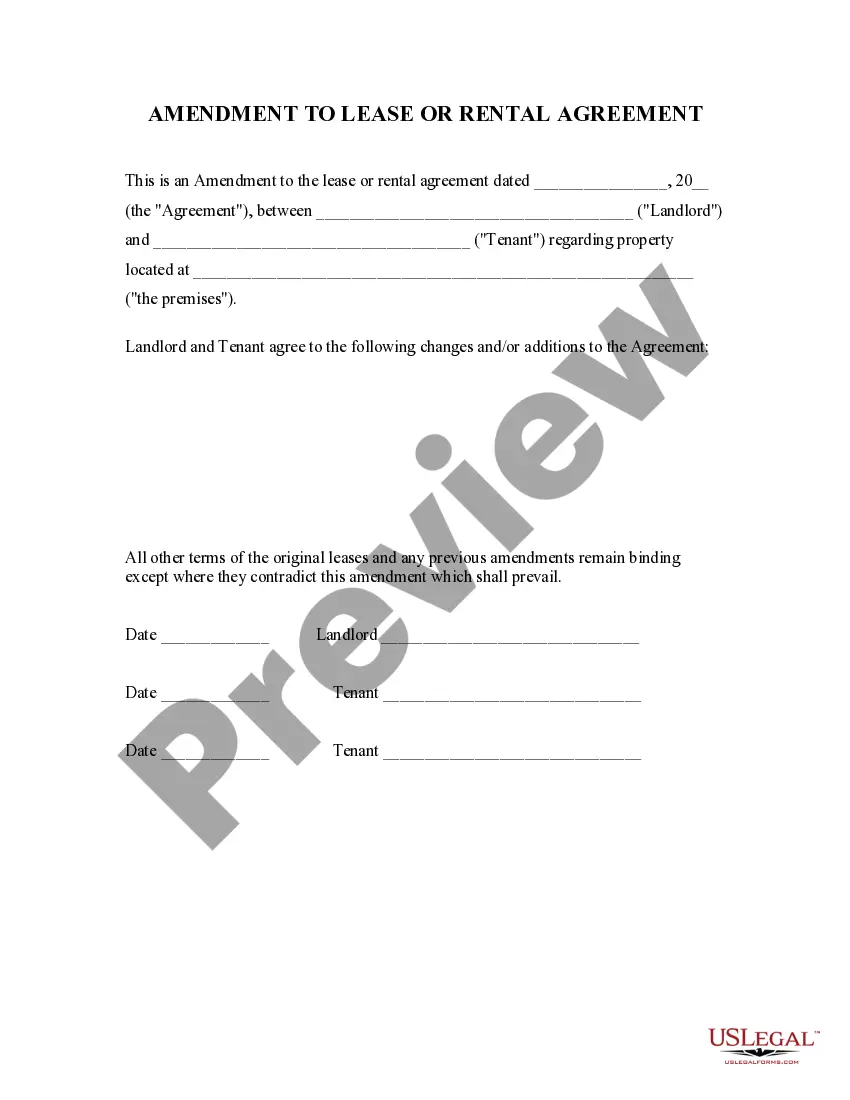
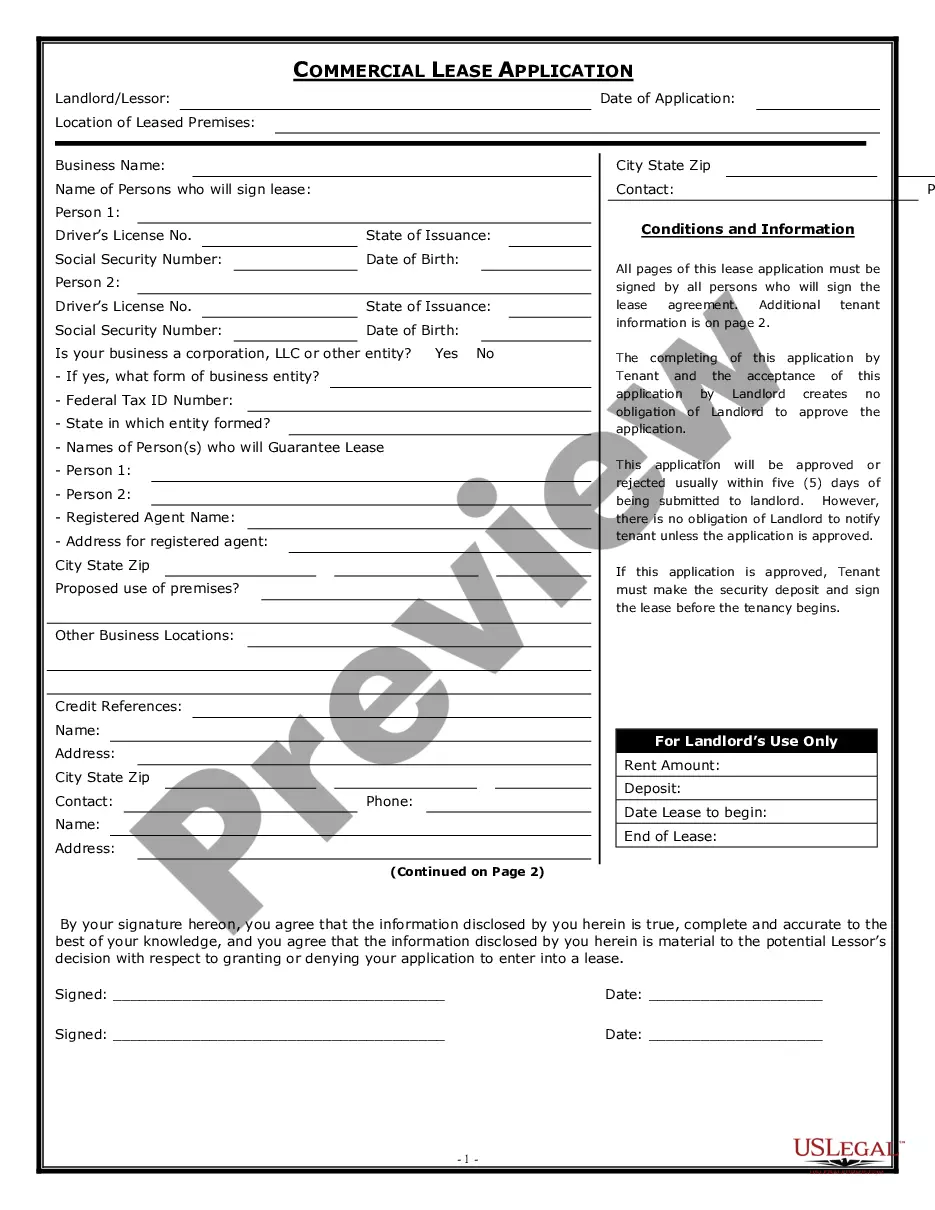
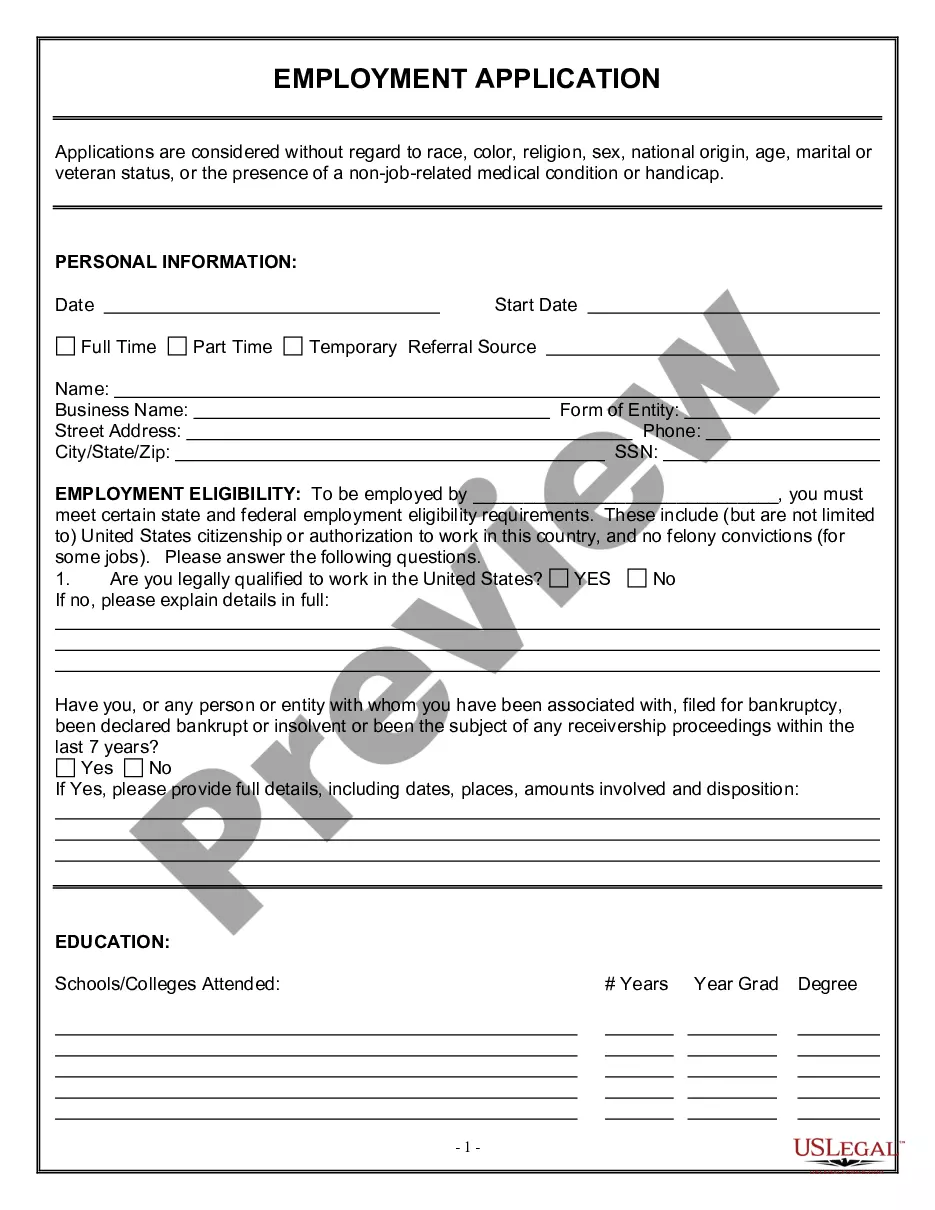



Form popularity
FAQ
A confidentiality agreement should include the names and addresses of the parties to the contract. Consider also including: Reason for the agreement: Explain why you're sharing this information. The information disclosed: Be specific about the subject matter and what exactly is included in the agreement.
Simple Business Plan Confidentiality Statement: The recipient further agrees not to disclose, reproduce, or distribute any part of this business plan without the prior written consent of Company Name. Any unauthorized use or disclosure of this information may result in legal action and other appropriate remedies.”
A confidentiality agreement is a standard written agreement that is used to protect the owner of an invention or idea for a new business. It is also an important document between two companies that are contemplating a merger or a commercial transaction that must be withheld from public knowledge.
NDAs, or non-disclosure agreements, are legally enforceable contracts that create a confidential relationship between a person who has sensitive information and a person who will gain access to that information. A confidential relationship means one or both parties has a duty not to share that information.
NDAs can last anywhere from a few days to a few years. After this period, you can disclose the information shared with you, including the fact that you have signed an NDA.
What is the difference between a DPA and a NDA? A DPA (Data Processing Agreement) outlines terms for data processing, focusing on ensuring data protection and privacy compliance. An NDA (Non-Disclosure Agreement) is a contract where parties agree not to disclose confidential information they've shared with each other.
Use: NDAs are often used by startups or third-party partnerships. CDAs are used in high-value corporate transactions or in military service.
A confidentiality agreement should include a clear definition of the confidential information, scope of the agreement, obligations of the receiving party, the duration of the contract, any exceptions to confidentiality, and the consequences of a breach of the contract.
A confidentiality agreement is a legally binding contract. If you disclose confidential information to another person under a confidentiality agreement, they are required to keep that information secret and confidential, and not misuse it.
