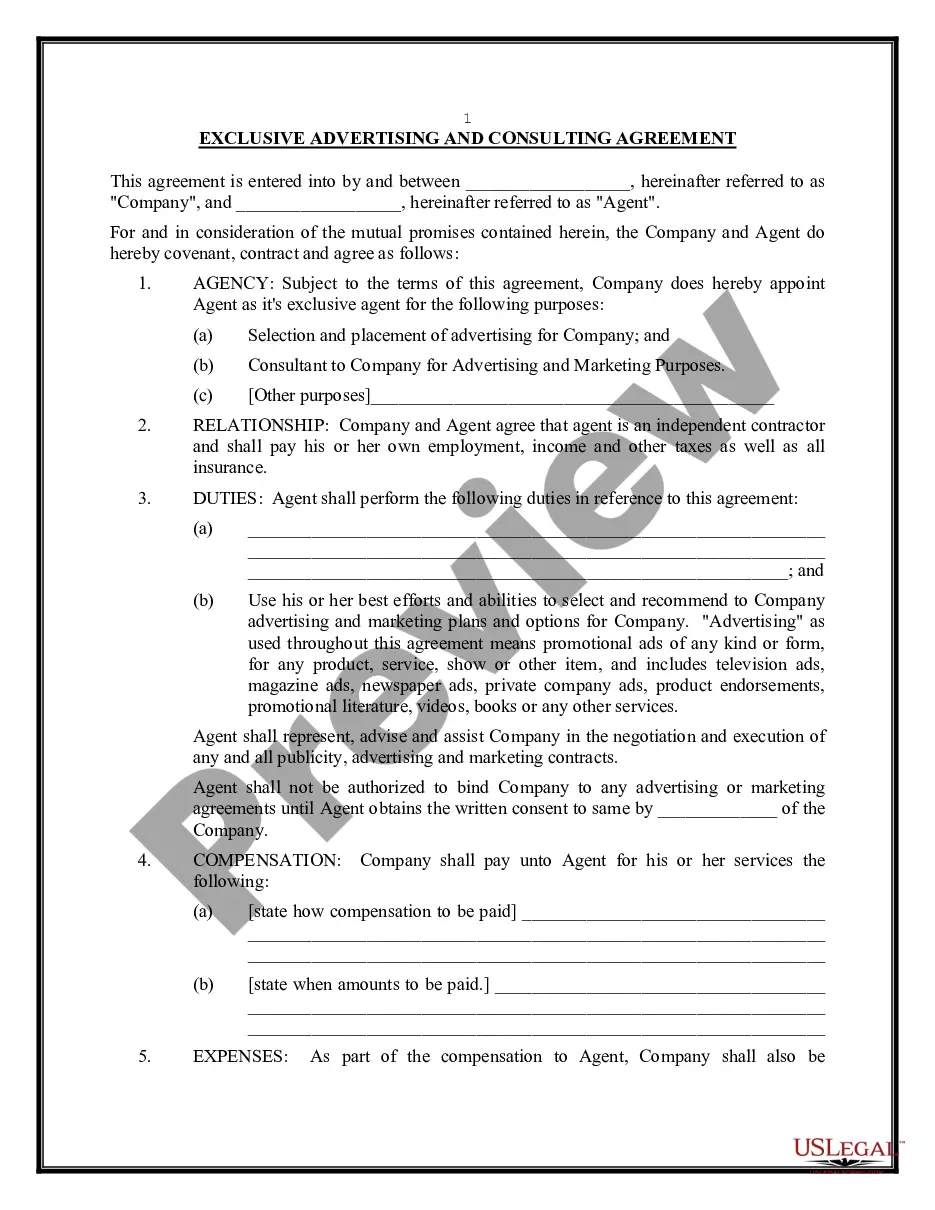
Sample Non Disclosure Agreement For Employees In San Antonio
Description

Get your form ready online
Our built-in tools help you complete, sign, share, and store your documents in one place.
Make edits, fill in missing information, and update formatting in US Legal Forms—just like you would in MS Word.
Download a copy, print it, send it by email, or mail it via USPS—whatever works best for your next step.
Sign and collect signatures with our SignNow integration. Send to multiple recipients, set reminders, and more. Go Premium to unlock E-Sign.
If this form requires notarization, complete it online through a secure video call—no need to meet a notary in person or wait for an appointment.
We protect your documents and personal data by following strict security and privacy standards.

Make edits, fill in missing information, and update formatting in US Legal Forms—just like you would in MS Word.

Download a copy, print it, send it by email, or mail it via USPS—whatever works best for your next step.

Sign and collect signatures with our SignNow integration. Send to multiple recipients, set reminders, and more. Go Premium to unlock E-Sign.

If this form requires notarization, complete it online through a secure video call—no need to meet a notary in person or wait for an appointment.

We protect your documents and personal data by following strict security and privacy standards.
Looking for another form?







Form popularity
FAQ
Both parties must enter into the NDA voluntarily and with a clear understanding of its terms. If there was coercion or deception involved, the agreement may not be valid.
Absolutely. Texas businesses can and should continue to protect their interests through legally compliant nonsolicitation and nondisclosure agreements. The key is ensuring that these agreements are drafted to meet legal standards for reasonableness and necessity.
It doesn't need to be notarized or filed with any state or local administrative office.
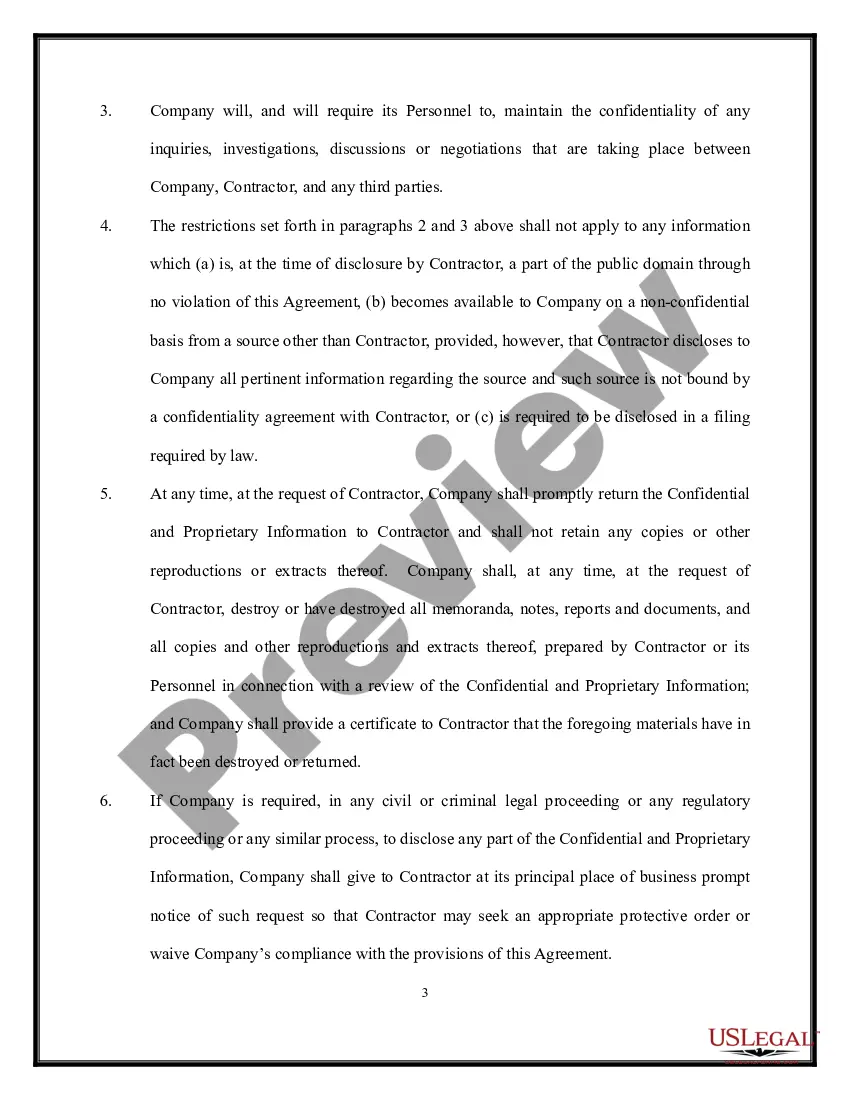
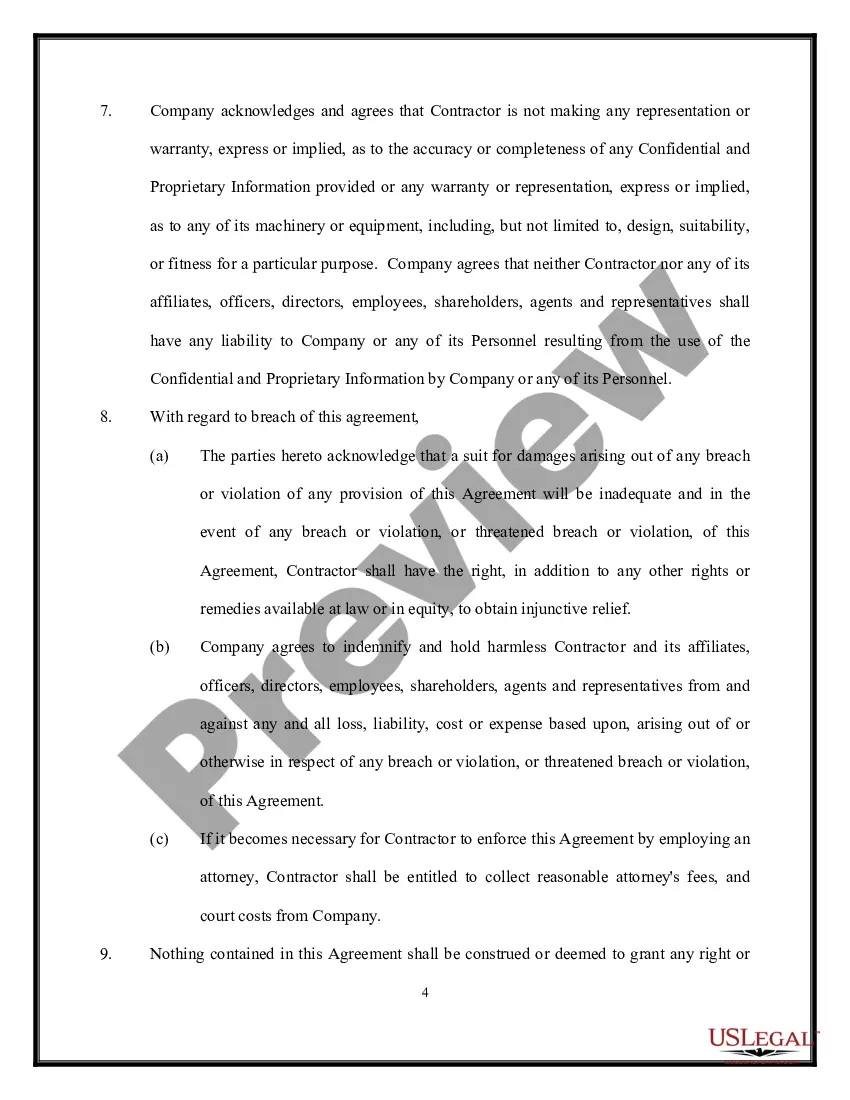
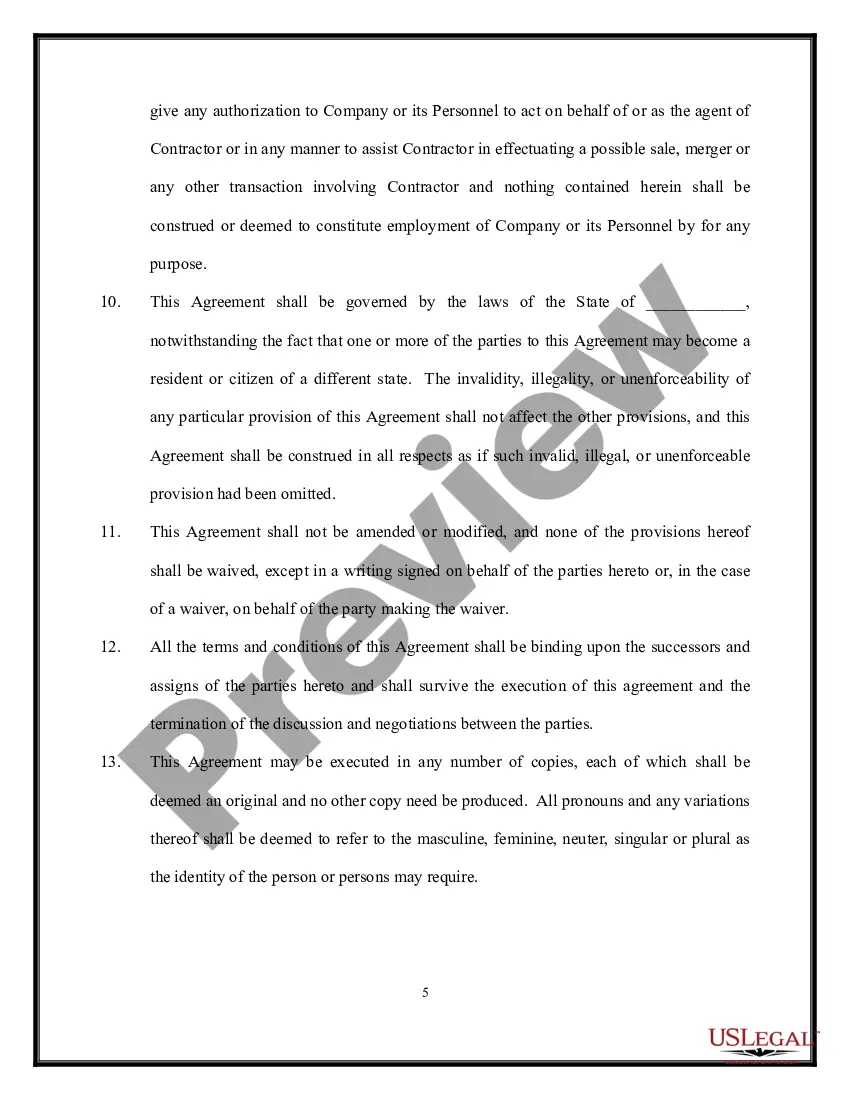
Employee inclusive of his/her direct beneficiaries in business, interest and title in recognition of the transfer of Confidential and Proprietary Information to Company Name hereby agrees not to directly or indirectly compete with the business of Company name and its successors and assigns during the term of the ...
Depending upon person and method of execution, a witness signature may be required for a deed to be valid. A deed, rather than a contract, should be used where there is a want of consideration (i.e. no quid pro quo). In the case of NDAs, even unilateral NDAs, consideration isn't usually a problem.
Generally, the types of documents that require a notary are those that have legal or financial significance. Some common types of documents that require notarization are as follows: Legal documents: Like affidavits and power of attorney forms.
Explain the Context: Start by explaining why you need the NDA. Be clear about the sensitive information involved and why it's important to keep it confidential. Be Honest and Transparent: Share your reasons for needing an NDA. Emphasize that it's not about distrust but about protecting both parties' interests.
Non-disclosure agreements (NDAs) are agreements in contract law where parties agree that certain information will remain confidential. As such, an NDA binds a person who has signed it and prevents them from discussing any information included in the contract with anyone not authorized by the NDA.
The purpose of a non-disclosure agreement is twofold: confidentiality and protection. Information protected by a confidentiality agreement can include everything from product specs to client rosters. Business models, test results and even embargoed press releases or product reviews can all be covered by an NDA.
Typically, a legal professional writing the NDA will complete these steps: Step 1 - Describe the scope. Which information is considered confidential? ... Step 2 - Detail party obligations. Step 3 - Note potential exclusions. Step 4 - Set the term. Step 5 - Spell out consequences.