Non Disclosure Agreement With Supplier In Orange
Description

Get your form ready online
Our built-in tools help you complete, sign, share, and store your documents in one place.
Make edits, fill in missing information, and update formatting in US Legal Forms—just like you would in MS Word.
Download a copy, print it, send it by email, or mail it via USPS—whatever works best for your next step.
Sign and collect signatures with our SignNow integration. Send to multiple recipients, set reminders, and more. Go Premium to unlock E-Sign.
If this form requires notarization, complete it online through a secure video call—no need to meet a notary in person or wait for an appointment.
We protect your documents and personal data by following strict security and privacy standards.

Make edits, fill in missing information, and update formatting in US Legal Forms—just like you would in MS Word.

Download a copy, print it, send it by email, or mail it via USPS—whatever works best for your next step.

Sign and collect signatures with our SignNow integration. Send to multiple recipients, set reminders, and more. Go Premium to unlock E-Sign.

If this form requires notarization, complete it online through a secure video call—no need to meet a notary in person or wait for an appointment.

We protect your documents and personal data by following strict security and privacy standards.
Looking for another form?









Form popularity
FAQ
Both parties must enter into the NDA voluntarily and with a clear understanding of its terms. If there was coercion or deception involved, the agreement may not be valid.
You do not need a lawyer to create and sign a non-disclosure agreement. However, if the information you are trying to protect is important enough to warrant an NDA, you may want to have the document reviewed by someone with legal expertise.
If both parties under the NDA were signing as sole proprietors, you have to ensure that both your full names are stated clearly. If you wanted to ensure that there would be no doubt about who the parties were, then you could add identification information such as addresses or social security numbers.
Indeed, the potential client may well get you to sign an NDA yourself, to protect any business secrets they indulge during your pitch. So by presenting them with an NDA of your own, and making a strong case for them to sign it, you're actually conveying your seriousness and raising your authority overall.
Explain the Context: Start by explaining why you need the NDA. Be clear about the sensitive information involved and why it's important to keep it confidential. Be Honest and Transparent: Share your reasons for needing an NDA. Emphasize that it's not about distrust but about protecting both parties' interests.
At the top, there are three types, unilateral, bilateral, and multilateral NDAs. The rest of the specific NDA types fall under these three categories. Most are based on who has to sign the NDA. Not all NDAs are created equally, and they can only demand so much secrecy from strangers when compared to their employees.
In a mutual NDA, by contrast, both parties agree not to reveal each other's confidential information. While the unilateral NDA is a one-way street, an MNDA creates a confidential relationship where information is protected by both parties.
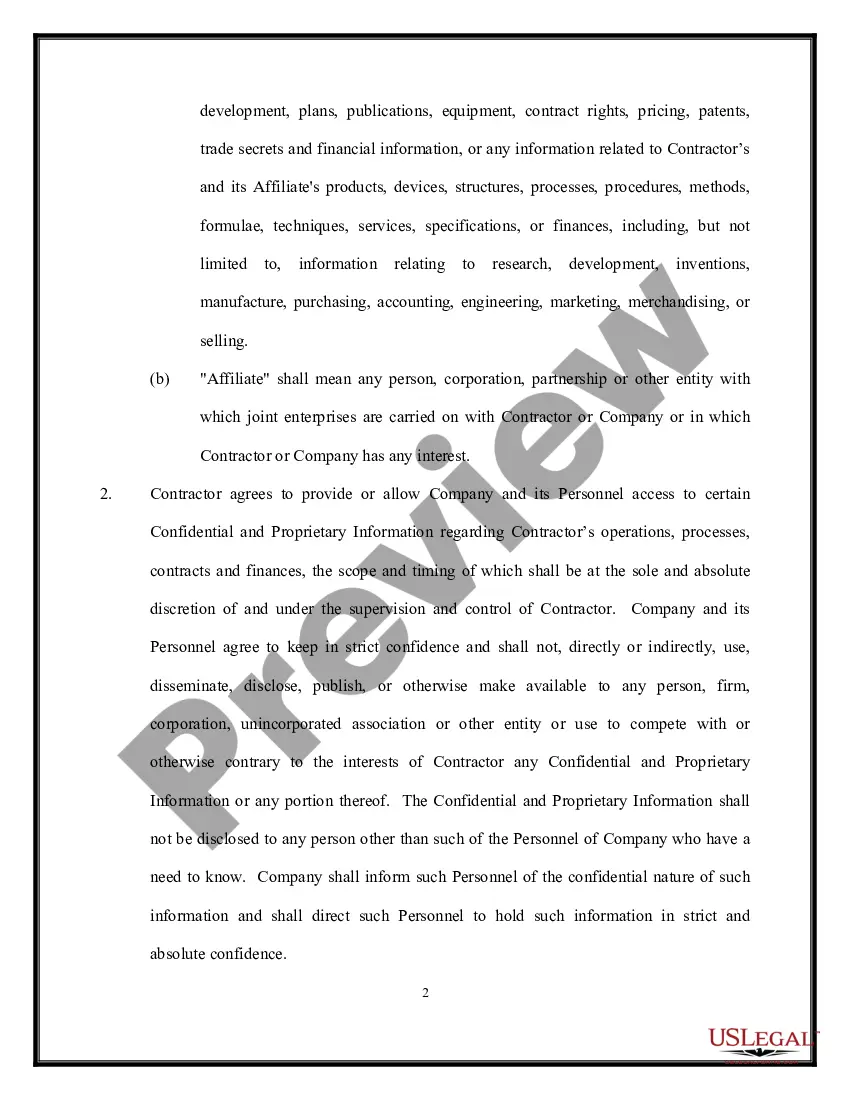
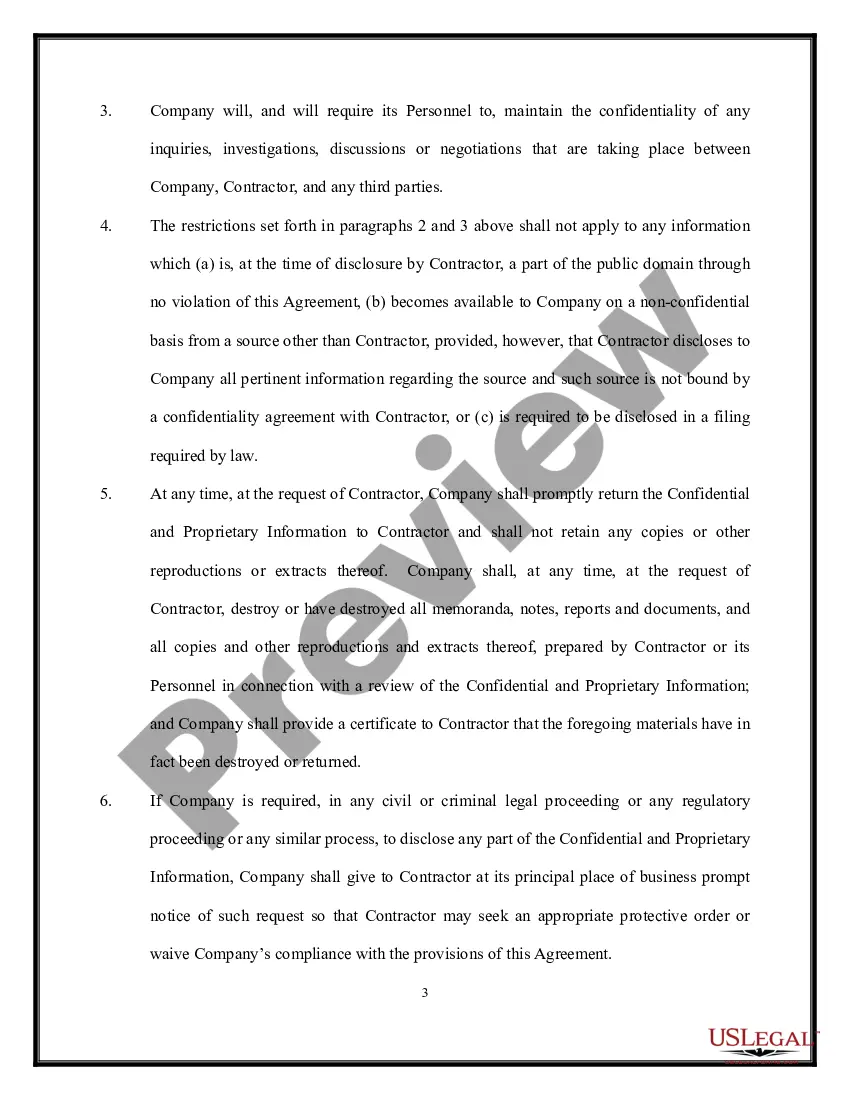
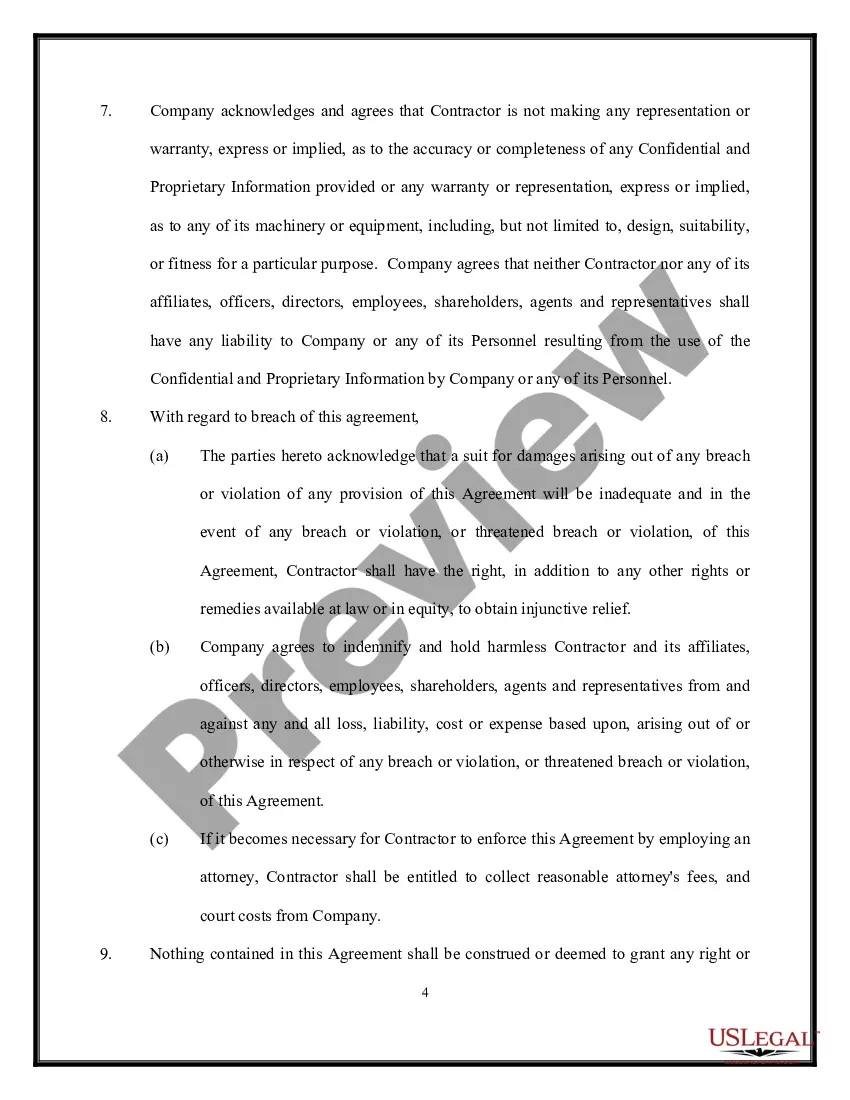
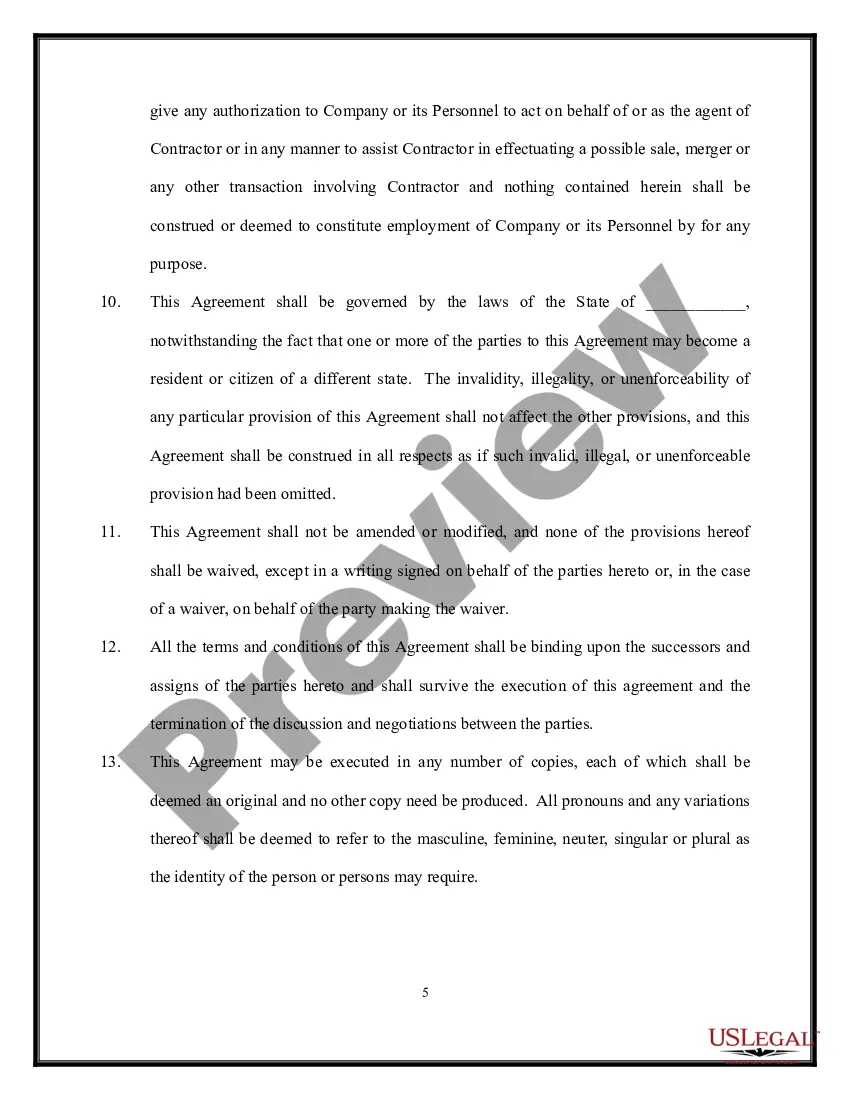
The key elements of Non-Disclosure Agreements: Identification of the parties. Definition of what is deemed to be confidential. The scope of the confidentiality obligation by the receiving party. The exclusions from confidential treatment. The term of the agreement.
NDAs must clearly define what constitutes “confidential information” and set out how the recipient can use this information. For example, the agreement should specify that the information can only be used for a defined purpose, such as evaluating a business opportunity or fulfilling specific contractual obligations.
In supply chain management, non-disclosure agreements (NDAs) are commonly used to protect confidential information that is shared between different parties in the supply chain. These parties can include suppliers, manufacturers, distributors, and retailers.