Disclosure Vs Confidentiality In Orange
Description

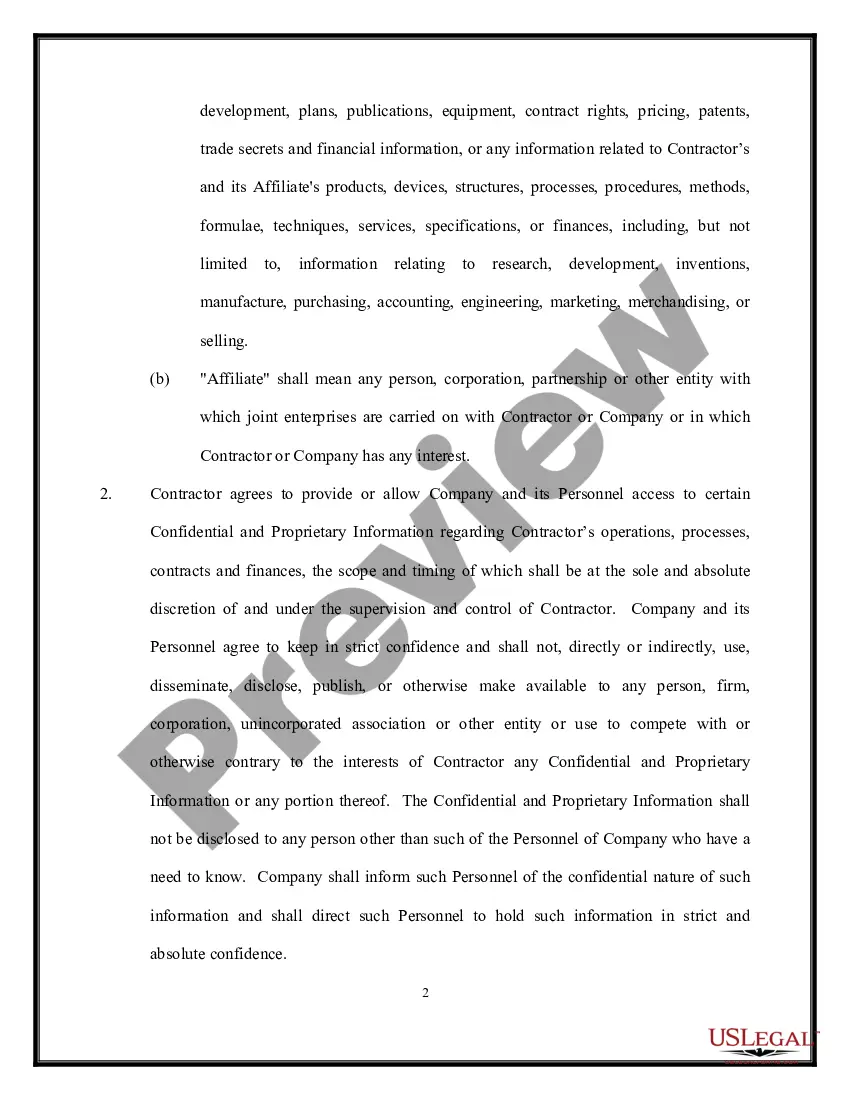
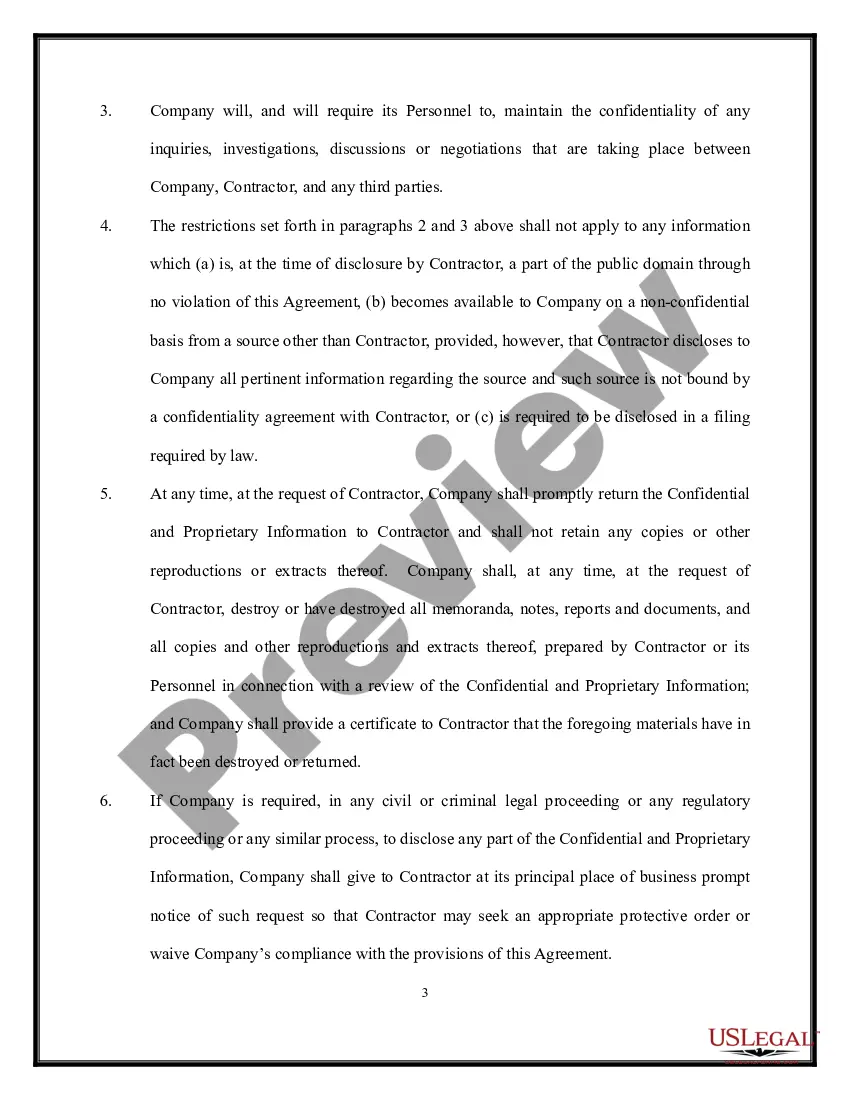
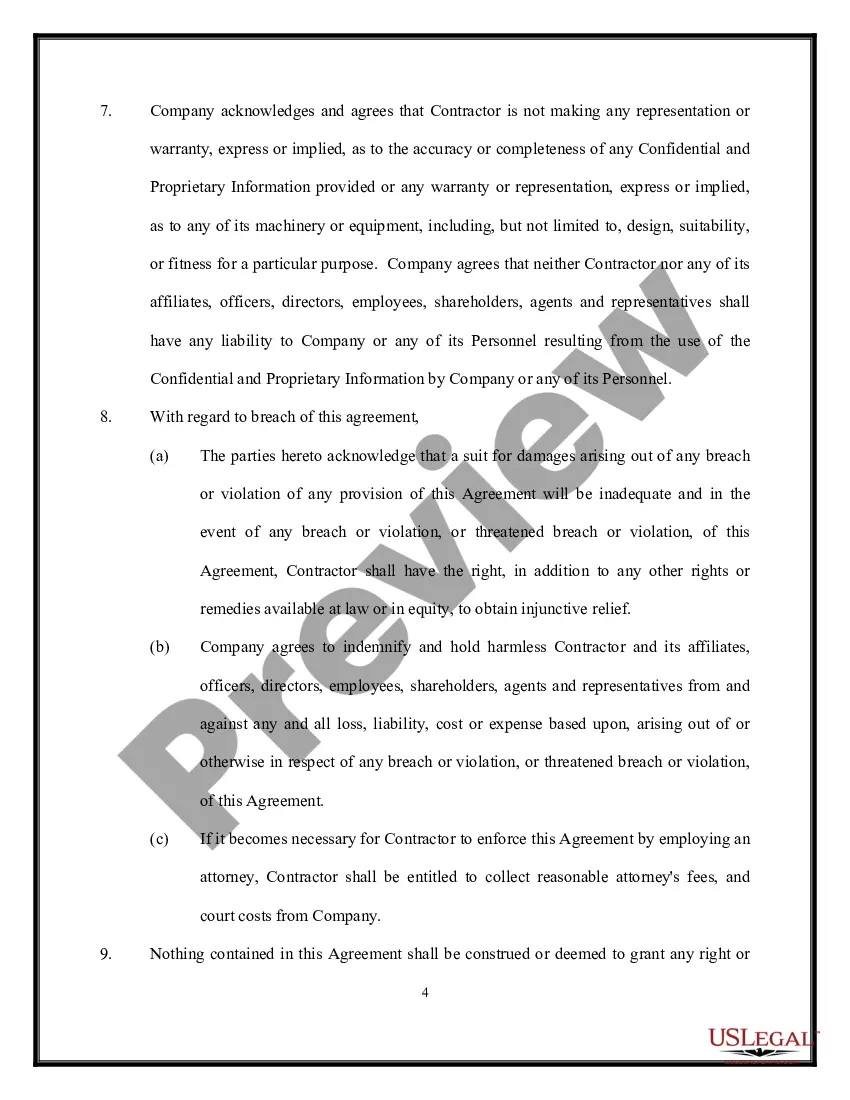
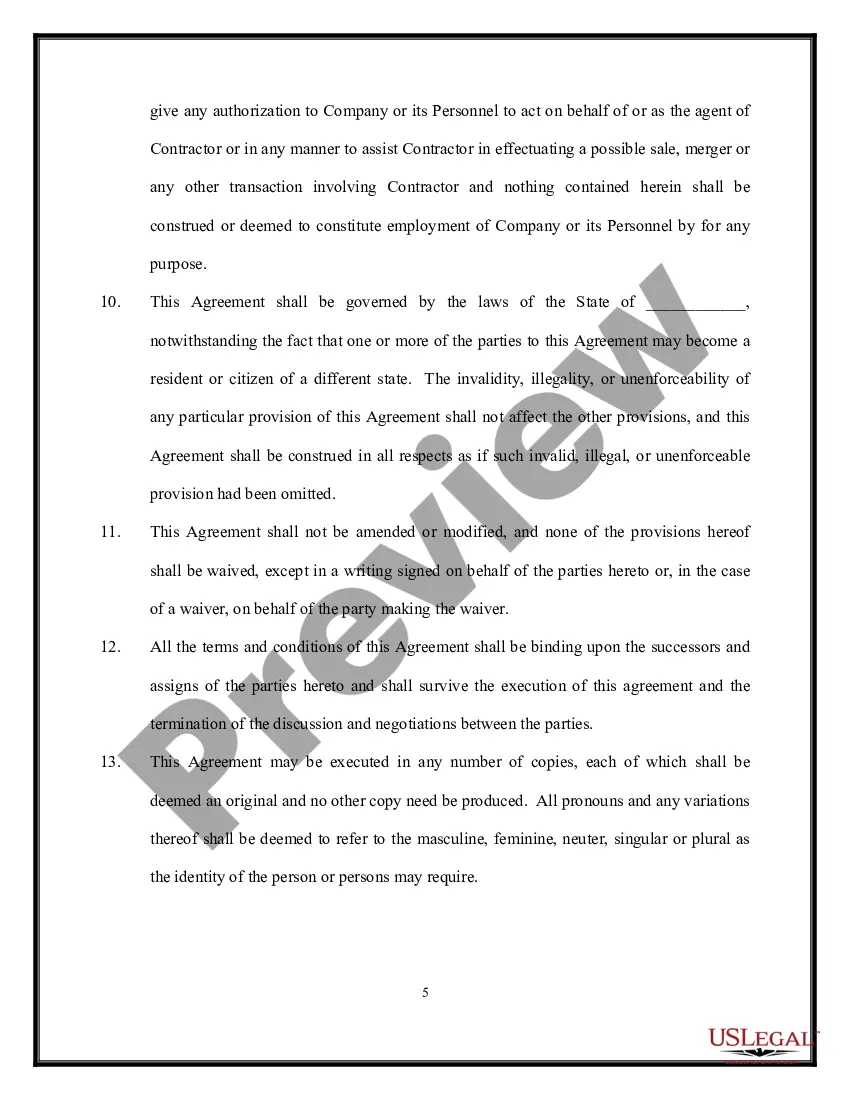
Get your form ready online
Our built-in tools help you complete, sign, share, and store your documents in one place.
Make edits, fill in missing information, and update formatting in US Legal Forms—just like you would in MS Word.
Download a copy, print it, send it by email, or mail it via USPS—whatever works best for your next step.
Sign and collect signatures with our SignNow integration. Send to multiple recipients, set reminders, and more. Go Premium to unlock E-Sign.
If this form requires notarization, complete it online through a secure video call—no need to meet a notary in person or wait for an appointment.
We protect your documents and personal data by following strict security and privacy standards.

Make edits, fill in missing information, and update formatting in US Legal Forms—just like you would in MS Word.

Download a copy, print it, send it by email, or mail it via USPS—whatever works best for your next step.

Sign and collect signatures with our SignNow integration. Send to multiple recipients, set reminders, and more. Go Premium to unlock E-Sign.

If this form requires notarization, complete it online through a secure video call—no need to meet a notary in person or wait for an appointment.

We protect your documents and personal data by following strict security and privacy standards.
Looking for another form?










Form popularity
FAQ
In contrast to secrecy with its withholding of guilt and shame, confidentiality can be viewed as a therapeutic factor. Information shared in confidence within the group is not withheld in a spirit of fear or antagonism to some agency outside the group.
Common law confidentiality is not codified in an Act of Parliament but built up from case law through individual judgments. The key principle is that information confided should not be used or disclosed further, except as originally understood by the confider, or with their subsequent permission.
Completing the Confidentiality Agreement The "Receiving Party" is the person or company who receives the confidential information and is obligated to keep it secret. You'll need to fill in information specific to your circumstances in the spaces provided, such as the parties' names and addresses.
What is a nondisclosure agreement? Whereas confidentiality agreements are typically devised in employment or personal situations to protect sensitive information, NDAs are often used in business and legal settings to protect trade secrets, client lists, and financial data.
A confidentiality agreement should include a clear definition of the confidential information, scope of the agreement, obligations of the receiving party, the duration of the contract, any exceptions to confidentiality, and the consequences of a breach of the contract.
This is sometimes referred to as a “consent,” an “authorization to release,” a “release of information,” or “authorization for disclosure.” The person who signs the release must give informed consent for the information to be disclosed.
Non-Disclosure Agreement is used when the obligation is one-way (or unilateral). However, if there is a two-way (or multi-lateral) exchange of secret or commercially sensitive information, the agreement is more likely to be titled a Confidentiality Agreement.
Information is 'confidential' if there is a restriction on its disclosure, normally placed by the person or organisation that provides it.
When managing data confidentiality, follow these guidelines: Encrypt sensitive files. Manage data access. Physically secure devices and paper documents. Securely dispose of data, devices, and paper records. Manage data acquisition. Manage data utilization. Manage devices.
A: The main mechanisms for ensuring data confidentiality include encryption, access control, and data masking. Encryption converts data into an unreadable format without the decryption key. Access control limits access to authorized users only, and data masking obscures sensitive information in certain views.
