Nondisclosure Confidentiality Agreement With Attorney In Ohio
Description

Get your form ready online
Our built-in tools help you complete, sign, share, and store your documents in one place.
Make edits, fill in missing information, and update formatting in US Legal Forms—just like you would in MS Word.
Download a copy, print it, send it by email, or mail it via USPS—whatever works best for your next step.
Sign and collect signatures with our SignNow integration. Send to multiple recipients, set reminders, and more. Go Premium to unlock E-Sign.
If this form requires notarization, complete it online through a secure video call—no need to meet a notary in person or wait for an appointment.
We protect your documents and personal data by following strict security and privacy standards.

Make edits, fill in missing information, and update formatting in US Legal Forms—just like you would in MS Word.

Download a copy, print it, send it by email, or mail it via USPS—whatever works best for your next step.

Sign and collect signatures with our SignNow integration. Send to multiple recipients, set reminders, and more. Go Premium to unlock E-Sign.

If this form requires notarization, complete it online through a secure video call—no need to meet a notary in person or wait for an appointment.

We protect your documents and personal data by following strict security and privacy standards.
Looking for another form?







Form popularity
FAQ
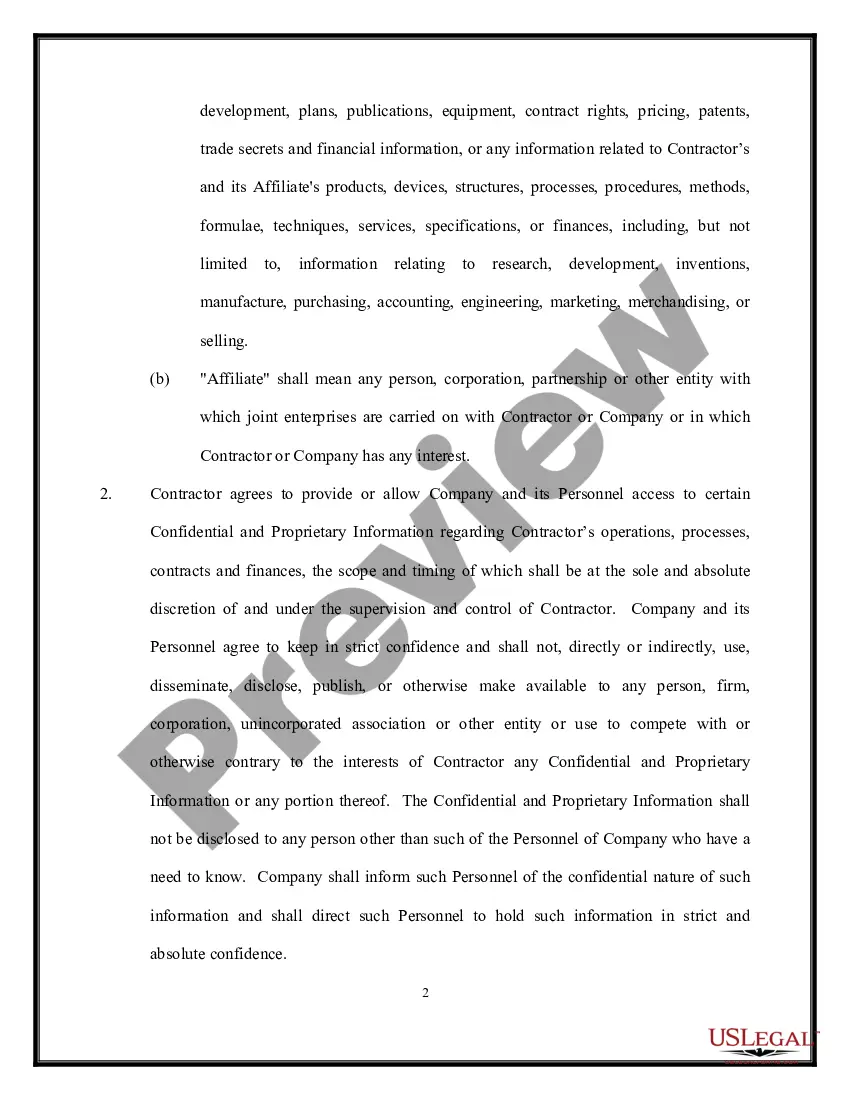
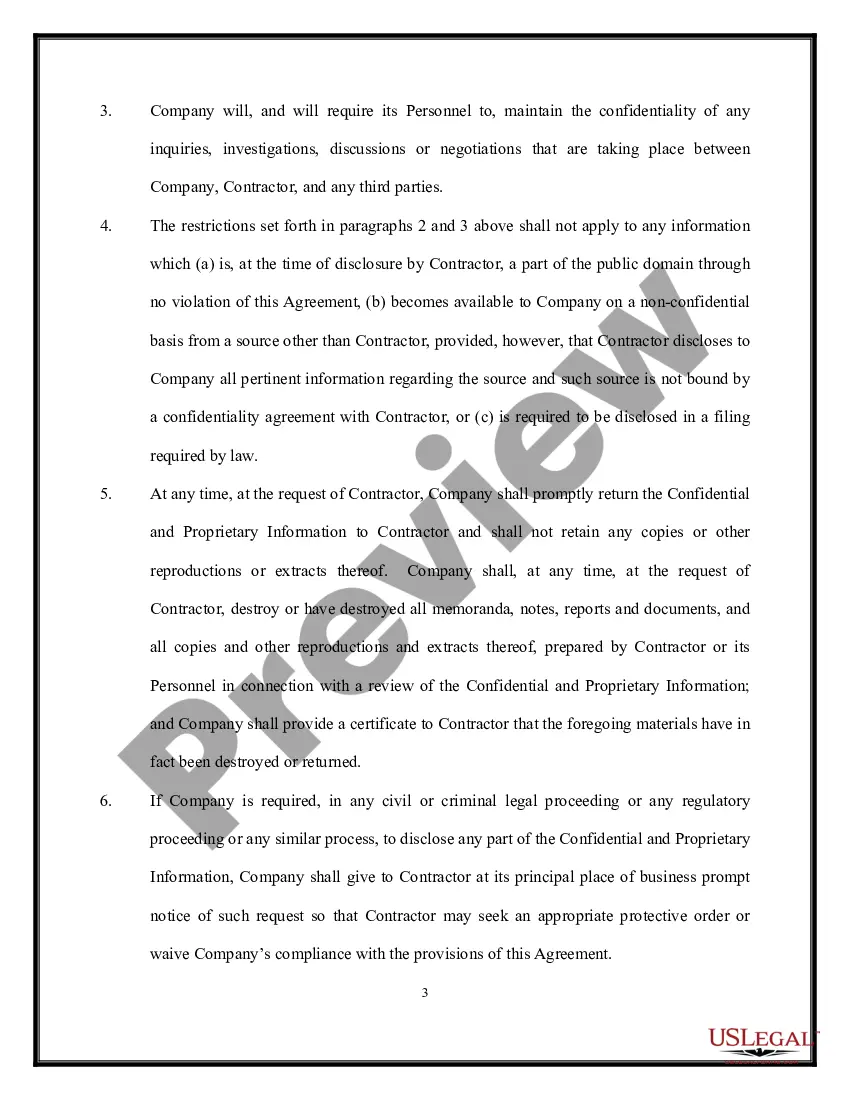
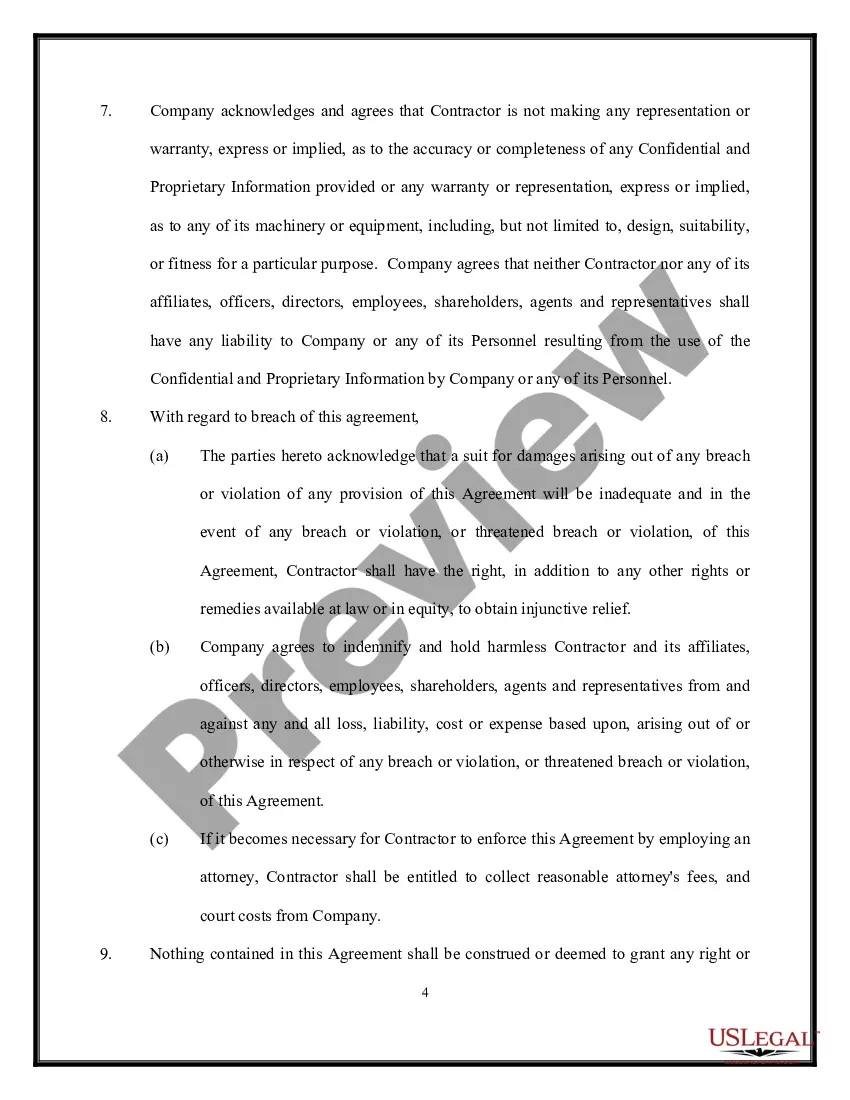
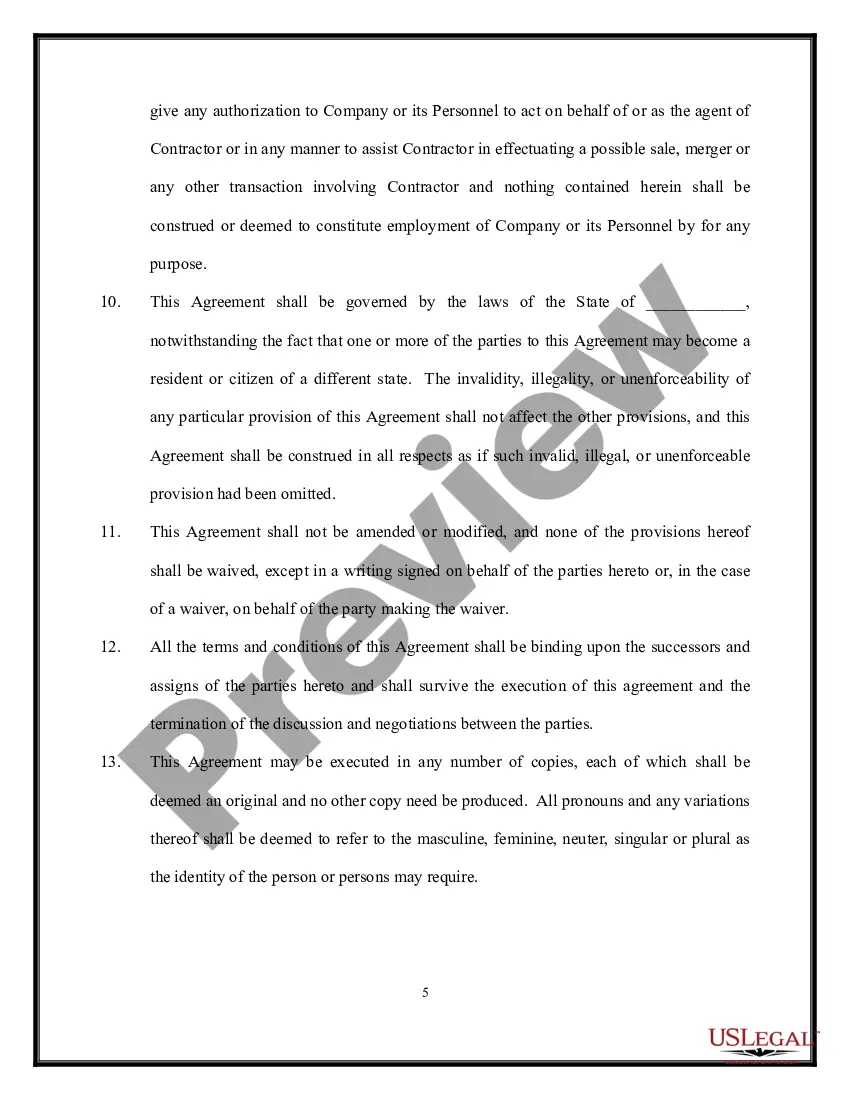
Exceptions to Obligation of Confidentiality. Some common exceptions include information that is or becomes public through no act of the recipient, information that was already in the possession of the recipient as of the date of disclosure, and information that is disclosed by court order.
Both parties must enter into the NDA voluntarily and with a clear understanding of its terms. If there was coercion or deception involved, the agreement may not be valid.
An NDA could be unenforceable if it is too broad, is not for a defined time period, covers information that is not confidential, or asks for illegal conduct.
If a party breaches the NDA without written approval, the other party can seek legal remedies, such as injunctive actions or damages as per Ohio state laws.
If you accidentally reveal important information to someone before they sign an NDA, any NDA they sign to keep that specific information secret is null and void. You can still have them sign NDAs for related information they don't know yet.
Find an early termination clause. Some NDAs have clauses that explain how the NDA can be terminated by either side. Read your NDA to see if there is a clause. For example, it might read, “Either party may terminate this nondisclosure agreement by providing written notice to the other party.
Whereas confidentiality agreements are typically devised in employment or personal situations to protect sensitive information, NDAs are often used in business and legal settings to protect trade secrets, client lists, and financial data.
You do not need a lawyer to create and sign a non-disclosure agreement. However, if the information you are trying to protect is important enough to warrant an NDA, you may want to have the document reviewed by someone with legal expertise.
Typically, a legal professional writing the NDA will complete these steps: Step 1 - Describe the scope. Which information is considered confidential? ... Step 2 - Detail party obligations. Step 3 - Note potential exclusions. Step 4 - Set the term. Step 5 - Spell out consequences.
