Restrictive Covenants In Real Estate In Michigan
Description

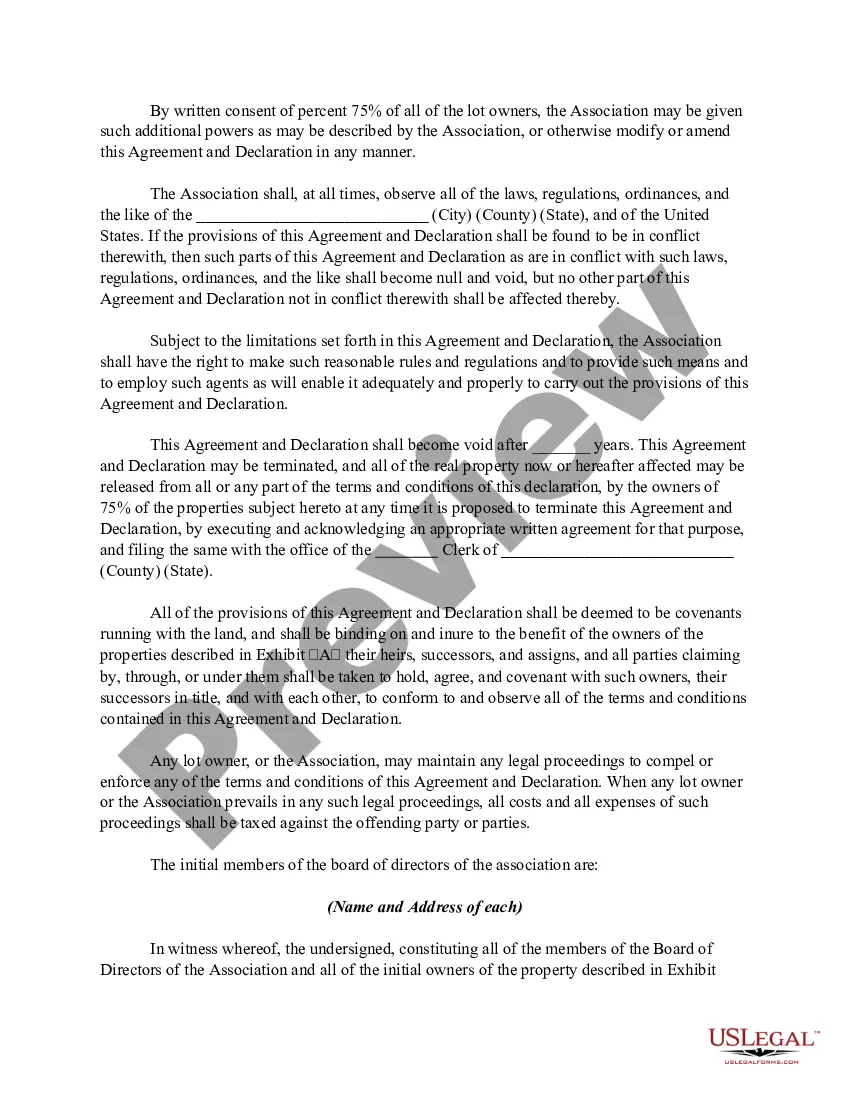
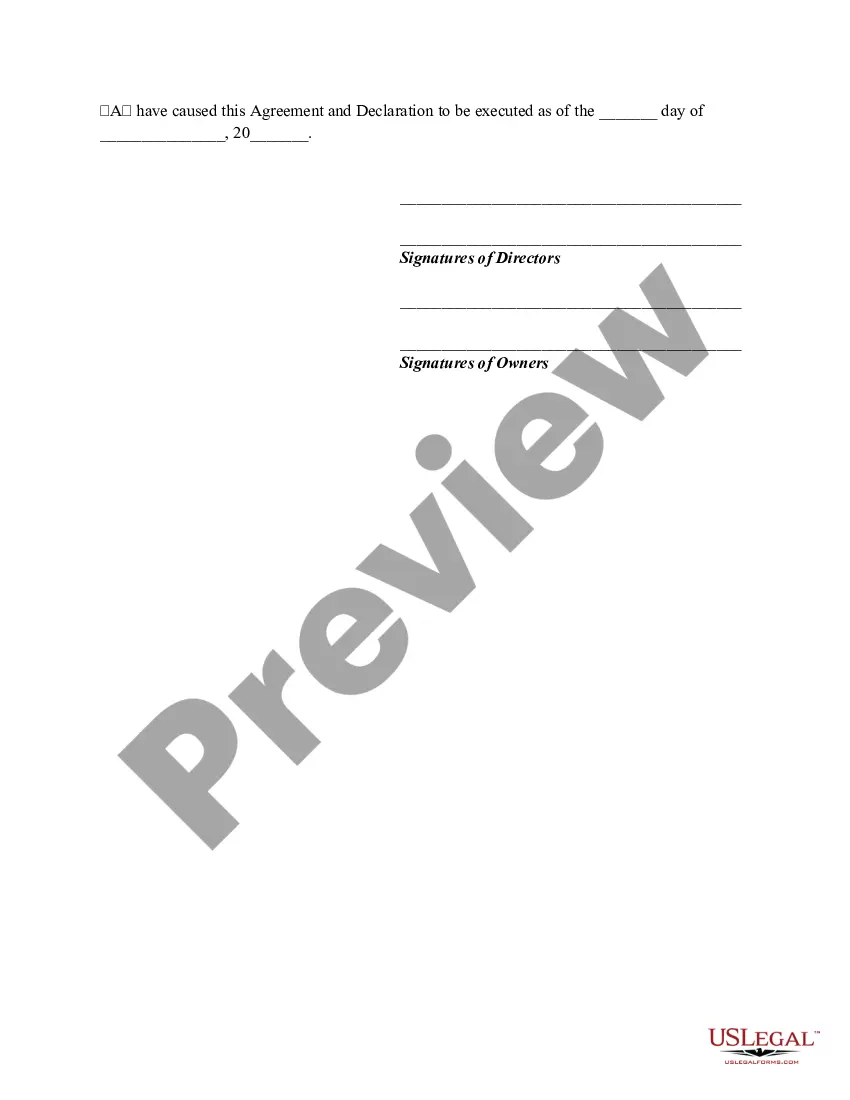
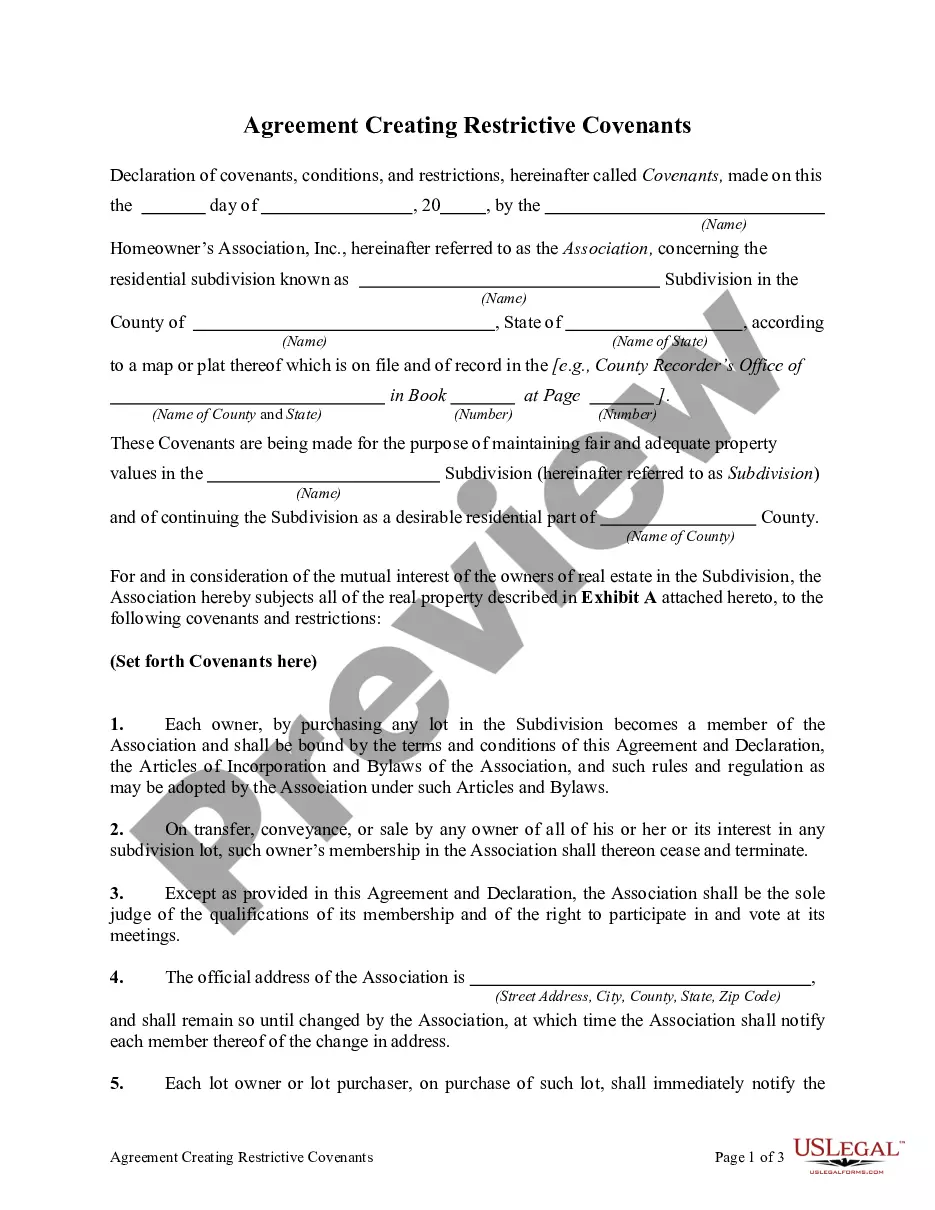
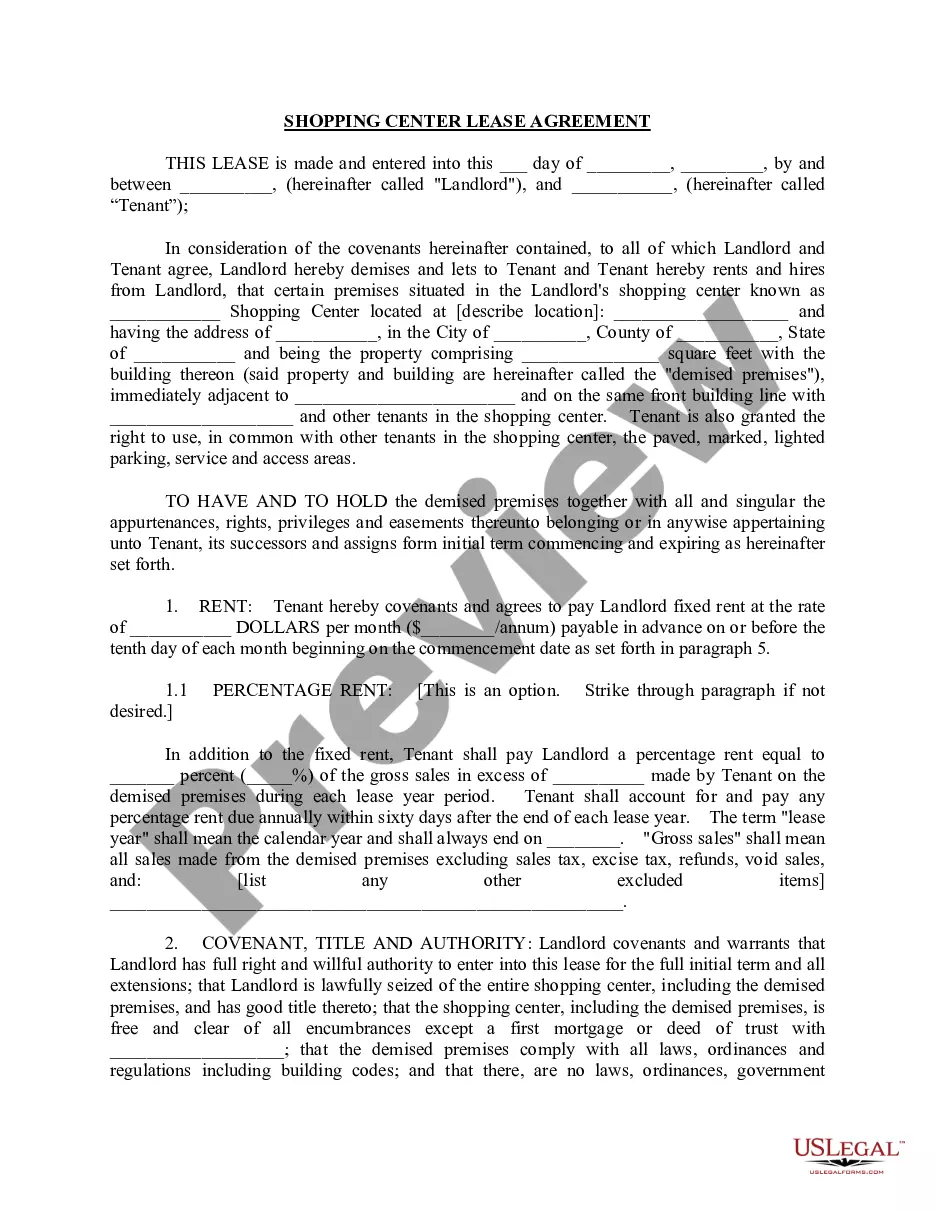
Get your form ready online
Our built-in tools help you complete, sign, share, and store your documents in one place.
Make edits, fill in missing information, and update formatting in US Legal Forms—just like you would in MS Word.
Download a copy, print it, send it by email, or mail it via USPS—whatever works best for your next step.
Sign and collect signatures with our SignNow integration. Send to multiple recipients, set reminders, and more. Go Premium to unlock E-Sign.
If this form requires notarization, complete it online through a secure video call—no need to meet a notary in person or wait for an appointment.
We protect your documents and personal data by following strict security and privacy standards.

Make edits, fill in missing information, and update formatting in US Legal Forms—just like you would in MS Word.

Download a copy, print it, send it by email, or mail it via USPS—whatever works best for your next step.

Sign and collect signatures with our SignNow integration. Send to multiple recipients, set reminders, and more. Go Premium to unlock E-Sign.

If this form requires notarization, complete it online through a secure video call—no need to meet a notary in person or wait for an appointment.

We protect your documents and personal data by following strict security and privacy standards.
Looking for another form?



Form popularity
FAQ
How do I challenge a restrictive covenant? Express release: It may be possible to negotiate the release or variation of a restrictive covenant. Indemnity insurance: It is possible to obtain indemnity insurance to protect against the risk of a person with the benefit of a restrictive covenant seeking to enforce it.
The board of directors of a Michigan homeowners association has a duty to enforce the various regulations contained in the restrictive covenants, declaration or deed restrictions as written, subject to limited exceptions.
To officially end the restrictive covenants, it may be necessary to file a lawsuit seeking a declaration from a court that the covenants are no longer enforceable. This can be a complex legal process that may require the assistance of an attorney.
And in Michigan, such covenants will generally be enforceable, provided that they are reasonable. Restrictive covenants are typically analyzed under the Michigan Antitrust Reform Act (“MARA”).
Some of the most common restrictive covenants include: Alterations and extensions to the building. Changes to the use of a property, for example, converting a building into flats or turning a house into business premises. Rent and lease restrictions. Limitations on pets. Limitations on home colour.
If a deed restriction is not enforceable, you can choose to ignore it and take on the risk of a neighbor filing suit, or you can seek out a judge's ruling to have the covenant removed from the deed. Obtaining that ruling is easier when no one is actively enforcing the covenant.
(1) A property owner may record in the records of the register of deeds for the county where the property is located a discharge form to remove any prohibited restriction. (2) A discharge form recorded under this section may be executed solely by the property owner. History: 2022, Act 234, Imd.
A restrictive covenant is a provision in a real property conveyance that limits the grantee's use of the property.
A restrictive covenant that runs with the land is typically prohibitive in nature, meaning it restricts or limits what a property owner may do with the property. Examples include restrictions such as limitations on building height or prohibition against certain uses (pesticide use, for instance).
