Nondisclosure Agreement For In Ohio
Description

Get your form ready online
Our built-in tools help you complete, sign, share, and store your documents in one place.
Make edits, fill in missing information, and update formatting in US Legal Forms—just like you would in MS Word.
Download a copy, print it, send it by email, or mail it via USPS—whatever works best for your next step.
Sign and collect signatures with our SignNow integration. Send to multiple recipients, set reminders, and more. Go Premium to unlock E-Sign.
If this form requires notarization, complete it online through a secure video call—no need to meet a notary in person or wait for an appointment.
We protect your documents and personal data by following strict security and privacy standards.

Make edits, fill in missing information, and update formatting in US Legal Forms—just like you would in MS Word.

Download a copy, print it, send it by email, or mail it via USPS—whatever works best for your next step.

Sign and collect signatures with our SignNow integration. Send to multiple recipients, set reminders, and more. Go Premium to unlock E-Sign.

If this form requires notarization, complete it online through a secure video call—no need to meet a notary in person or wait for an appointment.

We protect your documents and personal data by following strict security and privacy standards.
Looking for another form?

Form popularity
FAQ
Nearly 20 states have passed laws restricting their use in dealing with sexual misconduct in the workplace, including Arizona, California, Colorado, Hawaii, Illinois, Louisiana, Maine, Maryland, Nevada, New Jersey, New Mexico, New York, Oregon, Tennessee, Utah, Vermont, Virginia, and Washington.
Under Ohio law, noncompetition contracts are generally enforceable if they are reasonable. The question of what's reasonable is a very fact-specific one though. It depends on the particular circumstances of a given situation, and the Ohio Supreme Court has set out a legal test for courts to apply.
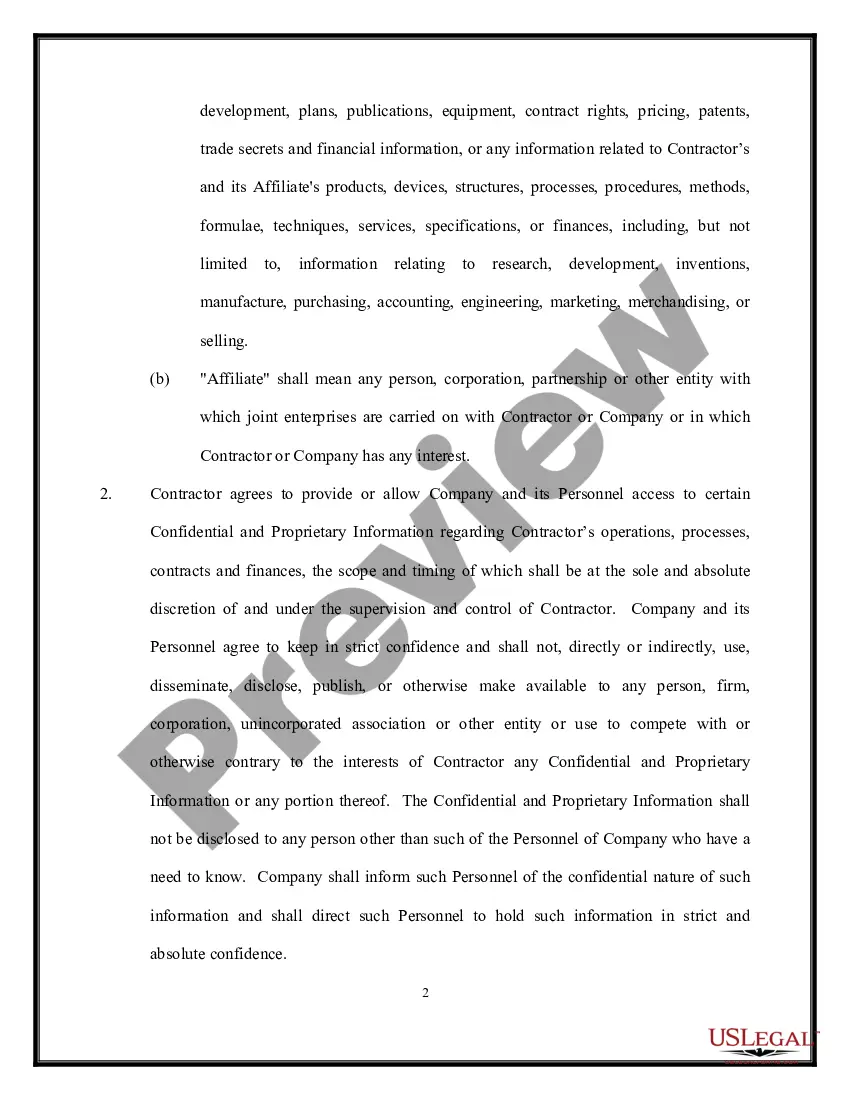
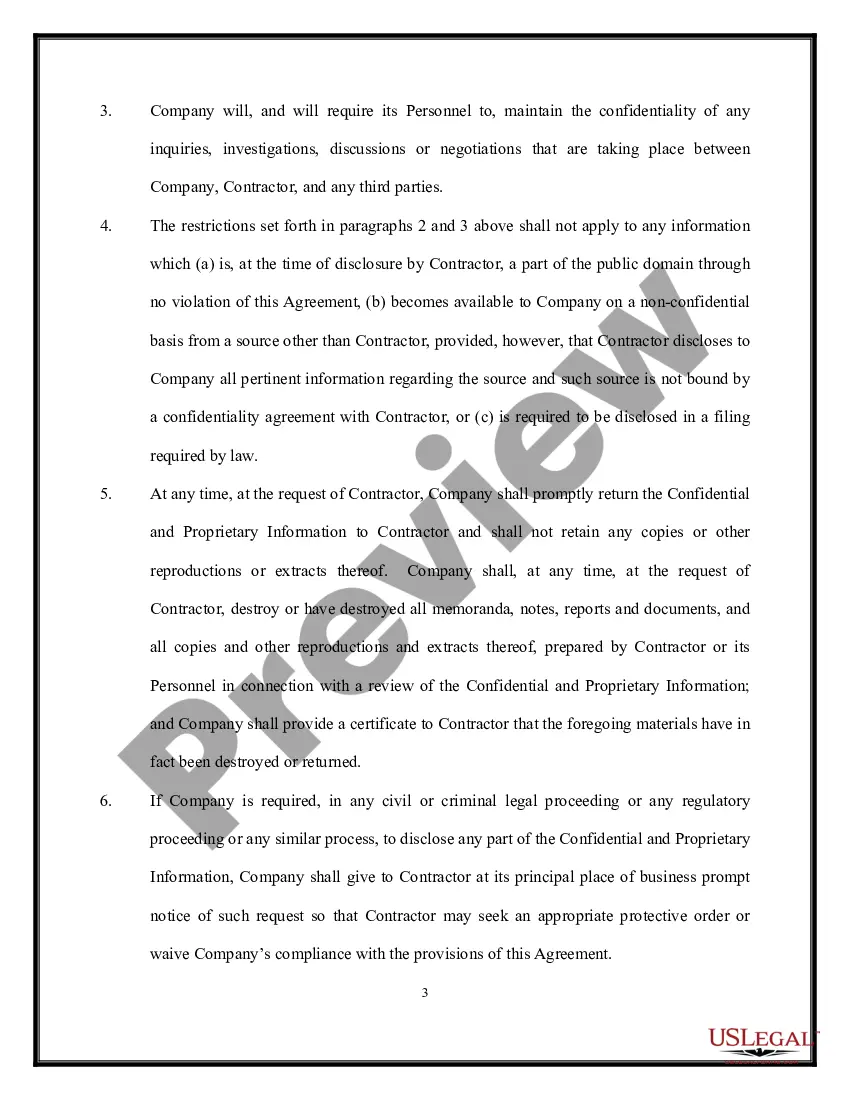
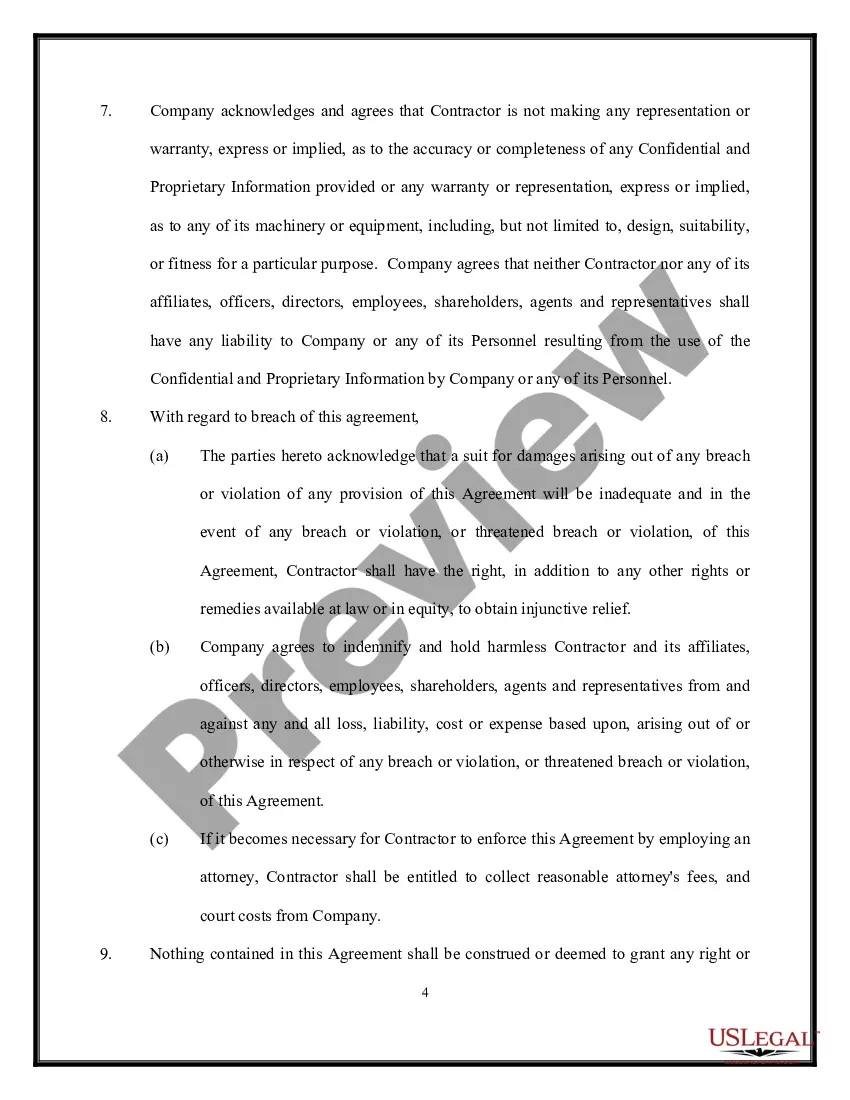
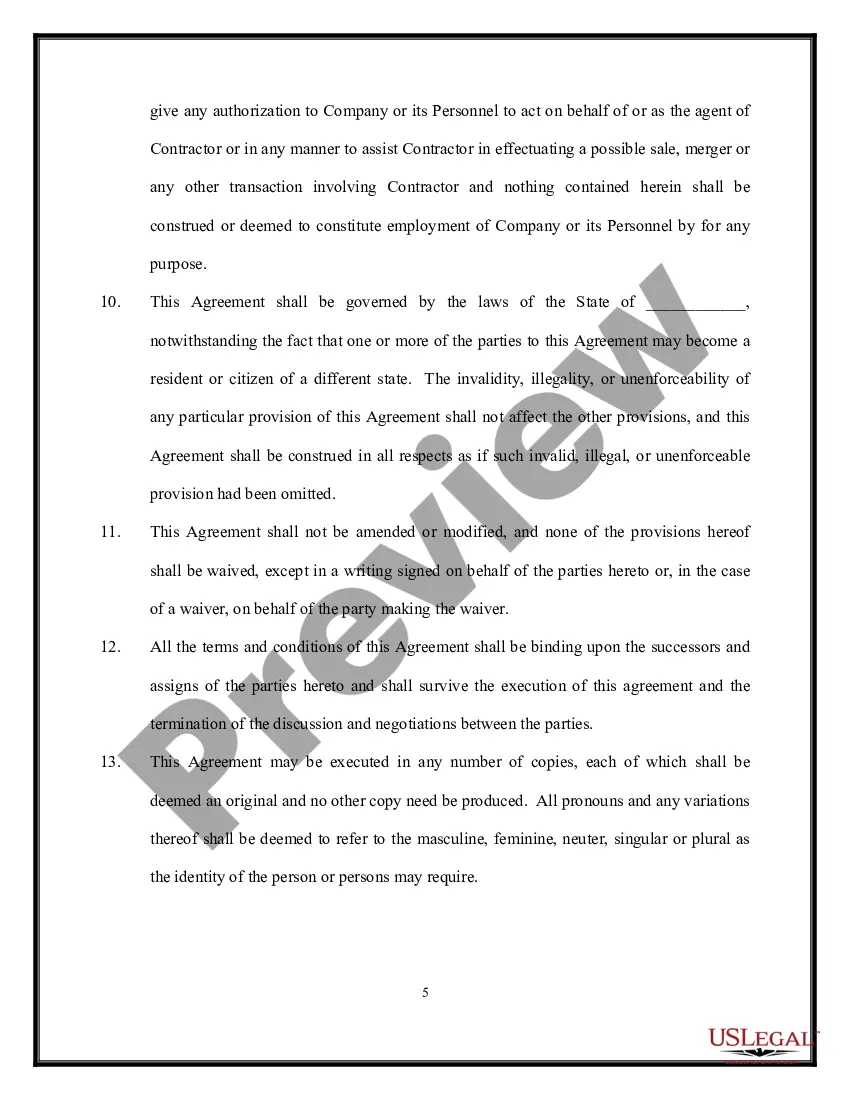
An Ohio non-disclosure agreement (NDA) is a legal contract that safeguards confidential information shared between parties. This confidentiality agreement prevents the receiving party from using the disclosed information without permission, in compliance with Ohio state law.
An NDA could be unenforceable if it is too broad, is not for a defined time period, covers information that is not confidential, or asks for illegal conduct.
Generally, a well-drafted and reasonable NDA is more likely to hold up in court, but each case's outcome is influenced by factors such as the legal system, the evidence presented, and any unique details.
Enforceable non-disclosure agreements need to be supported by a legitimate business interest. This is typically the protection of trade secrets, confidential information, or proprietary information.
States marked by have no laws governing NDAs in the workplace Alabama Alaska Arizona. Arkansas California. Colorado ... Indiana Iowa Kansas Kentucky Louisiana Maine. Nebraska Nevada. New Hampshire New Jersey. New Mexico. New York. Rhode Island South Carolina South Dakota Tennessee. Texas Utah
While California imposes strict limitations on NDAs, they are still enforceable in specific scenarios. You can use NDAs to protect: Trade secrets, such as recipes, algorithms, or manufacturing processes. Customer and supplier information.
An NDA requires the recipient to take reasonable measures to keep the information confidential and prohibits each recipient from disclosing it to any unauthorized party. This way, your information is only used by those who you want to use it, and then only for the purposes you want it used for.
