Non Disclosure Agreement With Vendor In Ohio
Description

Get your form ready online
Our built-in tools help you complete, sign, share, and store your documents in one place.
Make edits, fill in missing information, and update formatting in US Legal Forms—just like you would in MS Word.
Download a copy, print it, send it by email, or mail it via USPS—whatever works best for your next step.
Sign and collect signatures with our SignNow integration. Send to multiple recipients, set reminders, and more. Go Premium to unlock E-Sign.
If this form requires notarization, complete it online through a secure video call—no need to meet a notary in person or wait for an appointment.
We protect your documents and personal data by following strict security and privacy standards.

Make edits, fill in missing information, and update formatting in US Legal Forms—just like you would in MS Word.

Download a copy, print it, send it by email, or mail it via USPS—whatever works best for your next step.

Sign and collect signatures with our SignNow integration. Send to multiple recipients, set reminders, and more. Go Premium to unlock E-Sign.

If this form requires notarization, complete it online through a secure video call—no need to meet a notary in person or wait for an appointment.

We protect your documents and personal data by following strict security and privacy standards.
Looking for another form?






Form popularity
FAQ
The Purpose of a Non-Disclosure Agreement An NDA creates the legal framework to protect ideas and information from being stolen or shared with competitors or third parties. Breaking an NDA agreement triggers a host of legal ramifications, including lawsuits, financial penalties, and even criminal charges.
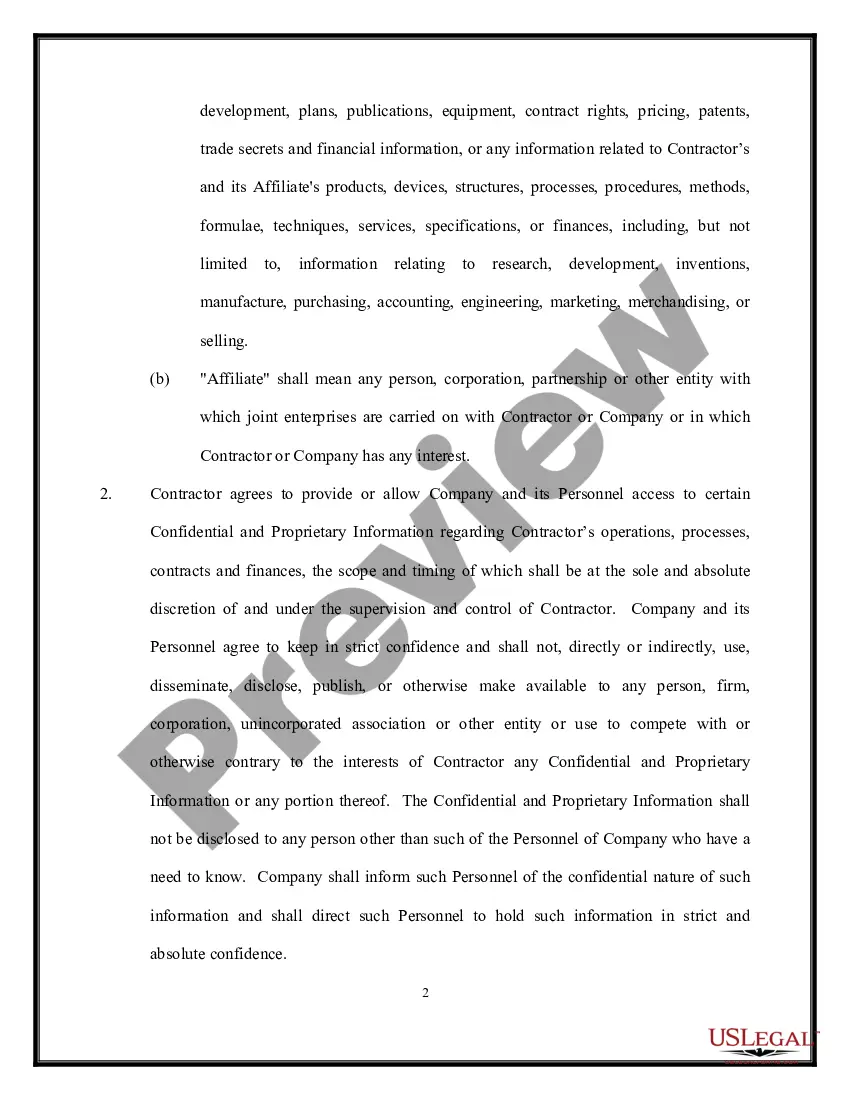
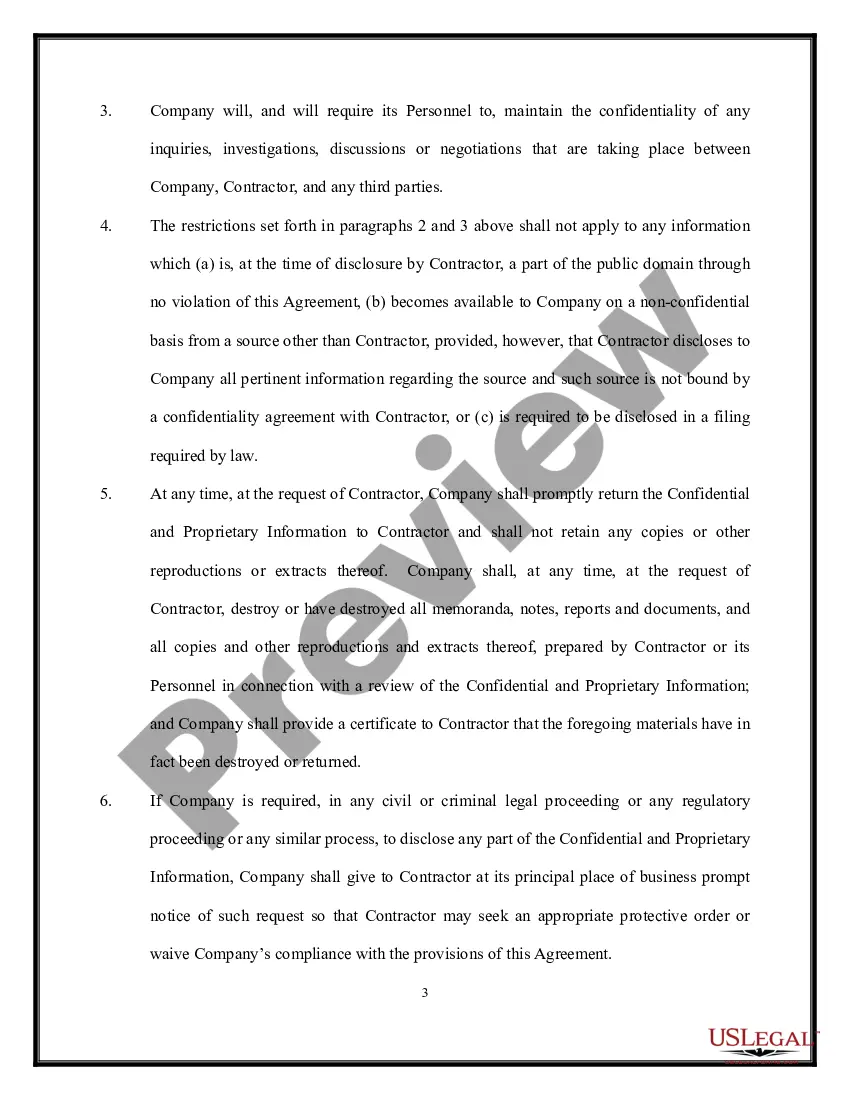
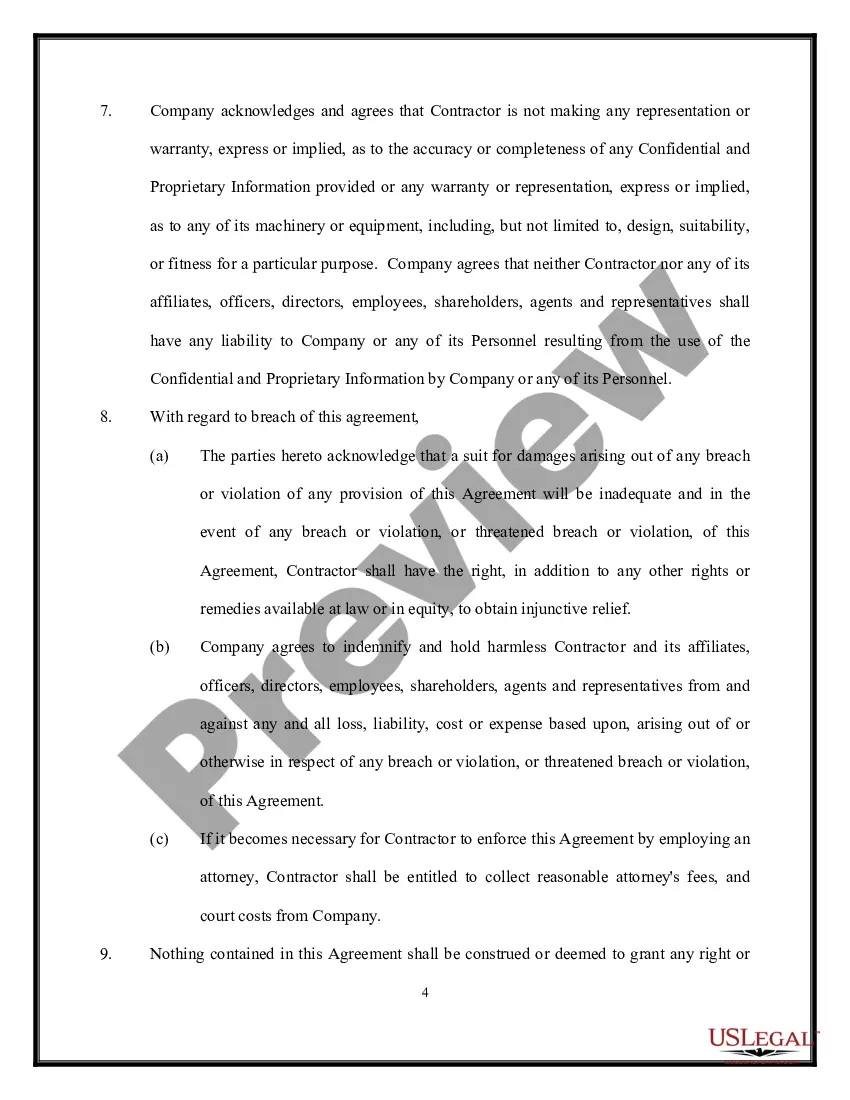
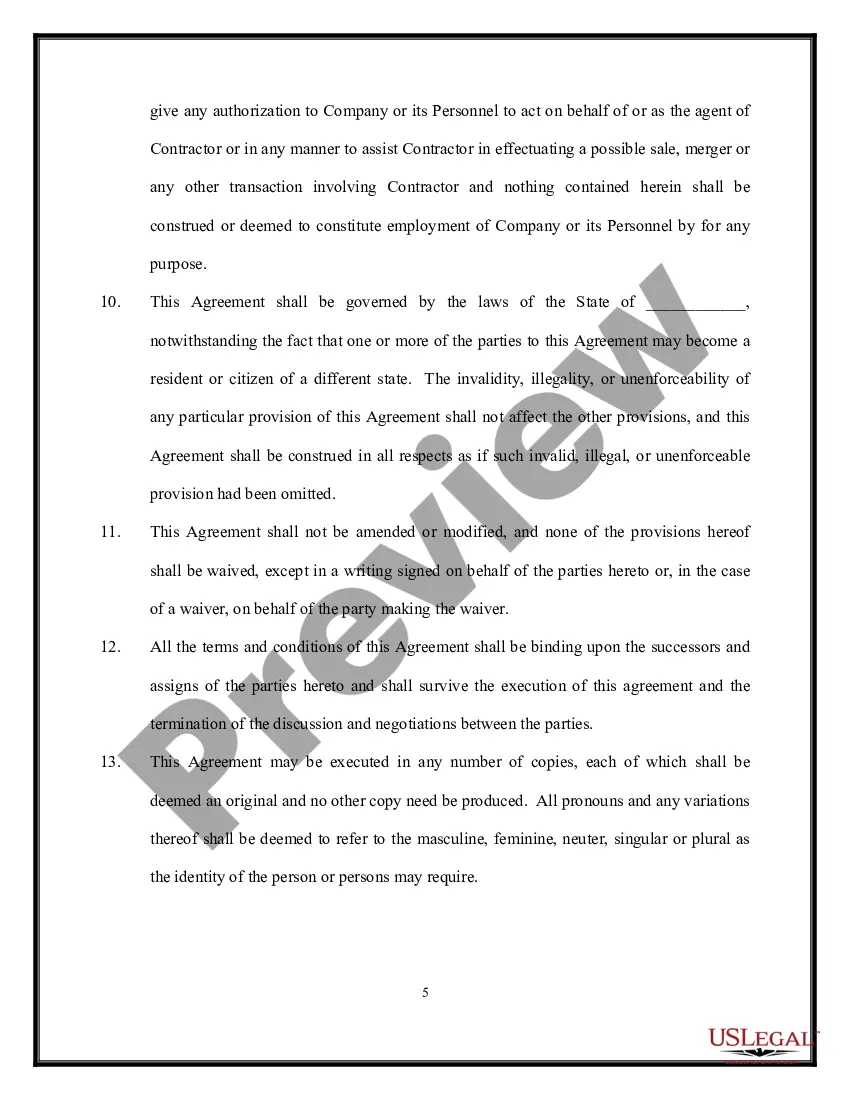
way confidentiality agreement (also known as a nondisclosure agreement or NDA) for use where a company is releasing confidential information to an individual for general commercial purposes, drafted from the discloser's perspective.
disclosure agreement (NDA) is a legally binding contract that establishes a confidential relationship between two parties: one that holds sensitive information and the other that will receive that sensitive information. The latter agrees that the information they receive won't be made available to others.
An NDA limits how information is used, for what purposes, and with what consequences. If the party that signs the NDA uses your secret information without your authorization, you could file a court order to prevent them from making further disclosures. Another option would be to sue the violator for damages.
There are three types of NDAs: unilateral, bilateral, and multilateral. Read on to learn when you should use each type. You'll also learn how to use a contract management tool like Ironclad to draft and manage them.
In a mutual NDA, by contrast, both parties agree not to reveal each other's confidential information. While the unilateral NDA is a one-way street, an MNDA creates a confidential relationship where information is protected by both parties.
NDAs are enforceable when they are signed — if they are properly drafted and executed. NDAs are enforceable once signed, provided they have been drafted and executed properly. Unilateral NDAs need only the signature of the receiving party, whereas mutual non-disclosure agreements need the signatures of both parties.
Explain the Context: Start by explaining why you need the NDA. Be clear about the sensitive information involved and why it's important to keep it confidential. Be Honest and Transparent: Share your reasons for needing an NDA. Emphasize that it's not about distrust but about protecting both parties' interests.
Indeed, the potential client may well get you to sign an NDA yourself, to protect any business secrets they indulge during your pitch. So by presenting them with an NDA of your own, and making a strong case for them to sign it, you're actually conveying your seriousness and raising your authority overall.
If a phone call does not resolve remaining issues, the NDA will likely take more than 30 days, and up to several months, to complete. During negotiations, PIs are notified if questions or issues arise. Once the NDA is final, the document is routed for signatures.
