Disclosure Vs Confidentiality In Michigan
Description

Get your form ready online
Our built-in tools help you complete, sign, share, and store your documents in one place.
Make edits, fill in missing information, and update formatting in US Legal Forms—just like you would in MS Word.
Download a copy, print it, send it by email, or mail it via USPS—whatever works best for your next step.
Sign and collect signatures with our SignNow integration. Send to multiple recipients, set reminders, and more. Go Premium to unlock E-Sign.
If this form requires notarization, complete it online through a secure video call—no need to meet a notary in person or wait for an appointment.
We protect your documents and personal data by following strict security and privacy standards.

Make edits, fill in missing information, and update formatting in US Legal Forms—just like you would in MS Word.

Download a copy, print it, send it by email, or mail it via USPS—whatever works best for your next step.

Sign and collect signatures with our SignNow integration. Send to multiple recipients, set reminders, and more. Go Premium to unlock E-Sign.

If this form requires notarization, complete it online through a secure video call—no need to meet a notary in person or wait for an appointment.

We protect your documents and personal data by following strict security and privacy standards.
Looking for another form?









Form popularity
FAQ
The California Address Confidentiality Program known as the Safe at Home program, is designed to offer those in fear for their safety a way to keep their address confidential, out of public records, and out of the hands of anyone who has harmed or wants to harm them.
The Address Confidentiality Program is designed to assist victims of violent crimes and individuals facing threats or physical harm by safeguarding their addresses. Participants in the program receive a newly designated address when they relocate, providing a secure alternative to their actual physical address.
When you sign up for ACP, your first-class mail is sent to a secure substitute address and then forwarded to your new home. Your substitute address is also used for state and local government services, such as driver's license, vehicle, voter, and school registrations and legal process.
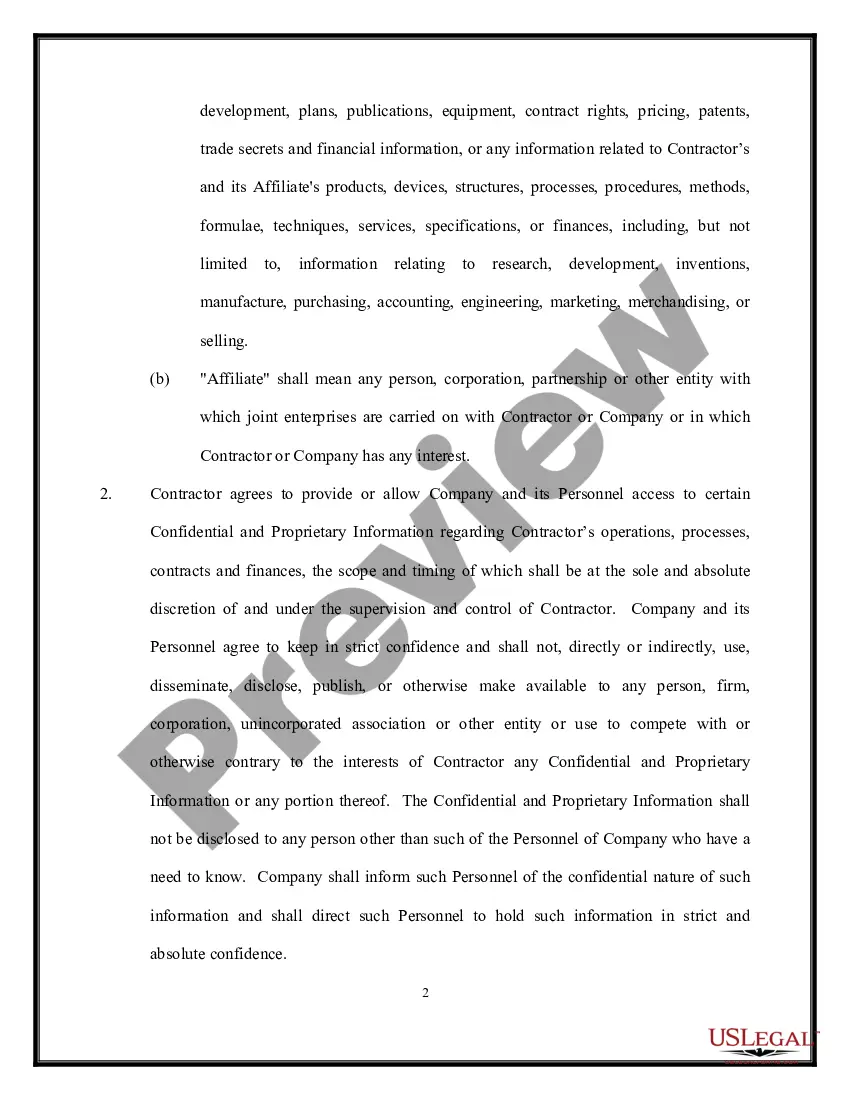
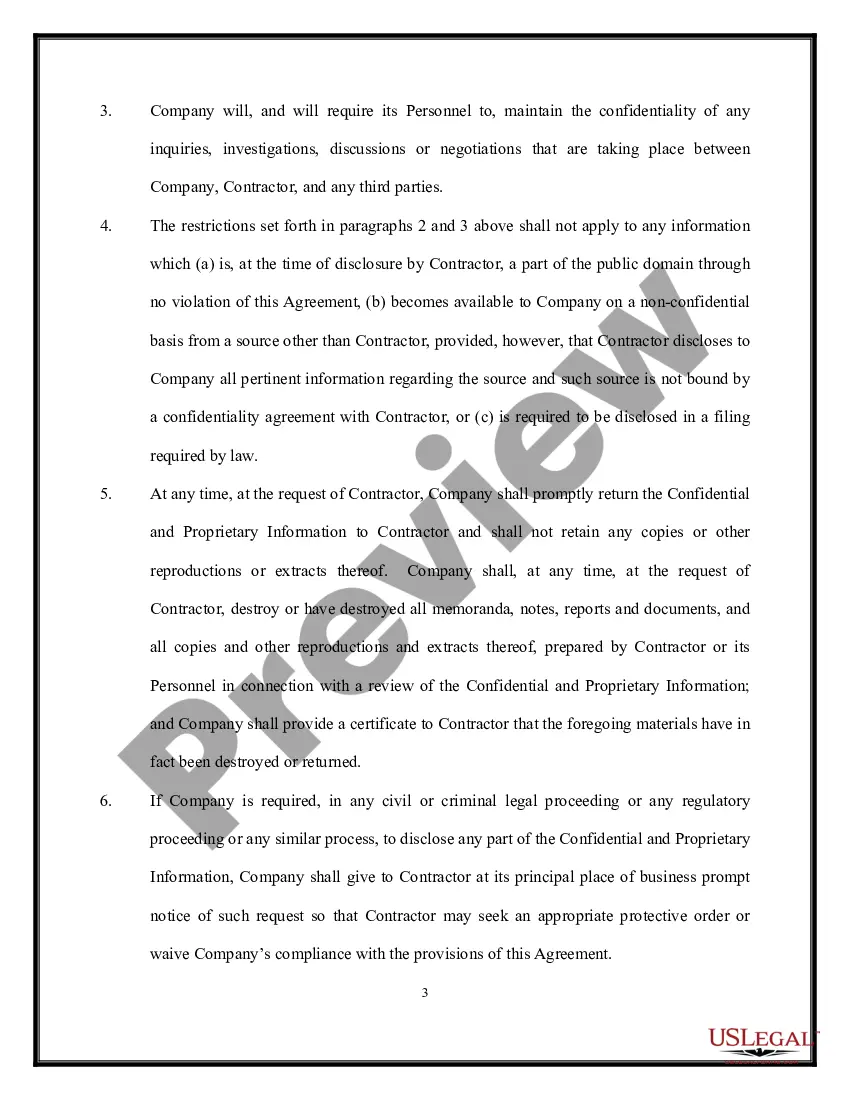
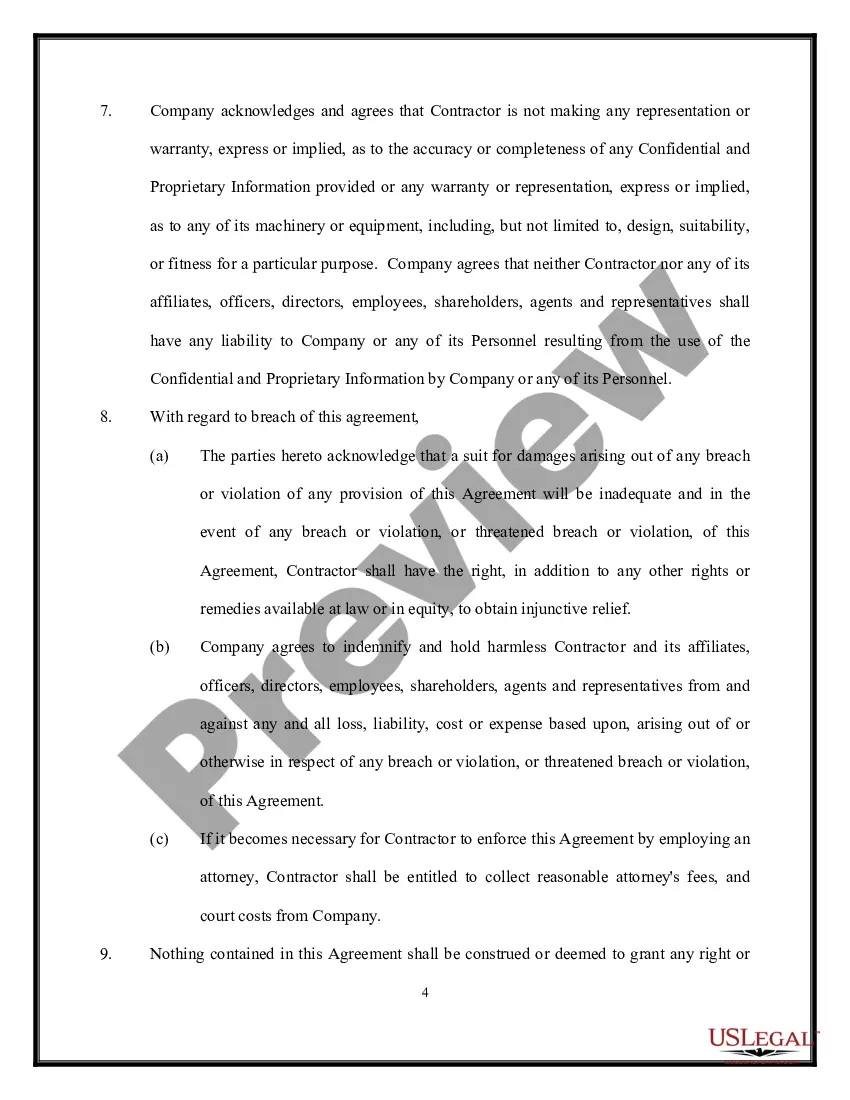
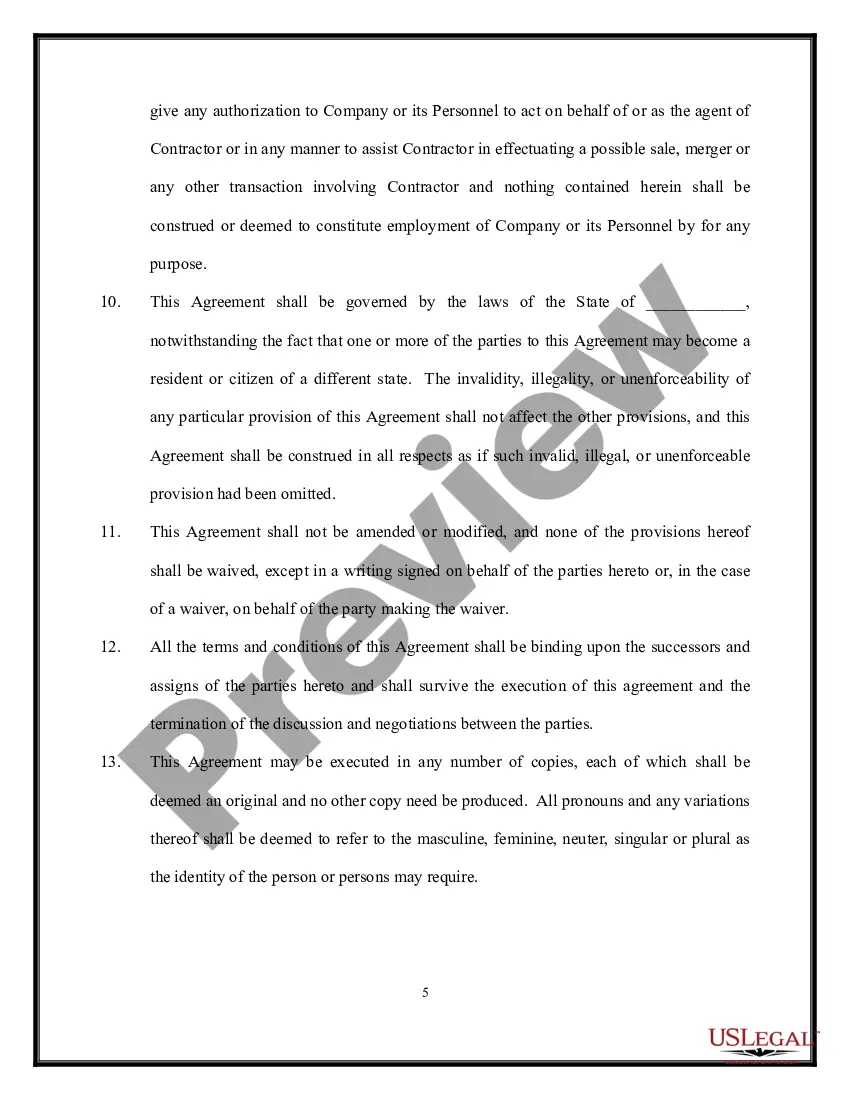
Information is 'confidential' if there is a restriction on its disclosure, normally placed by the person or organisation that provides it.
Michigan law requires that therapists disclose information regarding present child abuse or neglect. Such disclosure would not happen without your knowledge. In certain legal proceedings, confidential information may be disclosed by court order. This is a rare occurrence and would not happen without your knowledge.
Non-Disclosure Agreement is used when the obligation is one-way (or unilateral). However, if there is a two-way (or multi-lateral) exchange of secret or commercially sensitive information, the agreement is more likely to be titled a Confidentiality Agreement.
In Michigan, a cause of action for public disclosure of private facts requires the disclosure of (1) private information that is not already a matter of public record or otherwise open to the public eye; (2) that is of no legitimate concern to the public; and (3) the publication of which would be highly offensive to a ...
NDAs generally will only be enforced if the enforcing party can show: (1) the existence of a trade secret or other confidential information; (2) that the trade secret or confidential information was acquired improperly or as a result of a confidential relationship; and (3) that there was actual or threatened ...
What is a nondisclosure agreement? Whereas confidentiality agreements are typically devised in employment or personal situations to protect sensitive information, NDAs are often used in business and legal settings to protect trade secrets, client lists, and financial data.
