Nondisclosure Confidentiality Contract With Insurance Company In King
Description

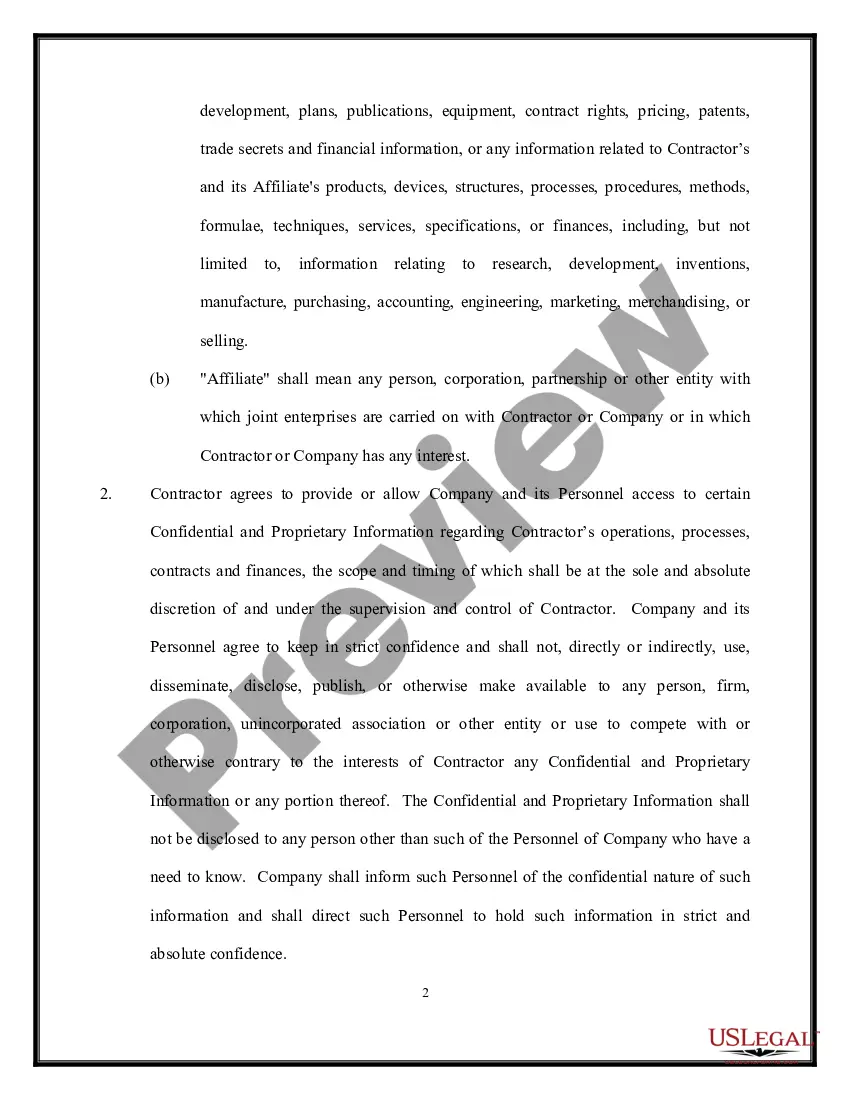
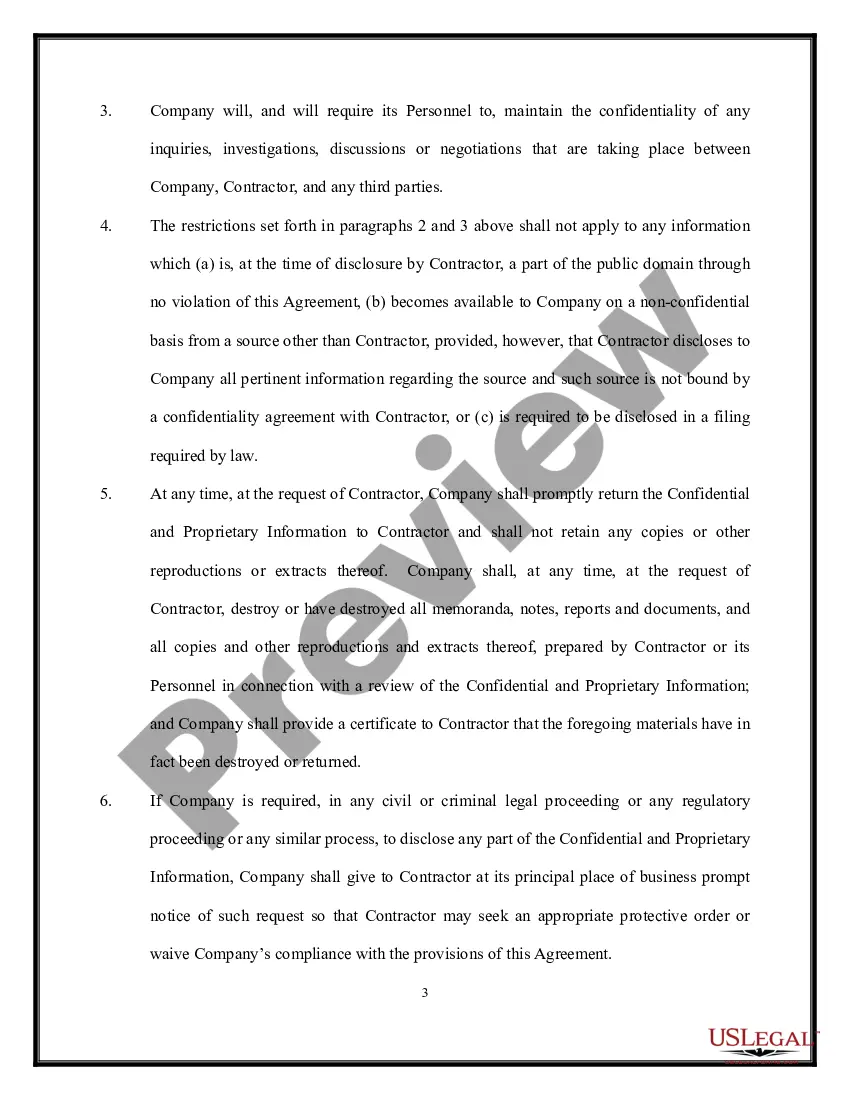
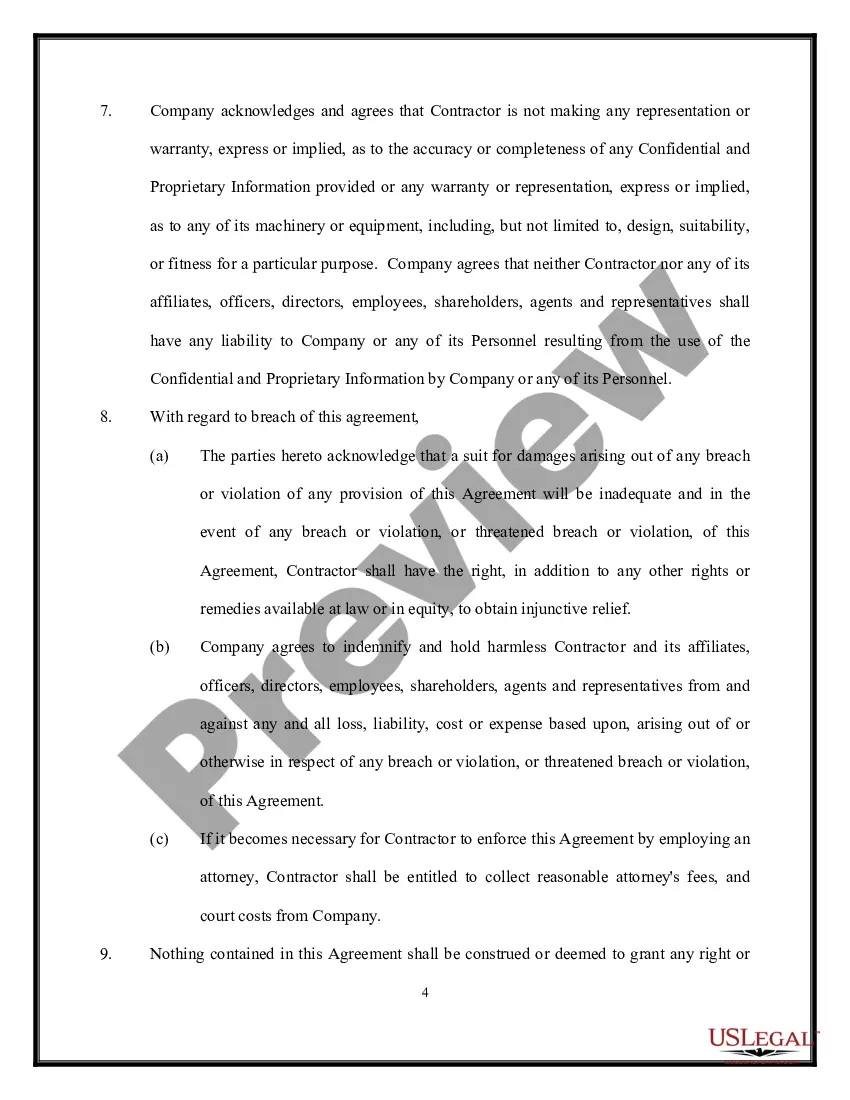
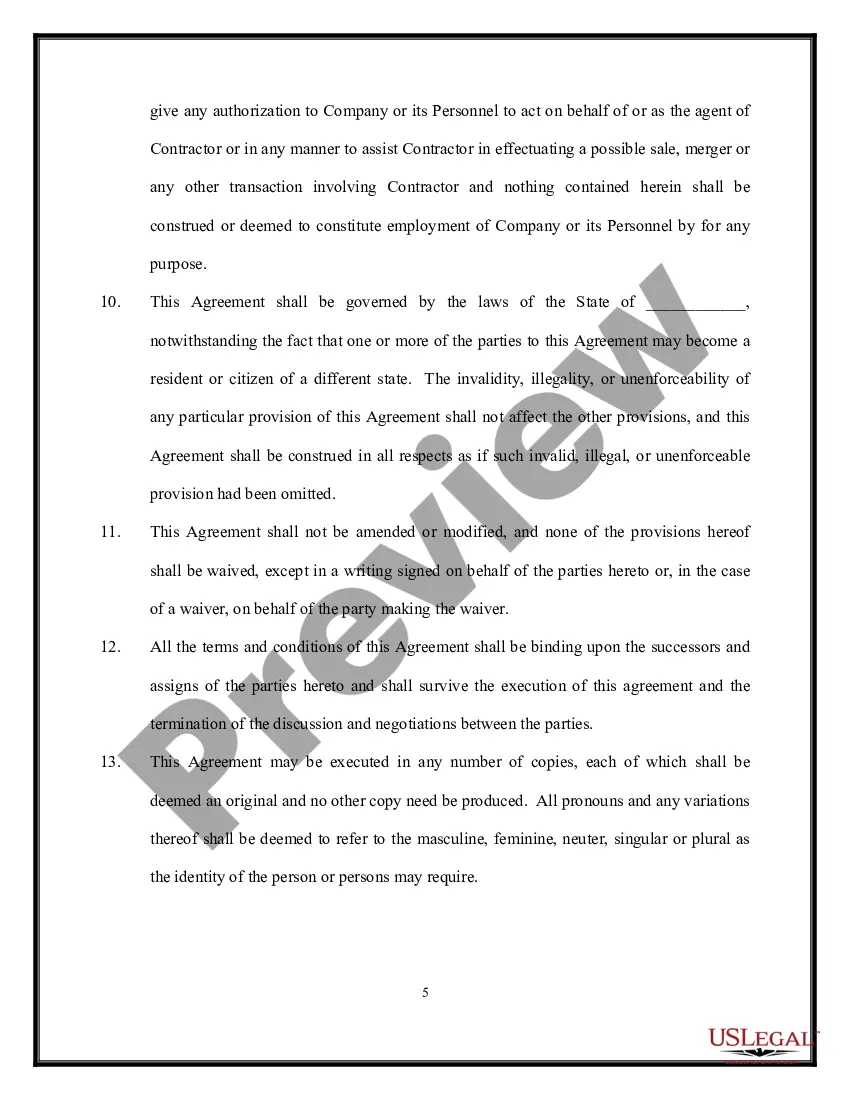
Get your form ready online
Our built-in tools help you complete, sign, share, and store your documents in one place.
Make edits, fill in missing information, and update formatting in US Legal Forms—just like you would in MS Word.
Download a copy, print it, send it by email, or mail it via USPS—whatever works best for your next step.
Sign and collect signatures with our SignNow integration. Send to multiple recipients, set reminders, and more. Go Premium to unlock E-Sign.
If this form requires notarization, complete it online through a secure video call—no need to meet a notary in person or wait for an appointment.
We protect your documents and personal data by following strict security and privacy standards.

Make edits, fill in missing information, and update formatting in US Legal Forms—just like you would in MS Word.

Download a copy, print it, send it by email, or mail it via USPS—whatever works best for your next step.

Sign and collect signatures with our SignNow integration. Send to multiple recipients, set reminders, and more. Go Premium to unlock E-Sign.

If this form requires notarization, complete it online through a secure video call—no need to meet a notary in person or wait for an appointment.

We protect your documents and personal data by following strict security and privacy standards.
Looking for another form?



Form popularity
FAQ
Insurers need your formal consent to request a medical report. This is usually obtained during the application process for a policy.
The Insurer's Responsibility While the insured has the duty to disclose, the insurer too has obligations. Rooted in general principles of contract law, such as fair dealing and prevention of unethical conduct, insurers must provide all relevant information to the prospective policyholder.
In the Insurance Contracts Act 1984 (the “ICA”). Non–disclosure is failing to tell the insurer information the insured knows that they are legally obliged to disclose in connection with an application for cover. Misrepresentation is actually telling the insurer something that is in fact false.
Non-disclosure arises when an applicant for an insurance policy fails to disclose on the application form material facts within his/her actual or presumed knowledge. Clearly, the information given by an applicant in the application form can have a great impact on the insurer's underwriting assessment.
The Prudential Regulatory Authority (PRA), which is part of the Bank of England, promotes the safety and soundness of insurers, and the protection of policyholders. The Financial Conduct Authority (FCA) regulates how these firms behave, as well as more broadly the integrity of the UK's financial markets.
Yes, there are databases and management systems for insurance policies. These records are used by insurance companies to store and manage policyholder information, policy details, claims data, and more.
The Claims and Underwriting Exchange (CUE) enables insurers to share information and help combat insurance fraud.
All NDAs should include these specific elements: Identification of Parties: Also known as “parties to the agreement”, the purpose of this section is to identify the people and/or entities involved in the non-disclosure contract. It explains who the disclosing party and recipient of are, using names and addresses.
I hereby undertake to treat as confidential all and any information that I receive while participating in the work of evaluating project proposals, to use this information solely for the purpose of evaluation of the proposals, not to disclose it to any third party and not to make it publicly available or accessible ...
Completing the Confidentiality Agreement The "Receiving Party" is the person or company who receives the confidential information and is obligated to keep it secret. You'll need to fill in information specific to your circumstances in the spaces provided, such as the parties' names and addresses.
