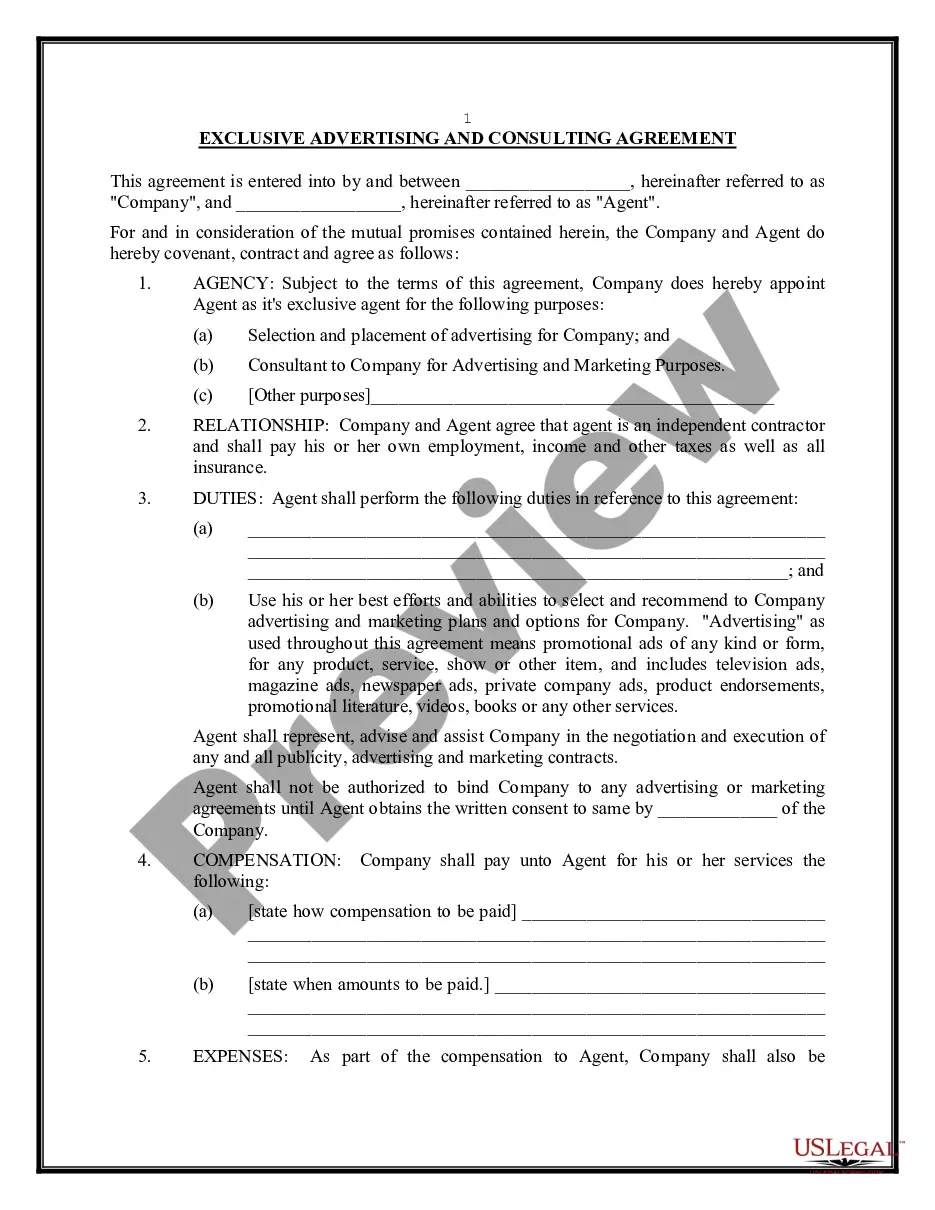
Confidentiality Agreement Format With Vendor In Georgia
Description

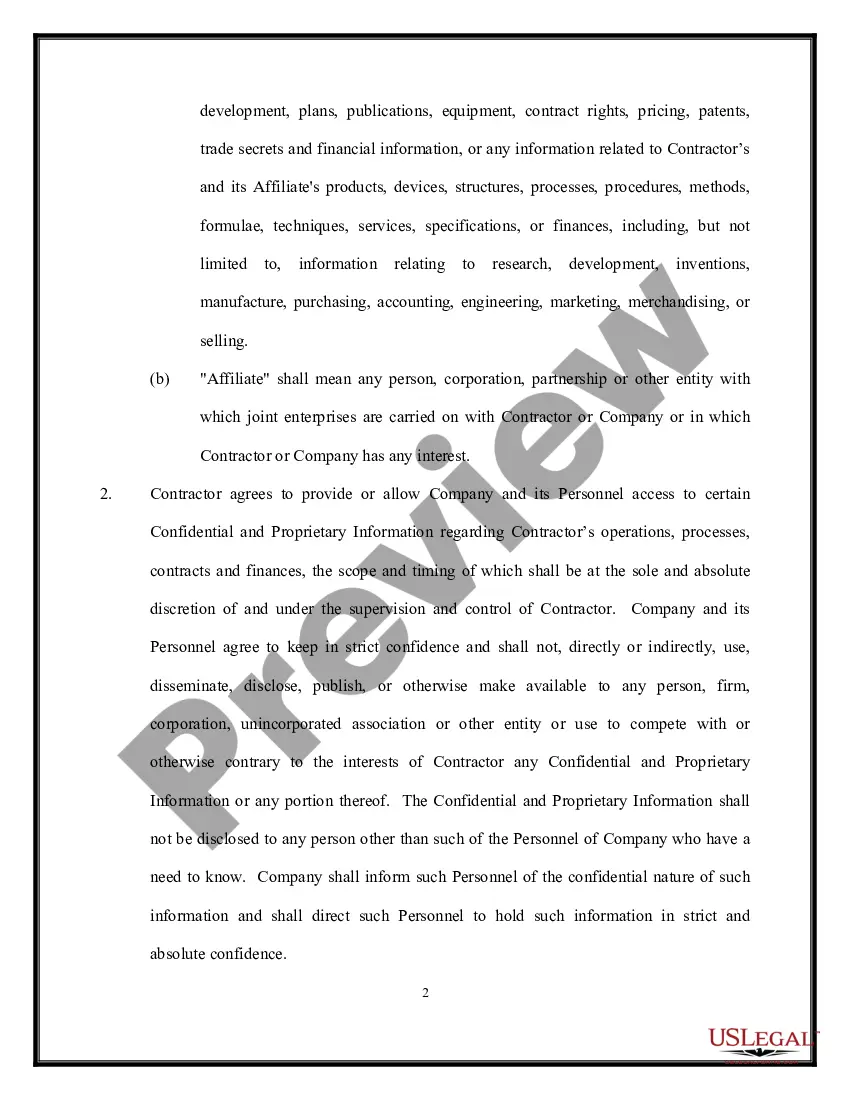
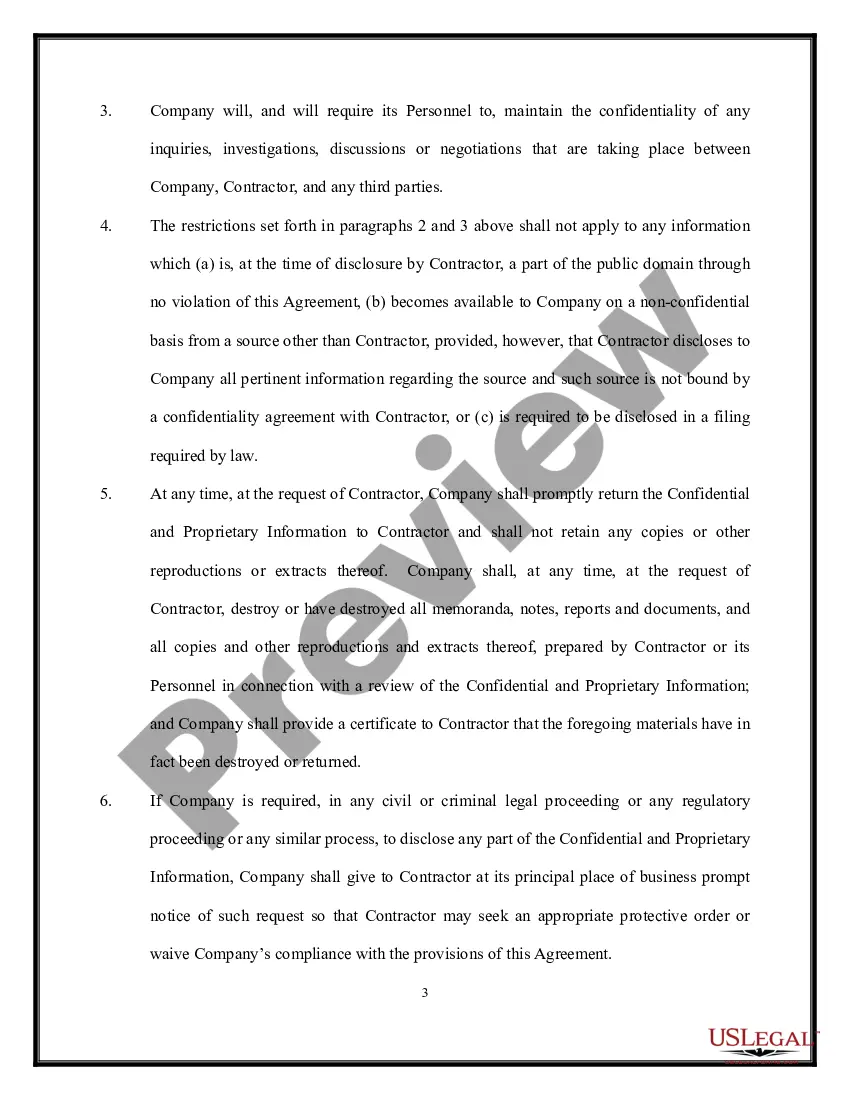
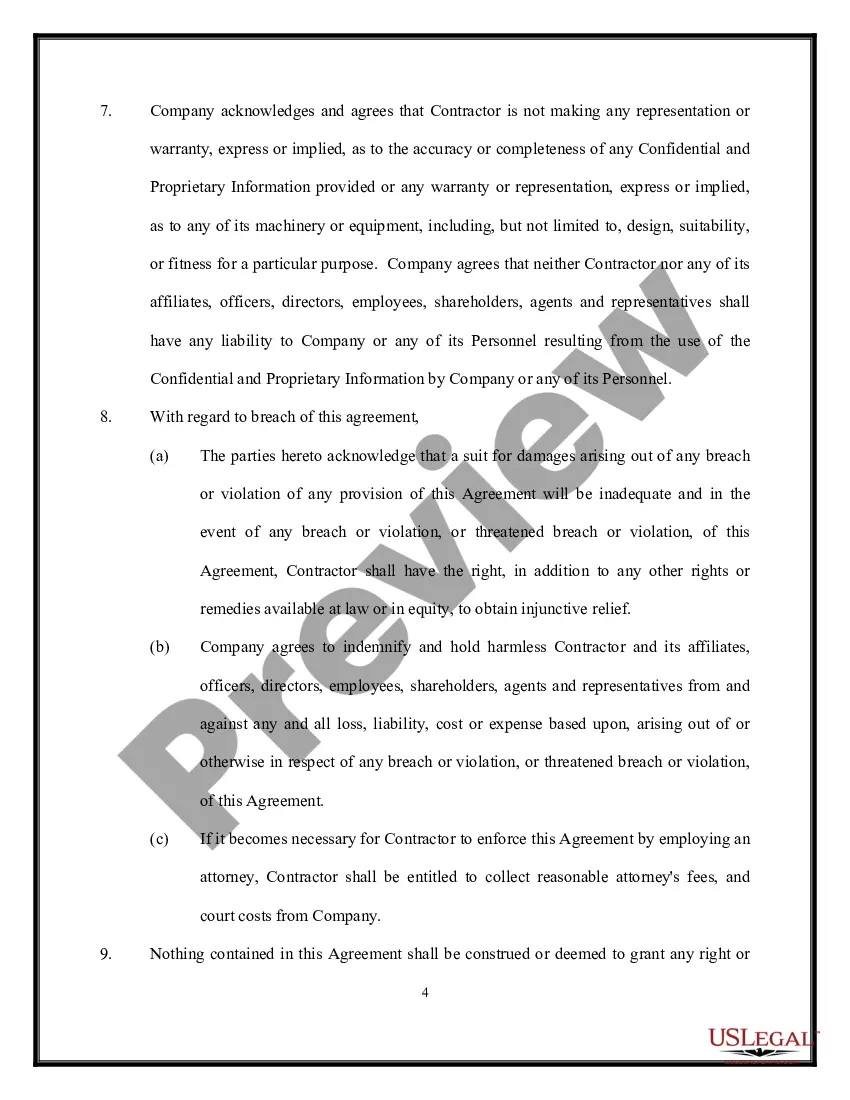
Get your form ready online
Our built-in tools help you complete, sign, share, and store your documents in one place.
Make edits, fill in missing information, and update formatting in US Legal Forms—just like you would in MS Word.
Download a copy, print it, send it by email, or mail it via USPS—whatever works best for your next step.
Sign and collect signatures with our SignNow integration. Send to multiple recipients, set reminders, and more. Go Premium to unlock E-Sign.
If this form requires notarization, complete it online through a secure video call—no need to meet a notary in person or wait for an appointment.
We protect your documents and personal data by following strict security and privacy standards.

Make edits, fill in missing information, and update formatting in US Legal Forms—just like you would in MS Word.

Download a copy, print it, send it by email, or mail it via USPS—whatever works best for your next step.

Sign and collect signatures with our SignNow integration. Send to multiple recipients, set reminders, and more. Go Premium to unlock E-Sign.

If this form requires notarization, complete it online through a secure video call—no need to meet a notary in person or wait for an appointment.

We protect your documents and personal data by following strict security and privacy standards.
Looking for another form?






Form popularity
FAQ
A confidentiality agreement is intended to protect the trade secrets and other confidential information between two or more parties, such as you and your vendor.
I agree that: a) I shall not share this information, material or documents (information) with persons within or outside of the ________ who are not authorized to have this information. b) I shall not publish such information. c) I shall not communicate such information without authority.
A confidentiality agreement should include the names and addresses of the parties to the contract. Consider also including: Reason for the agreement: Explain why you're sharing this information. The information disclosed: Be specific about the subject matter and what exactly is included in the agreement.
A confidentiality agreement should include the names and addresses of the parties to the contract. Consider also including: Reason for the agreement: Explain why you're sharing this information. The information disclosed: Be specific about the subject matter and what exactly is included in the agreement.
I will not, during or after the term of my employment, disclose such information or any part thereof to any person, firm, corporation, association, or other entity for any reason or purpose whatsoever.
To enforce an NDA, you typically have to file legal action against the person for breach of contract if you believe they disclosed information they shouldn't have. Employers can also ensure that breaching an NDA is a fireable offense in their employment contracts and handbooks.
What are examples of Confidential Information? Examples of confidential information include a person's phone number and address, medical records, and social security. Companies also have confidential information such as financial records, trade secrets, customer information, and marketing strategies.
A confidentiality agreement—also called a "nondisclosure agreement" or "NDA"—is a legally binding contract where a person or business promises to treat specific information as a trade secret and promises not to disclose the secret to others without proper authorization.
A confidentiality agreement should include the names and addresses of the parties to the contract. Consider also including: Reason for the agreement: Explain why you're sharing this information. The information disclosed: Be specific about the subject matter and what exactly is included in the agreement.
(1) "Confidential or privileged" means the protection afforded by law from unauthorized disclosure, whether the protection is afforded by law as developed and applied by the courts, by statute or lawful regulations, or by the requirements of the Constitutions of the State of Georgia or the United States.