Confidentiality Form For Counseling In Florida
Description

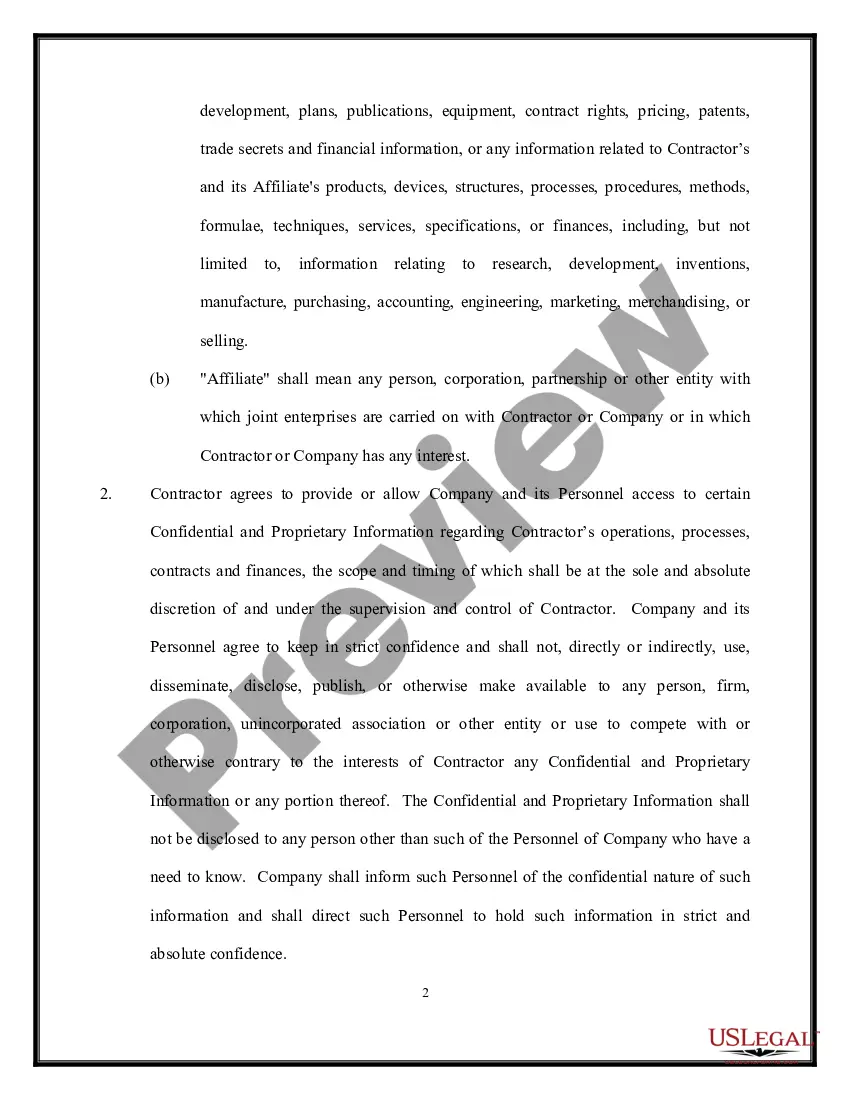
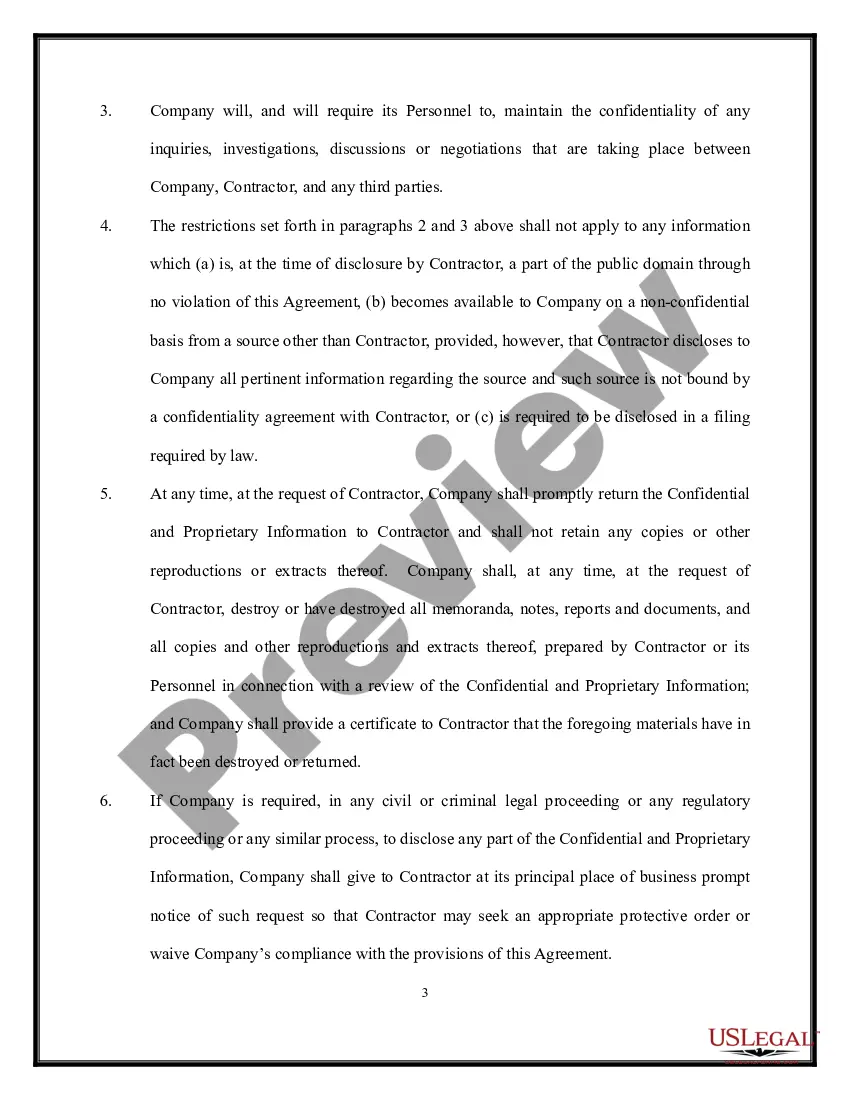
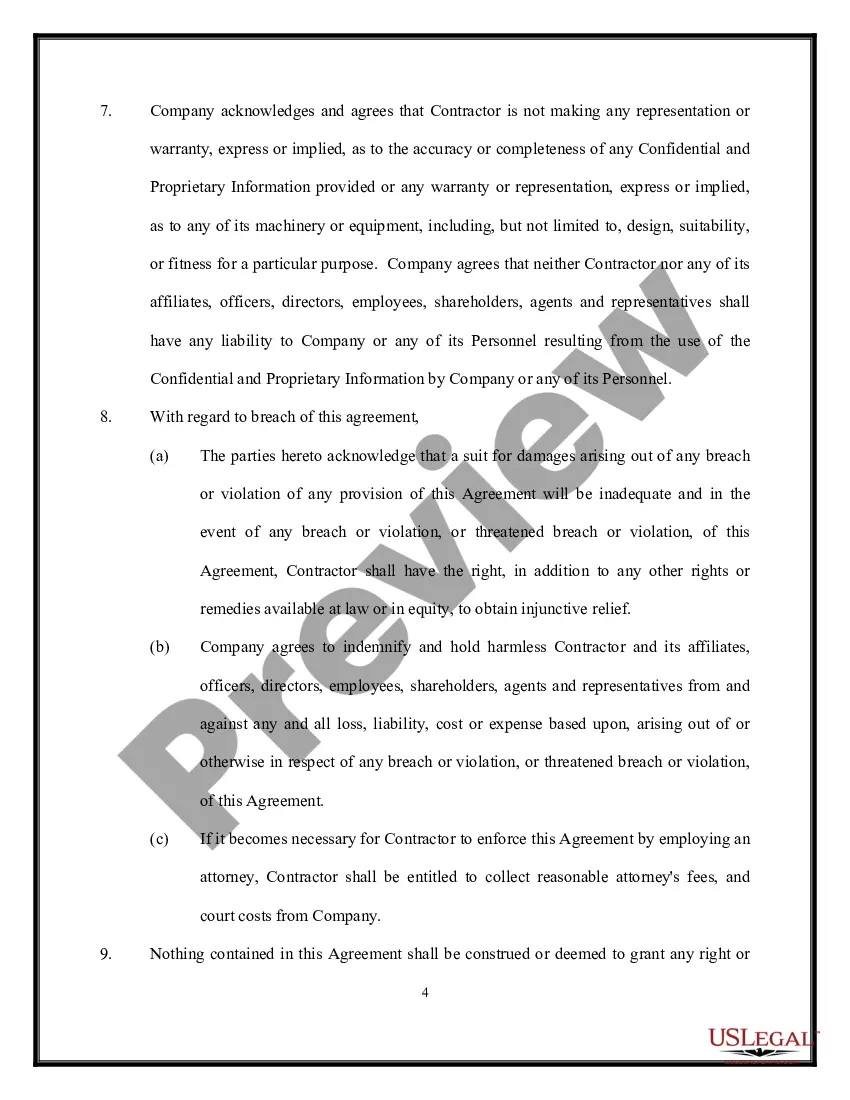
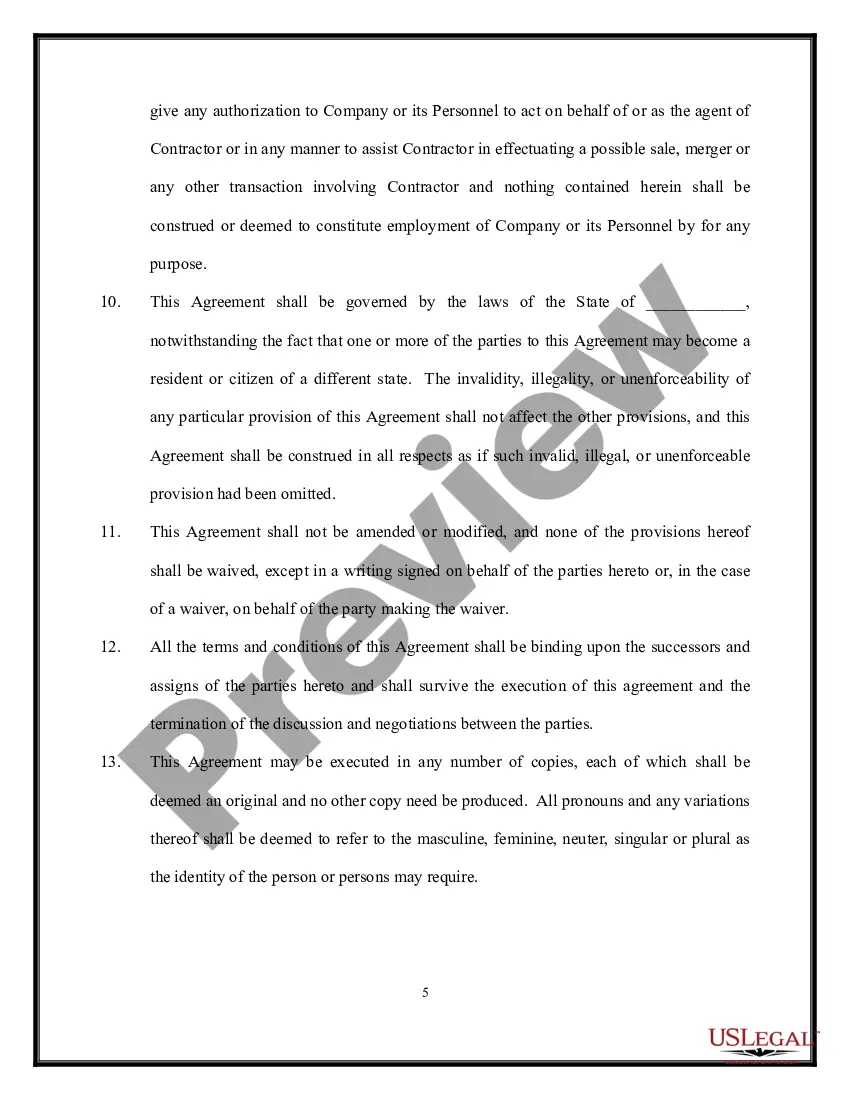

Get your form ready online
Our built-in tools help you complete, sign, share, and store your documents in one place.
Make edits, fill in missing information, and update formatting in US Legal Forms—just like you would in MS Word.
Download a copy, print it, send it by email, or mail it via USPS—whatever works best for your next step.
Sign and collect signatures with our SignNow integration. Send to multiple recipients, set reminders, and more. Go Premium to unlock E-Sign.
If this form requires notarization, complete it online through a secure video call—no need to meet a notary in person or wait for an appointment.
We protect your documents and personal data by following strict security and privacy standards.

Make edits, fill in missing information, and update formatting in US Legal Forms—just like you would in MS Word.

Download a copy, print it, send it by email, or mail it via USPS—whatever works best for your next step.

Sign and collect signatures with our SignNow integration. Send to multiple recipients, set reminders, and more. Go Premium to unlock E-Sign.

If this form requires notarization, complete it online through a secure video call—no need to meet a notary in person or wait for an appointment.

We protect your documents and personal data by following strict security and privacy standards.
Looking for another form?








Form popularity
FAQ
The elements needed for the documentation of the informed consent discussion include: The nature of the procedure or intervention. The risks and benefits of the procedure or intervention. Reasonable alternatives. The risks and benefits of alternatives. An assessment of the patient's understanding of these elements 1011
The informed consent process involves three key features: (1) disclosing to potential research subjects information needed to make an informed decision; (2) facilitating the understanding of what has been disclosed; and (3) promoting the voluntariness of the decision about whether or not to participate in the research.
Counseling is confidential No one outside the Center may access your Counseling and Psychological Services records without your prior written permission or as required by law.
I cannot and will not tell anyone else what you have told me, or even that you are in therapy with me without your prior permission. You can authorize me to share information with whomever you choose, and you may change your mind and revoke that permission at anytime.
The law protects the relationship between a client and a therapist, and information cannot be disclosed without written permission. Exceptions include: Suspected child abuse or dependent adult or elder abuse, for which I am required by law to report this to the appropriate authorities immediately.
“consent voluntarily given in writing, by a competent person, after sufficient explanation and disclosure of the subject matter involved to enable the person to make a knowing and willful decision without any element of force, fraud, deceit, duress, or other form of constraint or coercion.”
4.3. What are the requirements for obtaining a valid consent? Four core criteria must be met: the patient giving consent must have capacity • the consent must be freely given • the consent must be sufficiently specific to the procedure or treatment proposed • the consent must be informed.
I cannot and will not tell anyone else what you have told me, or even that you are in therapy with me without your prior permission. You can authorize me to share information with whomever you choose, and you may change your mind and revoke that permission at anytime.
The confidentiality rule applies not merely to matters communicated in confidence by the client but also to all information relating to the representation, whatever its source. A lawyer may not disclose confidential information except as authorized or required by the Rules Regulating The Florida Bar or by law.
