Disclosure Vs Confidentiality In Arizona
Description

Get your form ready online
Our built-in tools help you complete, sign, share, and store your documents in one place.
Make edits, fill in missing information, and update formatting in US Legal Forms—just like you would in MS Word.
Download a copy, print it, send it by email, or mail it via USPS—whatever works best for your next step.
Sign and collect signatures with our SignNow integration. Send to multiple recipients, set reminders, and more. Go Premium to unlock E-Sign.
If this form requires notarization, complete it online through a secure video call—no need to meet a notary in person or wait for an appointment.
We protect your documents and personal data by following strict security and privacy standards.

Make edits, fill in missing information, and update formatting in US Legal Forms—just like you would in MS Word.

Download a copy, print it, send it by email, or mail it via USPS—whatever works best for your next step.

Sign and collect signatures with our SignNow integration. Send to multiple recipients, set reminders, and more. Go Premium to unlock E-Sign.

If this form requires notarization, complete it online through a secure video call—no need to meet a notary in person or wait for an appointment.

We protect your documents and personal data by following strict security and privacy standards.
Looking for another form?






Form popularity
FAQ
Arizona law requires the seller to disclose material (important) facts about the property, even if you are not asked by the buyer or a real estate agent. These disclosure obligations remain even if you and the buyer agree that no Seller's Property Disclosure Statement (“SPDS”) will be provided.
Section R4-6-1105 - Confidentiality A. A licensee shall release or disclose client records or any information regarding a client only: 1. In ance with applicable federal or state law that authorizes release or disclosure; or 2. With written authorization from the client or the client's legal representative.
A Rule 49 Disclosure Statement is a detailed description of the. information required by Rule 49 of the Arizona Rules of Family Law Procedure: including detailed. facts concerning issues of child support, legal decision-making, parenting time, spousal. maintenance, witnesses, attorneys' fees, property, and debt.
Any materials furnished to a party or counsel under Rule 15 must not be disclosed to the public, and may be disclosed only to the extent necessary for the proper conduct of the case. (e)Requests for Disclosure. All requests for disclosure must be made to the opposing party.
Rule 49 allows full discovery of important facts to avoid “litigation by ambush.” The Rule promotes greater professionalism among counsel, with the ultimate goal of increasing voluntary cooperation and exchange of information.
ER 1.6(a) prohibits a lawyer from revealing information relating to the representation of a client. This is true even for information that may otherwise be available to the public. See ABA Formal Op. 479.
A seller in Arizona is required by law to disclose material information about the property that the seller actually and personally knows of, and that affects the value and desirability of the property.
Conditions of Disclosure to Third Parties. The general rule under the Privacy Act is that an agency cannot disclose a record contained in a system of records unless the individual to whom the record pertains gives prior written consent to the disclosure. There are twelve exceptions to this general rule.
ER 1.6(a) prohibits a lawyer from revealing information relating to the representation of a client. This is true even for information that may otherwise be available to the public.
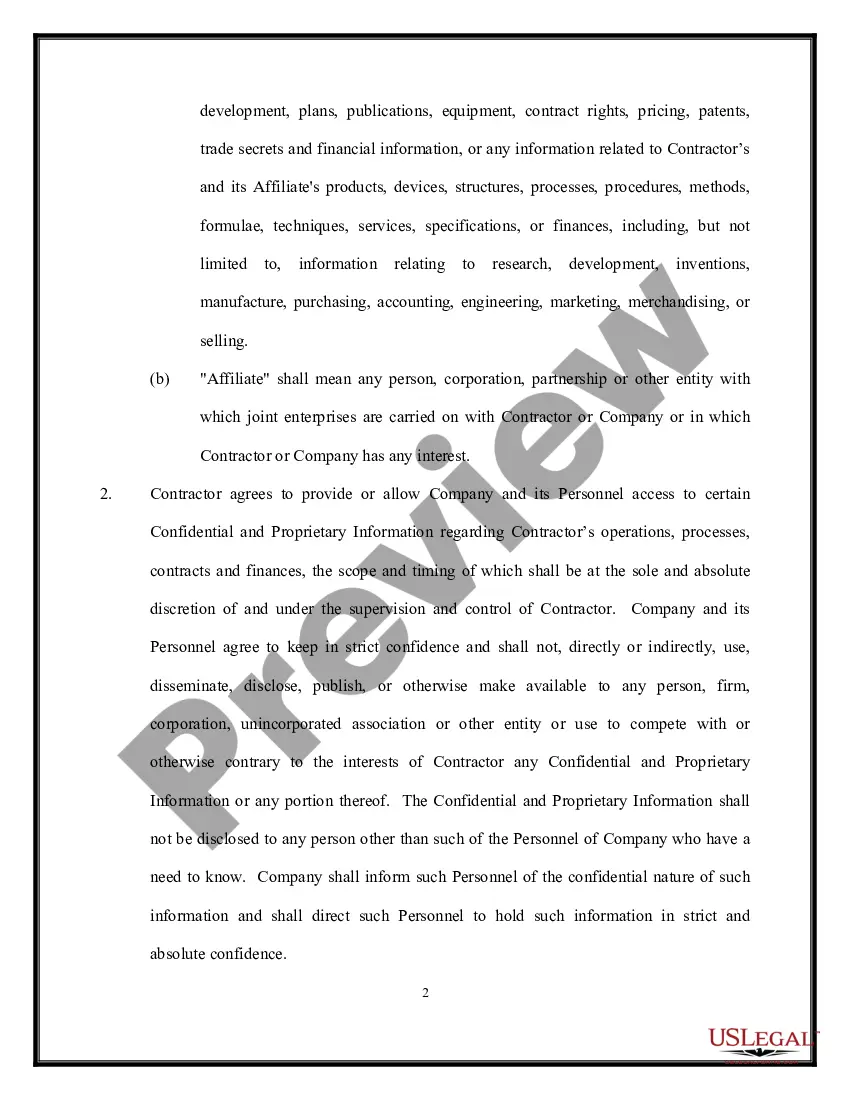
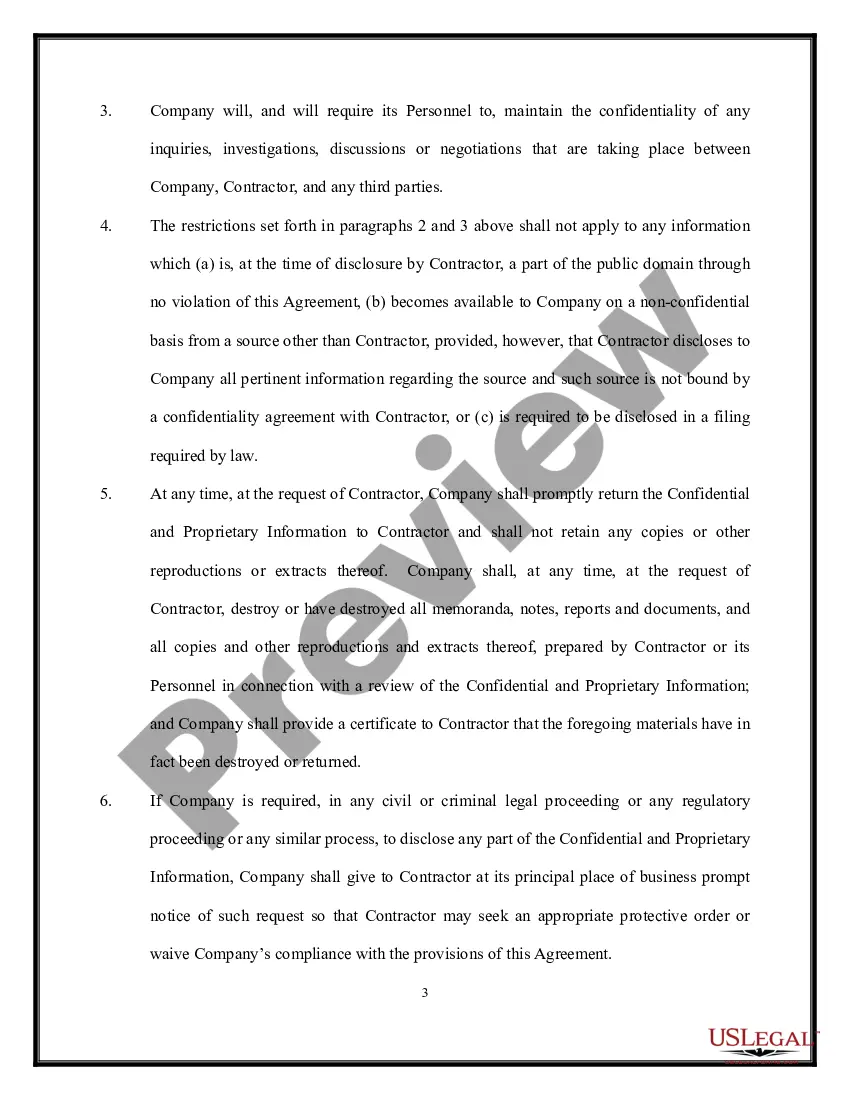
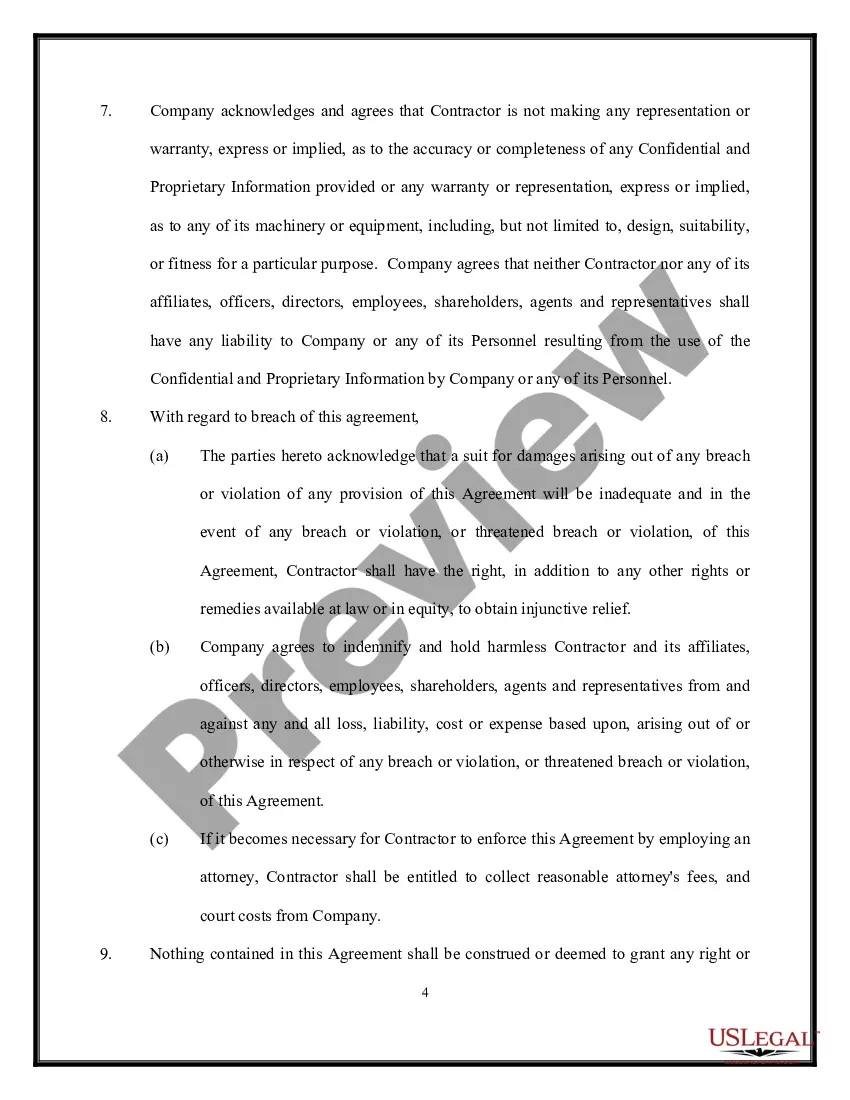
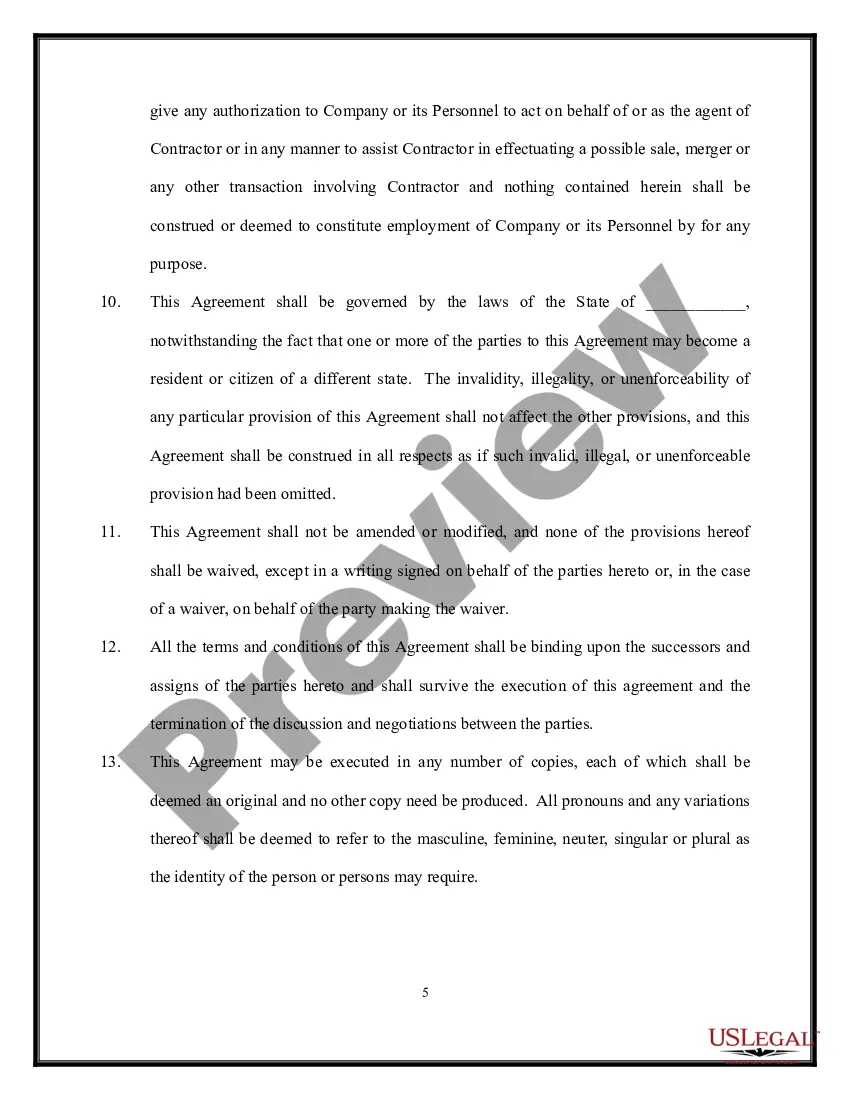
In general, Arizona law upholds confidentiality and non-disclosure agreements, as long as the documents are lawful, valid and do not go against public policy. It is important to have a Scottsdale breach of contract lawyer help you draft a confidentiality agreement to make sure that it is enforceable.
