Define Condominium In Real Estate In Virginia
Description
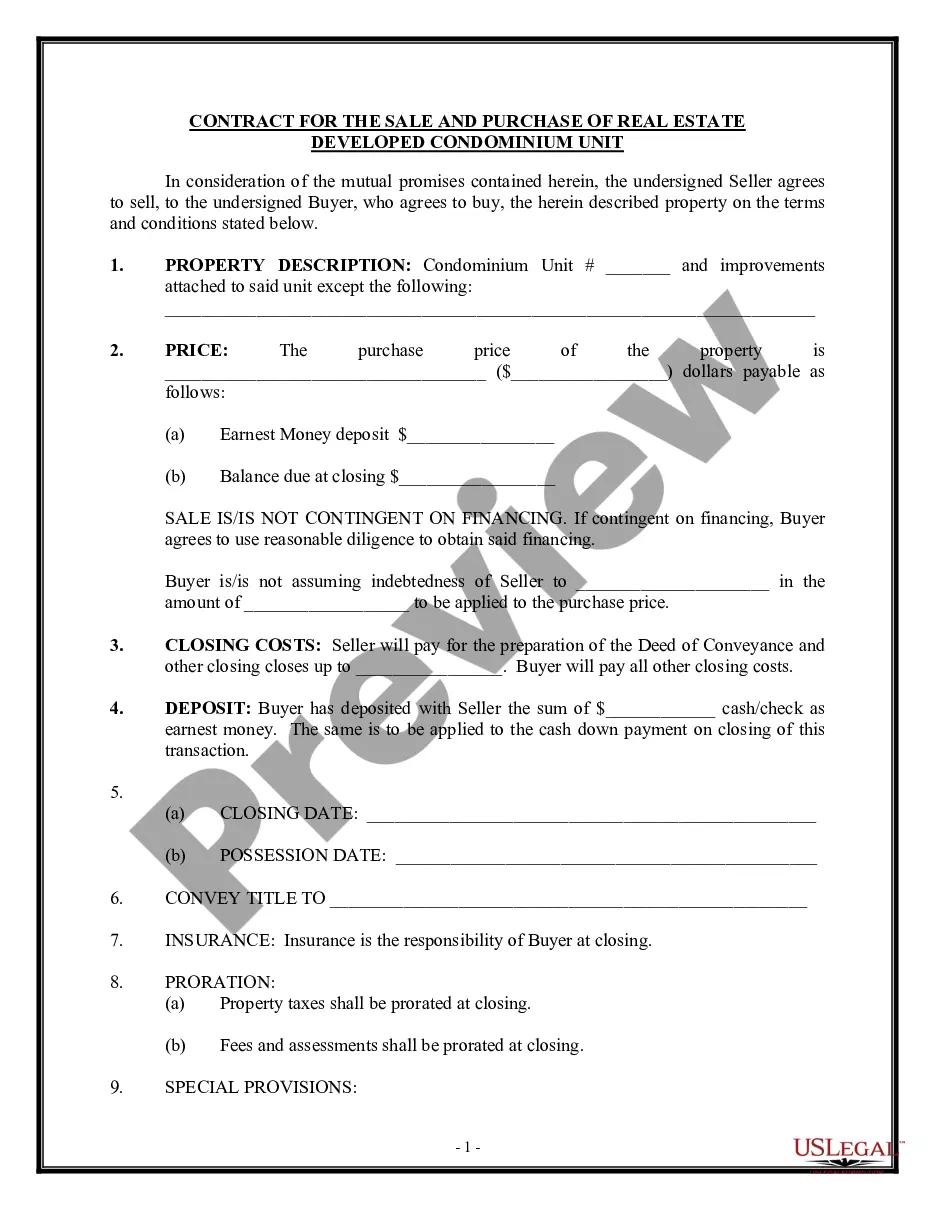
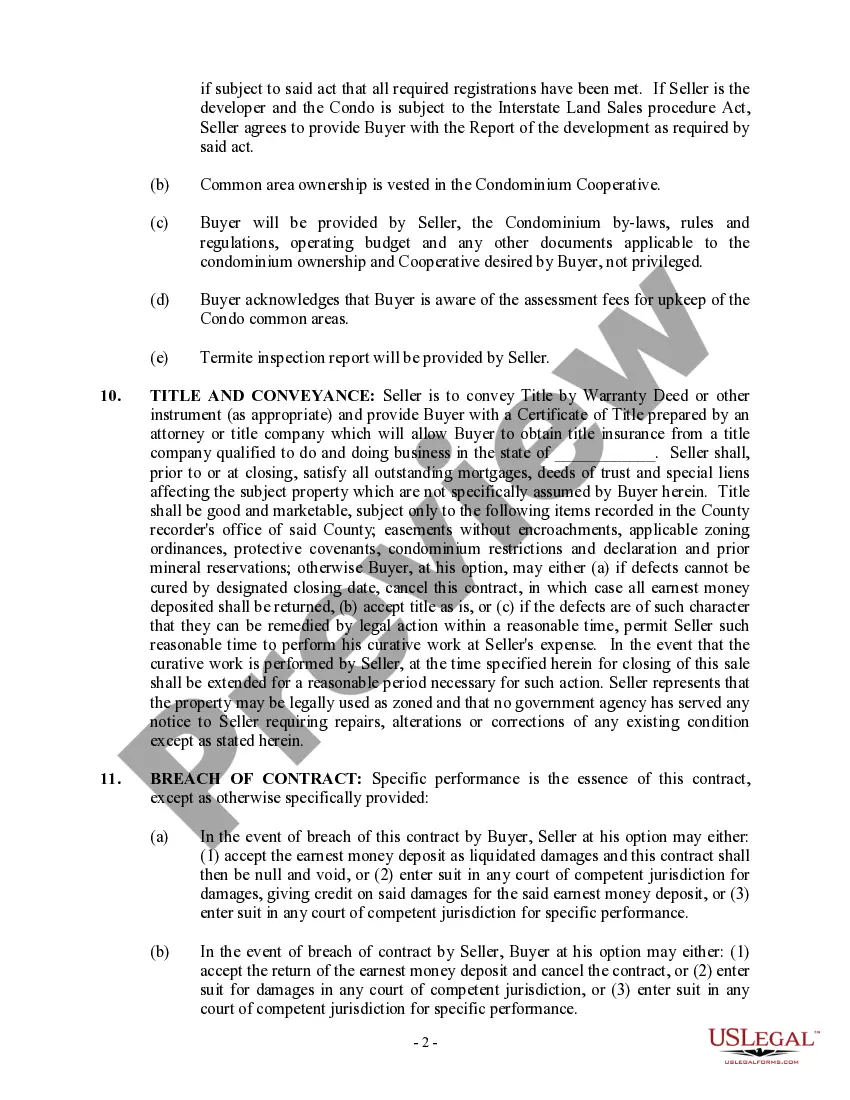
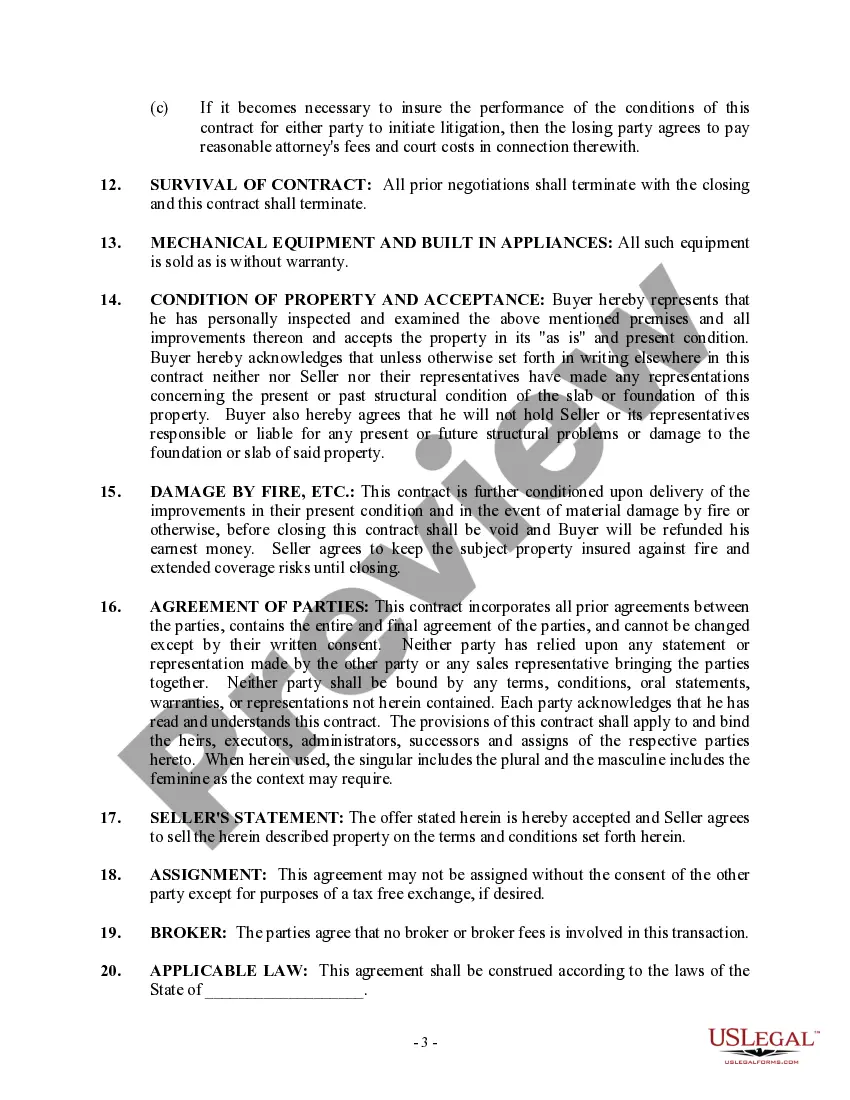
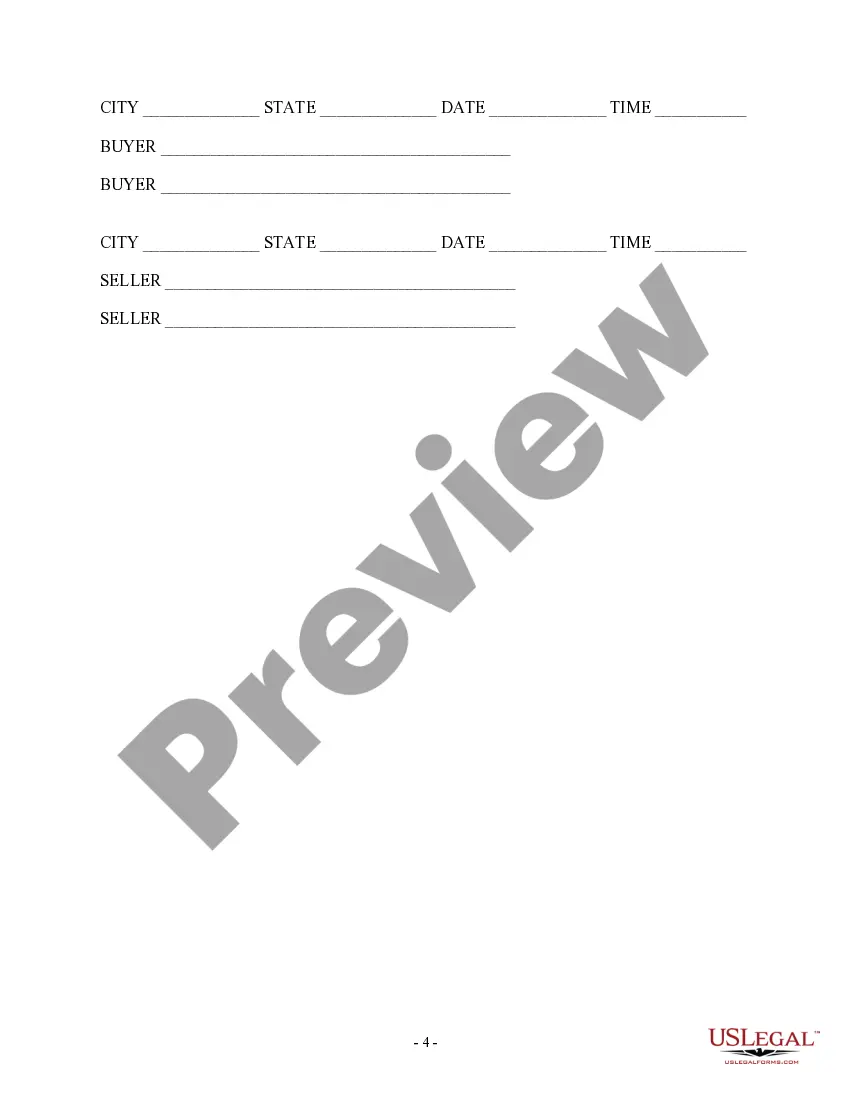
Get your form ready online
Our built-in tools help you complete, sign, share, and store your documents in one place.
Make edits, fill in missing information, and update formatting in US Legal Forms—just like you would in MS Word.
Download a copy, print it, send it by email, or mail it via USPS—whatever works best for your next step.
Sign and collect signatures with our SignNow integration. Send to multiple recipients, set reminders, and more. Go Premium to unlock E-Sign.
If this form requires notarization, complete it online through a secure video call—no need to meet a notary in person or wait for an appointment.
We protect your documents and personal data by following strict security and privacy standards.

Make edits, fill in missing information, and update formatting in US Legal Forms—just like you would in MS Word.

Download a copy, print it, send it by email, or mail it via USPS—whatever works best for your next step.

Sign and collect signatures with our SignNow integration. Send to multiple recipients, set reminders, and more. Go Premium to unlock E-Sign.

If this form requires notarization, complete it online through a secure video call—no need to meet a notary in person or wait for an appointment.

We protect your documents and personal data by following strict security and privacy standards.
Looking for another form?






Form popularity
FAQ
Limited common elements are parts of a condo that are assigned to individual units, but considered community property rather than the tenant's. Examples of limited common elements include windows, balconies, driveways, elevators, clubhouses, and swimming pools.
Maintenance, repair, and replacement of a limited common element is usually the responsibility of the association except to the extent the declaration shifts that duty to the unit owner.
A common element is defined as all portions of the property except the units. Examples of common elements include fitness centers, elevators, lobbies, walkways, lighting in common hallways, garbage collection areas, swimming pools, landscaping, club houses, and more.
The Virginia inium Act (the “Act”) was enacted on July 1, 1974. It superseded the Horizontal Property Act, which was enacted in 1962. iniums are purely “creatures of statute” meaning that without the laws permitting them, they would not exist. In other words, they are a legal entity created by statute.
§ 55.1-1915. The declarant, every unit owner, and all those entitled to occupy a unit shall comply with all lawful provisions of this chapter and all provisions of the inium instruments.
"Common interest community" means real estate subject to a declaration containing lots, at least some of which are residential or occupied for recreational purposes, and common areas to which a person, by virtue of the person's ownership of a lot subject to that declaration, is a member of the association and is ...
Any unit owner who pays any creditor of the association a percentage of the total amount due to such creditor equal to such unit owner's common element interest in the inium shall be entitled to obtain from such creditor a release of any judgment or lien that such creditor otherwise has the right to file against ...
A inium (or condo for short) is an ownership regime in which a building (or group of buildings) is divided into multiple units that are either each separately owned, or owned in common with exclusive rights of occupation by individual owners.
An apartment building in which each apartment is owned separately by the people living in it, but also containing shared areas. (informal condo) an apartment in a inium.
An apartment building in which each apartment is owned separately by the people living in it, but also containing shared areas.
