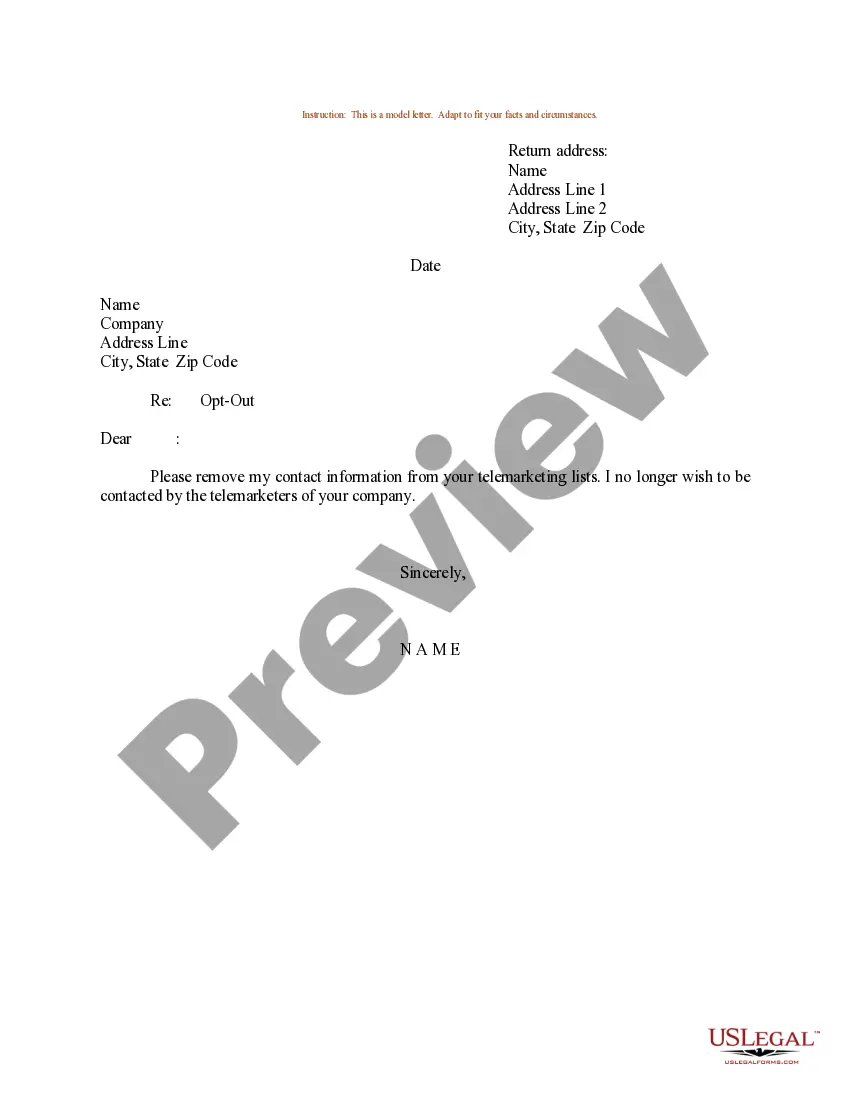
Roommate Agreement With Boyfriend In Virginia
Description

Get your form ready online
Our built-in tools help you complete, sign, share, and store your documents in one place.
Make edits, fill in missing information, and update formatting in US Legal Forms—just like you would in MS Word.
Download a copy, print it, send it by email, or mail it via USPS—whatever works best for your next step.
Sign and collect signatures with our SignNow integration. Send to multiple recipients, set reminders, and more. Go Premium to unlock E-Sign.
If this form requires notarization, complete it online through a secure video call—no need to meet a notary in person or wait for an appointment.
We protect your documents and personal data by following strict security and privacy standards.

Make edits, fill in missing information, and update formatting in US Legal Forms—just like you would in MS Word.

Download a copy, print it, send it by email, or mail it via USPS—whatever works best for your next step.

Sign and collect signatures with our SignNow integration. Send to multiple recipients, set reminders, and more. Go Premium to unlock E-Sign.

If this form requires notarization, complete it online through a secure video call—no need to meet a notary in person or wait for an appointment.

We protect your documents and personal data by following strict security and privacy standards.
Looking for another form?




Form popularity
FAQ
As a tenant, you are legally responsible for the lease agreement that you signed with the landlord and property owner. While you can choose to live with someone who is not on the lease, some potential complications and risks come with this choice. The landlord could choose to have the non-tenant evicted.
Gottsman believes a weekend is usually a sufficient amount of time for a nice visit. Anything more than three days can be a challenge, particularly if guests aren't being helpful by cleaning up after themselves, offering to make dinner, or going on a grocery run.
"Guest or invitee" means a person, other than the tenant or an authorized occupant, who has the permission of the tenant to visit but not to occupy the premises.
Without a written agreement, your lease goes for 12 months. You can negotiate with your landlord to end or change it, but be sure to get any changes in writing. Your landlord can't end or change the agreement within the first 12 months unless you both agree.
"Sublease" means the transfer by any tenant of any but not all interests created by a rental agreement. "Tenant" means a person entitled only under the terms of a rental agreement to occupy a dwelling unit to the exclusion of others and includes a roomer.
To evict a tenant with no lease or a “tenant at will”, a landlord must serve them an X-Day Notice to Quit. The proper notice period a landlord gives depends on the length of rental period. If the tenant pays rent weekly, a landlord has to serve them a 7-Day Notice.
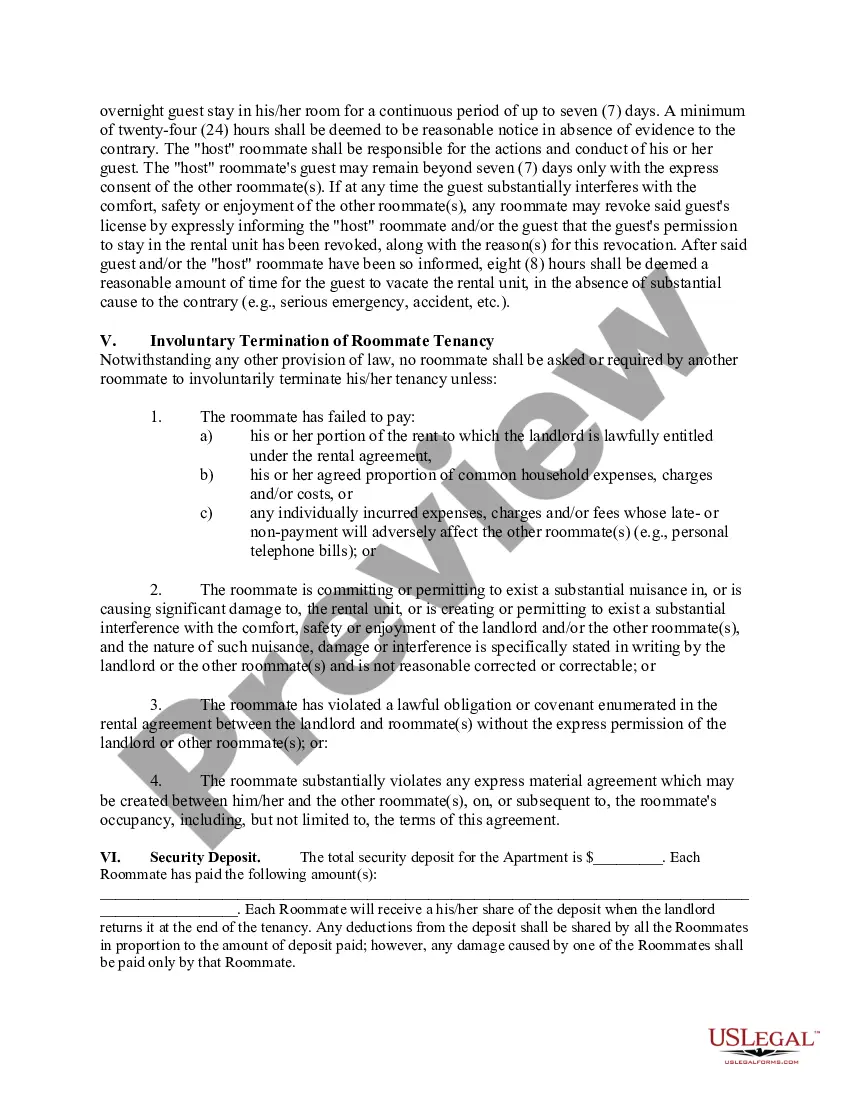
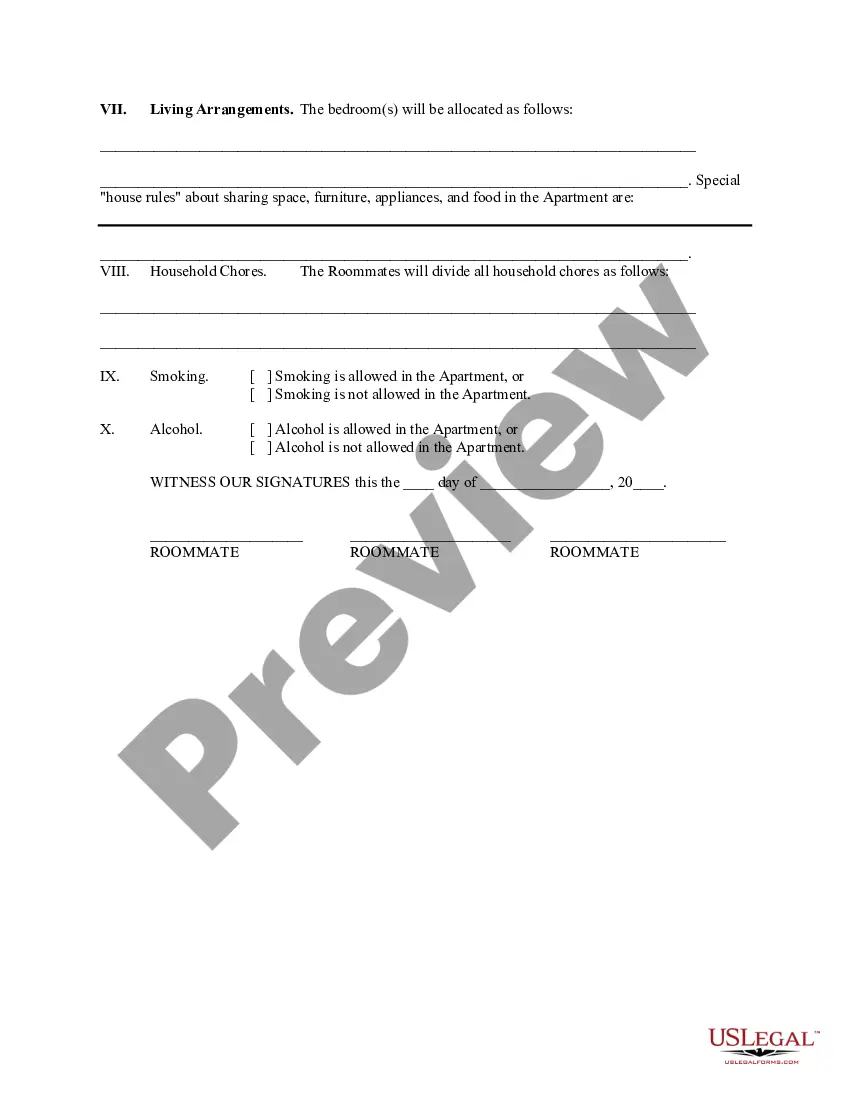
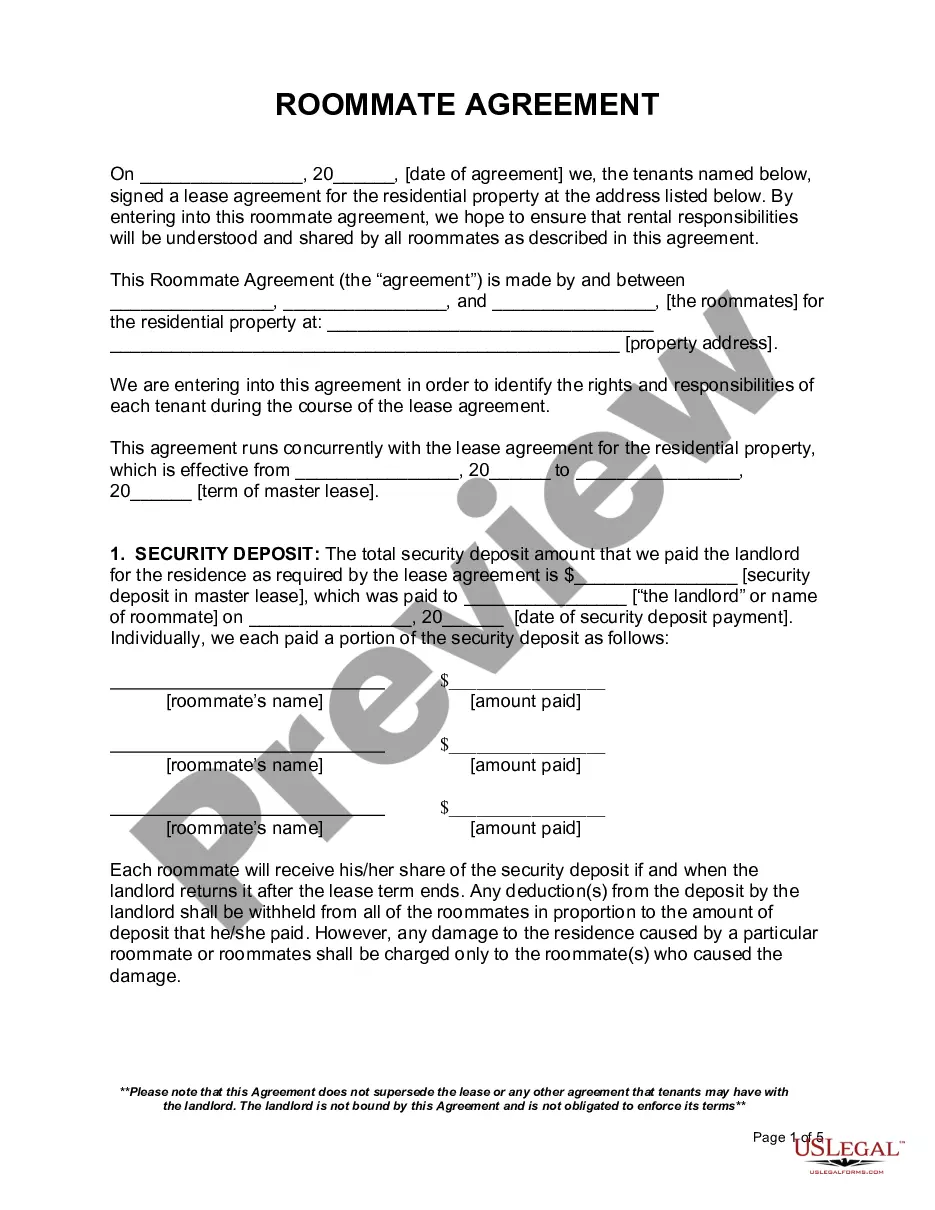
How to write a roommate agreement Names of both tenants. The property address. The dates the lease begins and ends. The amount of rent each person pays. Who pays for utilities. Who pays the security deposit. Which bedroom each person occupies. Who buys food, or if you're each buying your own food.
A Roommate Agreement is a written contract between roommates that outlines their rights and obligations while living together. This agreement includes house rules, maintenance duties, restricted behaviors, and more. For a Roommate Agreement to be useful, everyone sharing the household must agree to it.
A: A roommate agreement is a contract made between the residents of a rental unit. The agreement outlines the terms, conditions and responsibilities agreed to by each of the residents. Roommate agreements are sometimes referred to as roommate contracts.
To write a simple contract, title it clearly, identify all parties and specify terms (services or payments). Include an offer, acceptance, consideration, and intent. Add a signature and date for enforceability. Written contracts reduce disputes and offer better legal security than verbal ones.