Lease Agreement Between Boyfriend And Girlfriend For Divorce In Washington
Description

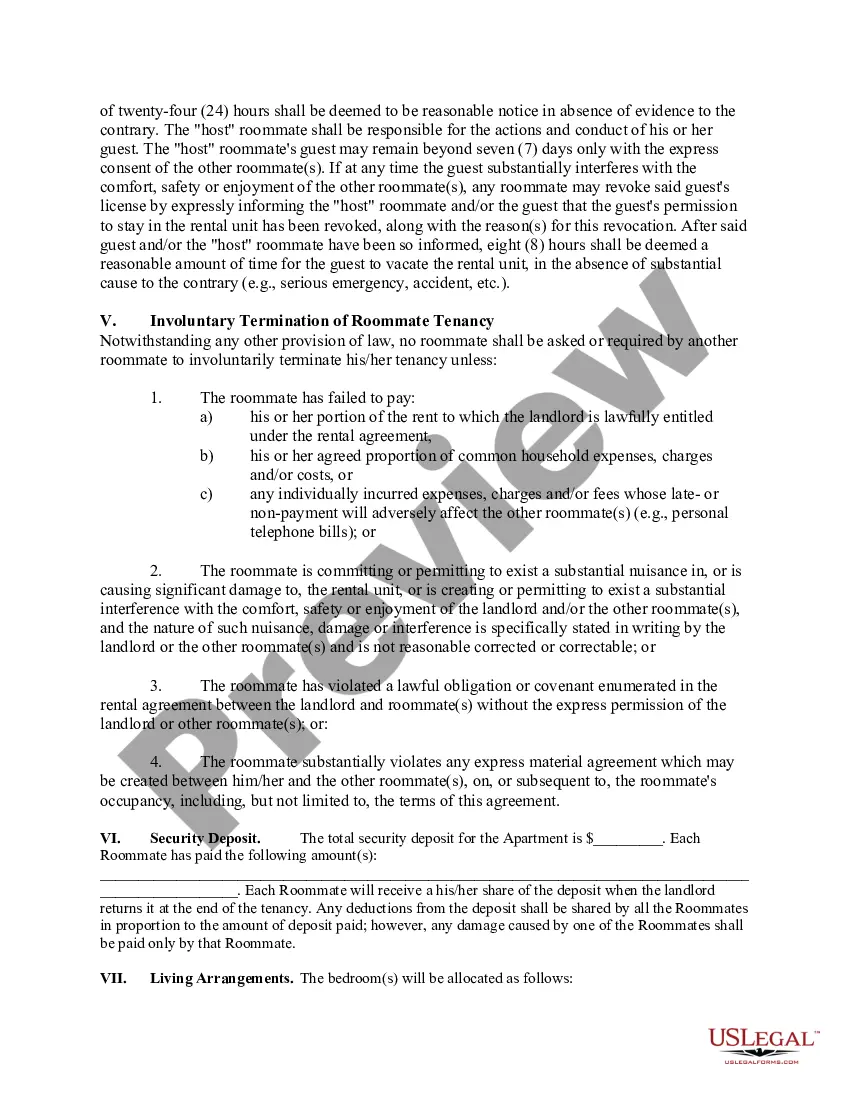
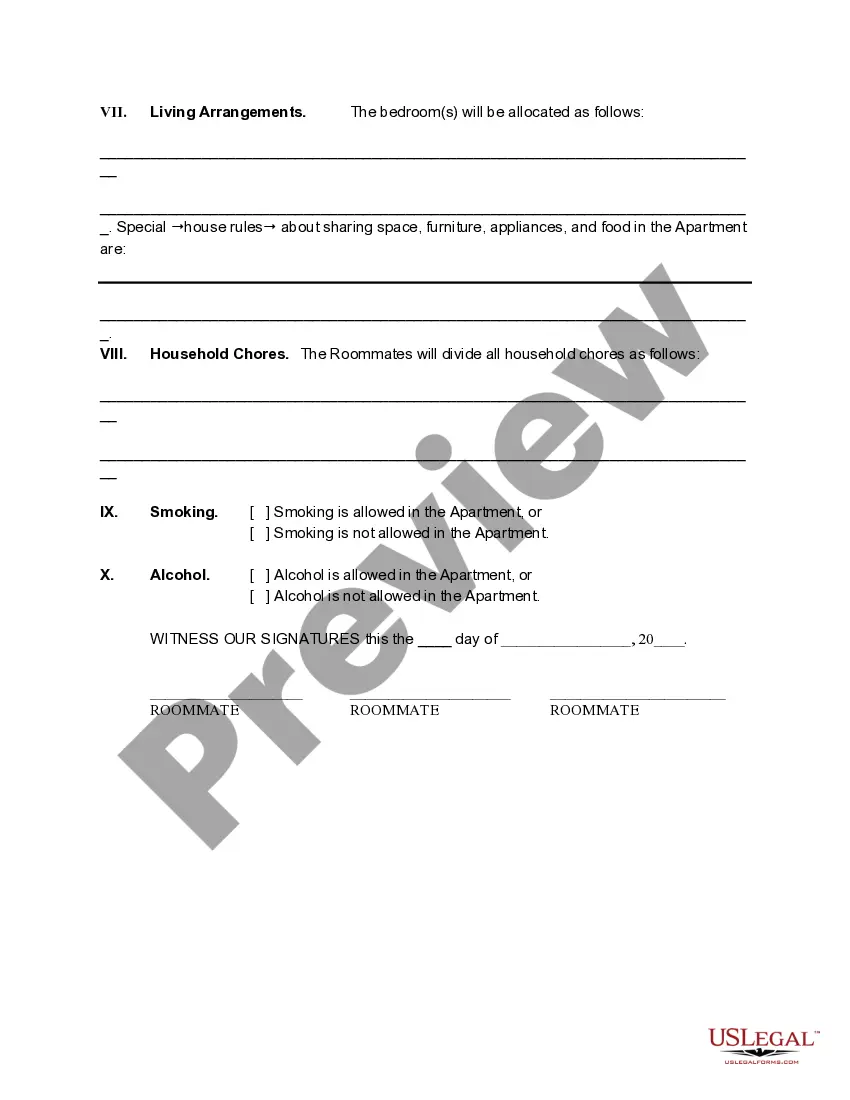

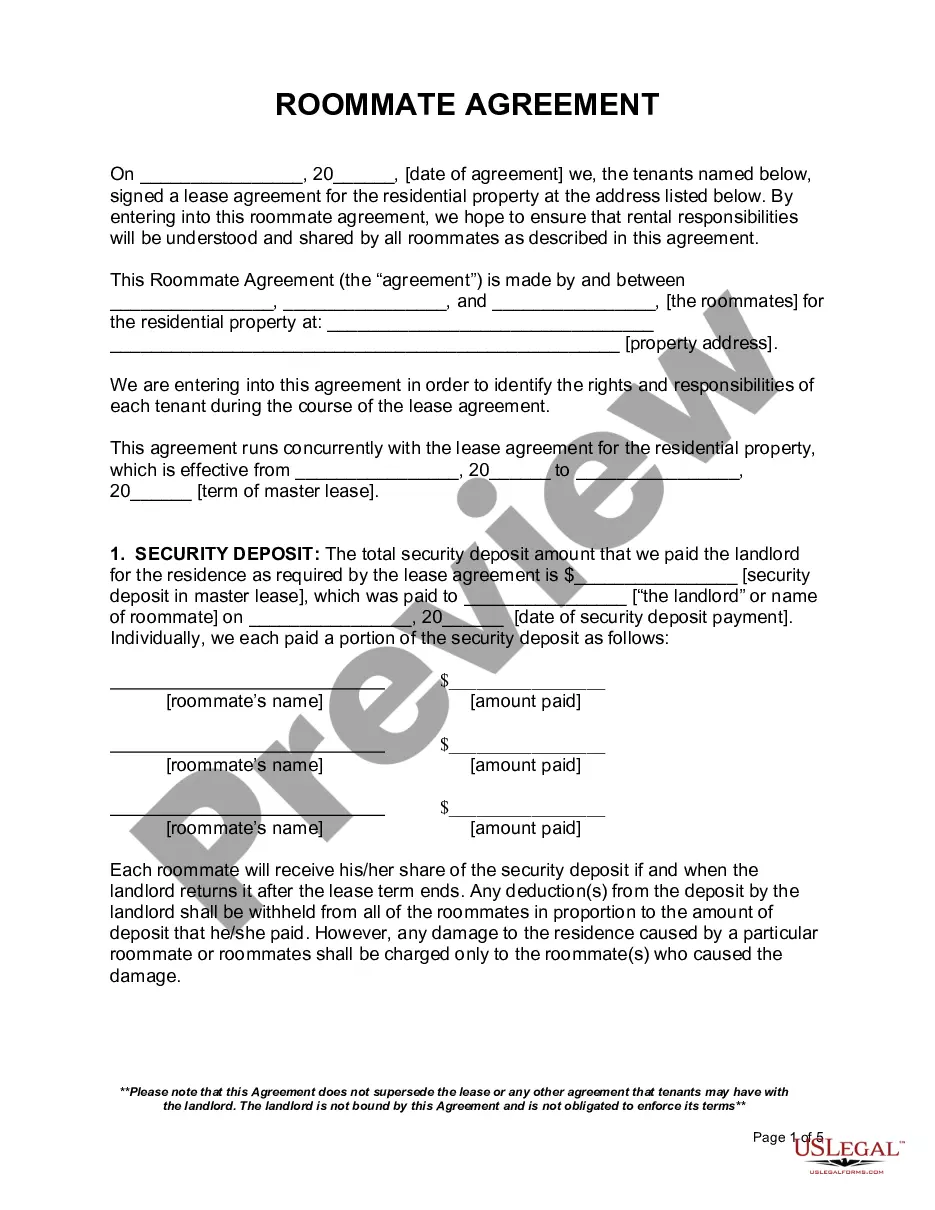
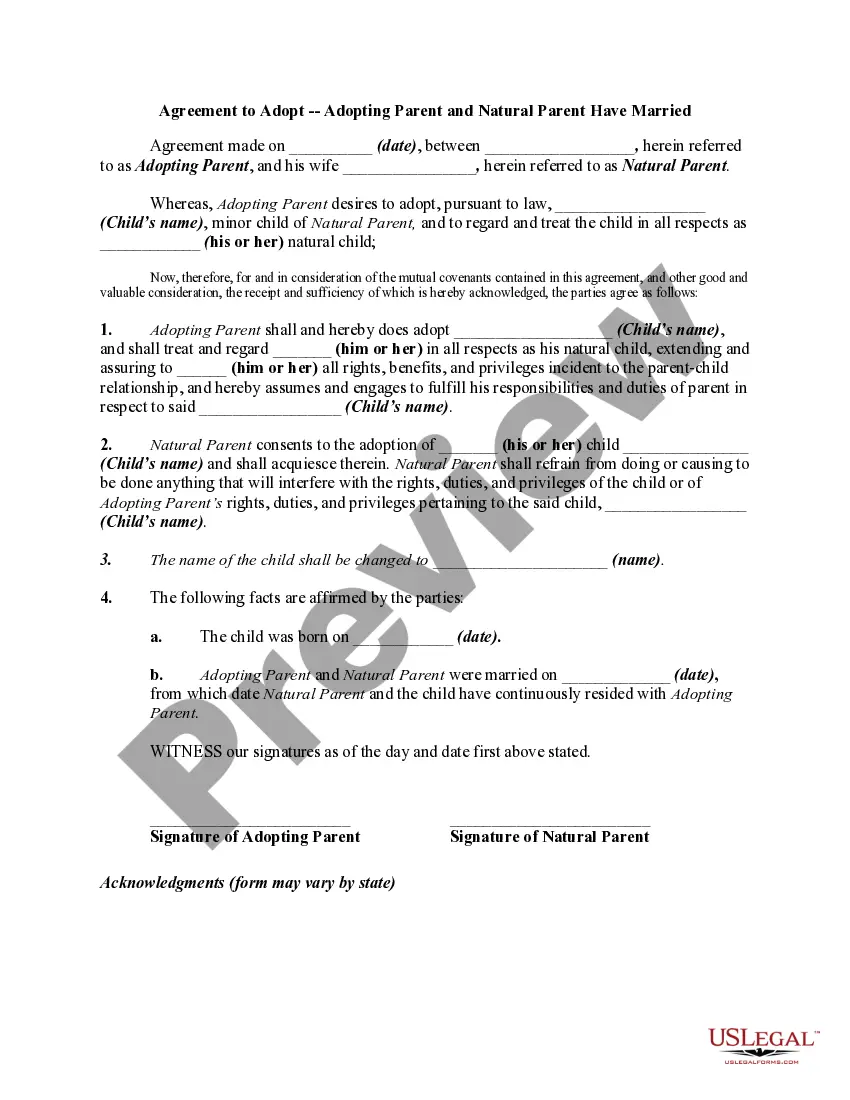
Get your form ready online
Our built-in tools help you complete, sign, share, and store your documents in one place.
Make edits, fill in missing information, and update formatting in US Legal Forms—just like you would in MS Word.
Download a copy, print it, send it by email, or mail it via USPS—whatever works best for your next step.
Sign and collect signatures with our SignNow integration. Send to multiple recipients, set reminders, and more. Go Premium to unlock E-Sign.
If this form requires notarization, complete it online through a secure video call—no need to meet a notary in person or wait for an appointment.
We protect your documents and personal data by following strict security and privacy standards.

Make edits, fill in missing information, and update formatting in US Legal Forms—just like you would in MS Word.

Download a copy, print it, send it by email, or mail it via USPS—whatever works best for your next step.

Sign and collect signatures with our SignNow integration. Send to multiple recipients, set reminders, and more. Go Premium to unlock E-Sign.

If this form requires notarization, complete it online through a secure video call—no need to meet a notary in person or wait for an appointment.

We protect your documents and personal data by following strict security and privacy standards.
Looking for another form?




Form popularity
FAQ
Courts usually award each spouse his or her separate property and divide community property 50/50. Consequently, if the house is entirely one spouses' separate property, he or she almost always receives it unless the parties agree otherwise.
You do not need your spouse's signature for a divorce in Washington. Washington is a no-fault state, which means that both spouses need not agree to the divorce for the court to grant it.
Dividing a House in Washington State: Community Property State: Washington State is a community property state, meaning both spouses own an undivided interest in the house. The court has discretion to divide the property fairly, which might not always be a 50/50 split. Determining The Equity: To divide the house, f.
Washington State considers unmarried couples' properties as separate, so each party retains their own property unless a written agreement exists or until comingling in a community manner is shown.
Moving out during a divorce can be seen as a significant mistake for several reasons: Legal Implications: Leaving the marital home can affect custody arrangements and property division. Courts may view the move as a relinquishment of rights to the home or as a factor in custody decisions.
As long as you and your ex can agree on how to divide up your assets, there is no need to involve lawyers or the court system. Even if children are involved, in most states you have the opportunity to separate in private, ing to whatever arrangements the two of you agree on.
Washington does not recognize common-law marriages. Even if you have been living together for over ten years or several decades, you do not have the same rights as a legally married couple. Even having children, using identical surnames, and living together will not qualify for a common-law marriage.
