Girlfriend Contract With Boyfriend In Virginia
Description

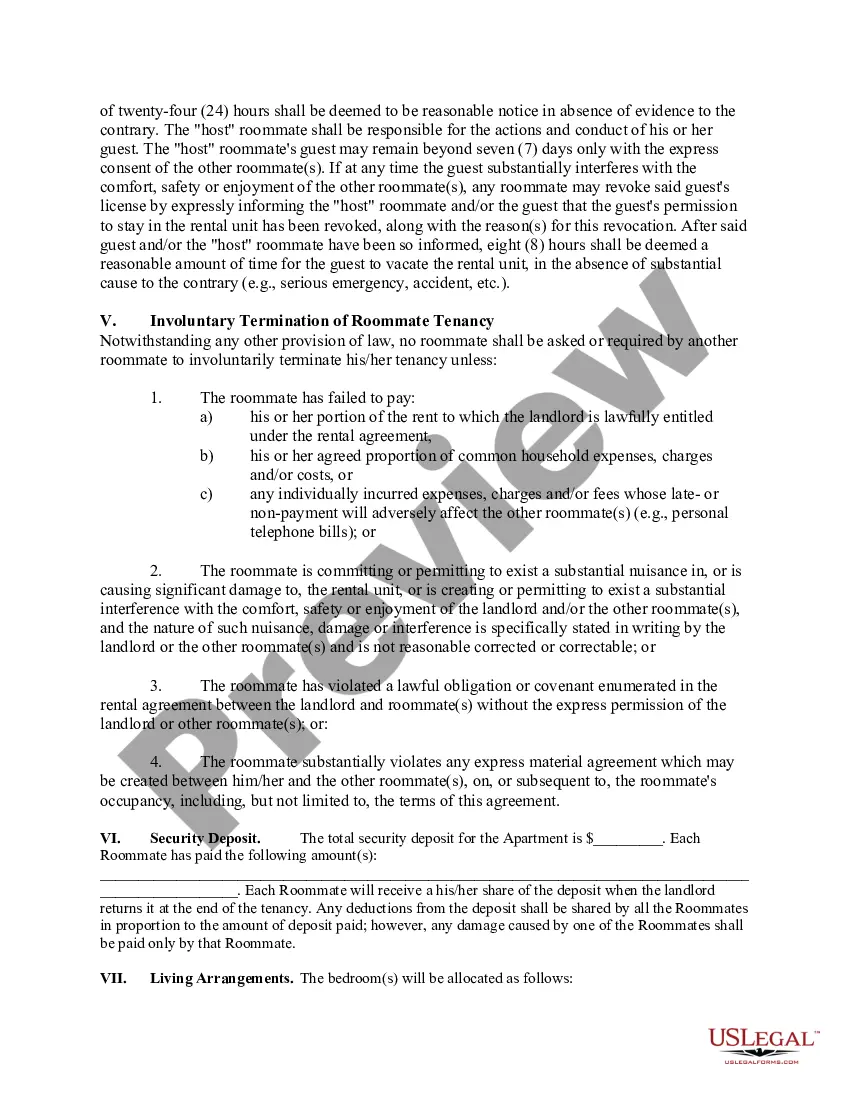
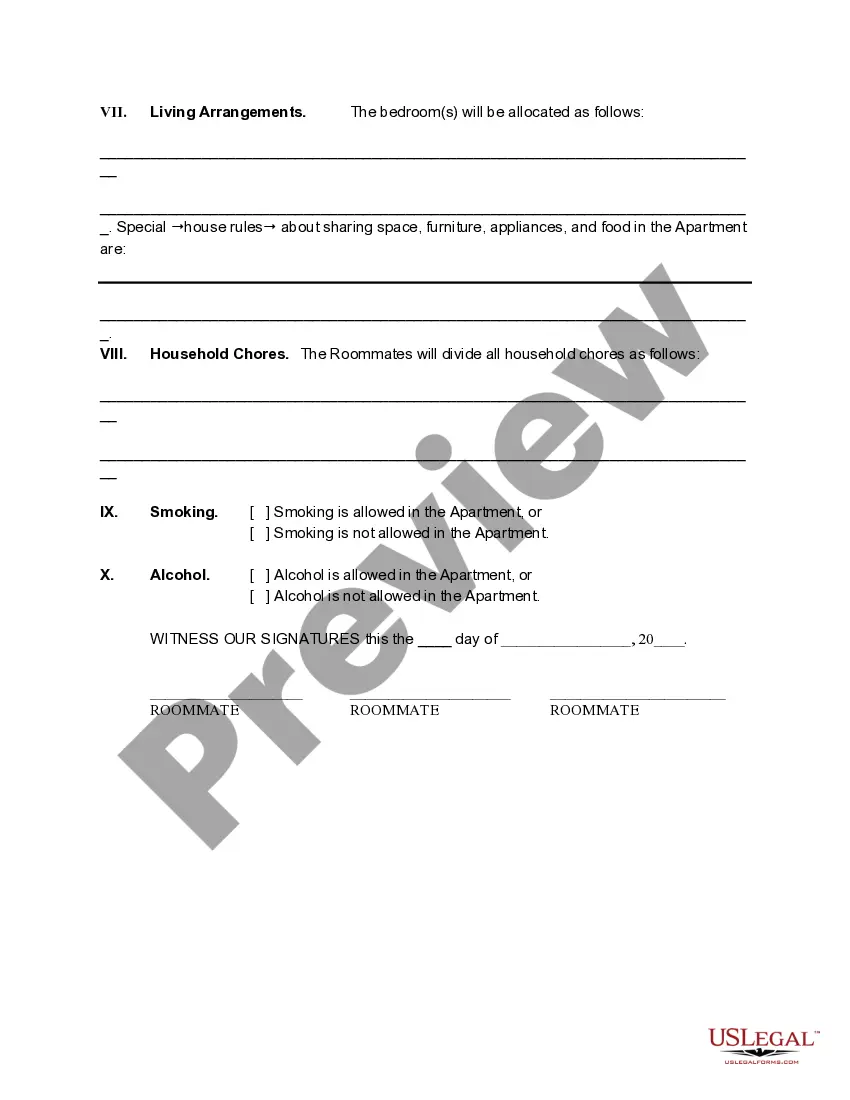

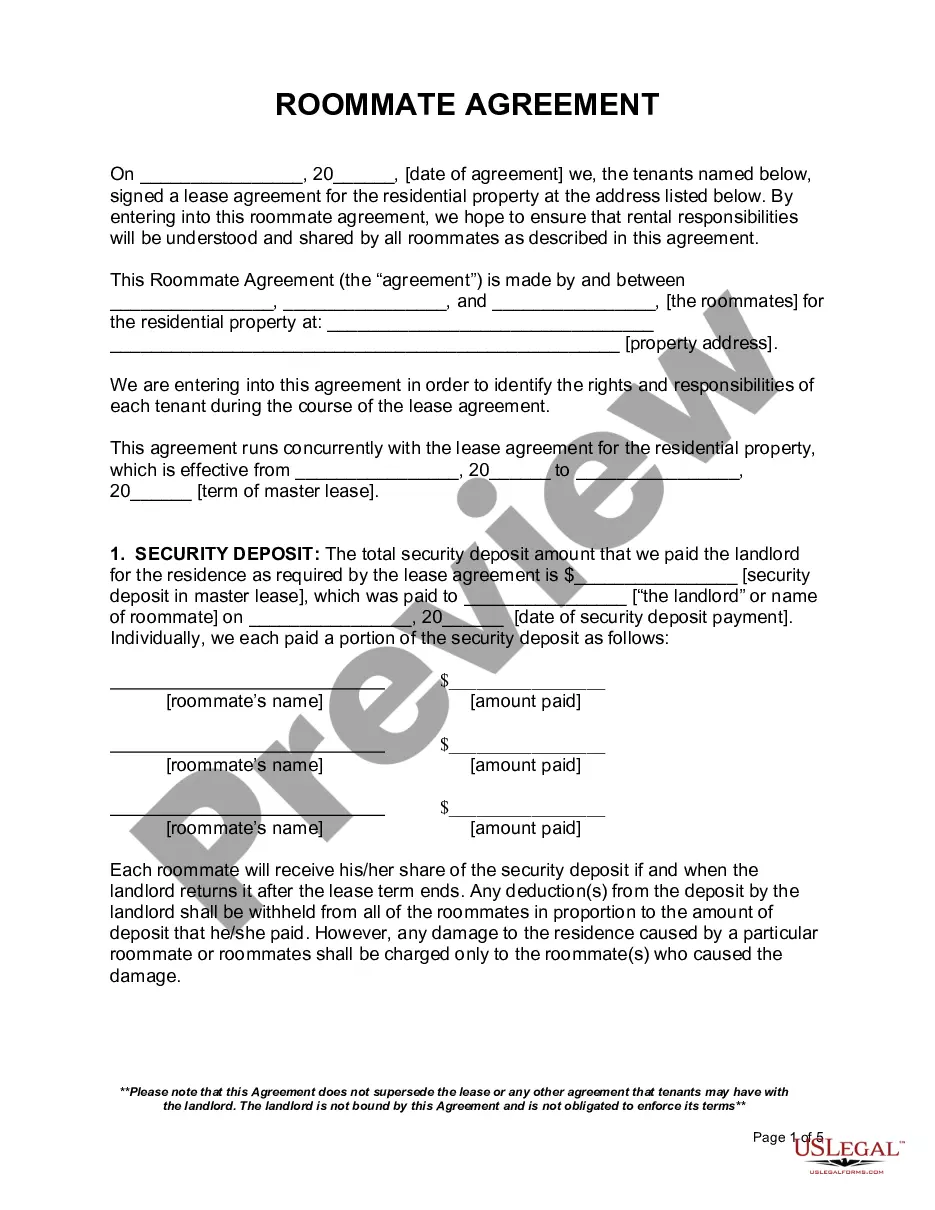
Get your form ready online
Our built-in tools help you complete, sign, share, and store your documents in one place.
Make edits, fill in missing information, and update formatting in US Legal Forms—just like you would in MS Word.
Download a copy, print it, send it by email, or mail it via USPS—whatever works best for your next step.
Sign and collect signatures with our SignNow integration. Send to multiple recipients, set reminders, and more. Go Premium to unlock E-Sign.
If this form requires notarization, complete it online through a secure video call—no need to meet a notary in person or wait for an appointment.
We protect your documents and personal data by following strict security and privacy standards.

Make edits, fill in missing information, and update formatting in US Legal Forms—just like you would in MS Word.

Download a copy, print it, send it by email, or mail it via USPS—whatever works best for your next step.

Sign and collect signatures with our SignNow integration. Send to multiple recipients, set reminders, and more. Go Premium to unlock E-Sign.

If this form requires notarization, complete it online through a secure video call—no need to meet a notary in person or wait for an appointment.

We protect your documents and personal data by following strict security and privacy standards.
Looking for another form?







Form popularity
FAQ
Virginia does not recognize common law marriage. This means that you and your unmarried partner's duties and obligations regarding parenting and property aren't specified unless you have a written cohabitation agreement.
Virginia does not allow the creation of a "common law" marriage, a relationship in which a couple lives together but have not participated in a lawful ceremony. Unlike some other states, in Virginia a couple cannot acquire marital rights and responsibilities by living together for a particular period of time.
"Spouse" means a person who is legally married to another person under Virginia law.
Virginia abolished common-law marriage in 2016 but still recognizes unions formed before this change. Couples in these relationships may experience confusion regarding their legal status.
Yes, it is possible for a boyfriend and girlfriend to create a contract. This contract could cover various aspects of their relationship, such as financial agreements, living arrangements, division of responsibilities, and expectations from each other.
Virginia does not have common law marriage. No duties or obligations arise between two adults by living together in the same household unless such duties or obligation are set out by express agreement.
Virginia does not allow the creation of a "common law" marriage, a relationship in which a couple lives together but have not participated in a lawful ceremony. Unlike some other states, in Virginia a couple cannot acquire marital rights and responsibilities by living together for a particular period of time.
Virginia does not allow the creation of a "common law" marriage, a relationship in which a couple lives together but have not participated in a lawful ceremony. Unlike some other states, in Virginia a couple cannot acquire marital rights and responsibilities by living together for a particular period of time.
Age Requirement As of July 1, 2016, pursuant to Virginia Code §20-48, the minimum age to get married is 18, unless a minor has been emancipated by court order. Upon application for a marriage license, an emancipated minor shall provide a certified copy of the order of emancipation.