Girlfriend Contract With Husband In San Antonio
Description

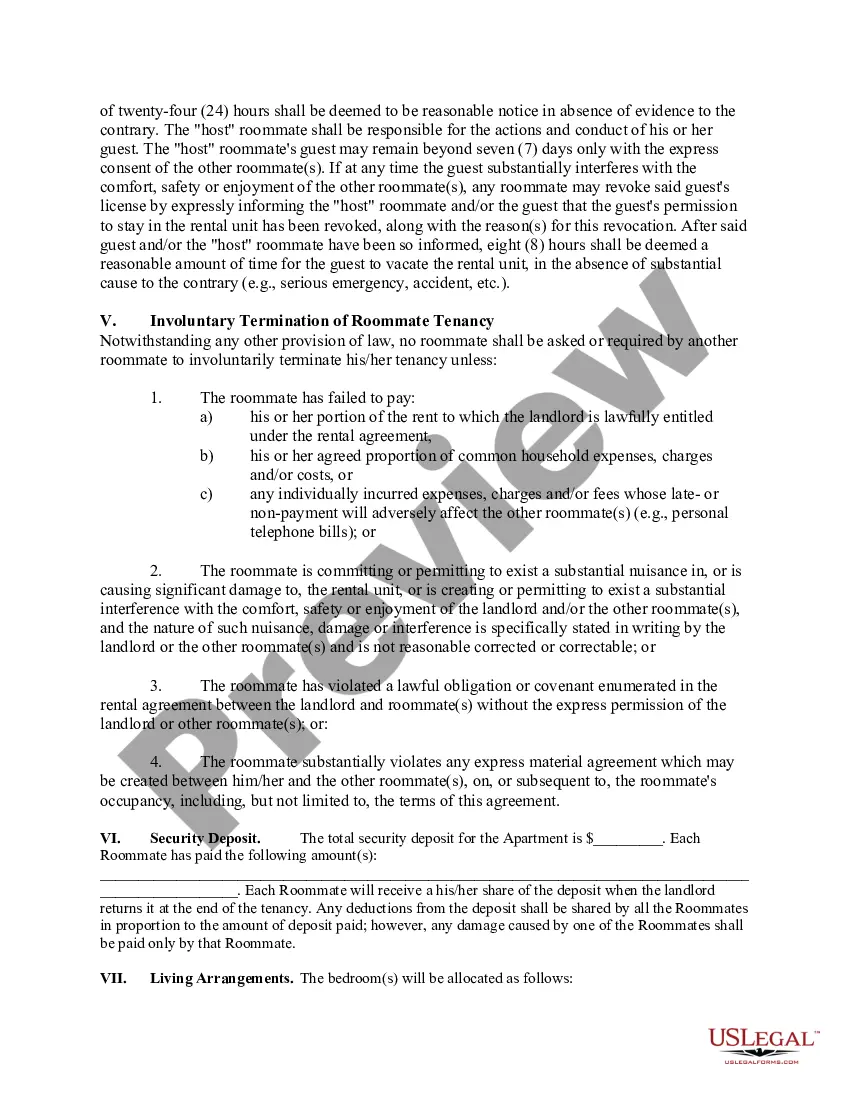
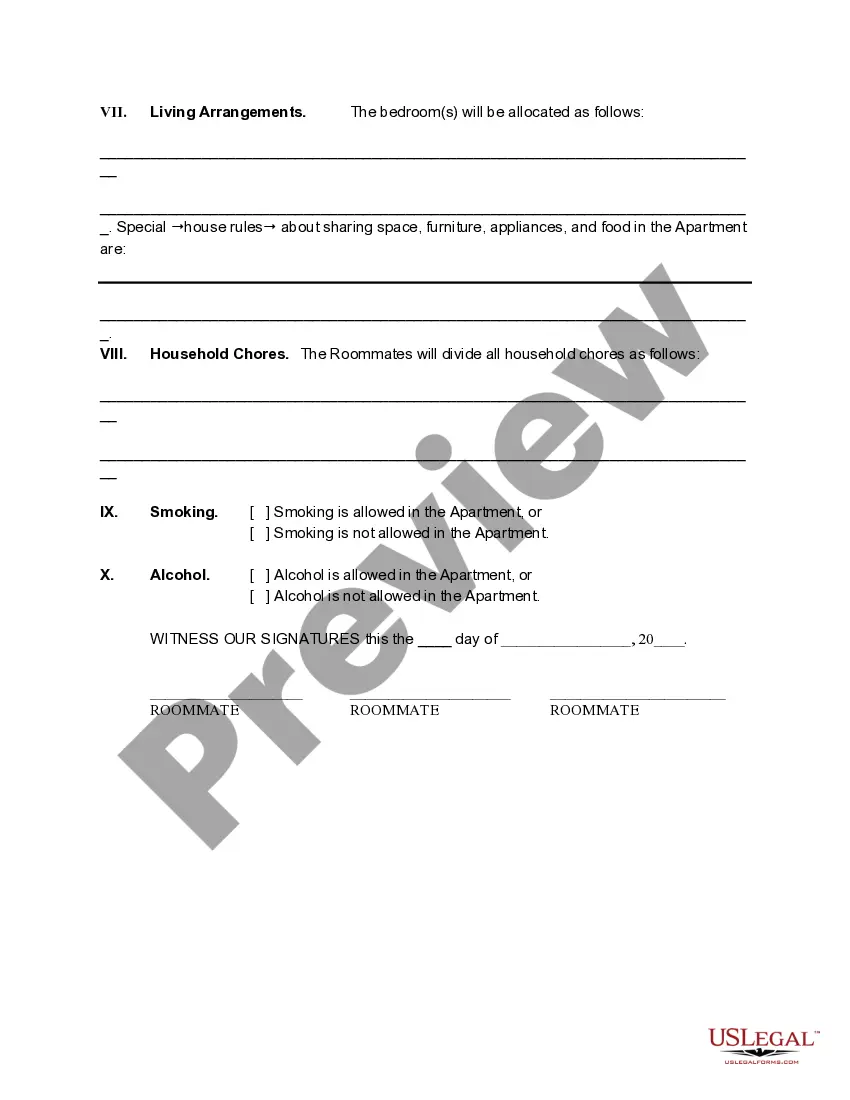

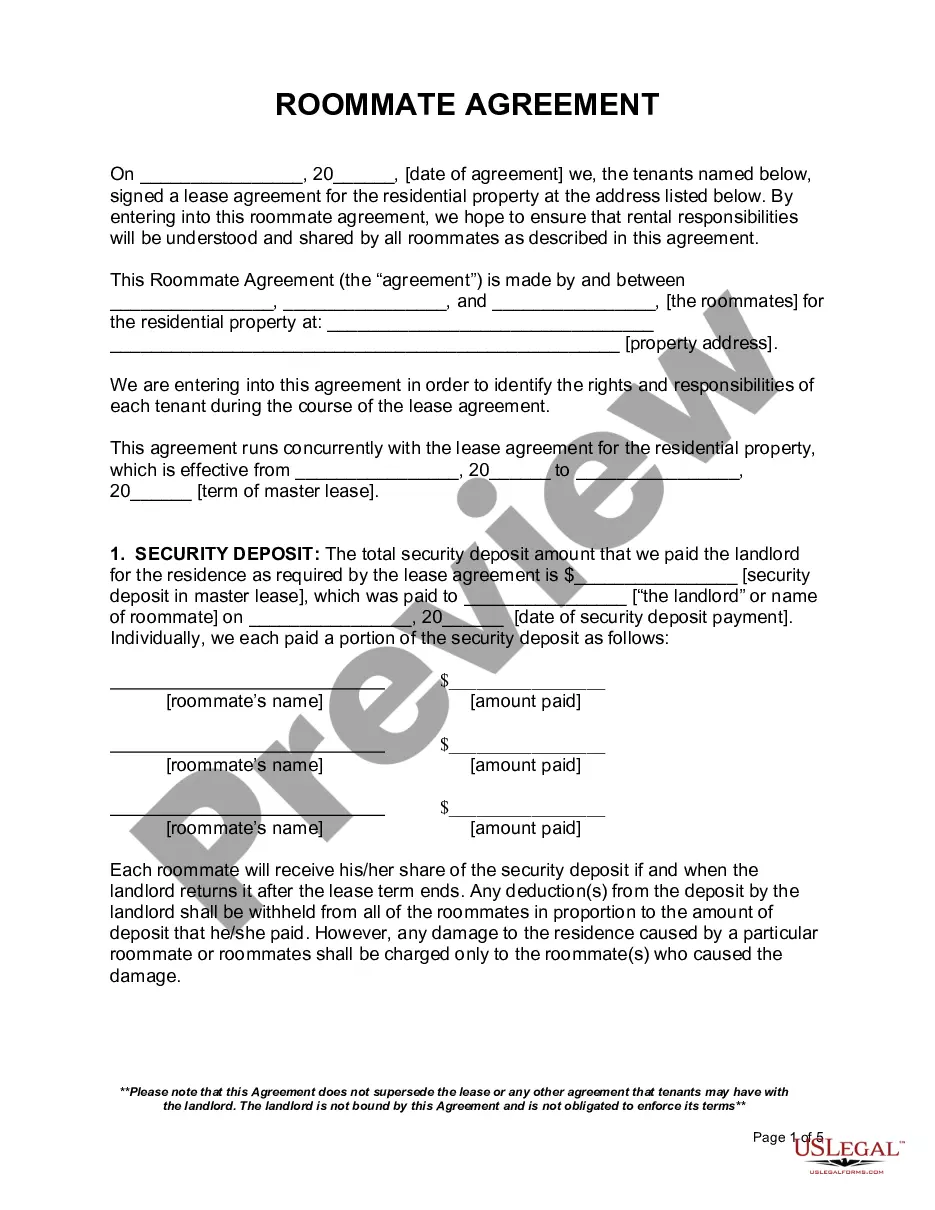
Get your form ready online
Our built-in tools help you complete, sign, share, and store your documents in one place.
Make edits, fill in missing information, and update formatting in US Legal Forms—just like you would in MS Word.
Download a copy, print it, send it by email, or mail it via USPS—whatever works best for your next step.
Sign and collect signatures with our SignNow integration. Send to multiple recipients, set reminders, and more. Go Premium to unlock E-Sign.
If this form requires notarization, complete it online through a secure video call—no need to meet a notary in person or wait for an appointment.
We protect your documents and personal data by following strict security and privacy standards.

Make edits, fill in missing information, and update formatting in US Legal Forms—just like you would in MS Word.

Download a copy, print it, send it by email, or mail it via USPS—whatever works best for your next step.

Sign and collect signatures with our SignNow integration. Send to multiple recipients, set reminders, and more. Go Premium to unlock E-Sign.

If this form requires notarization, complete it online through a secure video call—no need to meet a notary in person or wait for an appointment.

We protect your documents and personal data by following strict security and privacy standards.
Looking for another form?








Form popularity
FAQ
A common law spouse can inherit from a decedent's estate whether the decedent died with or without a valid will. In Texas estate law, a common-law spouse is afforded the same rights and privileges as those afforded to a spouse in a formal or traditional marriage. These rights include: Community property.
In Texas, specific rules govern the concept of common law marriage, including the “common law marriage 6 months rule.” This rule stipulates that couples can be considered legally married if they have lived together and presented themselves as a married couple for at least six months, along with meeting other criteria.
Spousal Maintenance and the 10 Year Marriage Alimony – or spousal maintenance in Texas Law – is rarely awarded in Texas divorces. However, the likelihood of court ordered spousal maintenance increases for couples married at least 10 years.
Texas law states that a common law marriage may be proved by evidence that the couple: "agreed to be married"; and. "after the agreement they lived together in this state as husband and wife"; and they. "represented to others that they were married."
There is no minimum amount of time a couple needs to live together to be considered common law married. For example, a couple could live together for one day and be considered common law married if they agree to be married and hold themselves out as such.
A marriage contract is an agreement signed before or after a wedding that provides a private and custom-made set of rules for dividing the couple's property should they separate and divorce or die. In fact, a marriage contract can overlap in many of its functions with a Will.
(a1) A contract between a husband and wife made, with or without a valuable consideration, during a period of separation to waive, release, or establish rights and obligations to post separation support, alimony, or spousal support is valid and not inconsistent with public policy.
A marital contract is a legal agreement between two individuals before marriage. This agreement outlines the both parties' various rights and obligations in case of separation or divorce. The contract's contents can vary depending on the couple's preferences and circumstances.
There are few requirements for Texas premarital agreements. Primarily, the agreement just has to be in writing and signed by both spouses. Of course, it has to be signed before the marriage is official. Otherwise, it would be a post-marital agreement, which is a different sort of agreement.
Yes, you can write your own prenuptial agreements in Texas.
