Roommate Agreement With Boyfriend With Girlfriend In Ohio
Description


Get your form ready online
Our built-in tools help you complete, sign, share, and store your documents in one place.
Make edits, fill in missing information, and update formatting in US Legal Forms—just like you would in MS Word.
Download a copy, print it, send it by email, or mail it via USPS—whatever works best for your next step.
Sign and collect signatures with our SignNow integration. Send to multiple recipients, set reminders, and more. Go Premium to unlock E-Sign.
If this form requires notarization, complete it online through a secure video call—no need to meet a notary in person or wait for an appointment.
We protect your documents and personal data by following strict security and privacy standards.

Make edits, fill in missing information, and update formatting in US Legal Forms—just like you would in MS Word.

Download a copy, print it, send it by email, or mail it via USPS—whatever works best for your next step.

Sign and collect signatures with our SignNow integration. Send to multiple recipients, set reminders, and more. Go Premium to unlock E-Sign.

If this form requires notarization, complete it online through a secure video call—no need to meet a notary in person or wait for an appointment.

We protect your documents and personal data by following strict security and privacy standards.
Looking for another form?
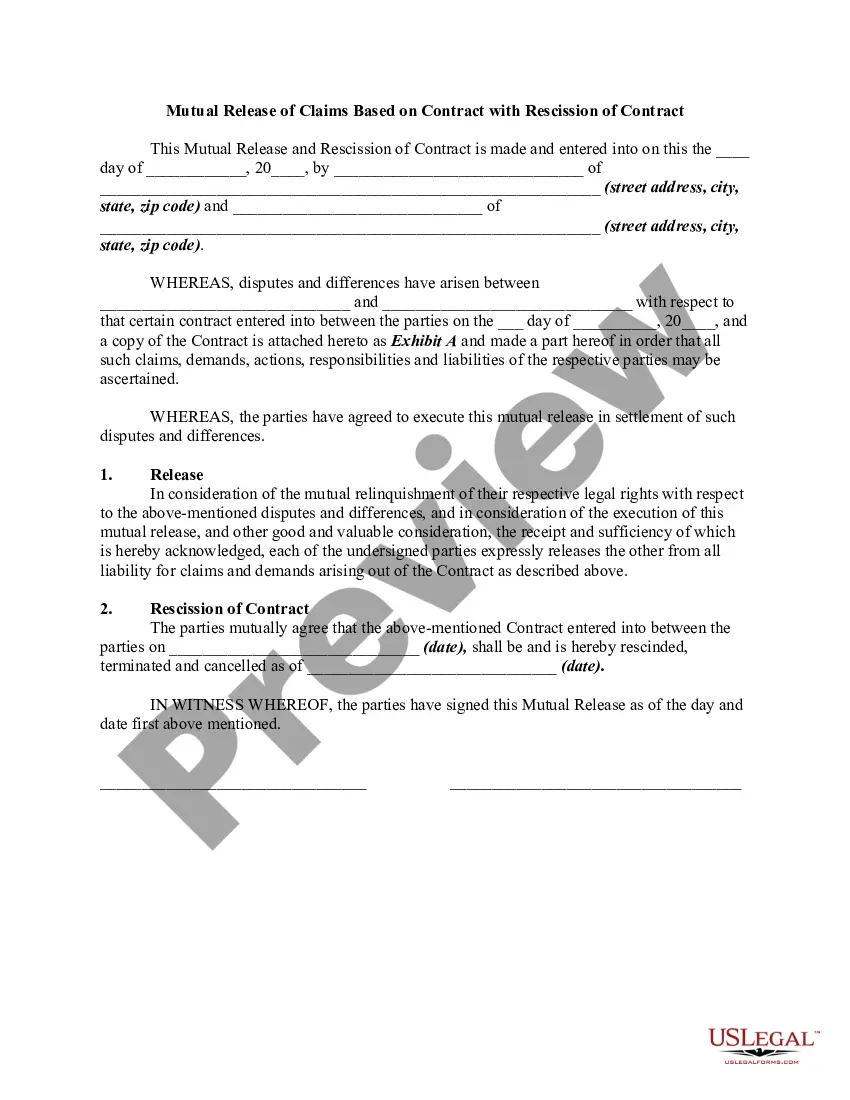

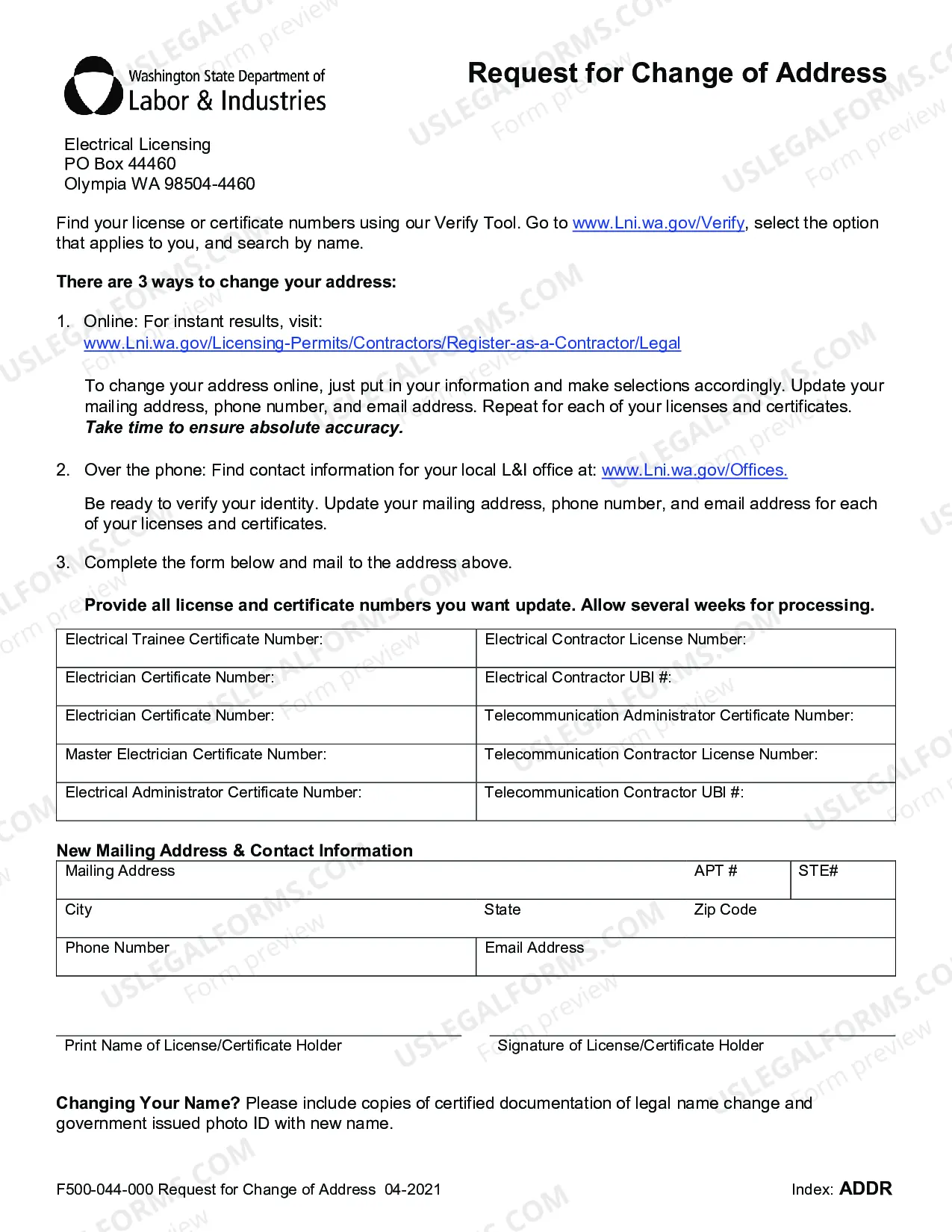
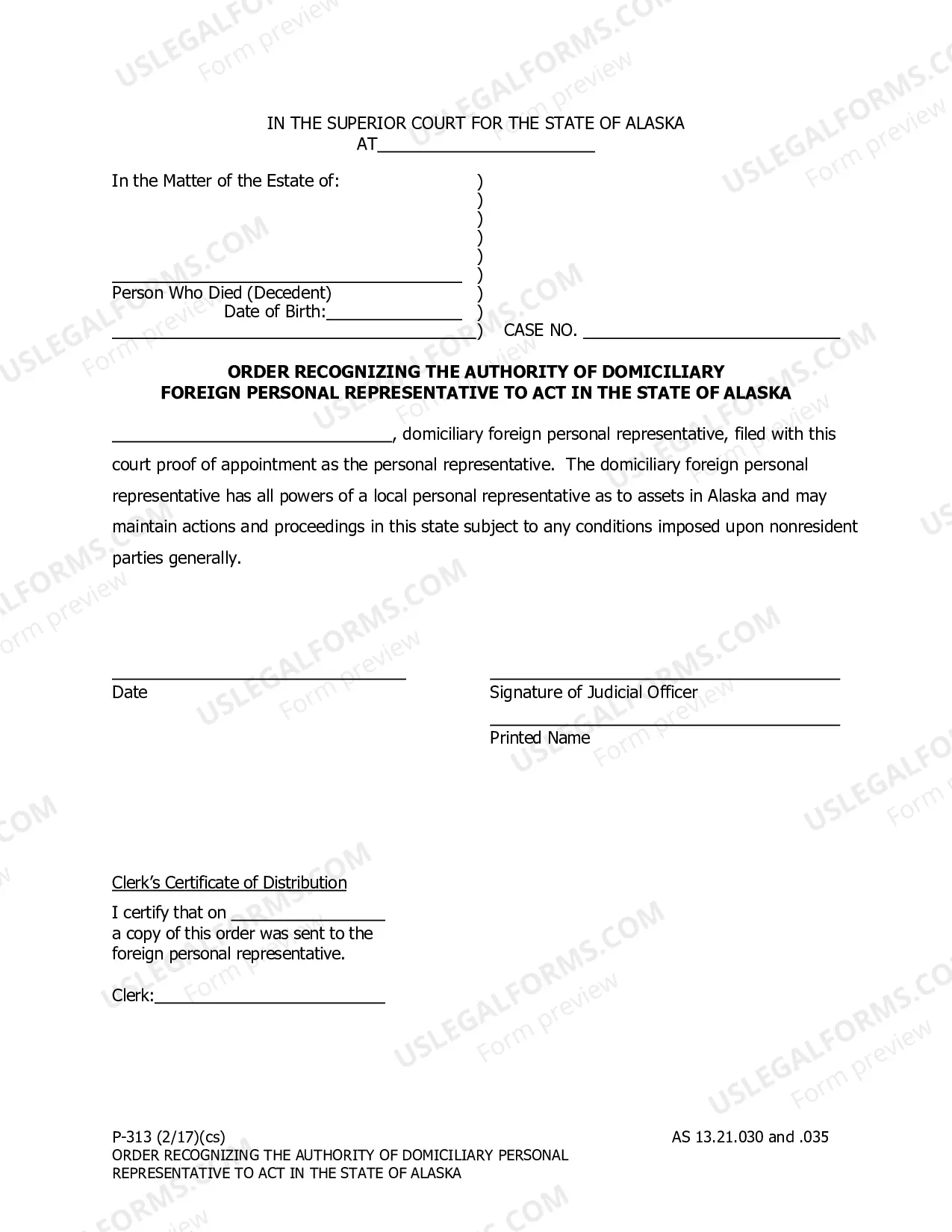



Form popularity
FAQ
A tenant has a lease agreement for a specific term of time at a specific rate. A lodger is usually a short time rental with or without a specific time designated.
Length of stay: The length of stay and contract distinguishes a tenant from a guest. Tenants sign a lease agreement and stay for an extended period, often months or years. Guests stay for short durations, such as a few days or weeks, and don't have a formal rental agreement.
A lodger rents a furnished room in your home and will have use of other rooms such as the kitchen and bathroom. They may receive some services from you, such as meals, laundry or cleaning. Sub-letting is defined as: A sub-tenant has exclusive use of at least one room, usually a bedroom, in your home.
Any roommate who is named as a tenant in the tenancy agreement is presumptively a tenant with rights and obligations under the Act; whether any roommate is a tenant or not is ultimately a legal determination that can only be made by a Residential Tenancy Branch arbitrator who will weigh the factors in favour and ...
A tenant has a lease agreement for a specific term of time at a specific rate. A lodger is usually a short time rental with or without a specific time designated.
Section 5321.01 | Landlord and tenant definitions. As used in this chapter: (A) "Tenant" means a person entitled under a rental agreement to the use and occupancy of residential premises to the exclusion of others.
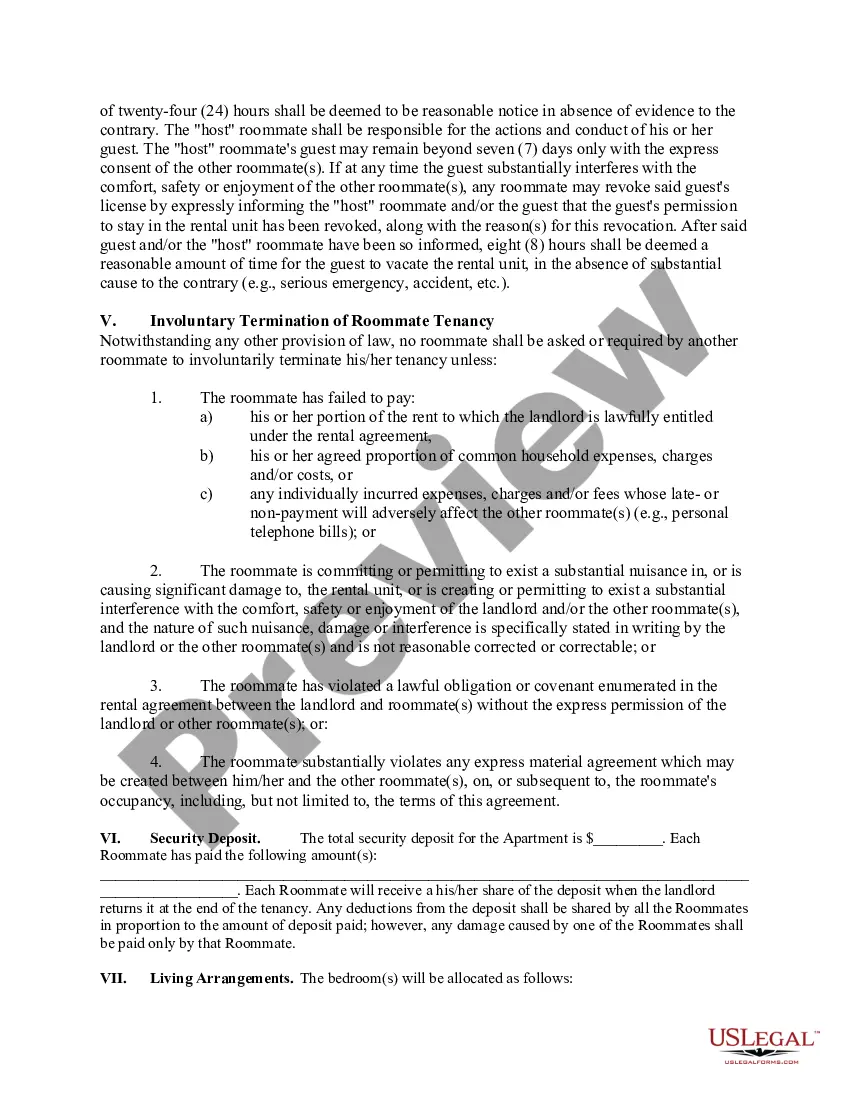
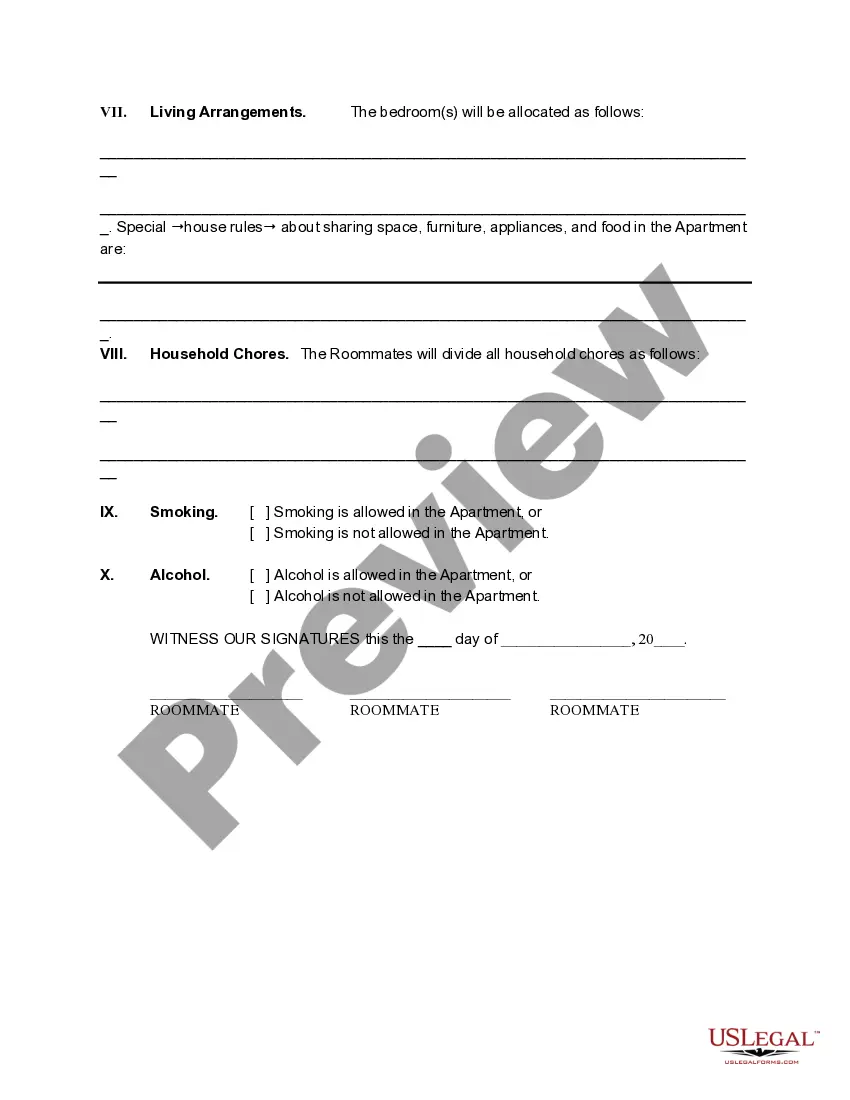
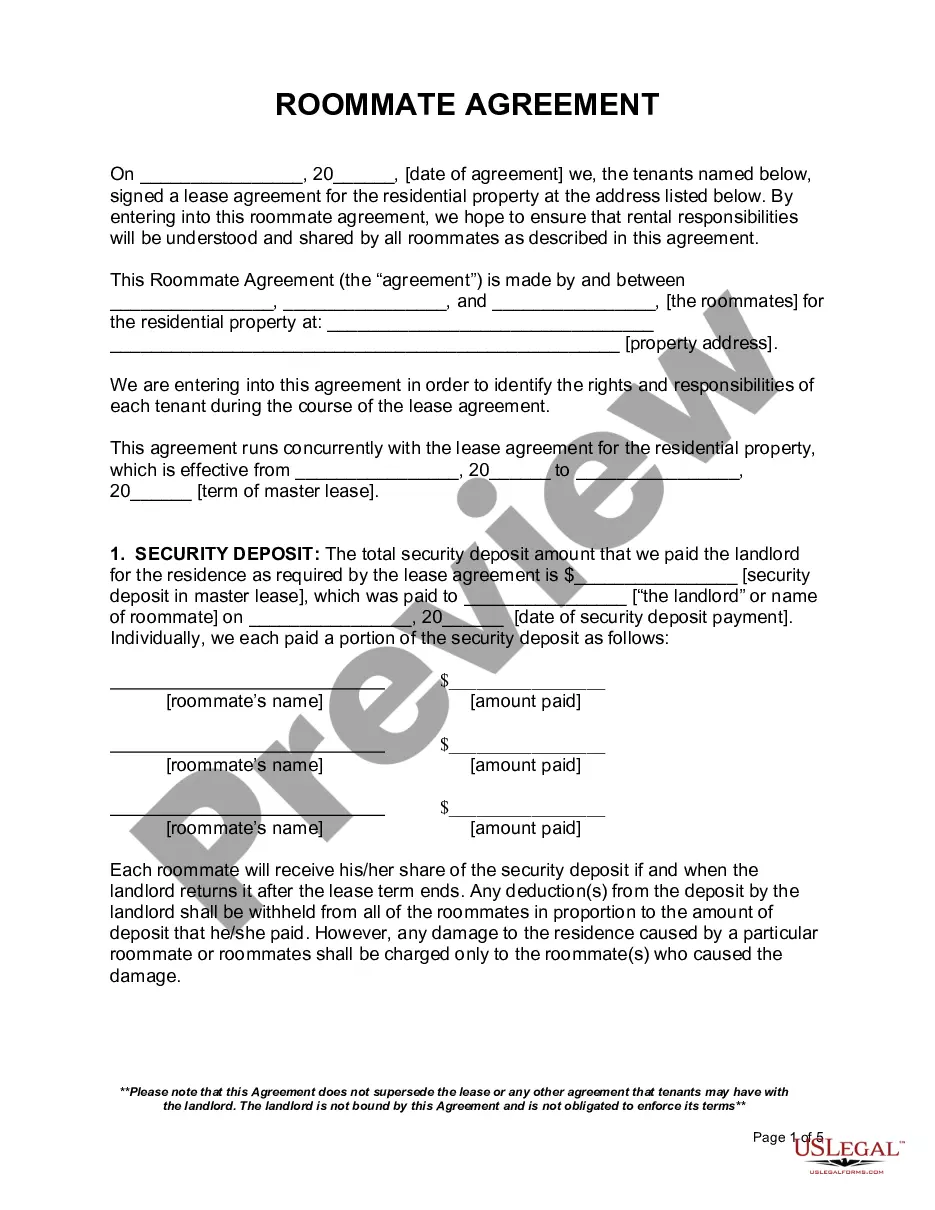
How to write a roommate agreement Names of both tenants. The property address. The dates the lease begins and ends. The amount of rent each person pays. Who pays for utilities. Who pays the security deposit. Which bedroom each person occupies. Who buys food, or if you're each buying your own food.
A Roommate Agreement is a written contract between roommates that outlines their rights and obligations while living together. This agreement includes house rules, maintenance duties, restricted behaviors, and more. For a Roommate Agreement to be useful, everyone sharing the household must agree to it.
How to Balance Your Relationship & Your Roommates Set Time Boundaries Talk to your roommate about his/her schedule. Set Space Boundaries Don't allow your partner to sit in your roommate's chair, bed, or wherever. Ask Before Doing Set Aside Time For the Two of You Get Outta the Dorm
Do Not Use Each Other's Things Without Asking. Not using each other's things without asking is one of the more obvious roommate rules. While some people are more casual about sharing, others are not. You have to learn what kind of person your roommate is and then act ingly.
