Girlfriend Contract With Boyfriend In Georgia
Description


Get your form ready online
Our built-in tools help you complete, sign, share, and store your documents in one place.
Make edits, fill in missing information, and update formatting in US Legal Forms—just like you would in MS Word.
Download a copy, print it, send it by email, or mail it via USPS—whatever works best for your next step.
Sign and collect signatures with our SignNow integration. Send to multiple recipients, set reminders, and more. Go Premium to unlock E-Sign.
If this form requires notarization, complete it online through a secure video call—no need to meet a notary in person or wait for an appointment.
We protect your documents and personal data by following strict security and privacy standards.

Make edits, fill in missing information, and update formatting in US Legal Forms—just like you would in MS Word.

Download a copy, print it, send it by email, or mail it via USPS—whatever works best for your next step.

Sign and collect signatures with our SignNow integration. Send to multiple recipients, set reminders, and more. Go Premium to unlock E-Sign.

If this form requires notarization, complete it online through a secure video call—no need to meet a notary in person or wait for an appointment.

We protect your documents and personal data by following strict security and privacy standards.
Looking for another form?





Form popularity
FAQ
Thus, it is crucial for cohabiting couples in Georgia to understand their legal situation and take proactive steps to protect their interests. Unlike many states, Georgia doesn't legally recognize cohabitation in the same way as marriage—or, really, in any way.
As the landscape of relationships continues to evolve, understanding the legal implications of cohabitation becomes increasingly important. While cohabiting couples in Georgia do not enjoy the same legal protections as married couples, they can still take steps to safeguard their rights.
The contract in a common law marriage is the agreement of the parties to be husband and wife and that they hold themselves out to be married in the public's eye. Consummation of the marriage refers to cohabitation, but there is no set length of time that the couple must live together.
There is no statewide Georgia law that governs domestic partnerships. Instead, only some Georgia cities and counties have ordinances for establishing and governing domestic partnerships.
Domestic partnership is not available statewide in Georgia. Rather than being authorized under the Georgia Code, it is, instead, up to individual cities and counties within the state to decide whether to offer it and to create the rules and regulations governing these agreements.
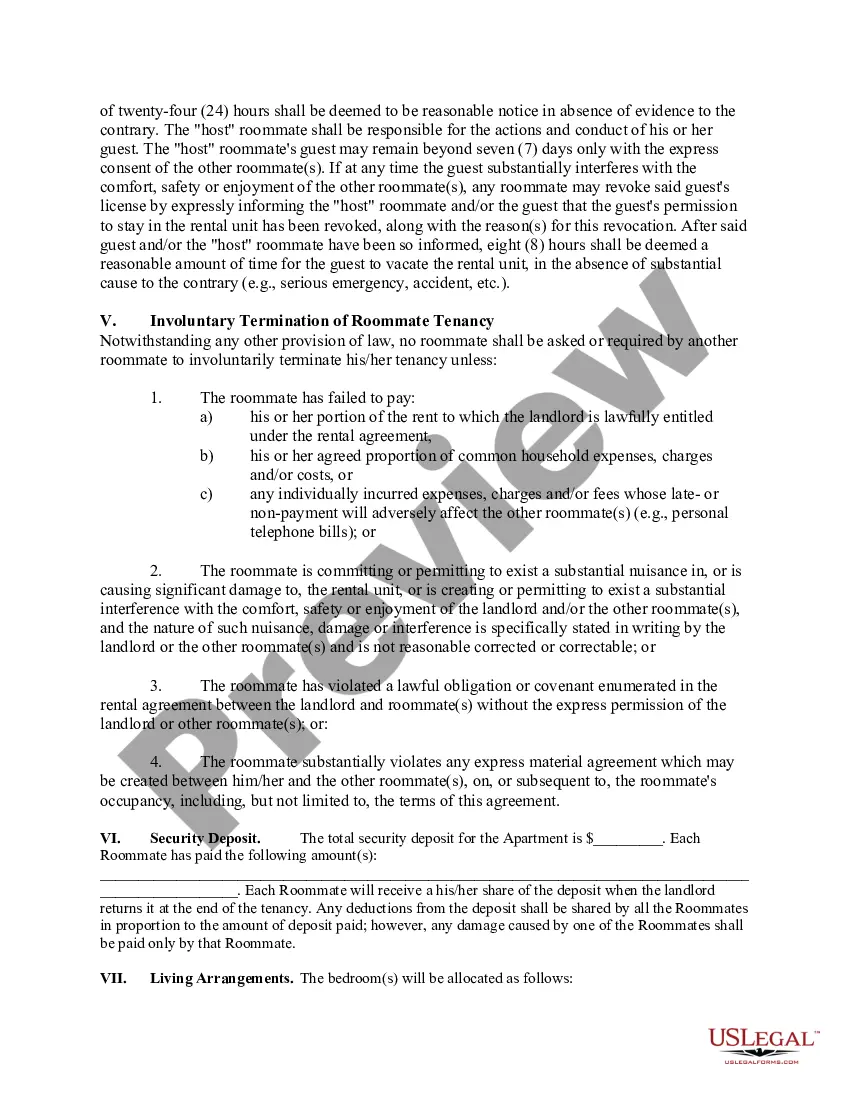
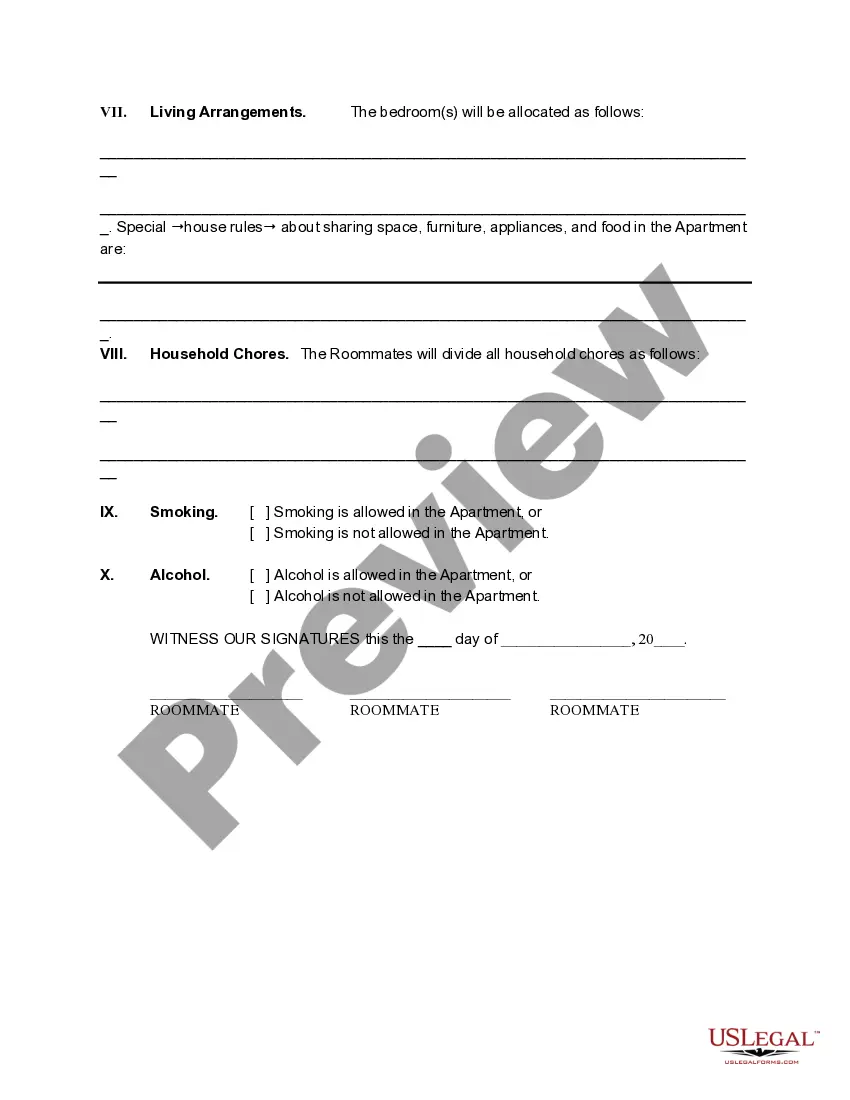
Yes, it is possible for a boyfriend and girlfriend to create a contract. This contract could cover various aspects of their relationship, such as financial agreements, living arrangements, division of responsibilities, and expectations from each other.
The "live-in lover" law gave courts the power to modify awards of alimony and support on petition of the husband. By statute, it was required that the husband show in his petition that the former wife was openly and continuously in voluntary cohabitation with another man.
While cohabiting couples in Georgia do not enjoy the same legal protections as married couples, they can still take steps to safeguard their rights.
