Master Deed For A Condominium In Nassau
Description

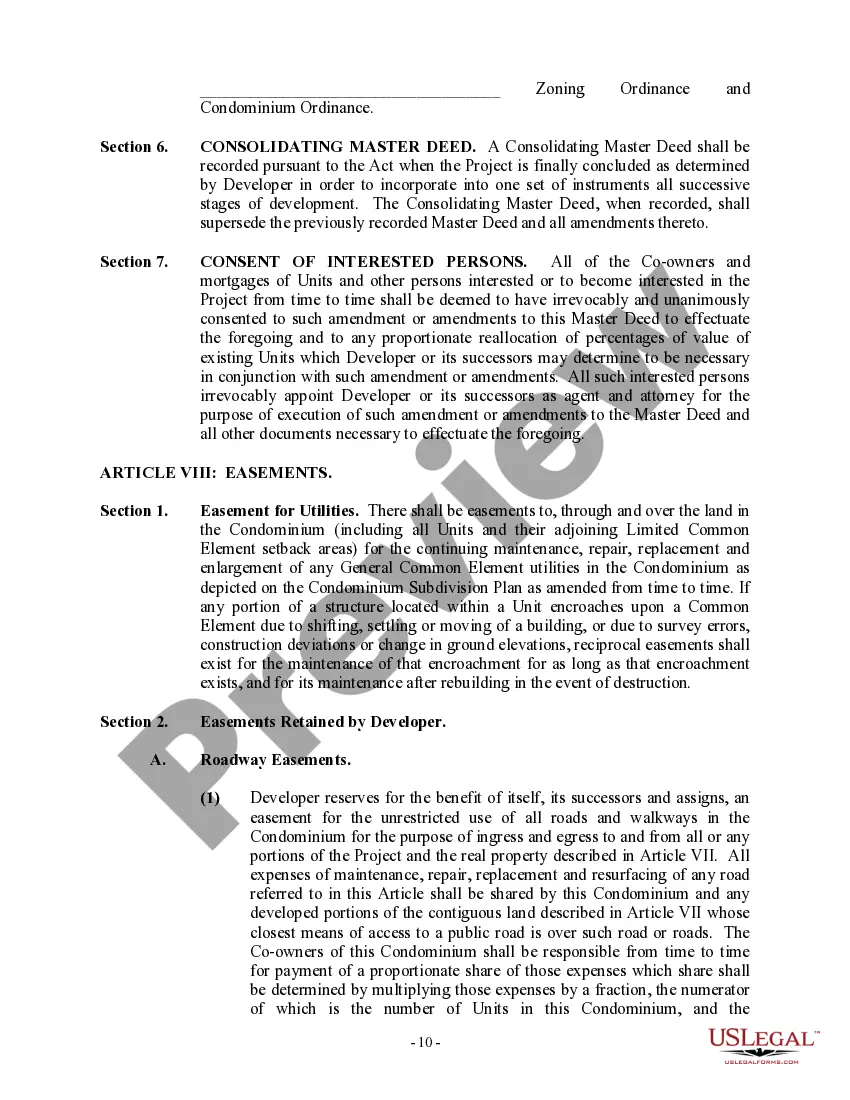


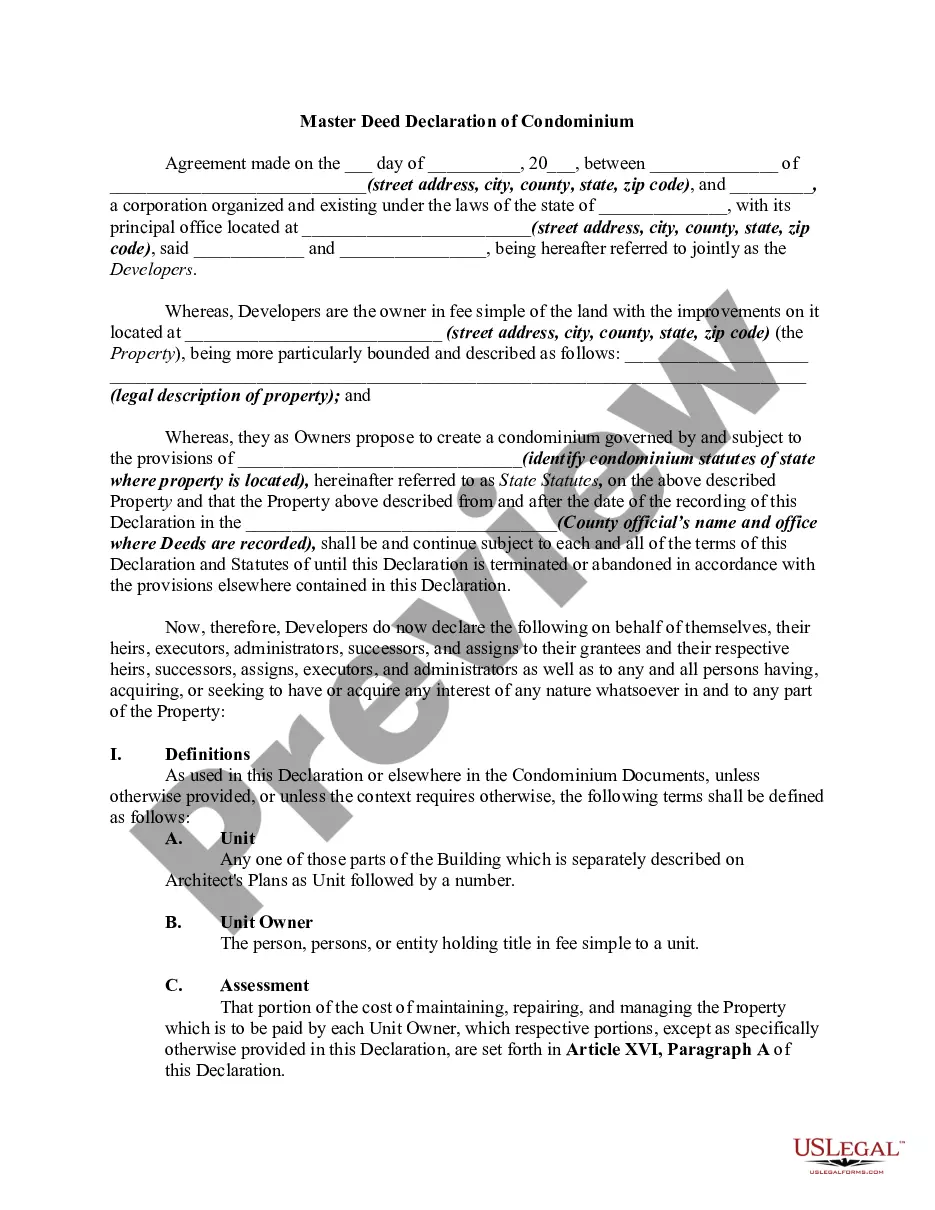
Get your form ready online
Our built-in tools help you complete, sign, share, and store your documents in one place.
Make edits, fill in missing information, and update formatting in US Legal Forms—just like you would in MS Word.
Download a copy, print it, send it by email, or mail it via USPS—whatever works best for your next step.
Sign and collect signatures with our SignNow integration. Send to multiple recipients, set reminders, and more. Go Premium to unlock E-Sign.
If this form requires notarization, complete it online through a secure video call—no need to meet a notary in person or wait for an appointment.
We protect your documents and personal data by following strict security and privacy standards.

Make edits, fill in missing information, and update formatting in US Legal Forms—just like you would in MS Word.

Download a copy, print it, send it by email, or mail it via USPS—whatever works best for your next step.

Sign and collect signatures with our SignNow integration. Send to multiple recipients, set reminders, and more. Go Premium to unlock E-Sign.

If this form requires notarization, complete it online through a secure video call—no need to meet a notary in person or wait for an appointment.

We protect your documents and personal data by following strict security and privacy standards.
Looking for another form?


Form popularity
FAQ
What Are My Rights as a Condo Owner? As a condo owner, you have the right to use your unit as provided in the master deed – if it's a residential inium unit – in a way that allows you to maintain a reasonable standard of living as required by Massachusetts health, safety and building laws.
In Massachusetts, there are primarily three types of deeds that are used in all transactions: Release Deeds, Quitclaim Deeds, and Warranty Deeds. The vast majority of property in Massachusetts is transferred via a quitclaim deed.
Your will can only give away assets that are entirely yours, so if you own partial interest in the land—for example, as a tenant in common with siblings—then you can only give away your share of the ownership. As previously noted, a will cannot override the ownership of the land as stated on your deed.
Essentially a quitclaim deed provides the same protections as a warranty deed, except it limits how far back in time the grantor is liable for any problems resulting from the title.
The master deed is one of the documents that transfer property to be owned by the inium. It includes a description of the land and buildings, a description of what is the common area and what the individual owners own, a determination of percentage interest, a plot plan, and use restrictions.
These records can be accessed by visiting the County Clerk's Office in person, performing an online search, or submitting a request by mail using their form. Fees for obtaining copies of property records in Nassau County, NY, vary based on the type of document and other services requested.
When a common interest development deteriorates to the point that basic safety and habitability are called into question, the local government authority must act to either force the owners to repair it, or failing that, to close it down.
Your inium doesn't have a lifespan, but the corporation managing it has one. In the Philippines, 50 years is the lifespan of all companies and corporations, big or small. However, the corporation can still be renewed for another 50 years, so your inium ownership does not necessarily end at that point.
Ownership of a inium unit is evidenced by a inium certificate of title. With respect to real property other than land and inium units, there is no system that is equivalent to the Torrens system for registration under which a document is issued to evidence the owner's title.
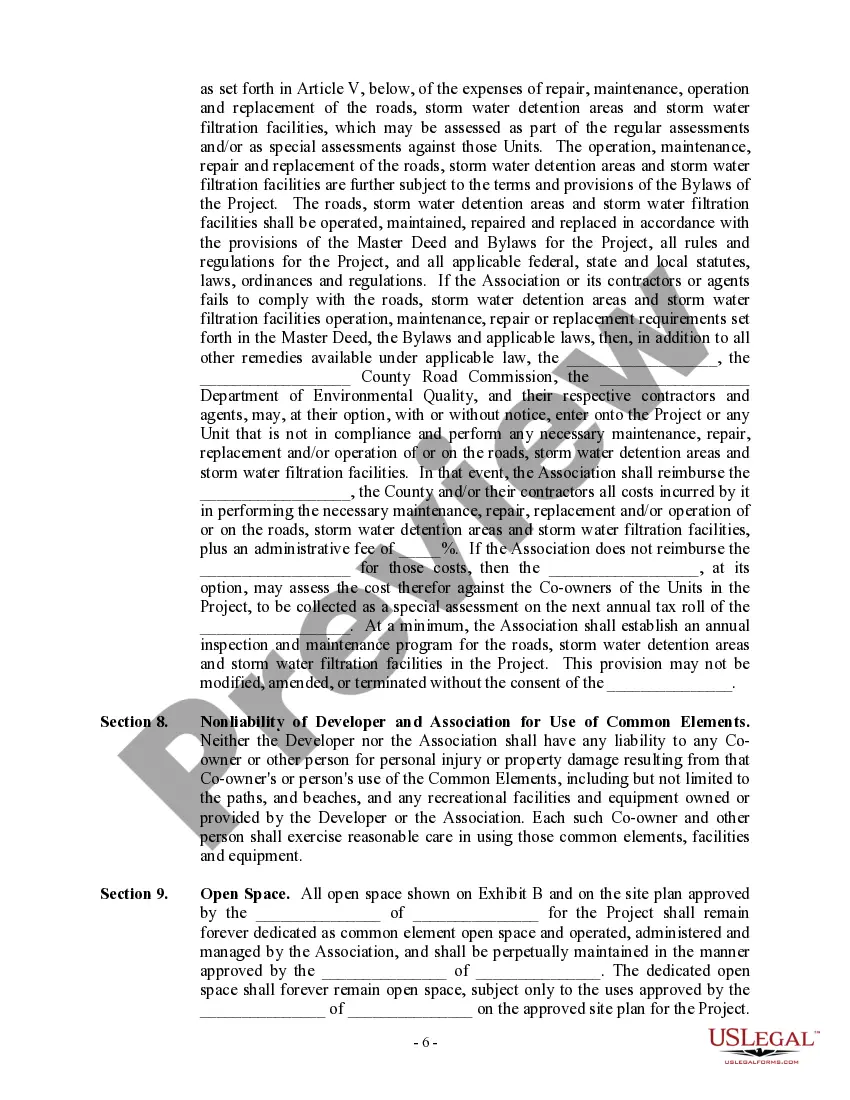
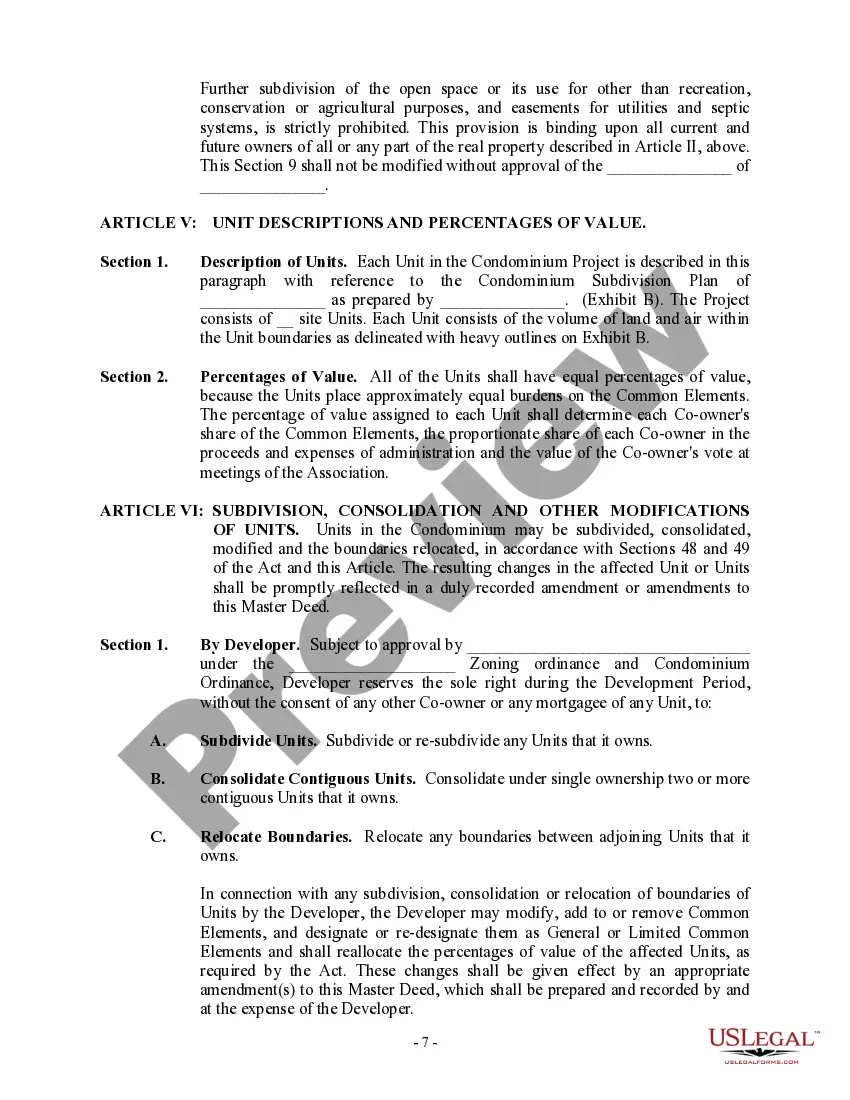
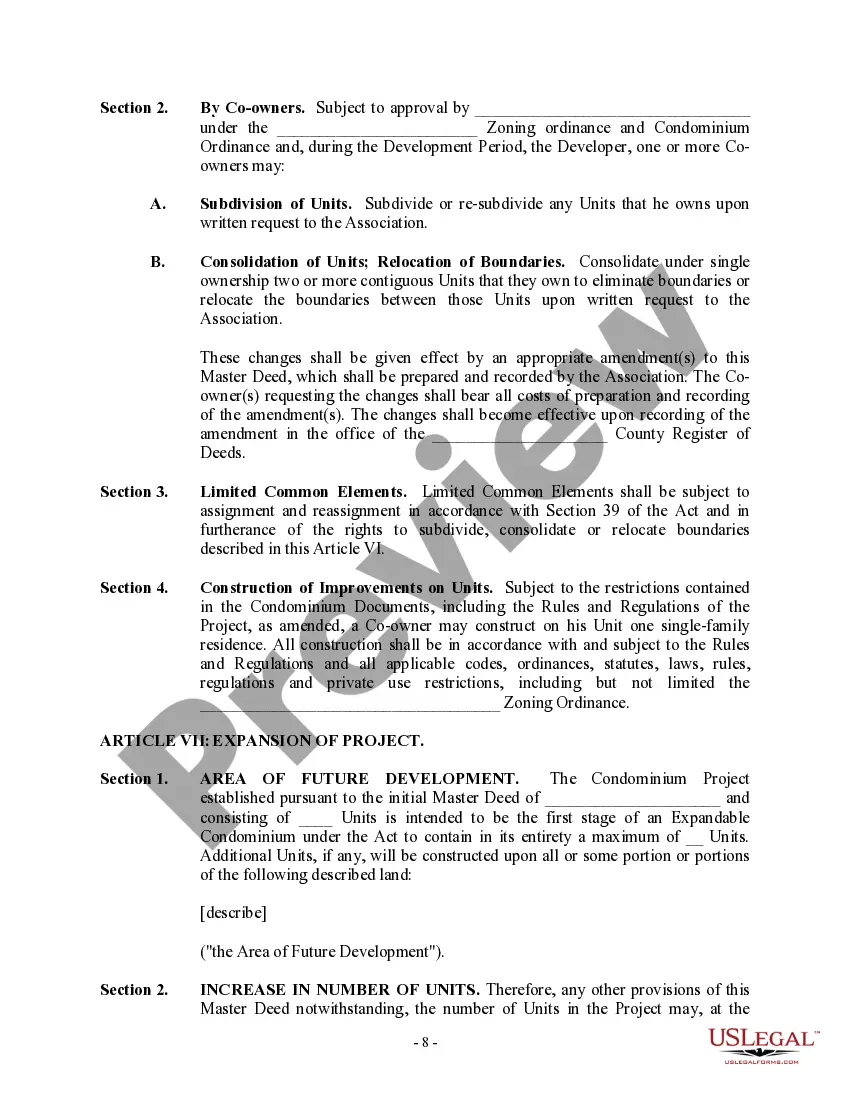
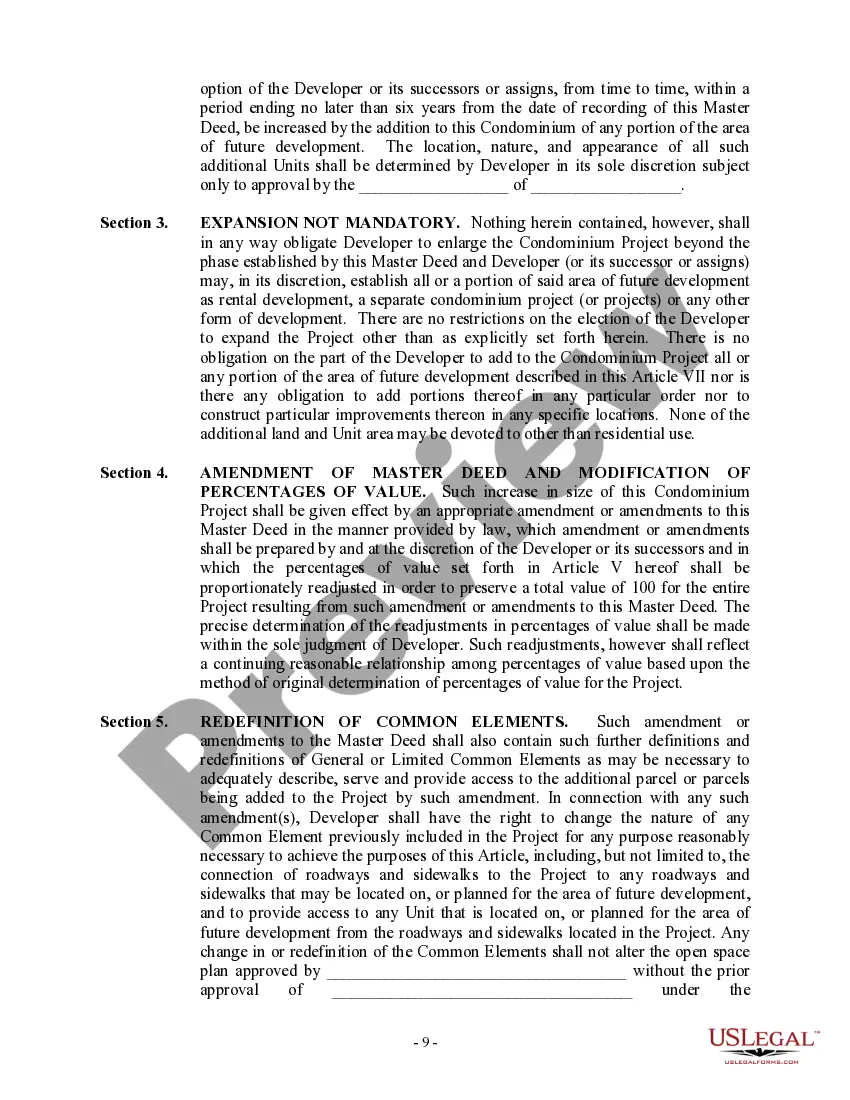
Master Deed/Declaration of Covenants and Restrictions It is filed with the county clerk's office where the community is located and outlines the physical boundaries of the property, including common areas, limited common elements or areas, and individual units/lots.
