Condo Master Deed And Bylaws In Illinois
Description

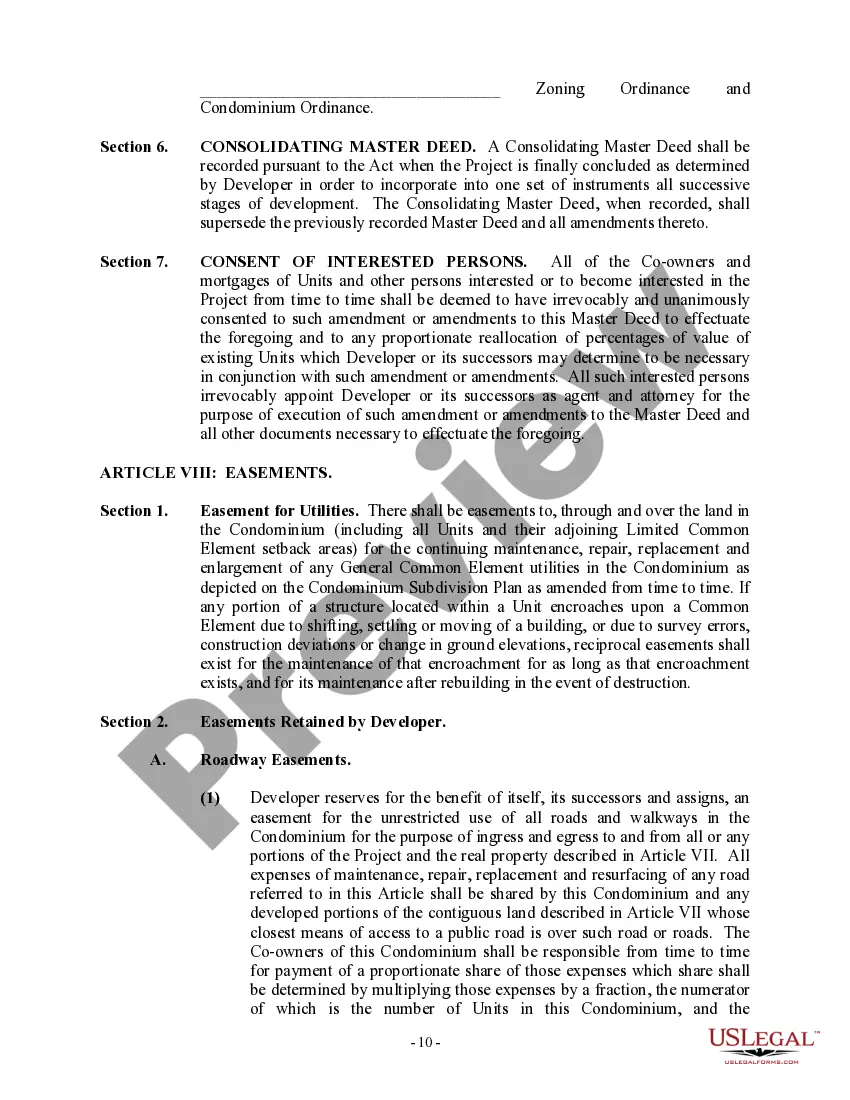


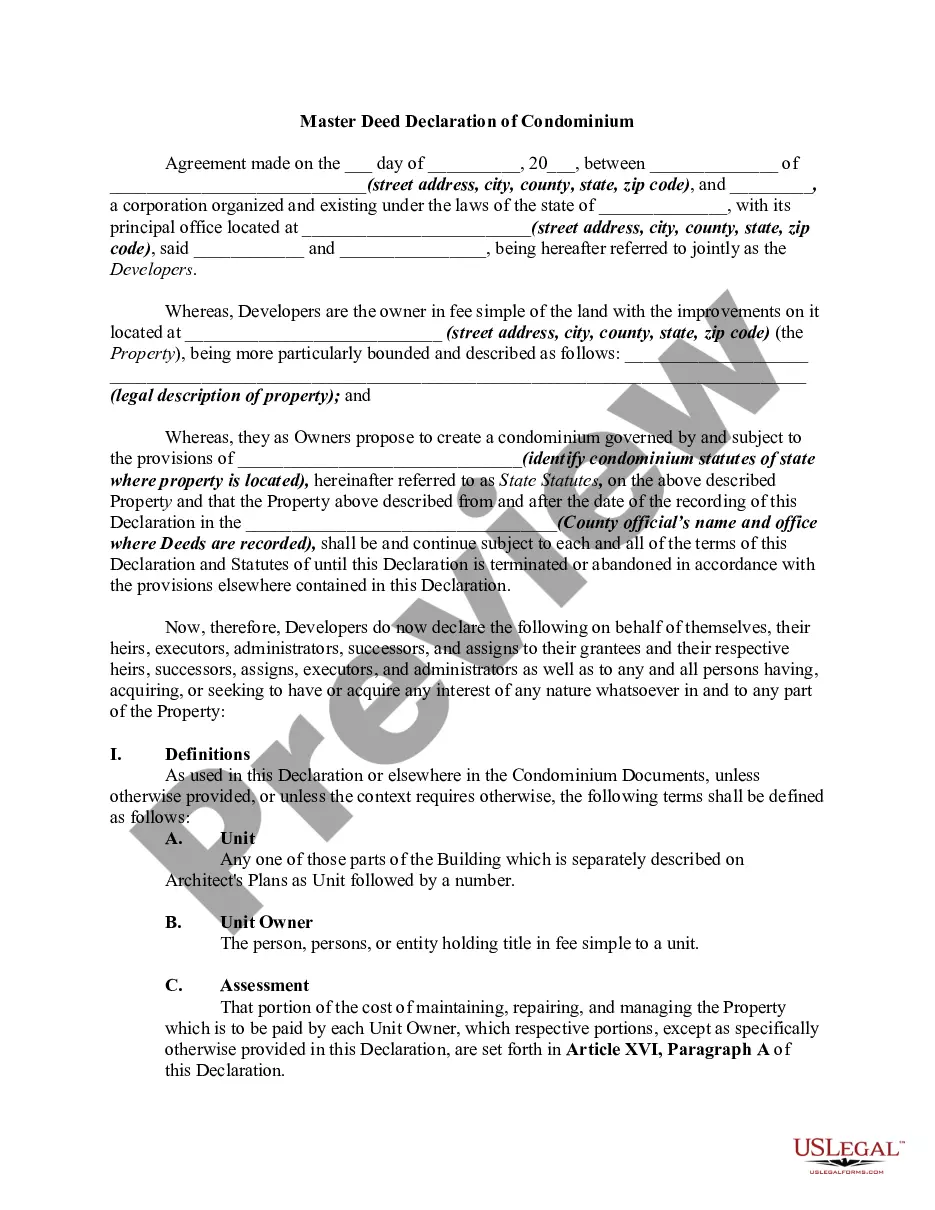
Get your form ready online
Our built-in tools help you complete, sign, share, and store your documents in one place.
Make edits, fill in missing information, and update formatting in US Legal Forms—just like you would in MS Word.
Download a copy, print it, send it by email, or mail it via USPS—whatever works best for your next step.
Sign and collect signatures with our SignNow integration. Send to multiple recipients, set reminders, and more. Go Premium to unlock E-Sign.
If this form requires notarization, complete it online through a secure video call—no need to meet a notary in person or wait for an appointment.
We protect your documents and personal data by following strict security and privacy standards.

Make edits, fill in missing information, and update formatting in US Legal Forms—just like you would in MS Word.

Download a copy, print it, send it by email, or mail it via USPS—whatever works best for your next step.

Sign and collect signatures with our SignNow integration. Send to multiple recipients, set reminders, and more. Go Premium to unlock E-Sign.

If this form requires notarization, complete it online through a secure video call—no need to meet a notary in person or wait for an appointment.

We protect your documents and personal data by following strict security and privacy standards.
Looking for another form?







Form popularity
FAQ
On the flip side, board members can be held personally liable if they engage in illegal activities, breach their fiduciary duties or personally benefit from association transactions.
Under normal circumstances, a director can personally assume liabilities arising from an investigation into the company for insolvency purposes, where the business was found to be guilty of wrongful trading (i.e. where a person who is or was a director of the company concludes, or ought to have concluded, that there is ...
If the inium instruments do not provide otherwise, 2/3 unit owner approval is required to amend the governing documents. The inium instruments can provide for necessary approval of up to 3/4 owner approval, however. The approved amendment would then be recorded and would become effective upon recording.
Inium associations in Chicago are primarily regulated by state law, specifically the Illinois inium Property Act (ICPA). This act governs the creation, management and dissolution of iniums in Chicago and throughout Illinois.
When a homeowner sues the HOA board or condo board members, they can use the Business Judgement Rule to protect themselves from liability. Under this legislation, the board of directors is immune from personal liability if they can prove that their actions or decisions were reasonable and made in good faith.
General amendments to inium instruments are governed by Section 27 of the Illinois inium Property Act, which states that an affirmative vote of 2/3 of voting unit owners must approve amendments, unless the inium instruments provide for some other majority vote somewhere between 50% and 75%.
Sec. 9.1. (a) Other liens; attachment and satisfaction. Subsequent to the recording of the declaration, no liens of any nature shall be created or arise against any portion of the property except against an individual unit or units.
The Illinois General Not for Profit Corporation Act, which governs the vast majority of associations, requires that the board of directors of a corporation consist of three or more directors with the number of directors established in the bylaws.
