Condo Common Element For Rent In California
Description



Get your form ready online
Our built-in tools help you complete, sign, share, and store your documents in one place.
Make edits, fill in missing information, and update formatting in US Legal Forms—just like you would in MS Word.
Download a copy, print it, send it by email, or mail it via USPS—whatever works best for your next step.
Sign and collect signatures with our SignNow integration. Send to multiple recipients, set reminders, and more. Go Premium to unlock E-Sign.
If this form requires notarization, complete it online through a secure video call—no need to meet a notary in person or wait for an appointment.
We protect your documents and personal data by following strict security and privacy standards.

Make edits, fill in missing information, and update formatting in US Legal Forms—just like you would in MS Word.

Download a copy, print it, send it by email, or mail it via USPS—whatever works best for your next step.

Sign and collect signatures with our SignNow integration. Send to multiple recipients, set reminders, and more. Go Premium to unlock E-Sign.

If this form requires notarization, complete it online through a secure video call—no need to meet a notary in person or wait for an appointment.

We protect your documents and personal data by following strict security and privacy standards.
Looking for another form?









Form popularity
FAQ
Overview of AB 3182 Specifically, HOAs can't enforce rental caps that limit rentals to less than 25% of the units, nor can they impose upfront fees to lease a property. By limiting rental caps, AB 3182 aims to increase the availability of rental housing in California.
Pursuant to the Costa-Hawkins Rental Housing Act, as of January 1, 1999 single-family homes and iniums are generally exempt from the rent increase limitations (but not the just cause eviction provisions) of the Rent Ordinance, but ONLY IF the tenancy commenced on or after January 1, 1996.
Therefore, the bill has explicit provisions on how much a landlord can raise the rent in California, allowing them to only increase the rent by a maximum of 5% each year if they live up to the following requirements: They keep their units habitable.
The type of ADU you build If you build an ADU in L.A. that's completely detached, it will be exempt from the local rent stabilization ordinance unless the ADU took the place of units that had been rent-controlled. The house, meanwhile, will fall under the city ordinance if it was built before October 1978.
Any rental unit built after 2/1/95, as well as houses and condos, are not under rent restrictions. Even where these rent restrictions do not apply, eviction protections do continue.
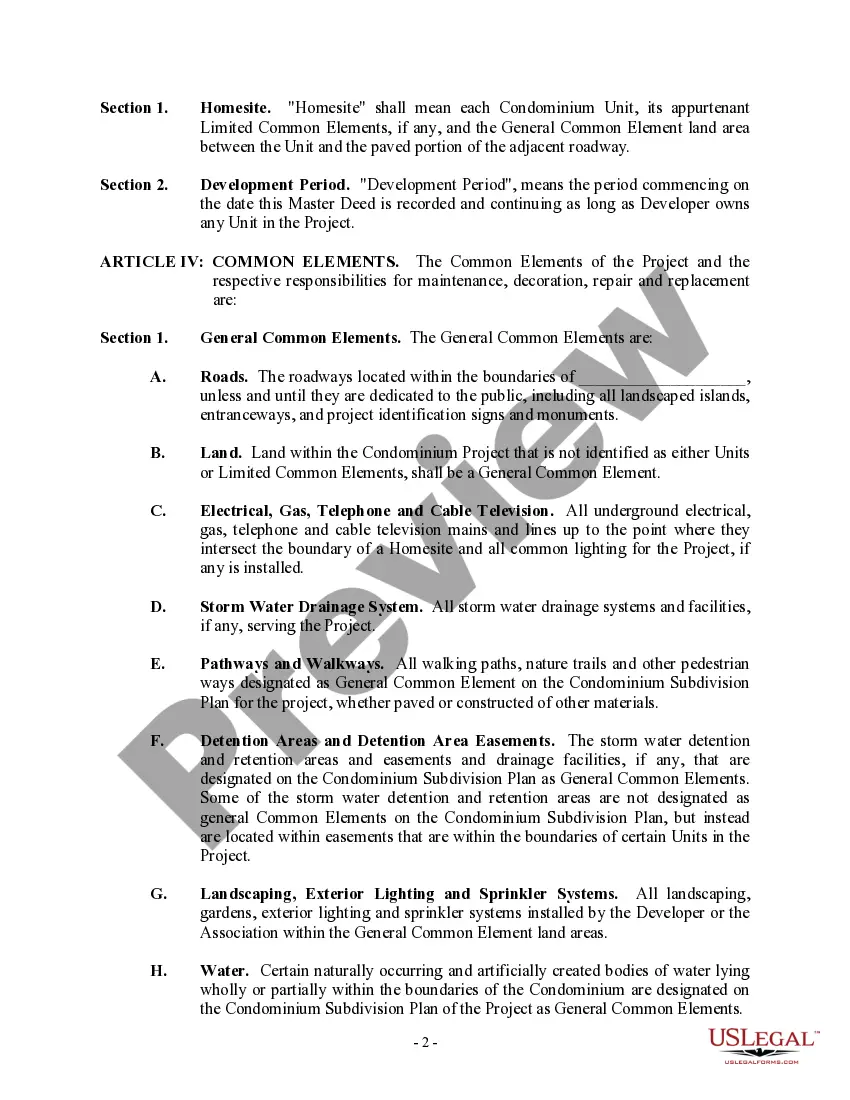
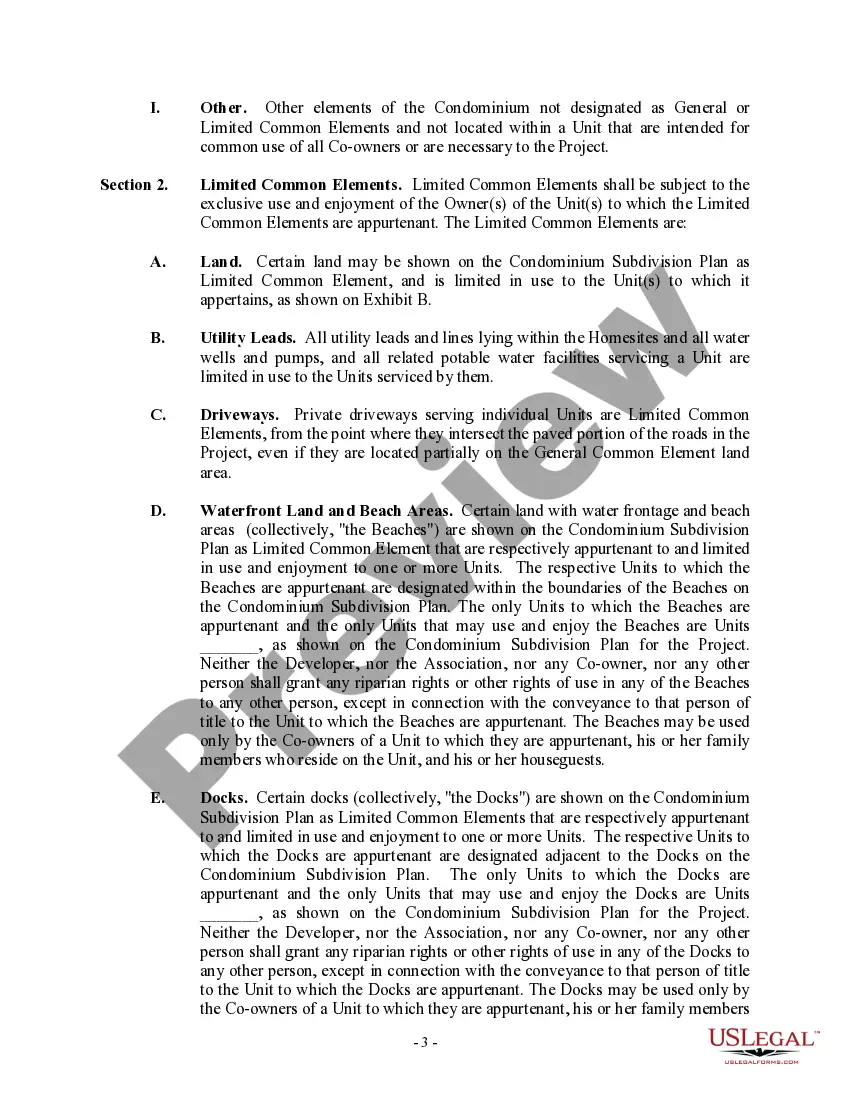
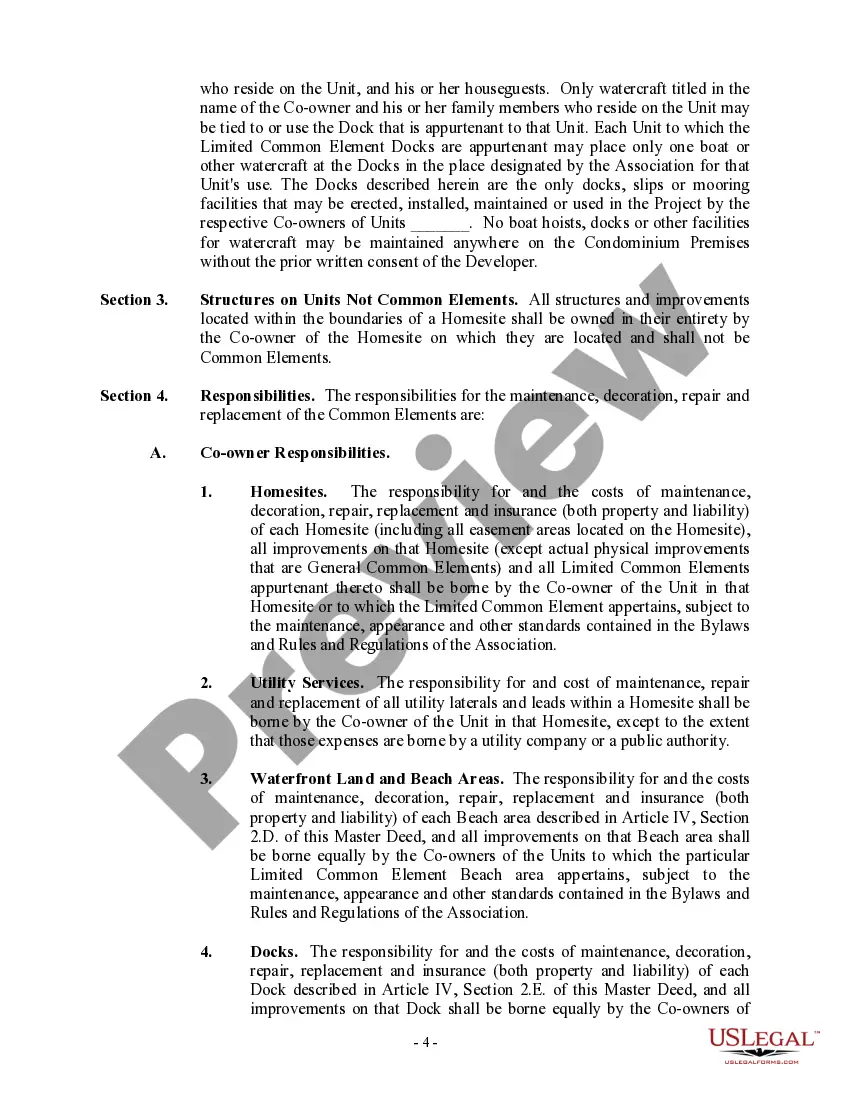
Kitchen appliances within the units are not considered part of the common elements of a inium project since they are typically owned and maintained by individual unit owners. Swimming pools and greenbelt areas are examples of common elements as they are shared facilities within the inium project.
Generally, the RSO applies to rental properties that were first built on or before October 1, 1978 as well as replacement units under RSO Section 151.28 and if any of the following: Apartment. inium. Townhome.
