Condo Bylaws Vs. Rules And Regulations In Wake
Description














Get your form ready online
Our built-in tools help you complete, sign, share, and store your documents in one place.
Make edits, fill in missing information, and update formatting in US Legal Forms—just like you would in MS Word.
Download a copy, print it, send it by email, or mail it via USPS—whatever works best for your next step.
Sign and collect signatures with our SignNow integration. Send to multiple recipients, set reminders, and more. Go Premium to unlock E-Sign.
If this form requires notarization, complete it online through a secure video call—no need to meet a notary in person or wait for an appointment.
We protect your documents and personal data by following strict security and privacy standards.

Make edits, fill in missing information, and update formatting in US Legal Forms—just like you would in MS Word.

Download a copy, print it, send it by email, or mail it via USPS—whatever works best for your next step.

Sign and collect signatures with our SignNow integration. Send to multiple recipients, set reminders, and more. Go Premium to unlock E-Sign.

If this form requires notarization, complete it online through a secure video call—no need to meet a notary in person or wait for an appointment.

We protect your documents and personal data by following strict security and privacy standards.
Looking for another form?







Form popularity
FAQ
The main set of rules of a condo association is found in a governing document known as the Declaration of Covenants, Conditions and Restrictions (CC&Rs). The CC&Rs primarily set guidelines for how you can utilize the building or complex, including the common areas and perhaps your individual inium.
In some states, such as California, HOA bylaws are considered public record and must be made available upon request. In other states, such as Virginia, HOA bylaws are not considered public record and therefore are not required to be made publicly available.
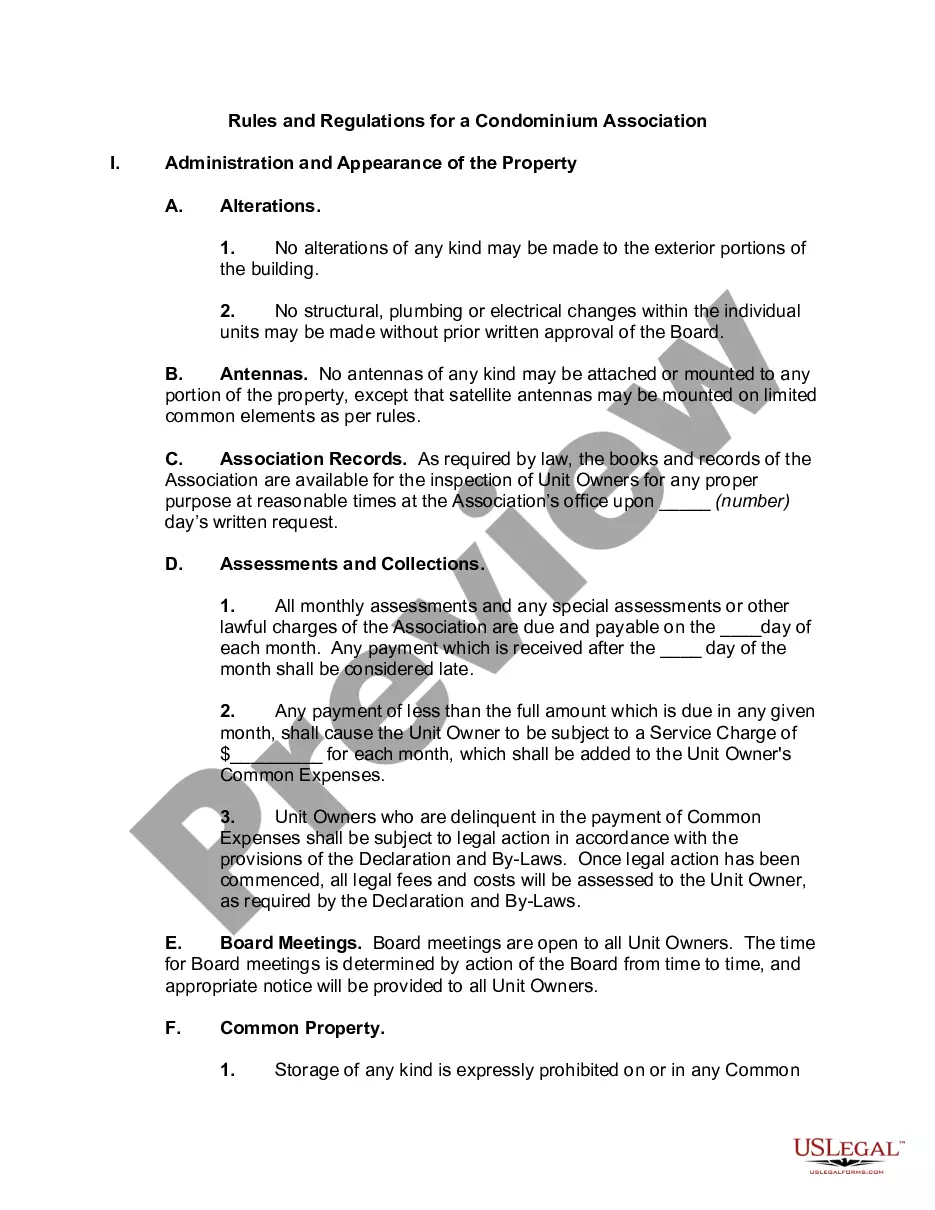
House Rules are different from Bylaws in that they can be implemented and changed by the Board of Directors without the need for unit owner approval – which means that they can be changed more easily. Bylaws will very often set forth restrictions on the use of units in the condo.
Declaration of Covenants, Conditions and Restrictions, or “CC&Rs” The Declaration of Covenants, Conditions and Restrictions, or “CC&Rs”, is the primary and most important governing document for a inium or planned development, and is required for all iniums and planned developments.
