Bylaws Condo Association With Regulations In Virginia
Description

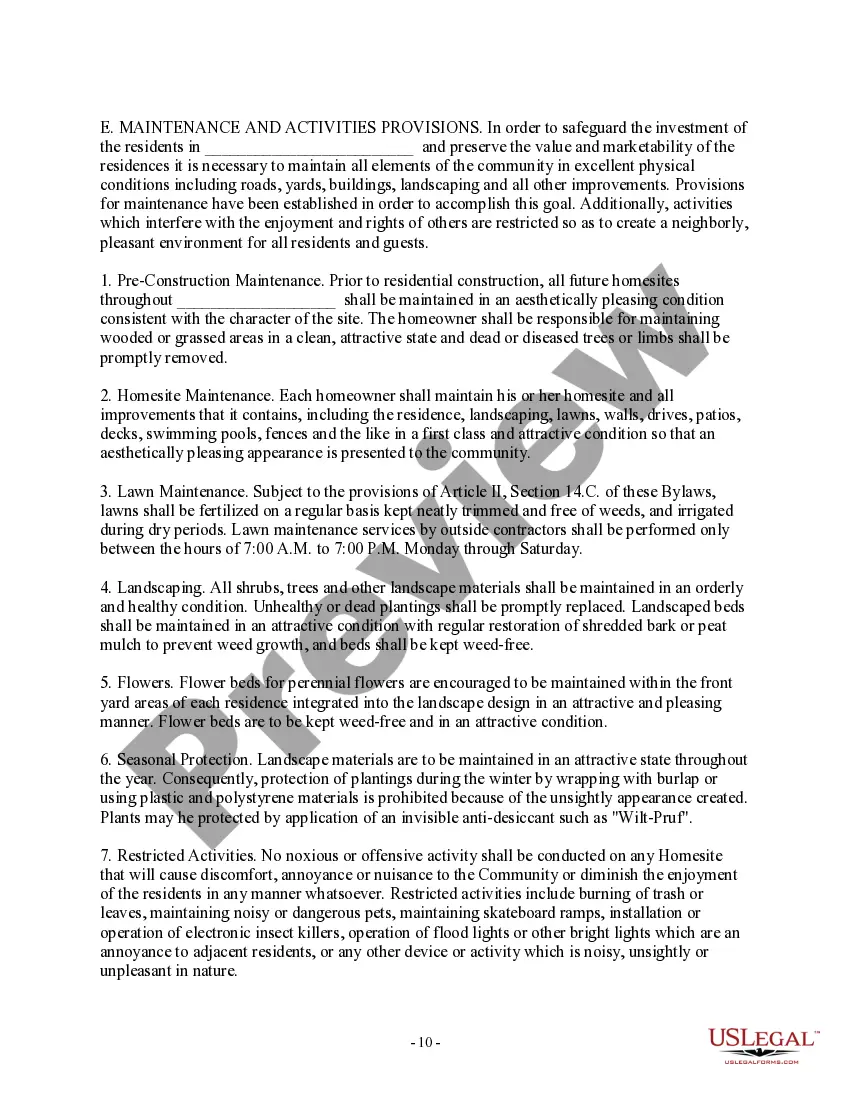


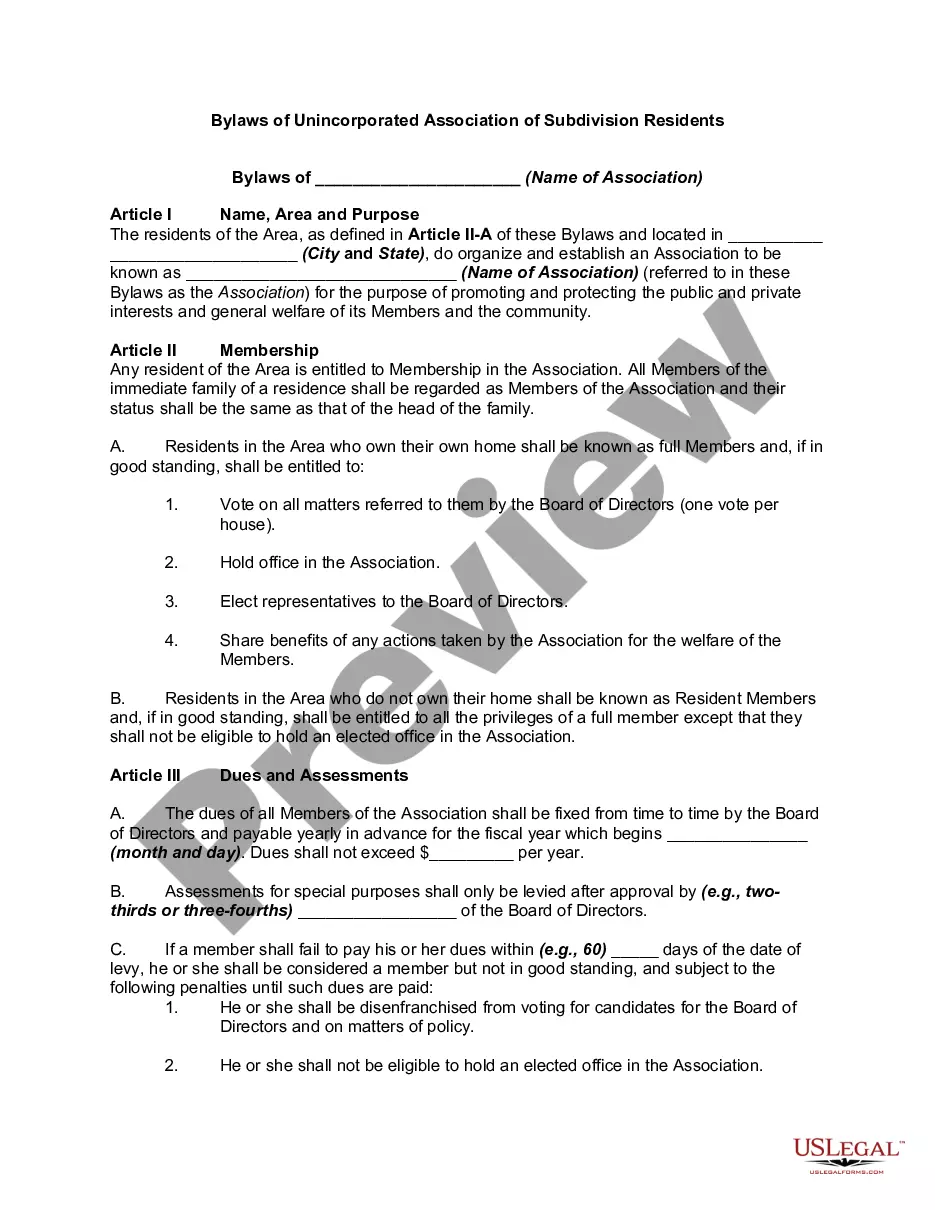
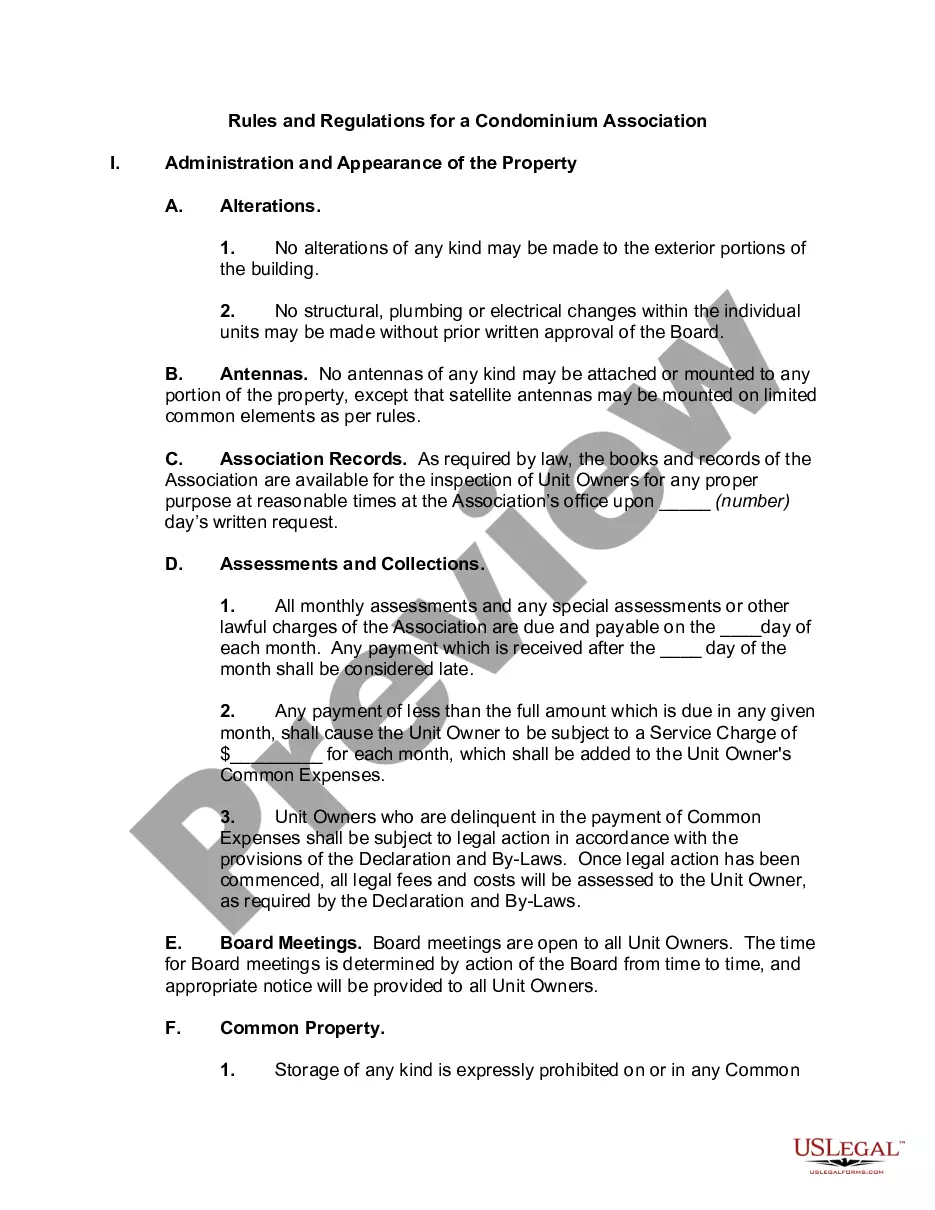
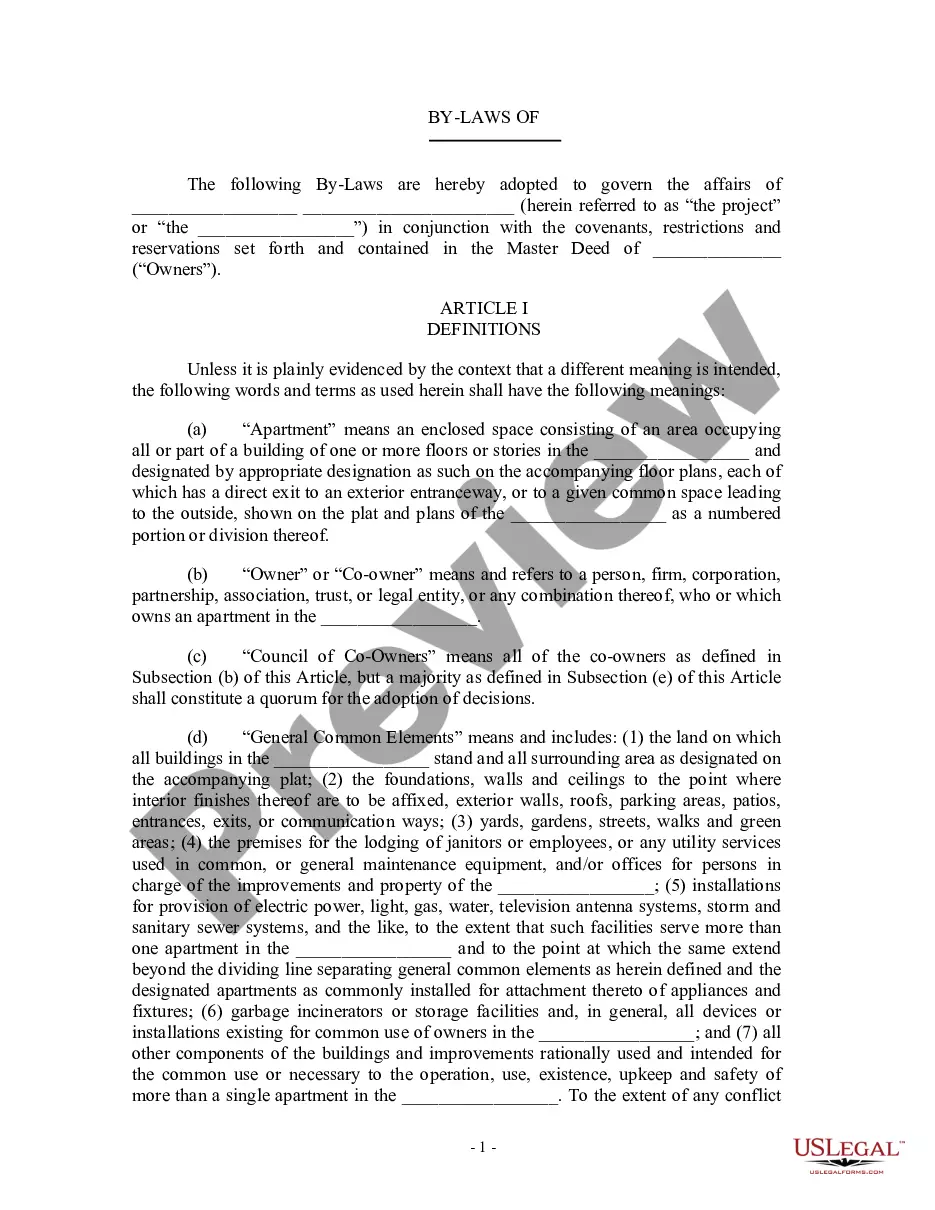
Get your form ready online
Our built-in tools help you complete, sign, share, and store your documents in one place.
Make edits, fill in missing information, and update formatting in US Legal Forms—just like you would in MS Word.
Download a copy, print it, send it by email, or mail it via USPS—whatever works best for your next step.
Sign and collect signatures with our SignNow integration. Send to multiple recipients, set reminders, and more. Go Premium to unlock E-Sign.
If this form requires notarization, complete it online through a secure video call—no need to meet a notary in person or wait for an appointment.
We protect your documents and personal data by following strict security and privacy standards.

Make edits, fill in missing information, and update formatting in US Legal Forms—just like you would in MS Word.

Download a copy, print it, send it by email, or mail it via USPS—whatever works best for your next step.

Sign and collect signatures with our SignNow integration. Send to multiple recipients, set reminders, and more. Go Premium to unlock E-Sign.

If this form requires notarization, complete it online through a secure video call—no need to meet a notary in person or wait for an appointment.

We protect your documents and personal data by following strict security and privacy standards.
Looking for another form?







Form popularity
FAQ
To dissolve an HOA in Virginia, a supermajority vote is typically required from the membership, followed by a legal process that involves settling the association's debts and obligations. State guidelines must be adhered to throughout the dissolution process.
Statute of Limitations – The statute of limitations for a violation of a restriction is five (5) years from the time the association “discovered or, through the exercise of reasonable diligence, should have discovered the violation.” (Code. Civ. Pro § 336(b).)
5 years. The statute of limitations periods for HOA claims are different for every state. In Virginia, consumer debt such as HOA & Condo fees have a statute of limitations of 5 years.
In Virginia, under most circumstances, the statute of limitations is two years; however, there are a variety of circumstances which may delay that.
§ 55.1-1805. The Common Interest Community Board may assess a monetary penalty for a violation of this section against any (a) association pursuant to § 54.1-2351 or (b) common interest community manager pursuant to § 54.1-2349, and may issue a cease and desist order pursuant to § 54.1-2352.
If you work with community associations in Virginia as a board member, manager or attorney, you probably know that Virginia law permits HOA members to record any open meeting of the association.
Who governs homeowners associations in Virginia? HOAs are subject to a number of state, federal, and local laws and are governed by a common interest community board that creates and enforces certain rules and regulations contained in the HOA's governing documents.
Access to association records; association meetings; notice. A. The association shall keep detailed records of receipts and expenditures affecting the operation and administration of the association.
Maintenance, repair, and replacement of a limited common element is usually the responsibility of the association except to the extent the declaration shifts that duty to the unit owner.
