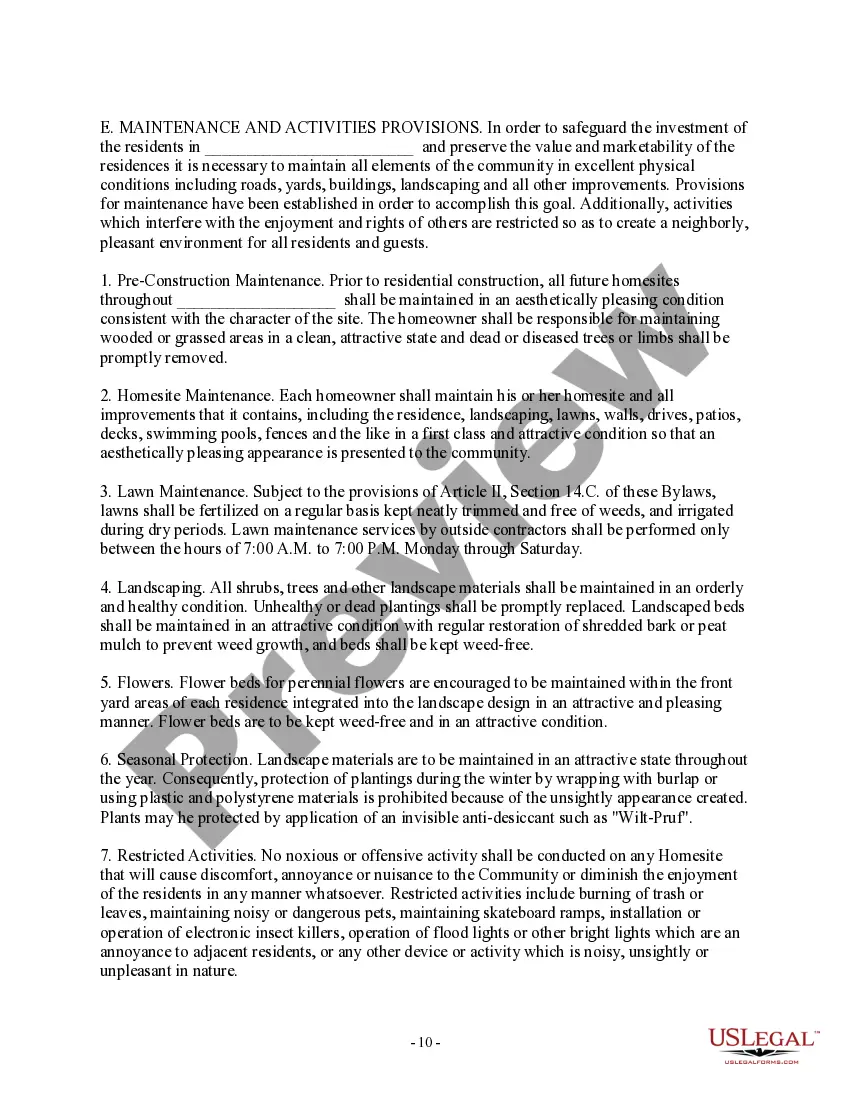
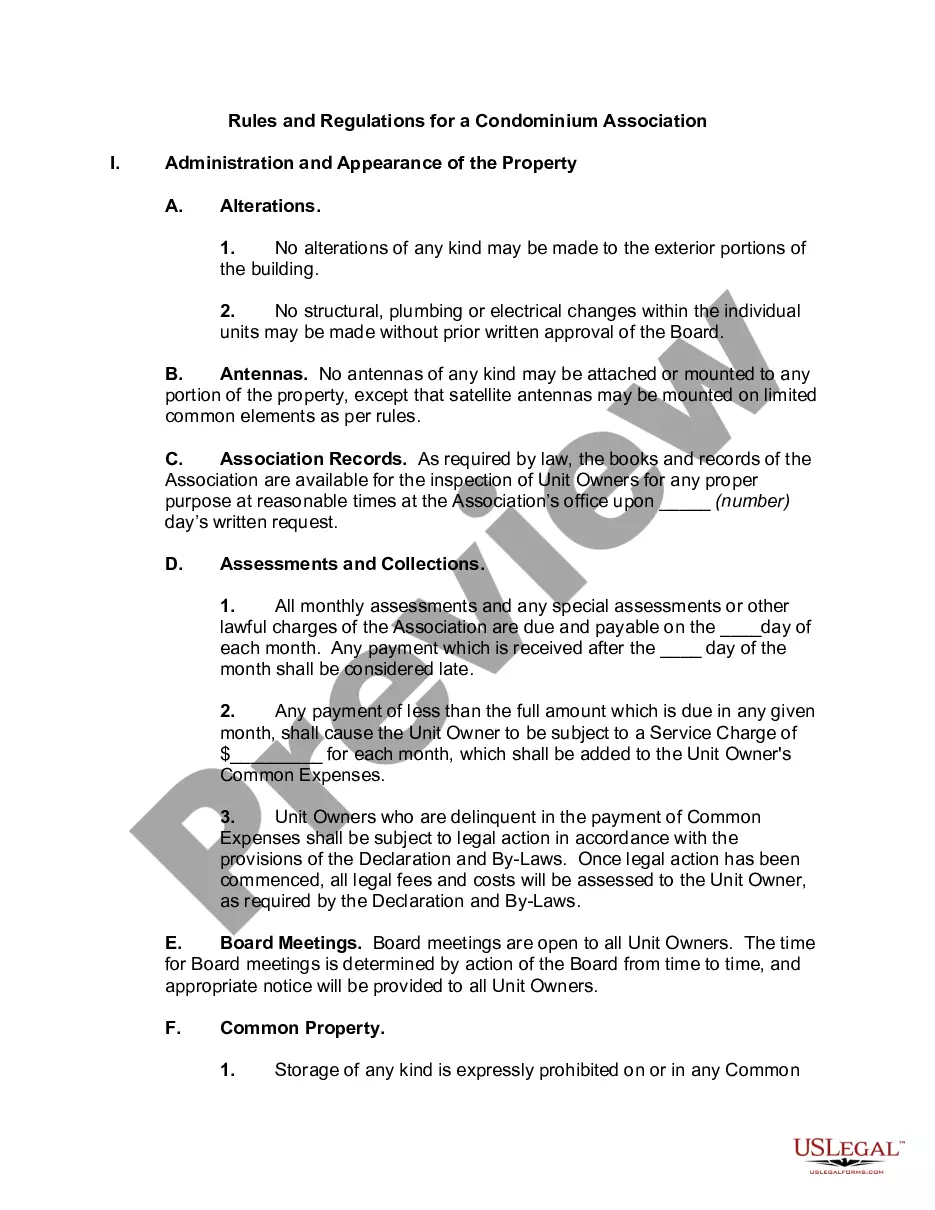
Rules For Condo Owners In Texas
Description





Get your form ready online
Our built-in tools help you complete, sign, share, and store your documents in one place.
Make edits, fill in missing information, and update formatting in US Legal Forms—just like you would in MS Word.
Download a copy, print it, send it by email, or mail it via USPS—whatever works best for your next step.
Sign and collect signatures with our SignNow integration. Send to multiple recipients, set reminders, and more. Go Premium to unlock E-Sign.
If this form requires notarization, complete it online through a secure video call—no need to meet a notary in person or wait for an appointment.
We protect your documents and personal data by following strict security and privacy standards.

Make edits, fill in missing information, and update formatting in US Legal Forms—just like you would in MS Word.

Download a copy, print it, send it by email, or mail it via USPS—whatever works best for your next step.

Sign and collect signatures with our SignNow integration. Send to multiple recipients, set reminders, and more. Go Premium to unlock E-Sign.

If this form requires notarization, complete it online through a secure video call—no need to meet a notary in person or wait for an appointment.

We protect your documents and personal data by following strict security and privacy standards.
Looking for another form?






Form popularity
FAQ
The property owner rule provides that a property owner is qualified to testify about the value of her property, even if she would not be qualified to testify about the value of other similar property.
HOA Rights in Texas The Collection of Fees Known as "Assessments" or "Dues" ... Enforcing Community Rules and Regulations. Access to Common Areas and Shared Facilities. The Right to Create Bylaws. Host Meetings. Property Owners' Associations Must Be Transparent. Fair and Consistent Enforcement of Rules and Regulations.
House Bill 614 guarantees your right to a hearing before the HOA board to contest the violation or the proposed fine. This ensures a fair and transparent process where you can voice your concerns and advocate for your interests.
Effective January 1, 2024. A property owners' association must adopt an enforcement policy regarding levying of fines. The policy must be made available to the property owners.
In 2021, the Texas Senate passed Bill 1588, which placed restrictions on HOA authority over fencing. This legislation ensures that if you own a property, your HOA cannot categorically deny you the right to a fence installation.
The maximum special assessment that a HOA in Texas can impose is five percent of the current year's budgeted gross expenses, though a community vote may be required to approve this. However, the vote must be approved by a majority of the members in the community.
The new law will require that homeowners association policies must include general categories of restrictive covenants for which the association may assess fines, a schedule of fines for each category of violation, and information on hearings.
Contract addendum vs. amendment Mirror the language of the original contract. Choose an addendum title. Specify the parties. Clarify the part of the original contract the addendum refers to. Ensure compliance with the original contract and all relevant regulations. Add any additional elements. Consider seeking legal advice.
House Bill 614 guarantees your right to a hearing before the HOA board to contest the violation or the proposed fine. This ensures a fair and transparent process where you can voice your concerns and advocate for your interests.
There must be at least three people on the Board of Directors. If an association's governing documents do not state how many people must serve on the Board of Directors, Texas law says that the number will be equal to the initial number of directors listed in the Articles of Incorporation.
