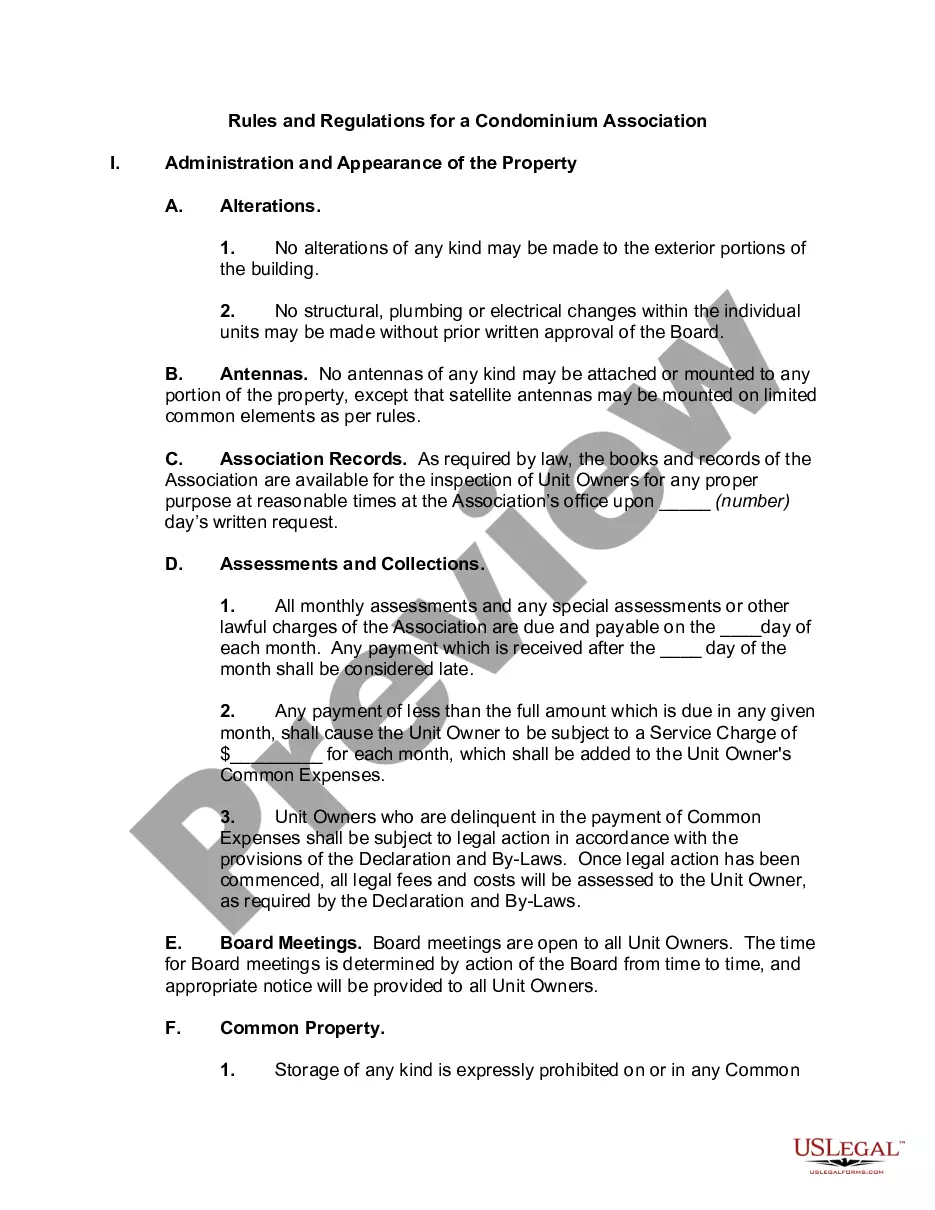
Condominium Bylaws Condo With Pool In San Antonio
Description














Get your form ready online
Our built-in tools help you complete, sign, share, and store your documents in one place.
Make edits, fill in missing information, and update formatting in US Legal Forms—just like you would in MS Word.
Download a copy, print it, send it by email, or mail it via USPS—whatever works best for your next step.
Sign and collect signatures with our SignNow integration. Send to multiple recipients, set reminders, and more. Go Premium to unlock E-Sign.
If this form requires notarization, complete it online through a secure video call—no need to meet a notary in person or wait for an appointment.
We protect your documents and personal data by following strict security and privacy standards.

Make edits, fill in missing information, and update formatting in US Legal Forms—just like you would in MS Word.

Download a copy, print it, send it by email, or mail it via USPS—whatever works best for your next step.

Sign and collect signatures with our SignNow integration. Send to multiple recipients, set reminders, and more. Go Premium to unlock E-Sign.

If this form requires notarization, complete it online through a secure video call—no need to meet a notary in person or wait for an appointment.

We protect your documents and personal data by following strict security and privacy standards.
Looking for another form?








Form popularity
FAQ
HOA Rights in Texas The Collection of Fees Known as "Assessments" or "Dues" ... Enforcing Community Rules and Regulations. Access to Common Areas and Shared Facilities. The Right to Create Bylaws. Host Meetings. Property Owners' Associations Must Be Transparent. Fair and Consistent Enforcement of Rules and Regulations.
What is the statute of limitations on HOA assessments in Texas? As a general rule, the statute of limitations on HOA assessments in Texas is currently four years from the date the assessment becomes due.
In some cases, an HOA can foreclose on property when the owner has fallen behind on paying fees. The law and the association's governing documents will set out the proper procedure. This includes any required notices to the owner.
Duties and powers of an HOA's board, granted under the TPC and the community's declaration, include enforcing covenants, adopting budgets, assessing and collecting member fees, appointing of agents to act on the association's behalf, maintaining of commons areas, and acting on behalf of the association in legal matters ...
The Texas Uniform inium Act contains a provision which states that unless a declaration provides otherwise, a inium building may be terminated and sold if 100% of the owners agree. It also allows unit owners associations to adopt a rule allowing for a lower threshold of 80% of the votes.
House Bill 614 guarantees your right to a hearing before the HOA board to contest the violation or the proposed fine. This ensures a fair and transparent process where you can voice your concerns and advocate for your interests.
Texas law places limits on HOA power, including restrictions on their ability to prohibit certain types of construction like solar panels and rules against unreasonable fines or foreclosure practices. The exact limitations are outlined in state statutes, which are intended to protect homeowners' rights.
Most (but not all) HOA pools are considered private.
House Bill 614 is a significant step towards a more balanced and equitable relationship between HOAs and homeowners in Texas. By clearly outlining fining procedures and ensuring your right to due process, this HOA law empowers you to navigate your HOA community with confidence.
