Condominium Bylaws Condo For Hoa In San Antonio
Description

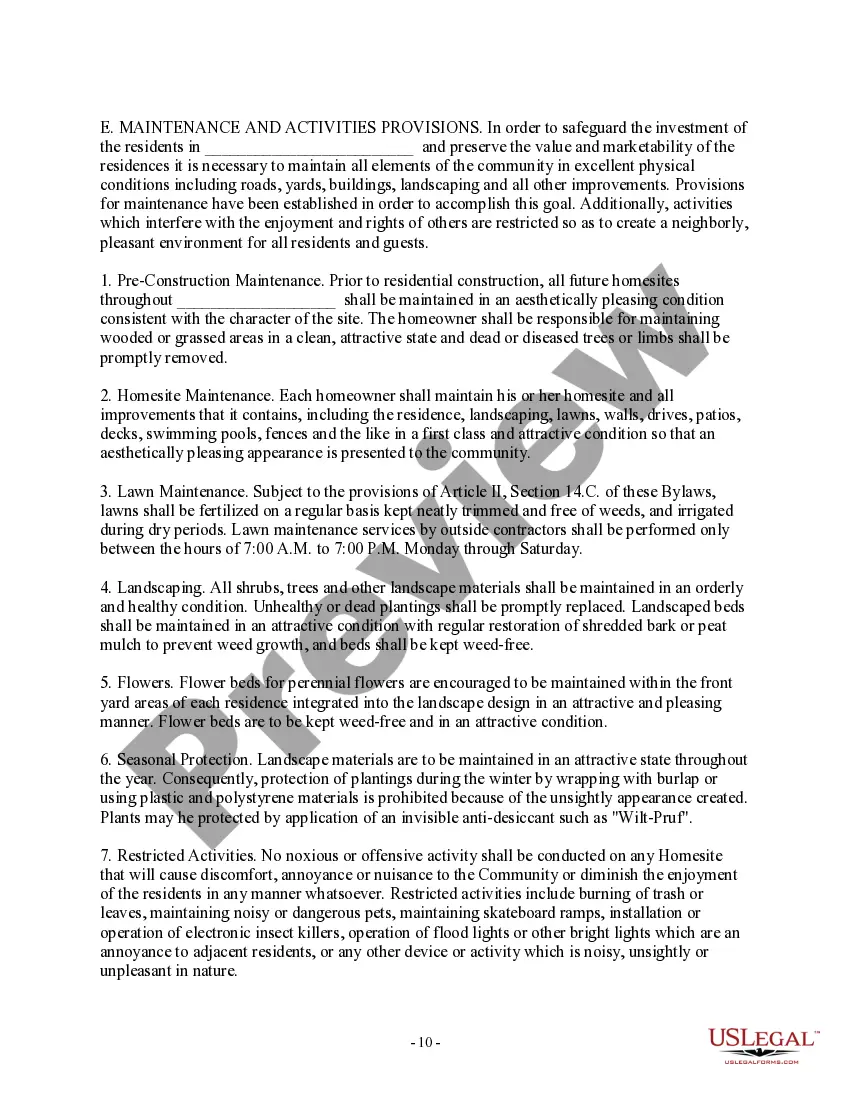


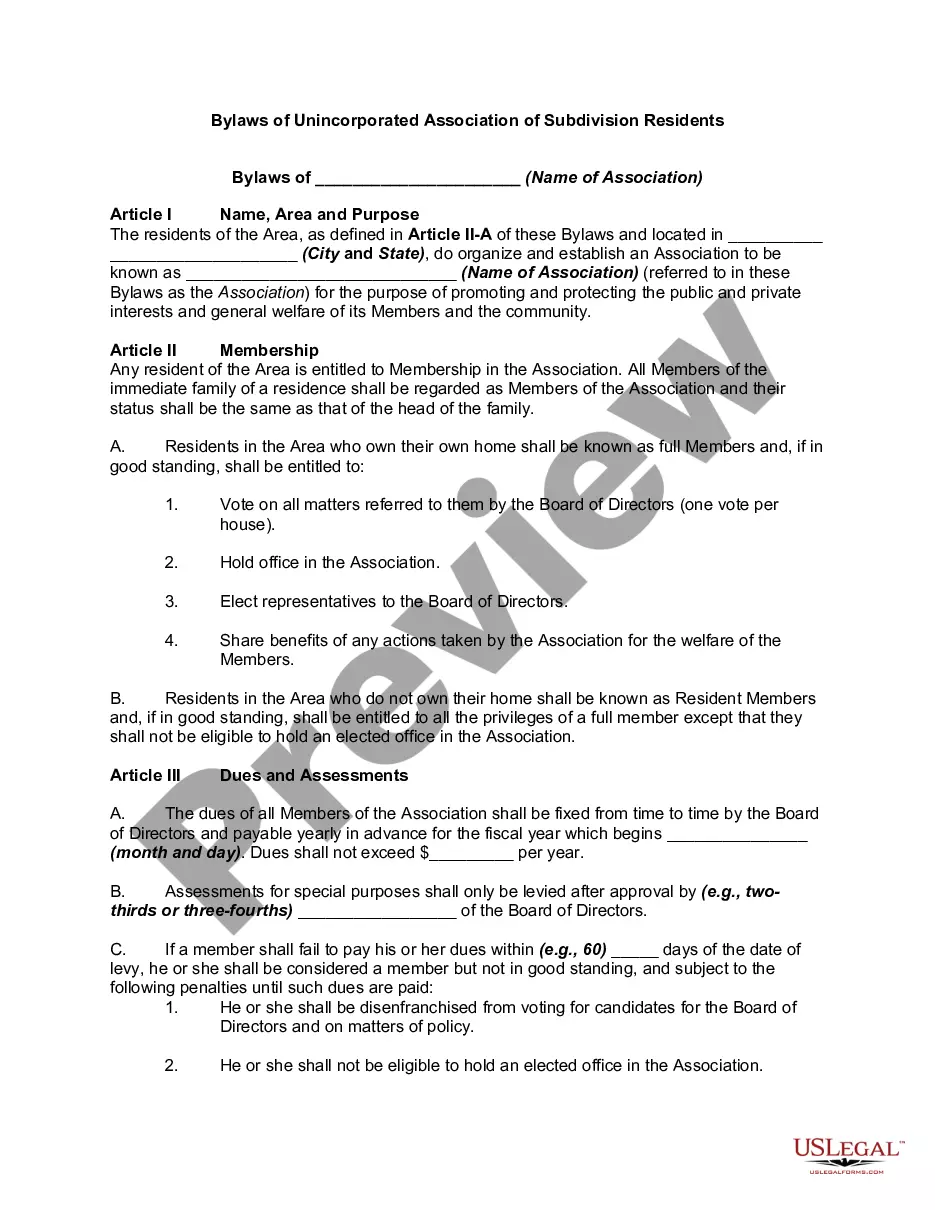
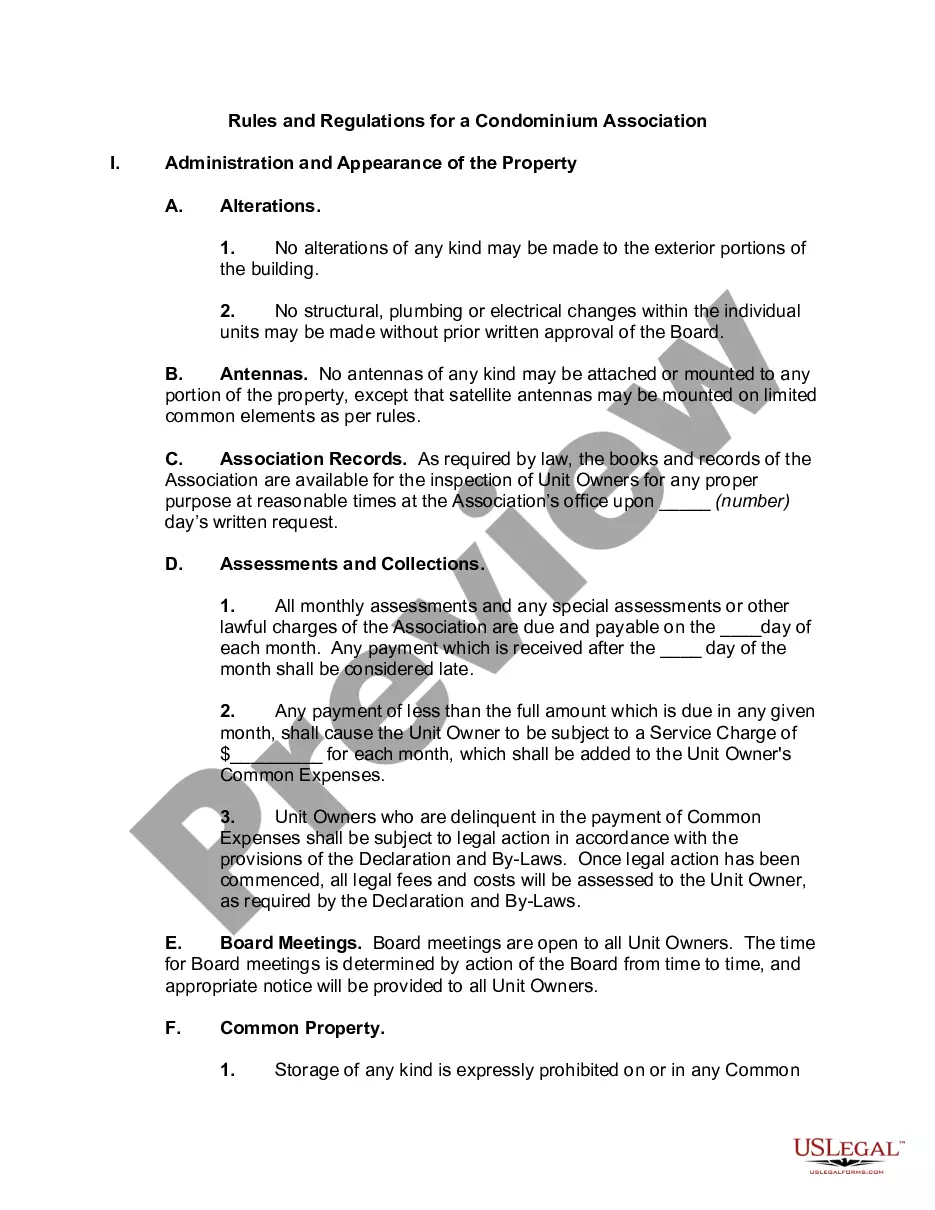
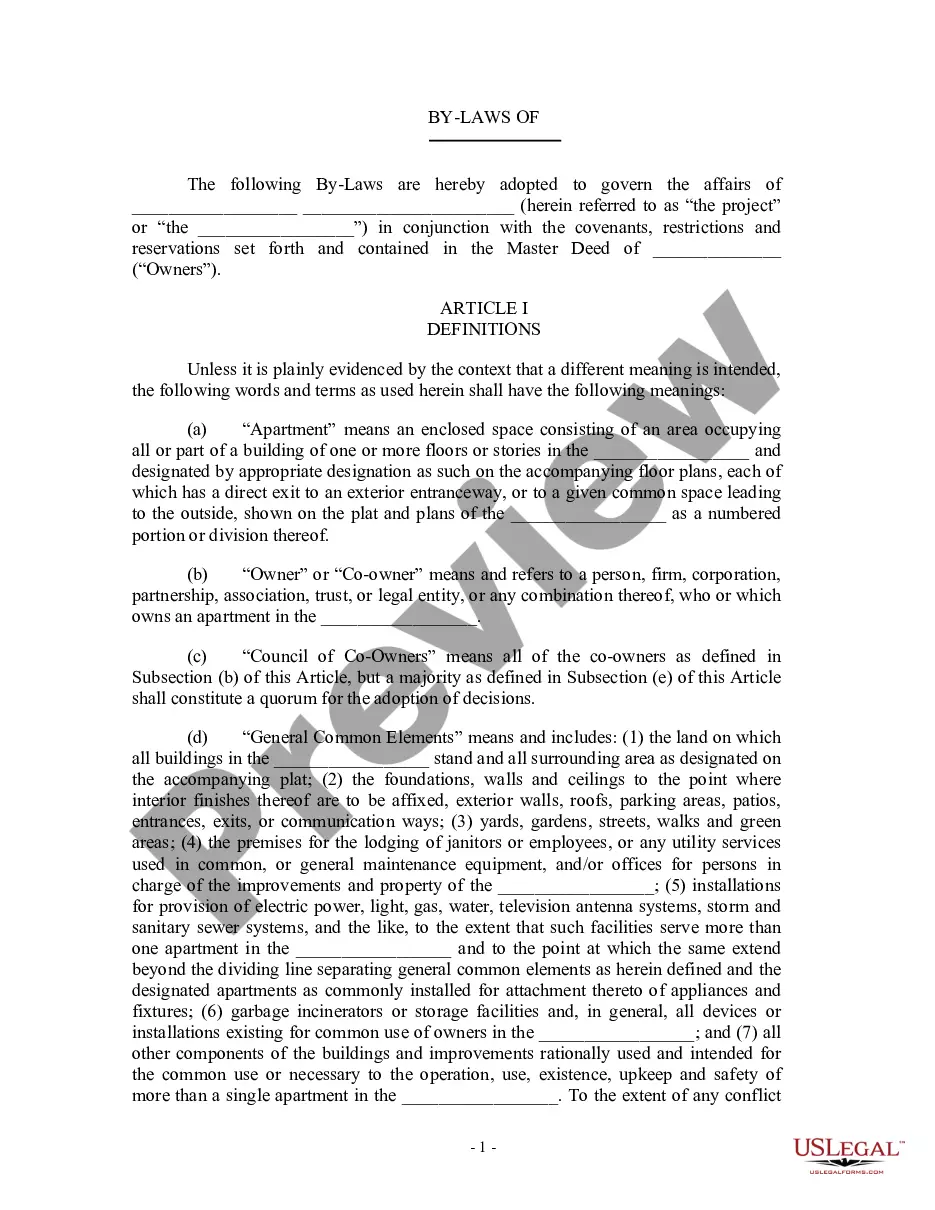
Get your form ready online
Our built-in tools help you complete, sign, share, and store your documents in one place.
Make edits, fill in missing information, and update formatting in US Legal Forms—just like you would in MS Word.
Download a copy, print it, send it by email, or mail it via USPS—whatever works best for your next step.
Sign and collect signatures with our SignNow integration. Send to multiple recipients, set reminders, and more. Go Premium to unlock E-Sign.
If this form requires notarization, complete it online through a secure video call—no need to meet a notary in person or wait for an appointment.
We protect your documents and personal data by following strict security and privacy standards.

Make edits, fill in missing information, and update formatting in US Legal Forms—just like you would in MS Word.

Download a copy, print it, send it by email, or mail it via USPS—whatever works best for your next step.

Sign and collect signatures with our SignNow integration. Send to multiple recipients, set reminders, and more. Go Premium to unlock E-Sign.

If this form requires notarization, complete it online through a secure video call—no need to meet a notary in person or wait for an appointment.

We protect your documents and personal data by following strict security and privacy standards.
Looking for another form?










Form popularity
FAQ
The maximum special assessment that a HOA in Texas can impose is five percent of the current year's budgeted gross expenses, though a community vote may be required to approve this. However, the vote must be approved by a majority of the members in the community.
Texas law places limits on HOA power, including restrictions on their ability to prohibit certain types of construction like solar panels and rules against unreasonable fines or foreclosure practices. The exact limitations are outlined in state statutes, which are intended to protect homeowners' rights.
Homeowners have the right to challenge the HOA if the HOA is not following its governing documents or the law. However, before filing a lawsuit, homeowners are usually required to participate in dispute resolution through either internal dispute resolution (IDR) or alternative dispute resolution (ADR).
House Bill 614 guarantees your right to a hearing before the HOA board to contest the violation or the proposed fine. This ensures a fair and transparent process where you can voice your concerns and advocate for your interests.
Homeowners' Association Rights All HOAs can draft their bylaws regarding the governing of the association as well as the rules and regulations that homeowners must abide by so long as they are consistent with the Texas Residential Property Owners Protection Act and all state and local laws.
Enforcing Community Rules and Regulations In addition, HOAs have the authority to enforce their rules and regulations, such as those pertaining to architectural guidelines, landscaping, and pet restrictions.
Certificates are filed in the county where the property is located and electronically in the Homeowners' Association Management Certificate Database. They often include contact information, mailing address, and website where governing documents can be found.
Certificates are filed in the county where the property is located and electronically in the Homeowners' Association Management Certificate Database. They often include contact information, mailing address, and website where governing documents can be found.
Depending on the organizational form of the entity, however, the home or property owners' association may not be required to register with the secretary of state.
