Condominium Bylaws Condo Association Format In Sacramento
Description

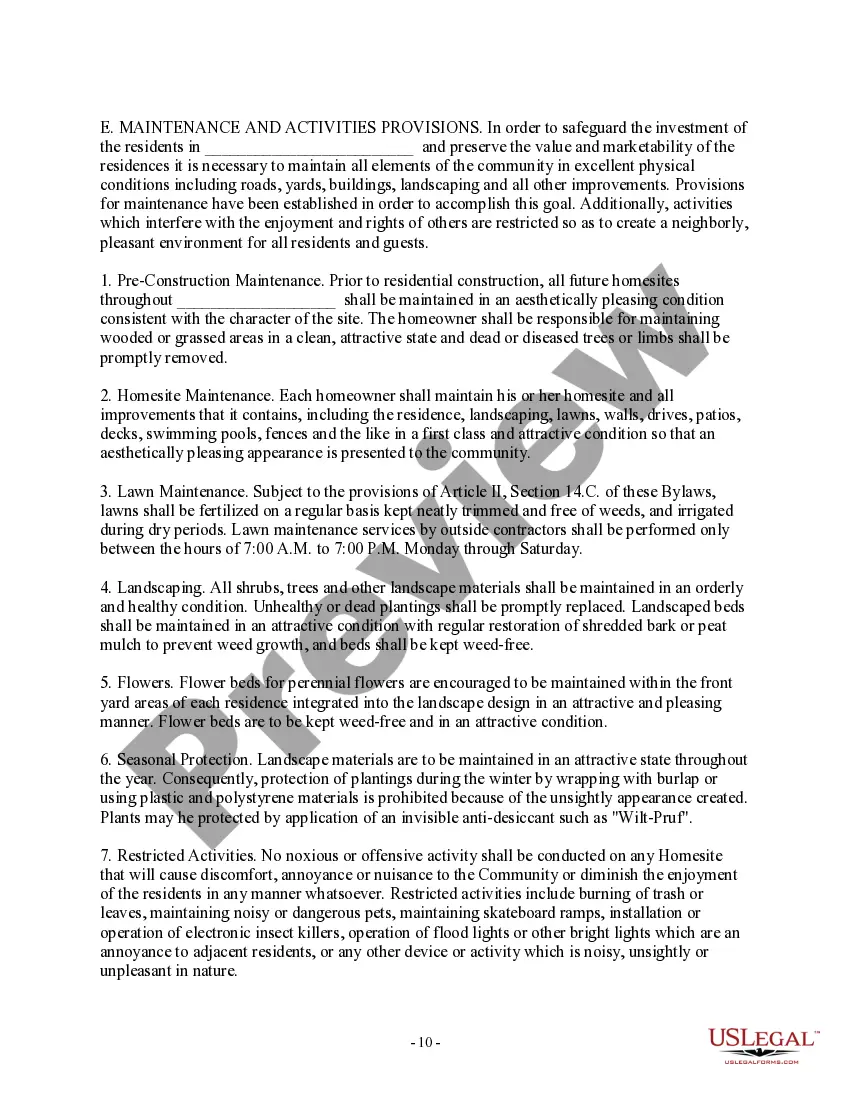


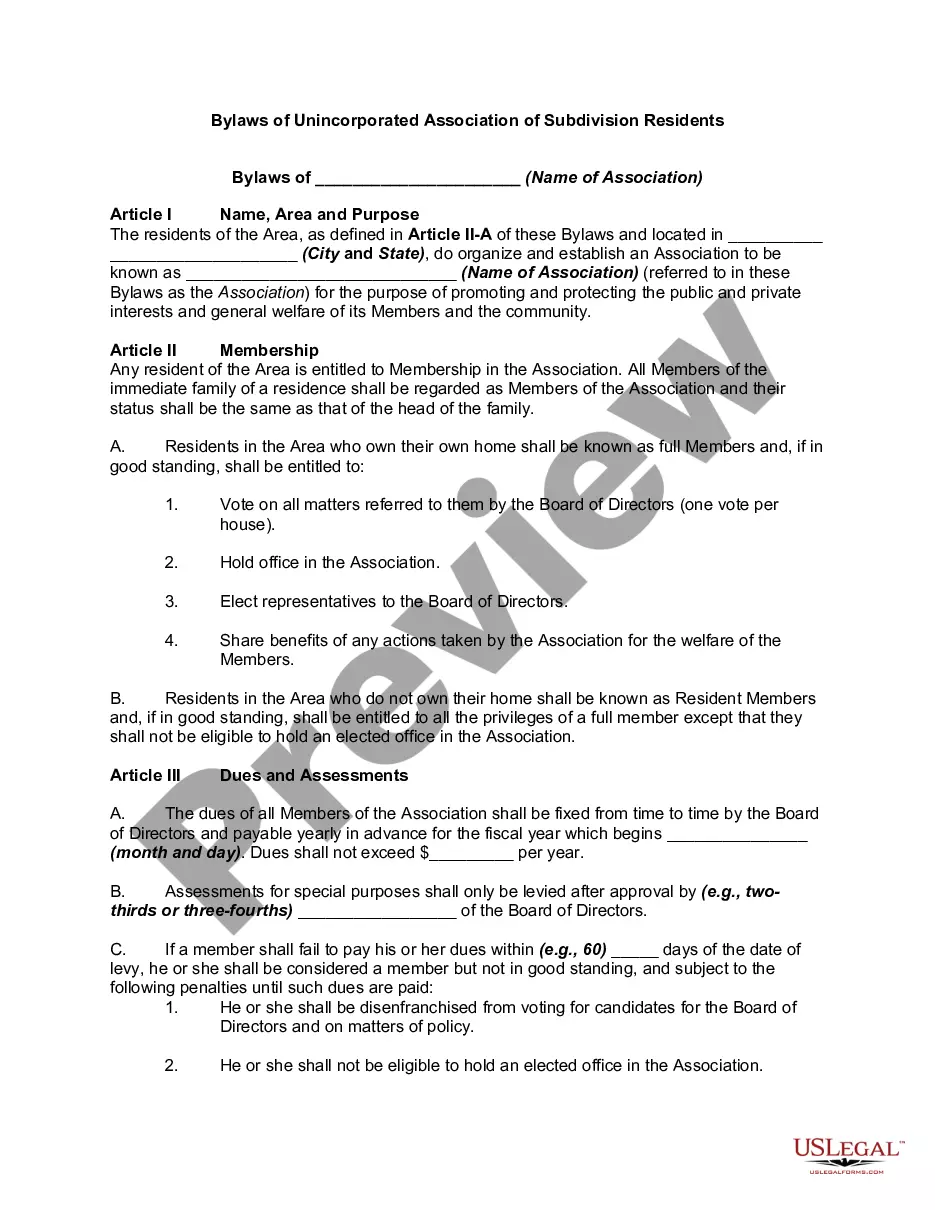
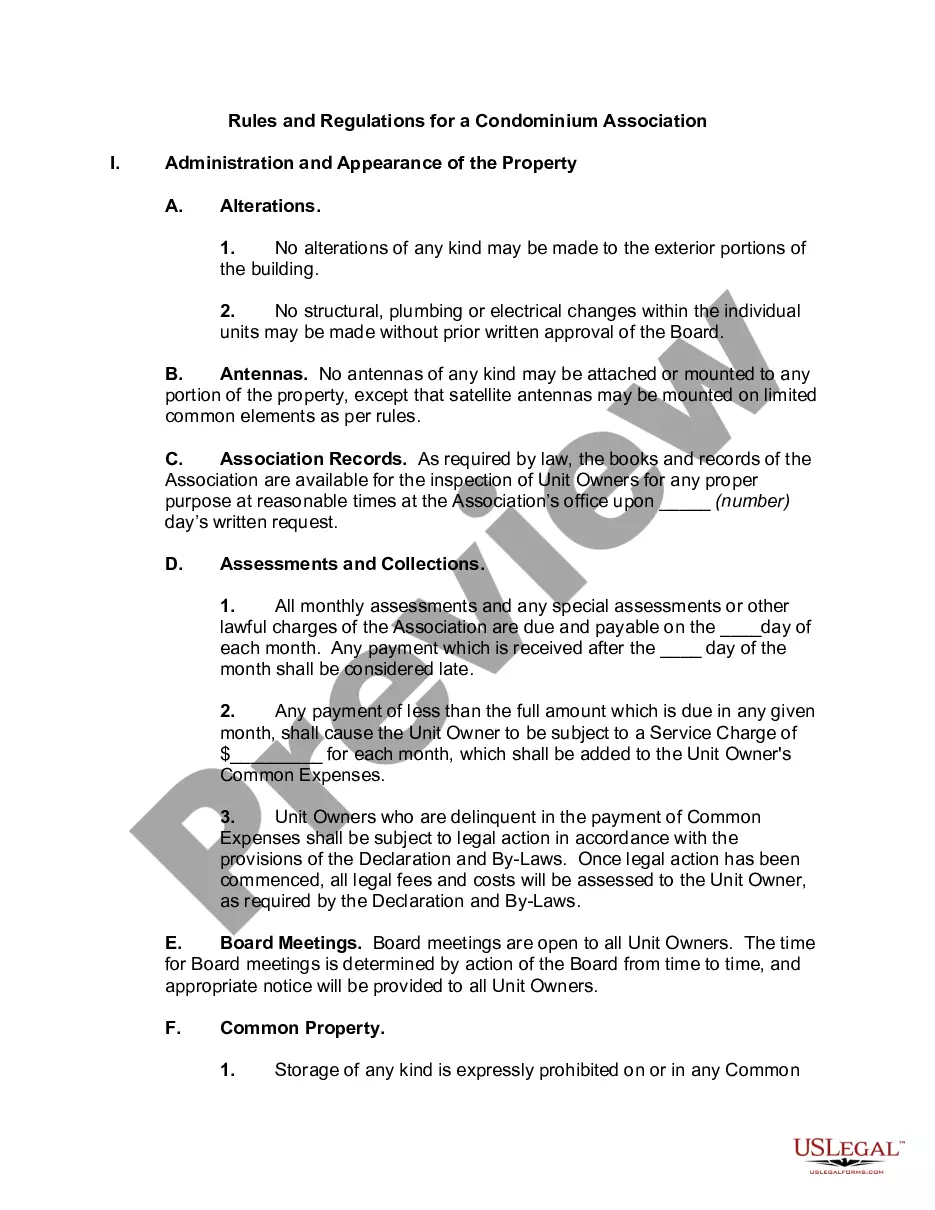
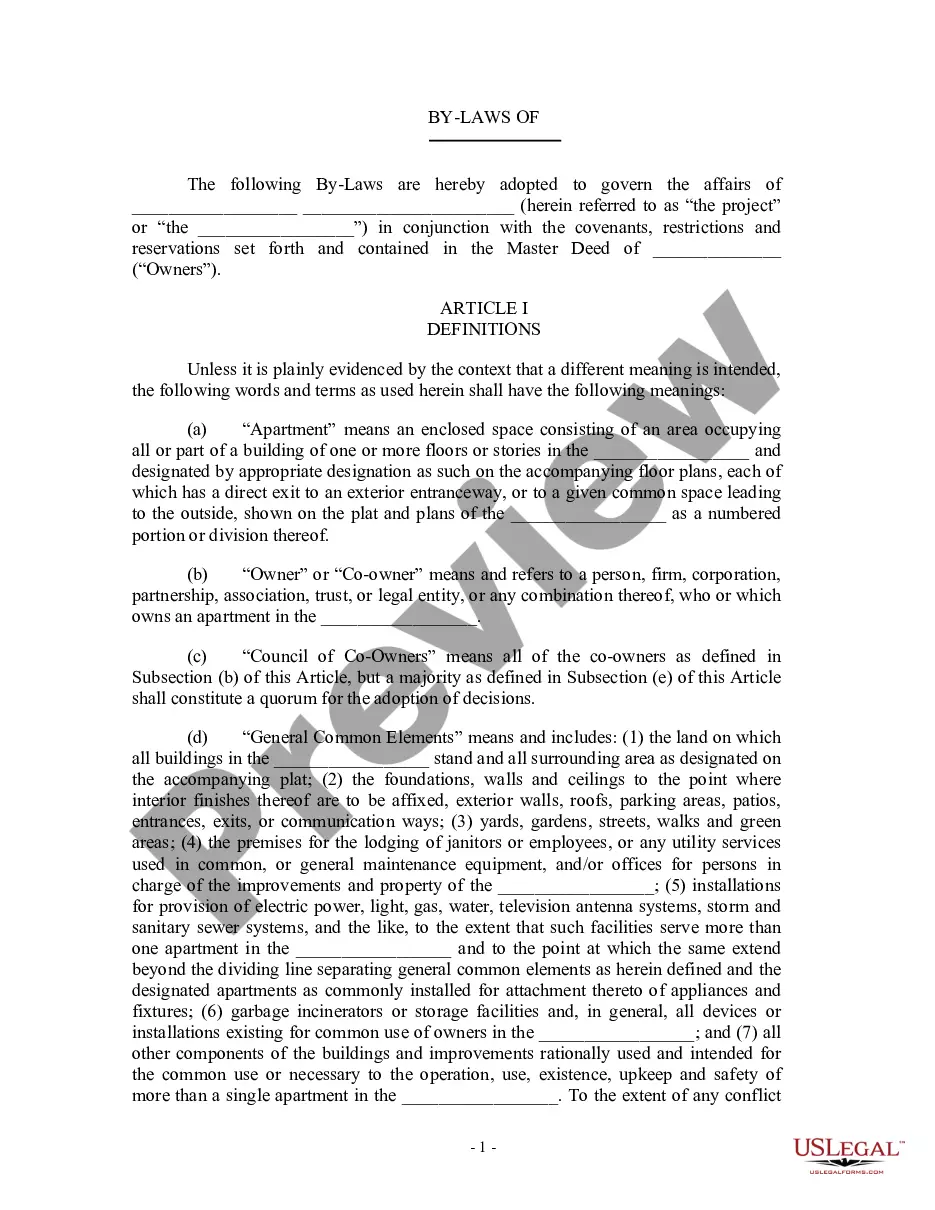
Get your form ready online
Our built-in tools help you complete, sign, share, and store your documents in one place.
Make edits, fill in missing information, and update formatting in US Legal Forms—just like you would in MS Word.
Download a copy, print it, send it by email, or mail it via USPS—whatever works best for your next step.
Sign and collect signatures with our SignNow integration. Send to multiple recipients, set reminders, and more. Go Premium to unlock E-Sign.
If this form requires notarization, complete it online through a secure video call—no need to meet a notary in person or wait for an appointment.
We protect your documents and personal data by following strict security and privacy standards.

Make edits, fill in missing information, and update formatting in US Legal Forms—just like you would in MS Word.

Download a copy, print it, send it by email, or mail it via USPS—whatever works best for your next step.

Sign and collect signatures with our SignNow integration. Send to multiple recipients, set reminders, and more. Go Premium to unlock E-Sign.

If this form requires notarization, complete it online through a secure video call—no need to meet a notary in person or wait for an appointment.

We protect your documents and personal data by following strict security and privacy standards.
Looking for another form?










Form popularity
FAQ
California Secretary of State Filings This process legalizes the HOA and creates a public record of its existence. The filings include not only the Articles of Incorporation but can also encompass records of financial statements and any potential dissolution of the HOA.
The number is usually five. Very small associations sometimes call for three directors, and very large associations may have seven or more.
"Public records" are defined as "any writing containing information relating to the conduct of the public's business prepared, owned, used or retained by any state or local agency regardless of physical form or characteristics."
In some states, such as California, HOA bylaws are considered public record and must be made available upon request. In other states, such as Virginia, HOA bylaws are not considered public record and therefore are not required to be made publicly available.
California Civil Code Section 4080 The preparation of governing documents, which include the Declaration of Covenants, Conditions, and Restrictions (CC&Rs), Articles of Incorporation, and Bylaws, is required for the formation of an HOA.
Homeowners can secure their HOA statement of account through their board or manager. More often than not, though, the board treasurer provides this to homeowners on a regular basis. Additionally, if an HOA has a homeowner portal, members can log into their accounts and view their statement.
Laws always supersede governing documents IF they conflict and the law applies to your HOA. In California, the Davis-Stirling Act may take precedent over general corporation codes because it's specific to HOAs.
Inium Laws in Ontario: In Ontario, iniums are governed by the inium Act, 1998. This act, however, does not specifically authorize condo corporations to fine unit owners for bylaw or rule violations.
To have a pleasant condo living experience, keep in mind these legal rights for condo owners. The Right to Access Condo Documents. The Right to Equality and Non-Discrimination. The Right to Notice and Meetings. The Right to Run and Vote During Elections. The Right to Protest.
The bylaws go into detail about individual roles, terms, how to elect the President, and may list board powers one by one. The Declarations define the use and occupancy rules of the units and common areas. Condo bylaws outline the remedies for breach of these rules.
