Condominium Bylaws And In Pima
Description




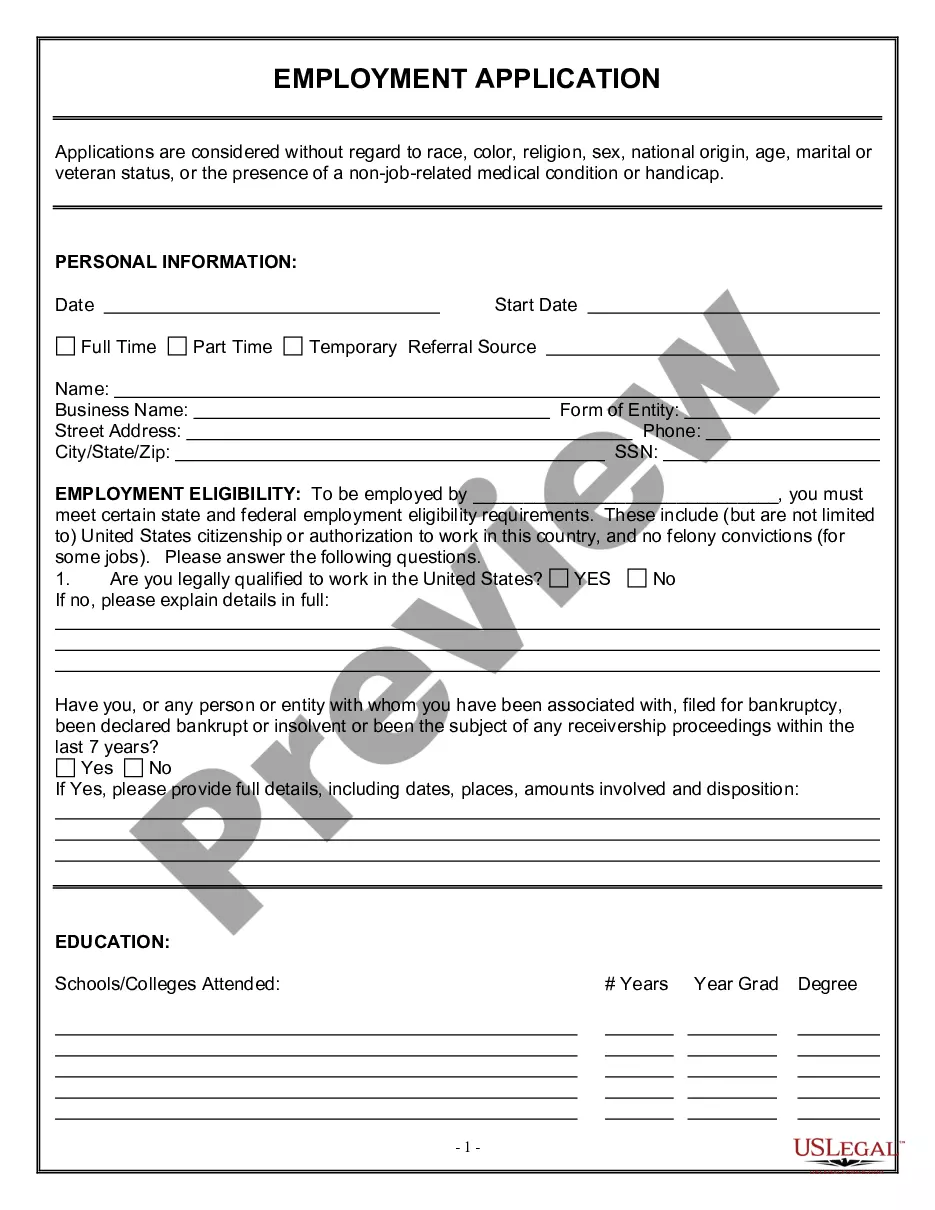
Get your form ready online
Our built-in tools help you complete, sign, share, and store your documents in one place.
Make edits, fill in missing information, and update formatting in US Legal Forms—just like you would in MS Word.
Download a copy, print it, send it by email, or mail it via USPS—whatever works best for your next step.
Sign and collect signatures with our SignNow integration. Send to multiple recipients, set reminders, and more. Go Premium to unlock E-Sign.
If this form requires notarization, complete it online through a secure video call—no need to meet a notary in person or wait for an appointment.
We protect your documents and personal data by following strict security and privacy standards.

Make edits, fill in missing information, and update formatting in US Legal Forms—just like you would in MS Word.

Download a copy, print it, send it by email, or mail it via USPS—whatever works best for your next step.

Sign and collect signatures with our SignNow integration. Send to multiple recipients, set reminders, and more. Go Premium to unlock E-Sign.

If this form requires notarization, complete it online through a secure video call—no need to meet a notary in person or wait for an appointment.

We protect your documents and personal data by following strict security and privacy standards.
Looking for another form?









Form popularity
FAQ
Arizona HOAs are authorized by statute, and often their Declaration, to collect association dues and to levy fines against members that violate the rules. Each HOA is unique ing to its location and community documents, but they are all governed and operated by a Board of Directors.
In Arizona, CC&Rs are usually enforced by homeowners associations (HOAs). In many cases, however, they may also be enforced by individual homeowners.
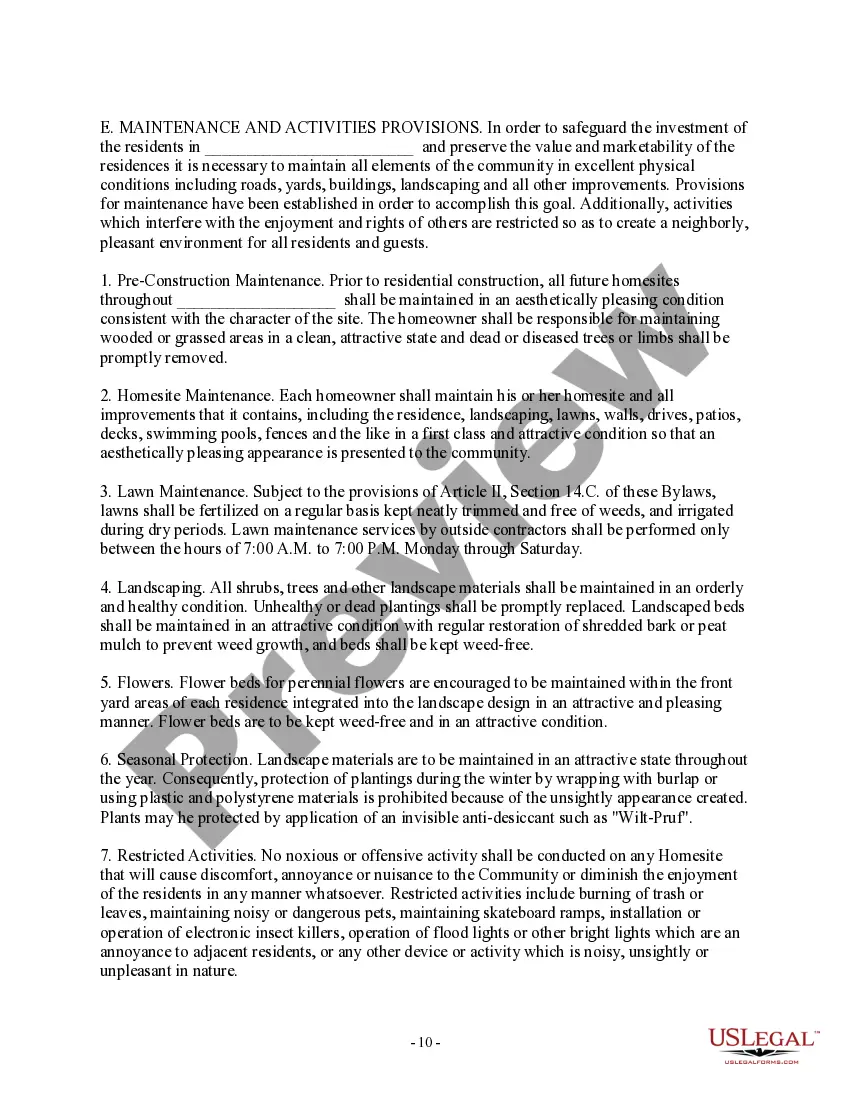
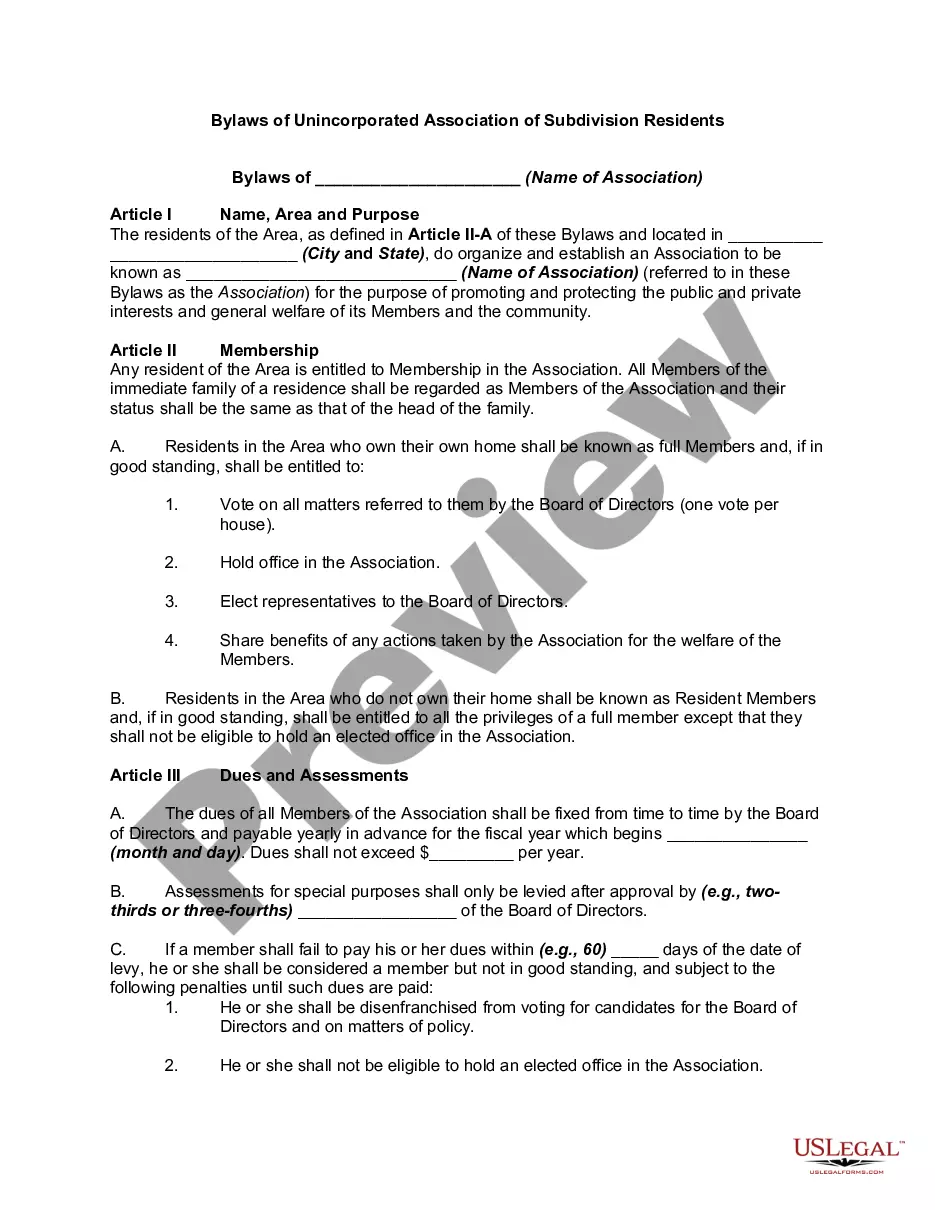
Here are some of the documents you can ask for as a homeowner: CC&Rs: The covenants, conditions and restrictions (CC&Rs) outline the rules and regulations of the community. Bylaws: The bylaws establish operational procedures for the HOA, like voting rights, elections, meetings, powers of the board, and more.
The ARS grants the board specific powers such as the ability to foreclose on a house for unpaid liens and establish rules concerning the exterior appearance of homes and other community-related restrictions. HOAs in Arizona are also bound by rules set forth in their own governing documents.
Lien Process Limitations: In Arizona, an HOA cannot foreclose on a home solely for unpaid fines (Arizona Revised Statutes 33-1807). While unpaid fines can lead to legal action or liens on the property, foreclosure is only permitted for unpaid assessments (like maintenance fees or dues), not fines alone.
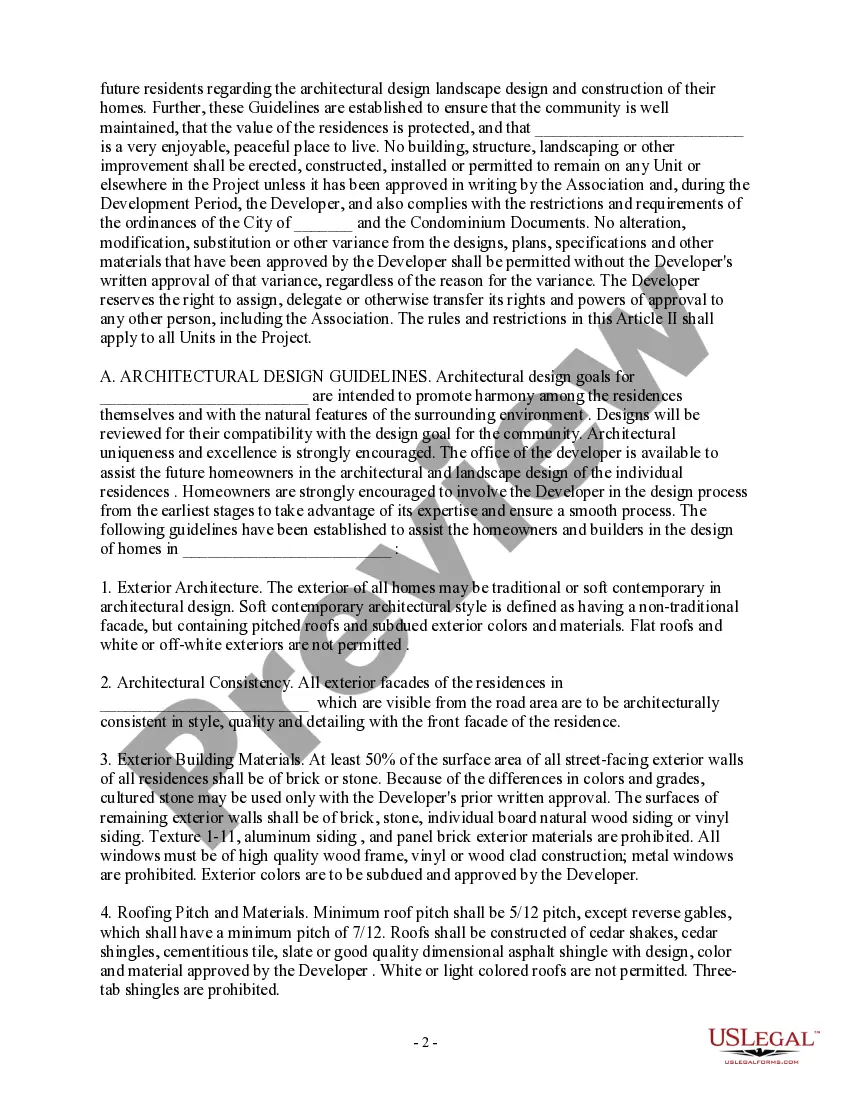
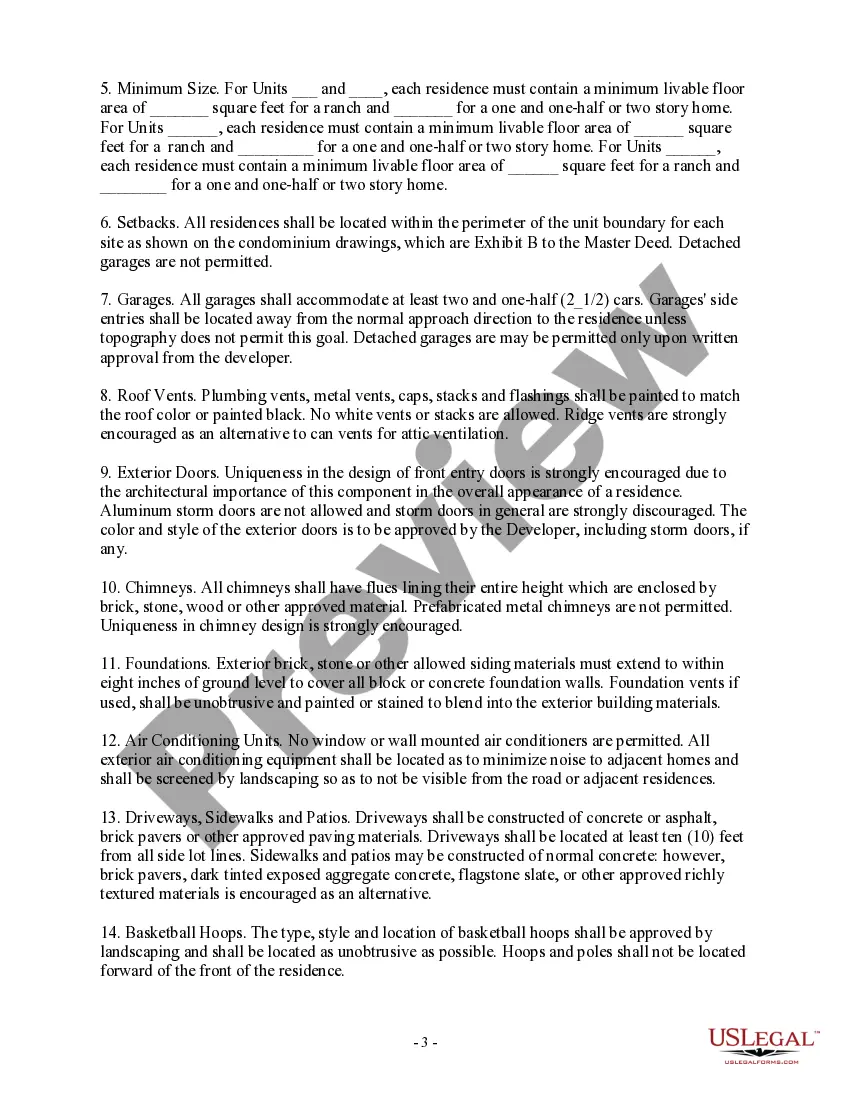
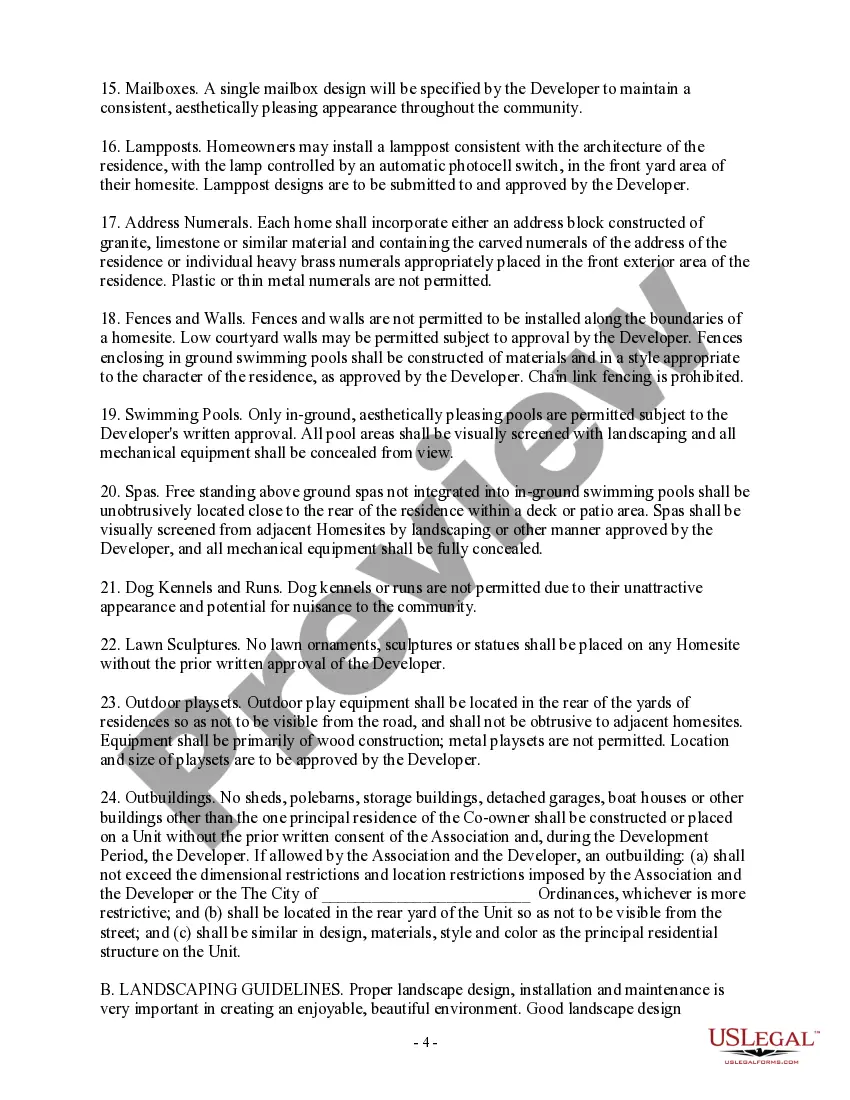
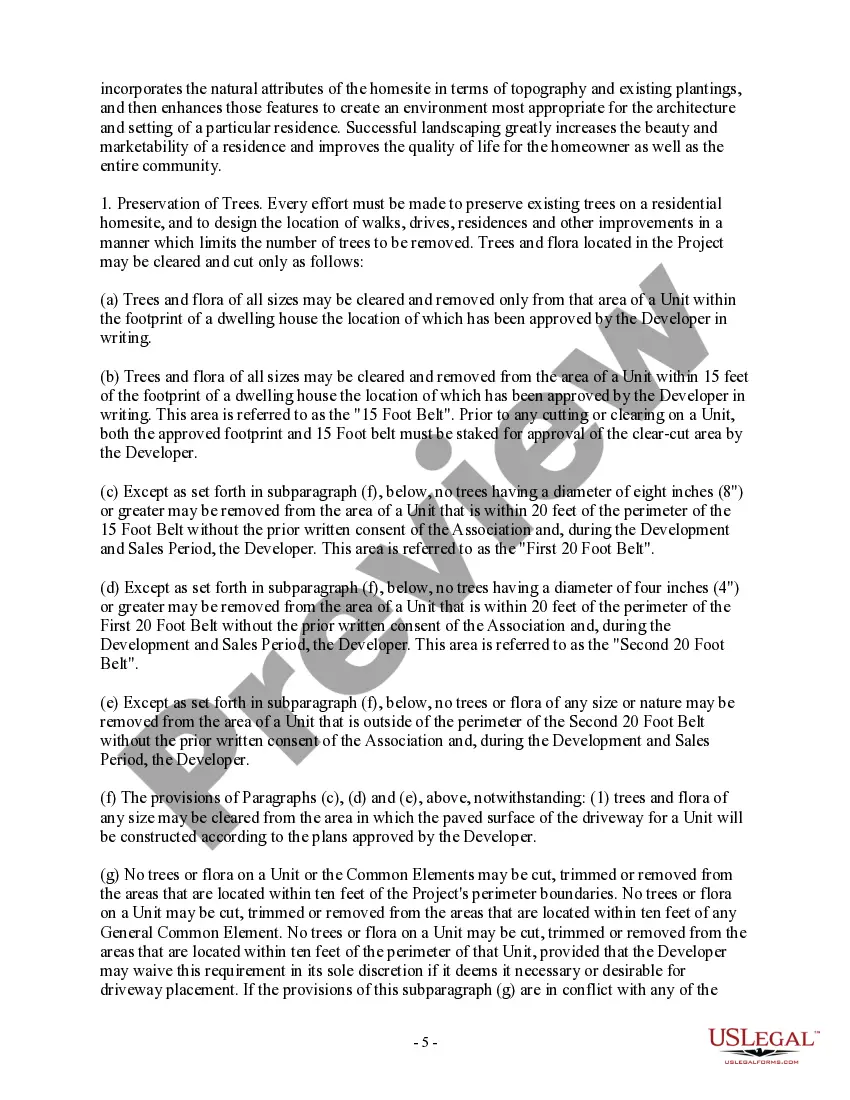
Homeowners Associations (HOAs) have the right to create and enforce architectural guidelines for the houses in their community. But in Arizona, an HOA can't ban solar panels. They can, however, implement restrictions.
The ARS grants the board specific powers such as the ability to foreclose on a house for unpaid liens and establish rules concerning the exterior appearance of homes and other community-related restrictions. HOAs in Arizona are also bound by rules set forth in their own governing documents.
Many aspects of HOAs are directly governed by Arizona statutes, such as the Planned Communities statutes, the Arizona inium Act and the Nonprofit Corporations Act. scope and detail than the Planned Community statutes.
Homeowners can bring a lawsuit against their HOA, and in some circumstances against individual board members, if the HOA abuses its power. Homeowners can ask the Court to declare that a statute or community rule has been violated and request that the Court order the HOA's compliance with that statute or rule.
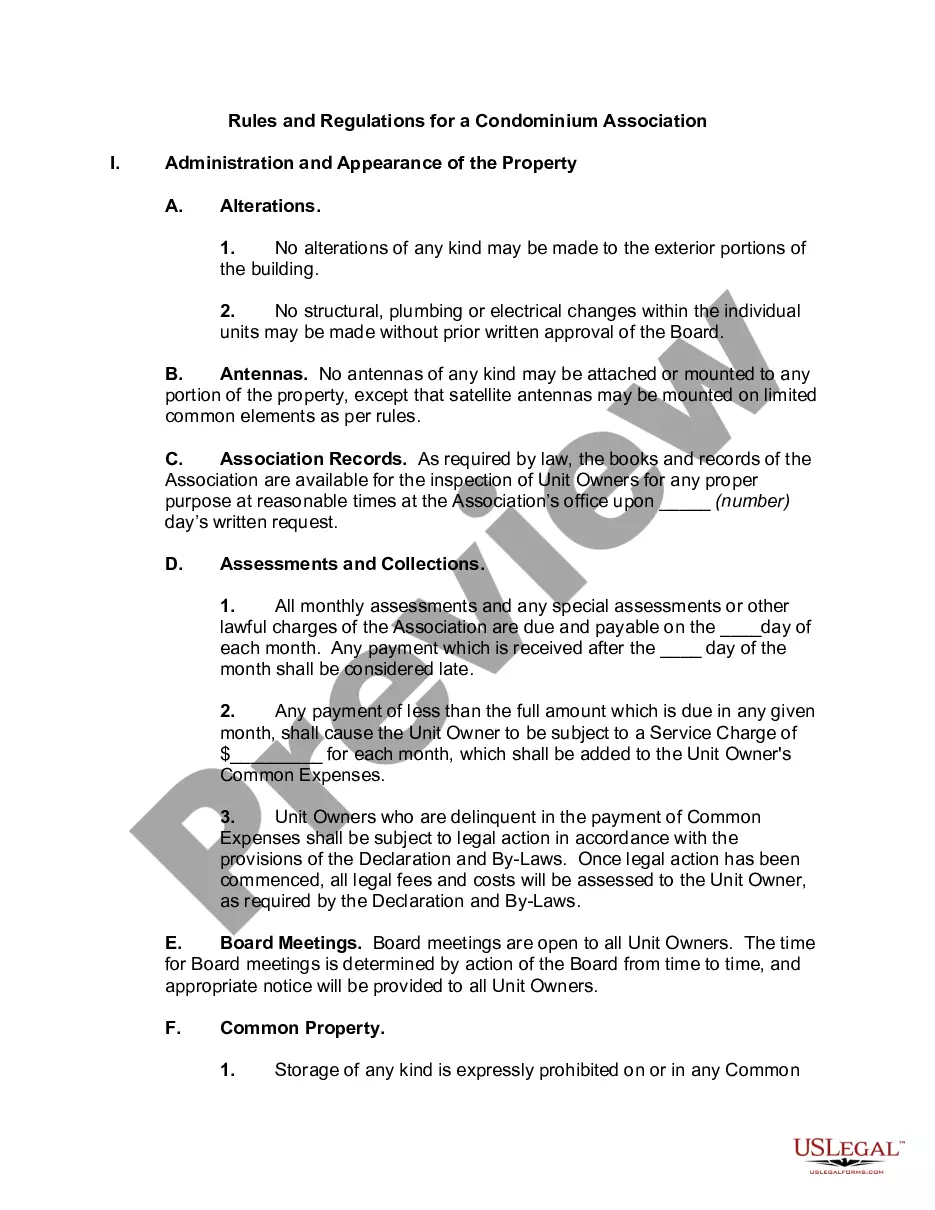
How to Seek Legal Action Consultation with an Attorney: Start by scheduling a consultation with an experienced Arizona HOA lawyer. Letter of Demand: In many cases, a letter of demand from your attorney to the HOA may lead to a resolution without going to court.
