Bylaws Condo Association With Regulations New Jersey In Pima
Description



Get your form ready online
Our built-in tools help you complete, sign, share, and store your documents in one place.
Make edits, fill in missing information, and update formatting in US Legal Forms—just like you would in MS Word.
Download a copy, print it, send it by email, or mail it via USPS—whatever works best for your next step.
Sign and collect signatures with our SignNow integration. Send to multiple recipients, set reminders, and more. Go Premium to unlock E-Sign.
If this form requires notarization, complete it online through a secure video call—no need to meet a notary in person or wait for an appointment.
We protect your documents and personal data by following strict security and privacy standards.

Make edits, fill in missing information, and update formatting in US Legal Forms—just like you would in MS Word.

Download a copy, print it, send it by email, or mail it via USPS—whatever works best for your next step.

Sign and collect signatures with our SignNow integration. Send to multiple recipients, set reminders, and more. Go Premium to unlock E-Sign.

If this form requires notarization, complete it online through a secure video call—no need to meet a notary in person or wait for an appointment.

We protect your documents and personal data by following strict security and privacy standards.
Looking for another form?







Form popularity
FAQ
– The law mandates that inium associations and cooperatives must conduct periodic structural inspections of their buildings. The frequency and scope of these inspections are outlined in the legislation, considering factors such as the age and size of the inium complex.
The provisions of the "inium Act," P.L. 1969, c. 257 (C. B-1 et seq.)
Which state has the most HOAs? In 2024, Florida has the most homes belonging to HOAs. Out of 8.9 million homes in Florida, 3.9 million of those are in HOAs–which is about 45%. This number is closely followed by Colorado, with 893K homes in HOAs out of 2.3 million homes–a rate of 38.6%.
The Department of Community Affairs is charged with enforcing the law. Recommended Reading: New Jersey Administrative Code - Planned Real Estate Development Full Disclosure Act Regulations - N.J.A.C.
HOAs in New Jersey are also required to be organized as non-profit corporations and are therefore subject to all state Nonprofit Laws.
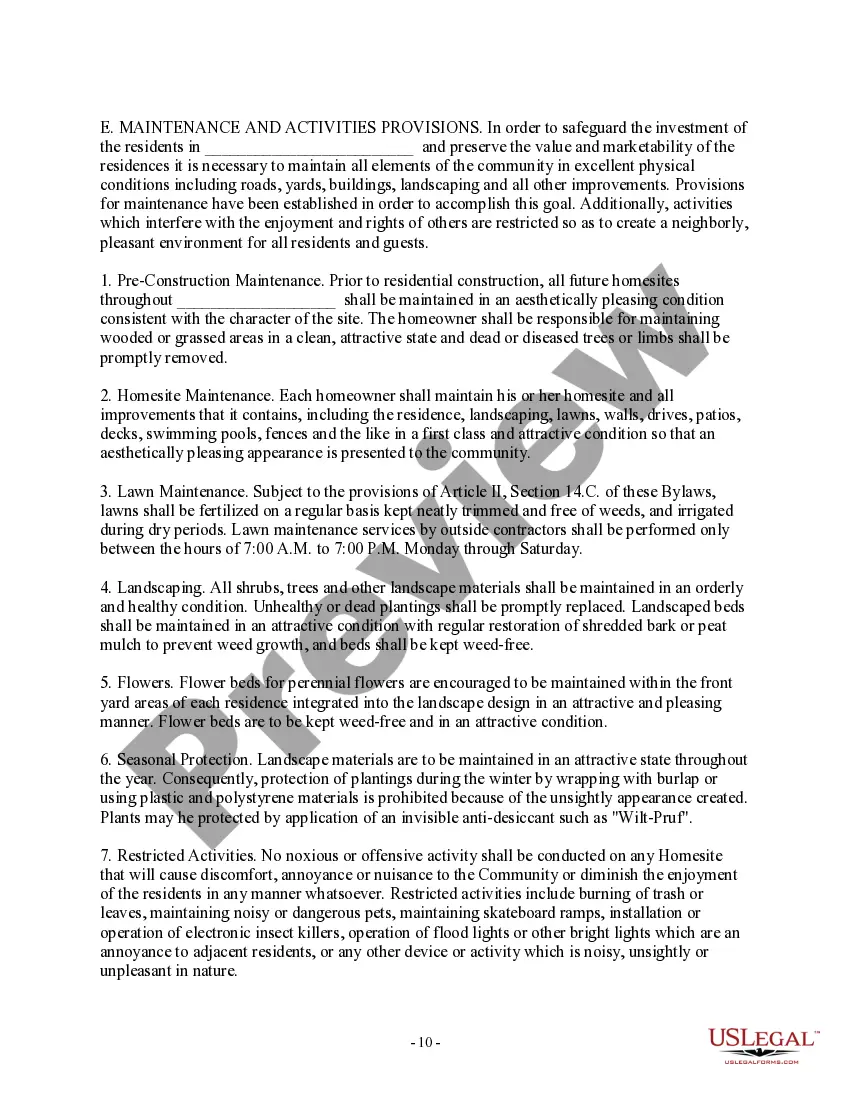
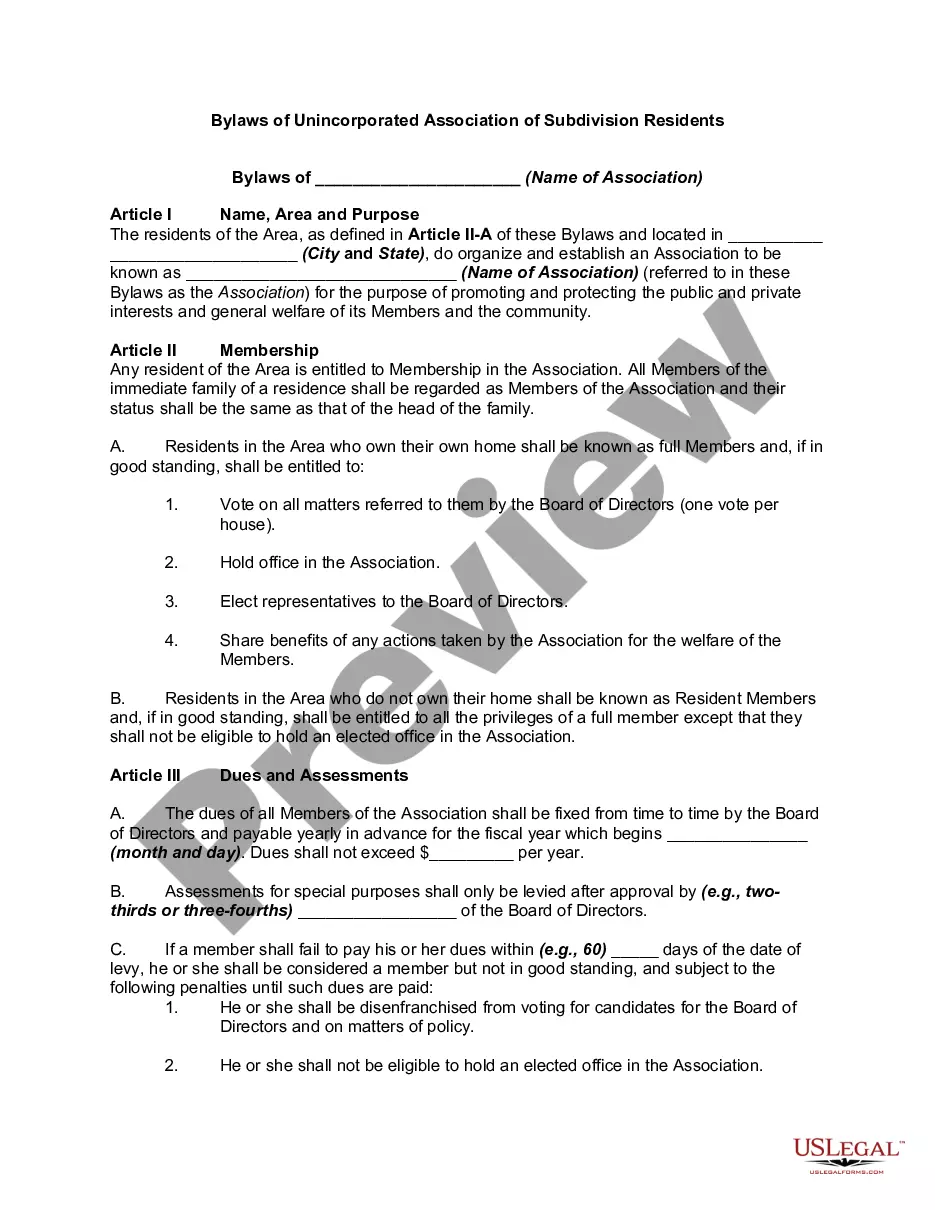
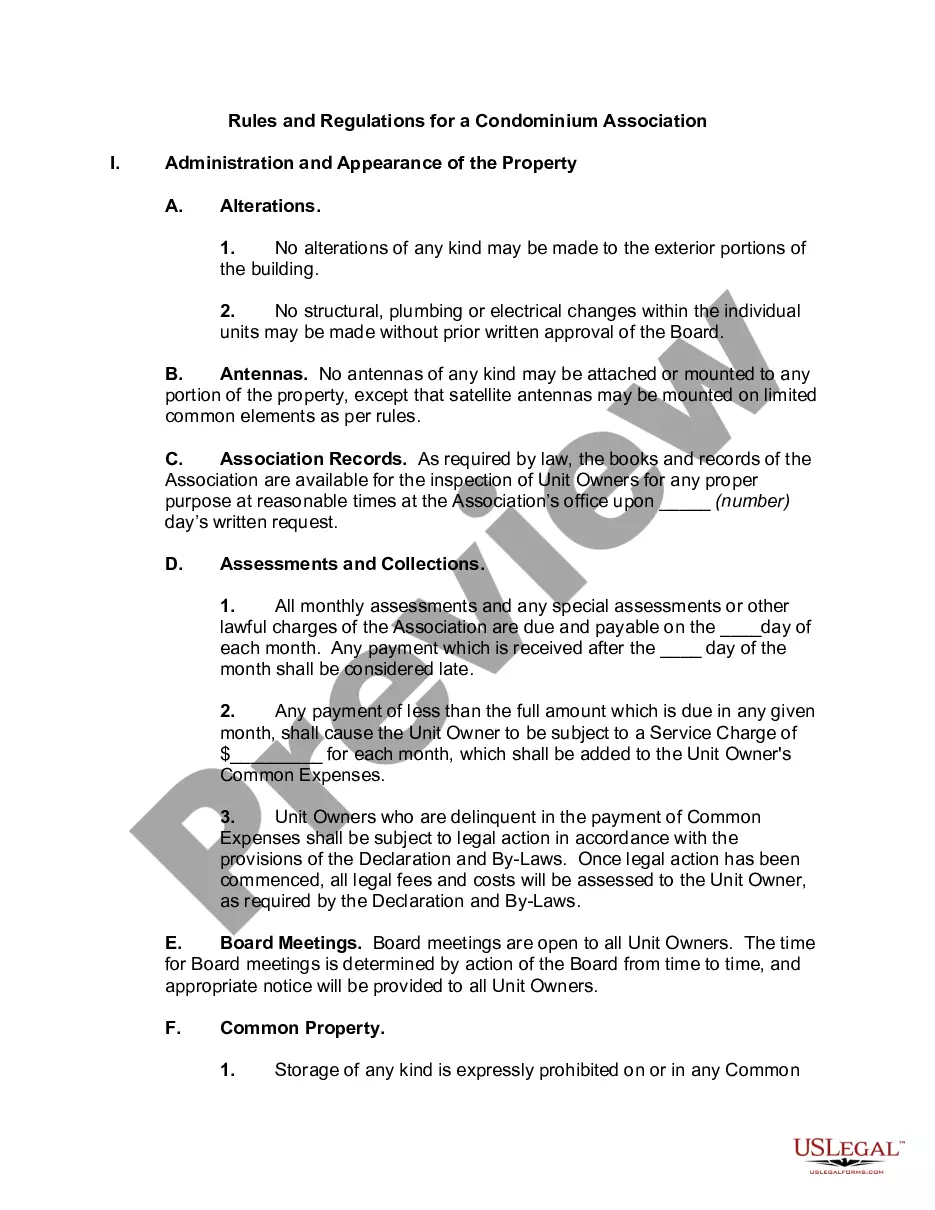
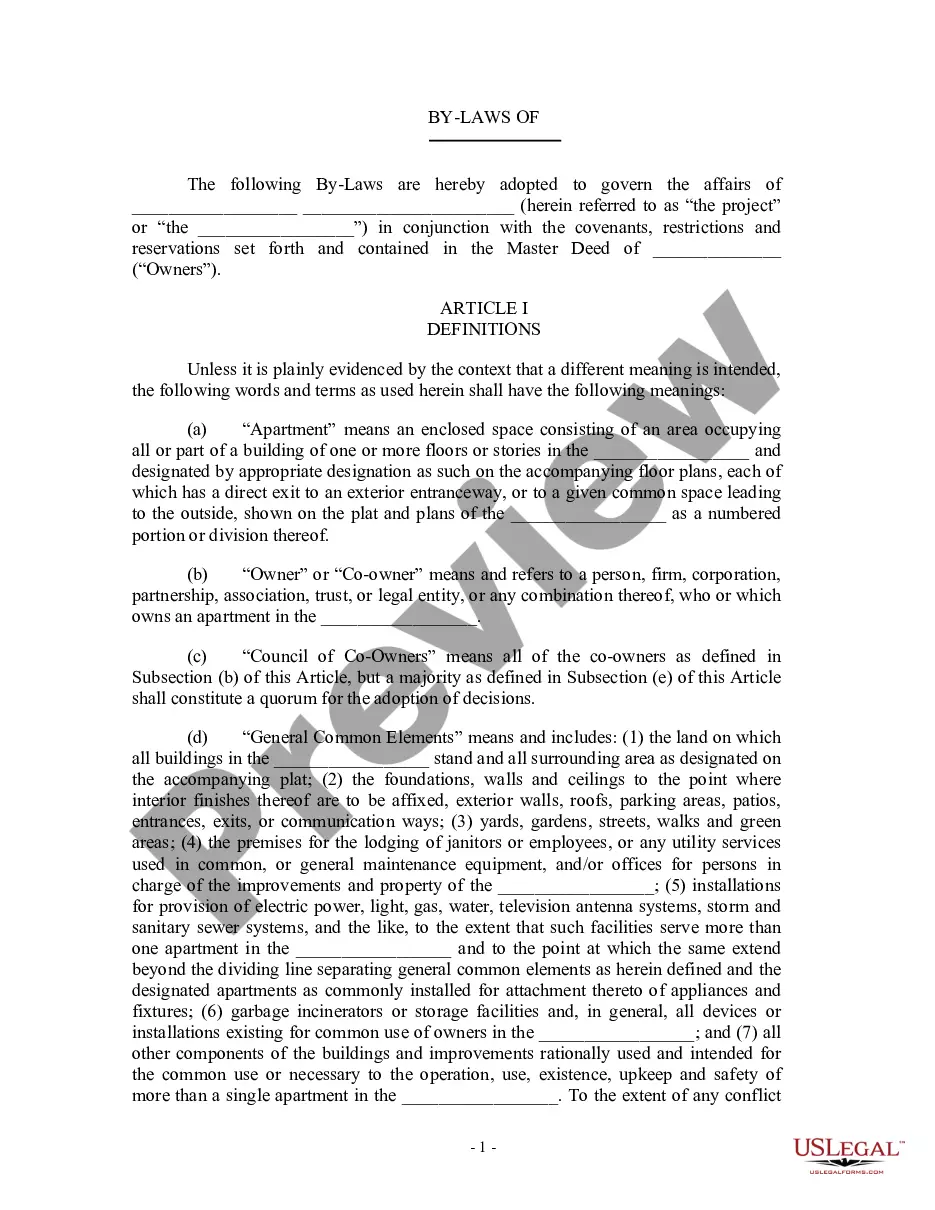
The bylaws must conform to the New Jersey inium Act. It's important to note that the Department of Community Affairs does not regulate all aspects of condo life: Instead, the DCA enforces certain provisions of the inium Act, including open public meeting requirements and dispute resolution procedures.
Homeowners Association's Rights and Responsibilities. The primary purpose of HOAs is to maintain the common elements of the community and to protect property values. To accomplish those goals, the community association can collect reasonable regular assessments from homeowners to create a maintenance budget.
