Bylaws For Condominium Association In North Carolina
Description

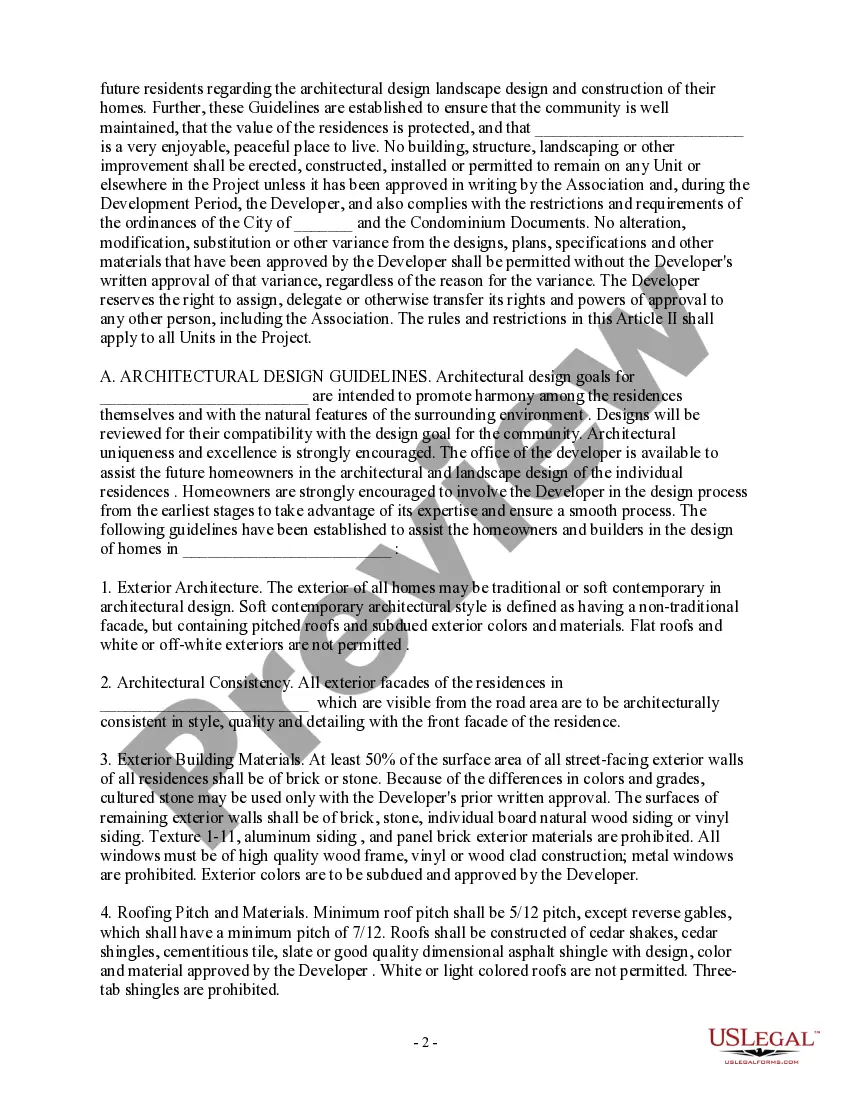
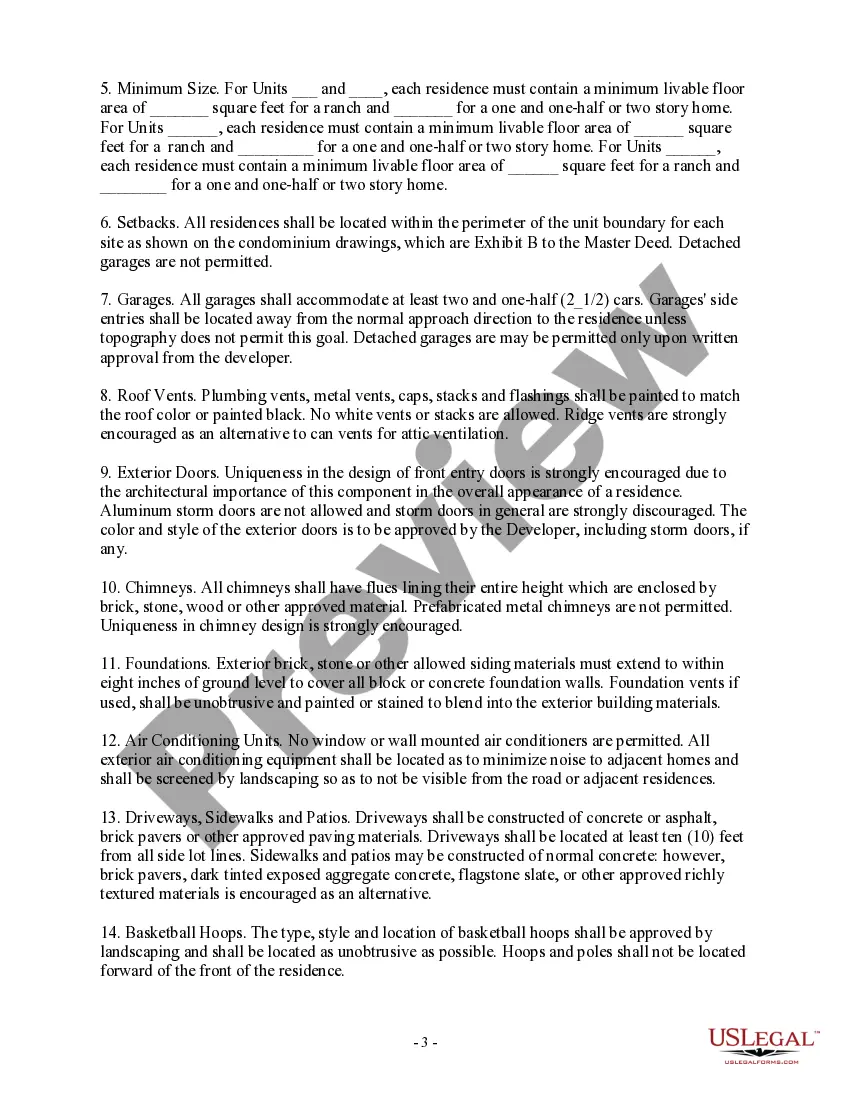
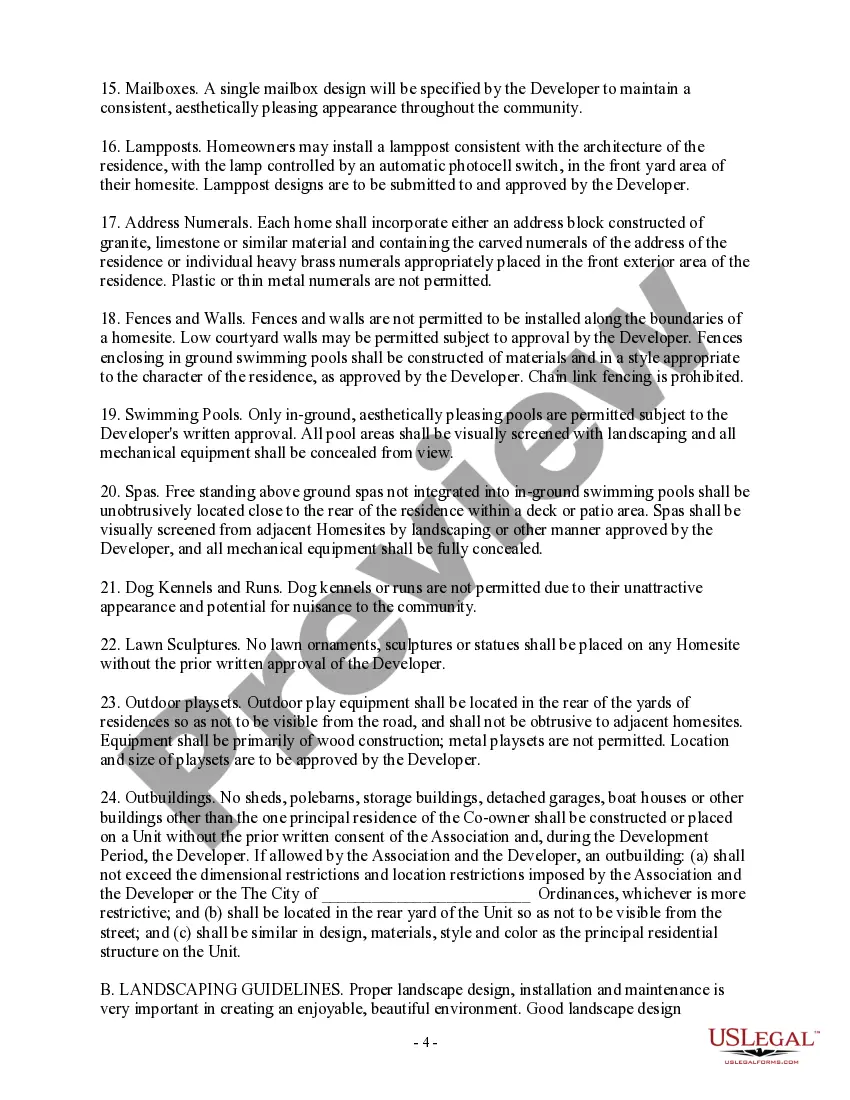
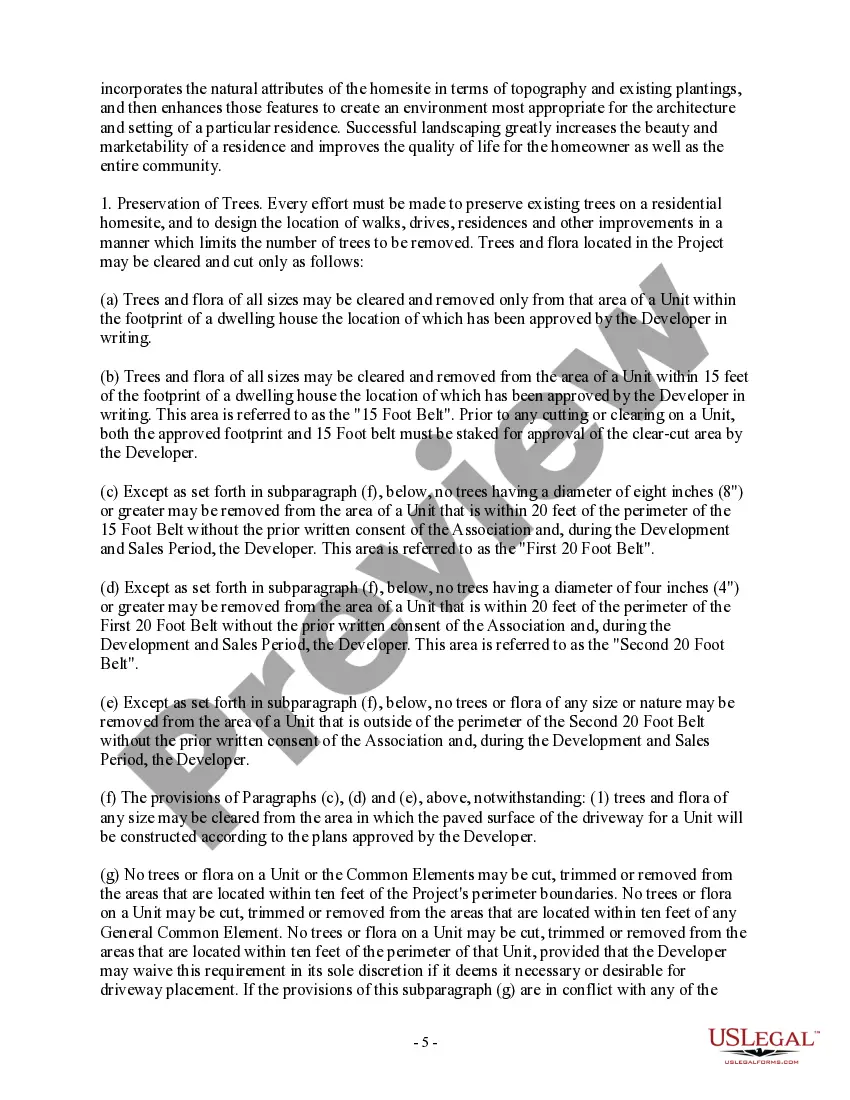



Get your form ready online
Our built-in tools help you complete, sign, share, and store your documents in one place.
Make edits, fill in missing information, and update formatting in US Legal Forms—just like you would in MS Word.
Download a copy, print it, send it by email, or mail it via USPS—whatever works best for your next step.
Sign and collect signatures with our SignNow integration. Send to multiple recipients, set reminders, and more. Go Premium to unlock E-Sign.
If this form requires notarization, complete it online through a secure video call—no need to meet a notary in person or wait for an appointment.
We protect your documents and personal data by following strict security and privacy standards.

Make edits, fill in missing information, and update formatting in US Legal Forms—just like you would in MS Word.

Download a copy, print it, send it by email, or mail it via USPS—whatever works best for your next step.

Sign and collect signatures with our SignNow integration. Send to multiple recipients, set reminders, and more. Go Premium to unlock E-Sign.

If this form requires notarization, complete it online through a secure video call—no need to meet a notary in person or wait for an appointment.

We protect your documents and personal data by following strict security and privacy standards.
Looking for another form?









Form popularity
FAQ
Limitations periods for HOA claims vary from state to state, but, in general, are usually somewhere between two and six years. In North Carolina, for example, HOA enforcement actions must be filed within three years. N.C.G.S. §47F-3-116(c).
Condo owners share ownership of the common areas with other owners, while common areas in townhouse developments are usually owned by the homeowners' association for the benefit and use of unit owners.
Duties and powers of an HOA's board, granted by the NCPCA and the community's declaration, include enforcement of covenants, adopting budgets, assessing and collecting member fees, maintaining and regulating commons areas, and acting on behalf of the association in legal matters. N.C. Gen. Stat. §47F-3-102.
Where can I learn more about HOA law in NC? The HOA or planned community law is in Chapter 47F of the General Statutes. of the General Statutes. You can also learn more about HOAs at the NC Attorney General's website at .
The General Statutes of North Carolina is the official North Carolina legal code, a collection of the statewide laws in force at the time of publication regardless of when they originally became law.
Generally, the North Carolina inium Act requires unanimous approval of amendments that shift the allocation of undivided interests in the common elements or in the common expenses. A covenant amendment as to the party responsible for limited common element maintenance is not such an amendment.
Inium Rules means the Rules for the use of the Premises that are adopted from time to time by the Board of Directors. inium Rules . Your unit is confirmed with the understanding that you will adhere to the rules and regulations set by individual inium or homeowner associations.
In North Carolina, HOA bylaws do not need to be recorded with the state. However, certain documents, like the declaration of covenants, conditions, and restrictions (CC&Rs), typically must be filed with the relevant county's Register of Deeds.
In North Carolina, HOA bylaws do not need to be recorded with the state. However, certain documents, like the declaration of covenants, conditions, and restrictions (CC&Rs), typically must be filed with the relevant county's Register of Deeds.
