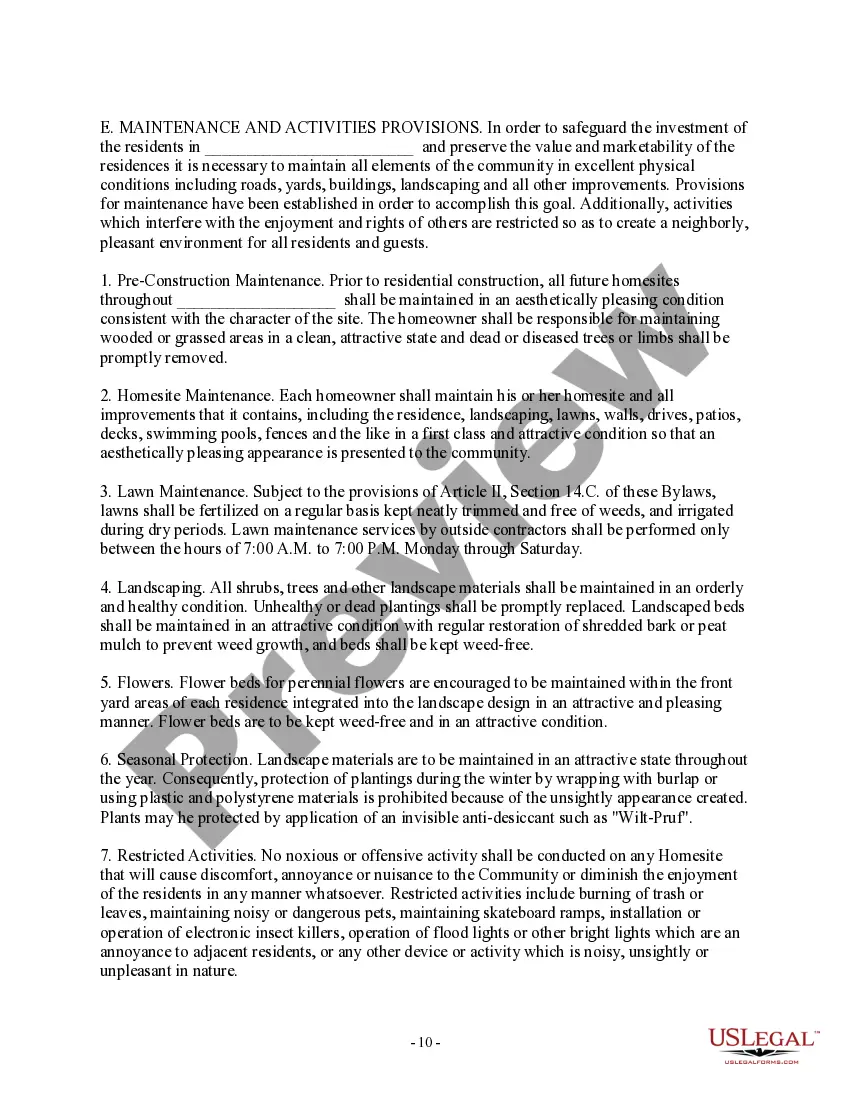
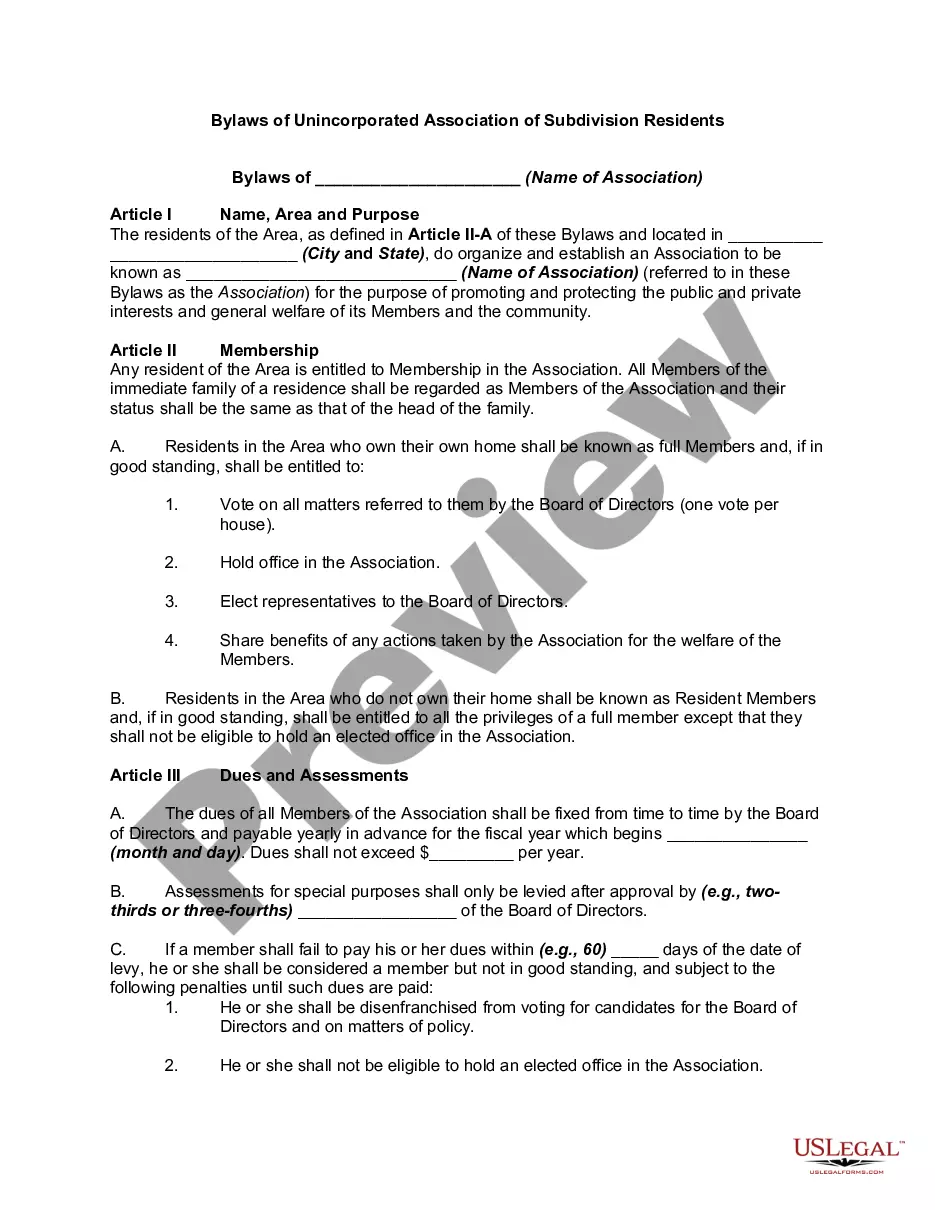
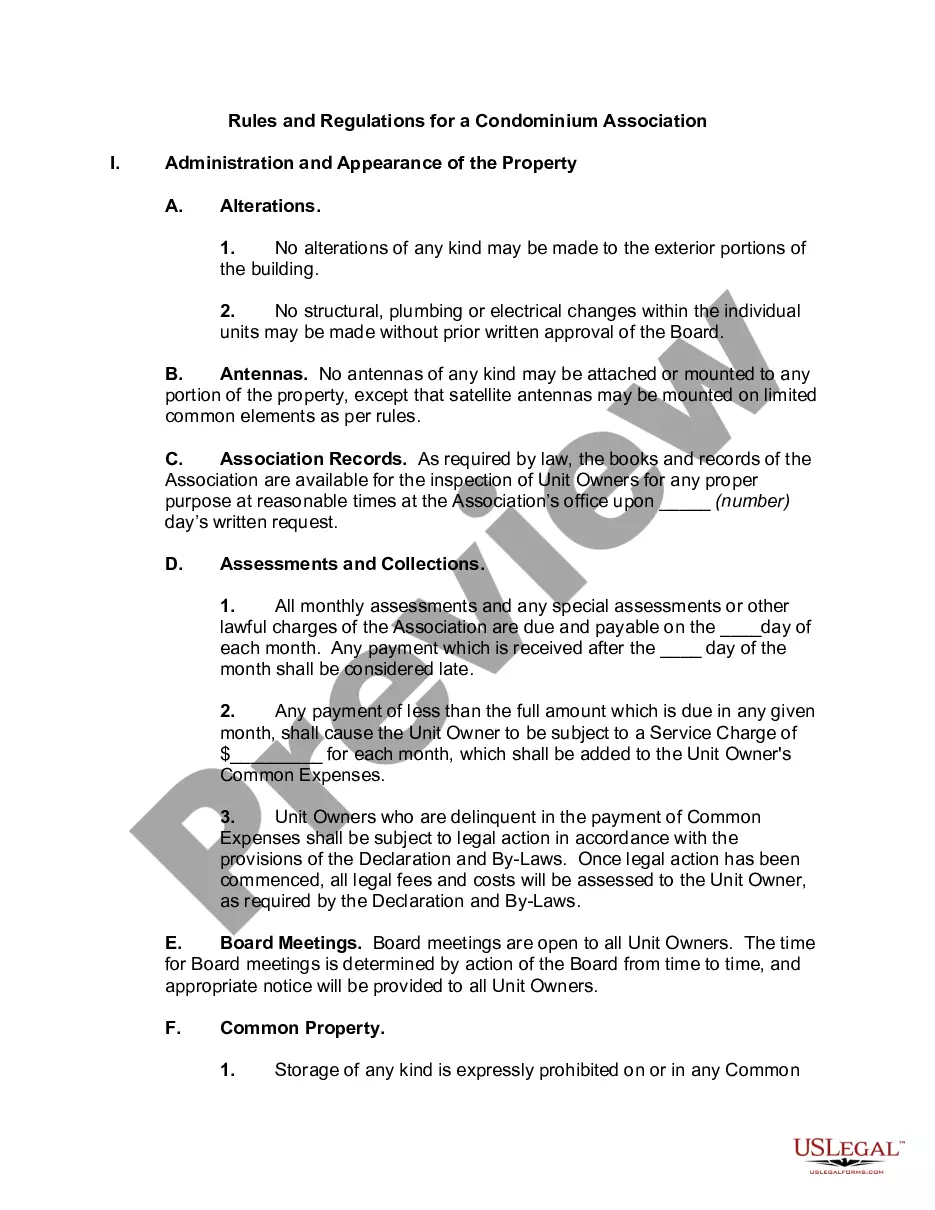
Bylaws Condo Association With Board Members In Nevada
Description




Get your form ready online
Our built-in tools help you complete, sign, share, and store your documents in one place.
Make edits, fill in missing information, and update formatting in US Legal Forms—just like you would in MS Word.
Download a copy, print it, send it by email, or mail it via USPS—whatever works best for your next step.
Sign and collect signatures with our SignNow integration. Send to multiple recipients, set reminders, and more. Go Premium to unlock E-Sign.
If this form requires notarization, complete it online through a secure video call—no need to meet a notary in person or wait for an appointment.
We protect your documents and personal data by following strict security and privacy standards.

Make edits, fill in missing information, and update formatting in US Legal Forms—just like you would in MS Word.

Download a copy, print it, send it by email, or mail it via USPS—whatever works best for your next step.

Sign and collect signatures with our SignNow integration. Send to multiple recipients, set reminders, and more. Go Premium to unlock E-Sign.

If this form requires notarization, complete it online through a secure video call—no need to meet a notary in person or wait for an appointment.

We protect your documents and personal data by following strict security and privacy standards.
Looking for another form?



Form popularity
FAQ
Yes, homeowners associations in Nevada can be dissolved. The procedure for dissolving the association may be outlined in the HOA's governing documents, or the board of directors has to approve a motion that will be presented to the members of the organization for a vote.
The HOA is not allowed to trespass unto private property unless (a) the HOA has an easement to that property, (b) the HOA has been allowed by the owner to do this, or (c) the covenants associated with deed allow this, but this would normally be in the form of an easement anyhow.
There is no specific cap on the percentage by which HOA fees can increase annually in Nevada; however, increases should be reasonable, and advance notice must be provided to homeowners as specified in the governing documents or state law.
In 2014, the Nevada Supreme Court held that a homeowner association holds a senior statutory right to foreclose for unpaid dues, wiping out a lender's deed of trust securing its debt. If the lender held a “first” deed of trust, the name became a misnomer.
Federal and state laws regulate HOAs in Nevada, but it is the Nevada Real Estate Department that is ultimately responsible for maintaining the proper functioning of HOAs and their communities.
A removal election may be called by units' owners constituting at least 10 percent, or any lower percentage specified in the bylaws, of the total number of voting members of the association, submitting a written petition, mailed, return receipt requested, or served by a process server, to the executive board or the ...
File a Lawsuit If mediation does not lead to a satisfactory resolution, your attorney may recommend filing a lawsuit. In Nevada, lawsuits against HOAs generally fall under civil court jurisdiction, and the specific claims will dictate the appropriate court for filing.
Federal and state laws regulate HOAs in Nevada, but it is the Nevada Real Estate Department that is ultimately responsible for maintaining the proper functioning of HOAs and their communities.
List of an HOA's Official Documents All documents provided by the developer, such as community maps, plats, plans, land surveys, permits. Recorded Declaration of Covenants, Conditions and Restrictions (CC&Rs), Articles of Incorporation, Bylaws and any amendments. Rules and Regulations.
A proper HOA request letter should include: Clear headers with date and contact information. The property address and owner details. A specific subject line identifying the request type. A concise project description. Relevant timeline and completion dates. Supporting documentation references.
