Bylaws Condo Association With Low Reserves In Hennepin
Description

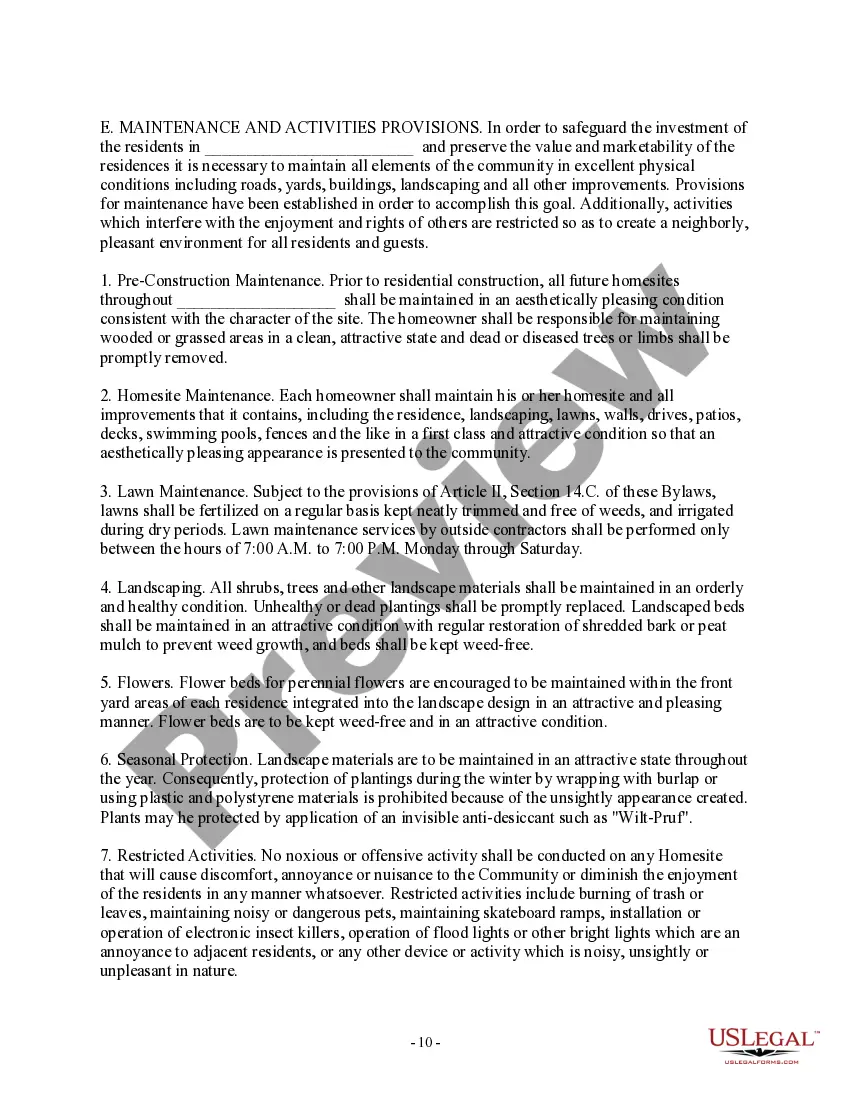


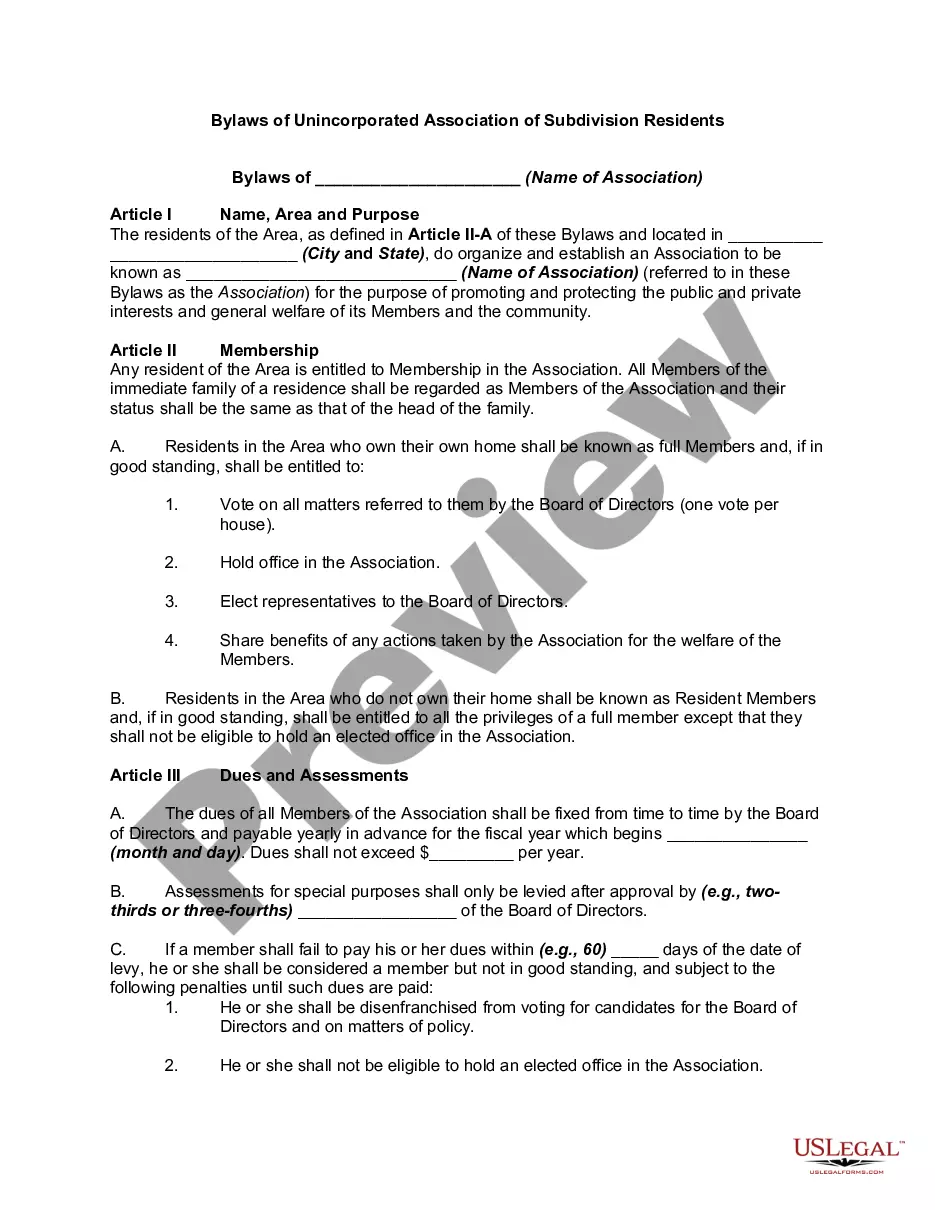
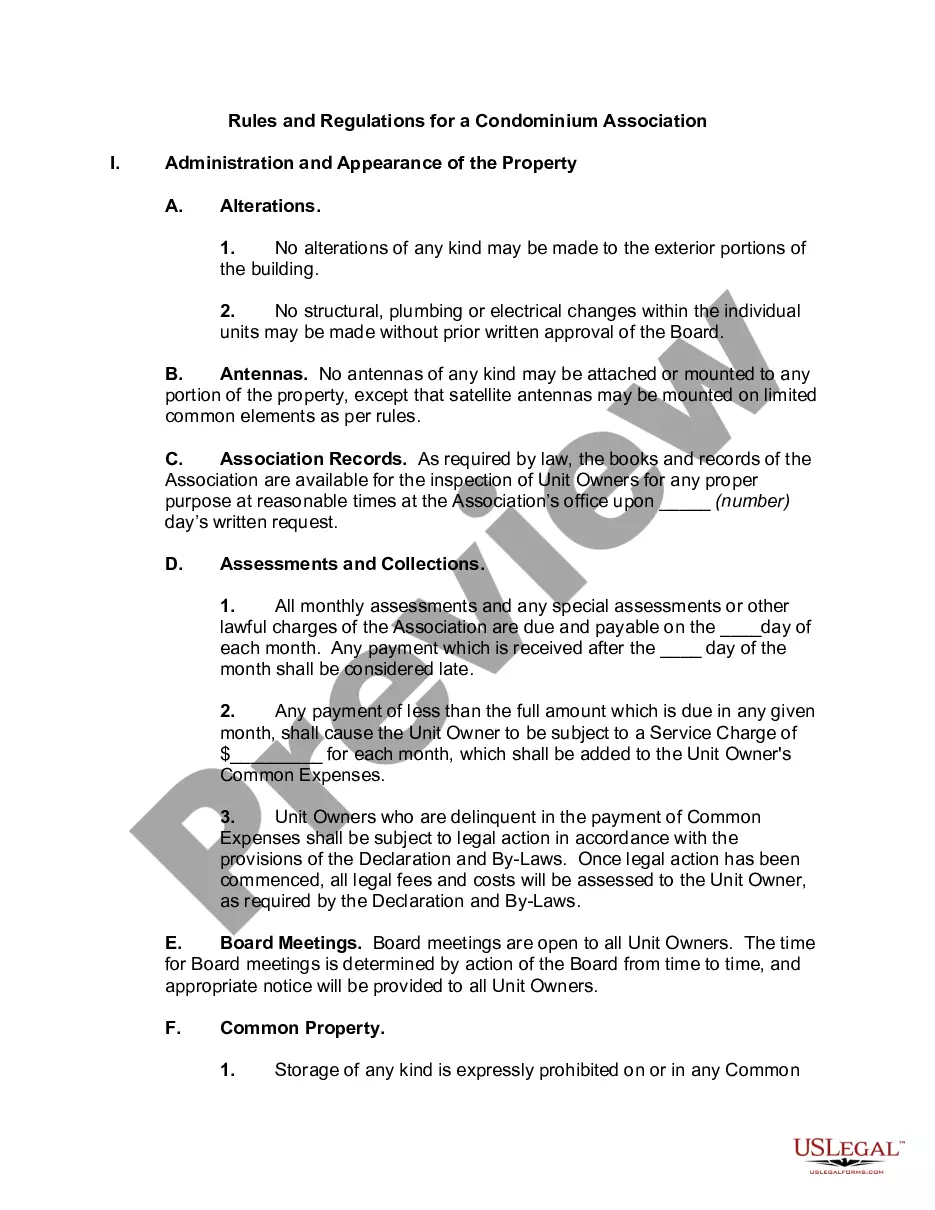
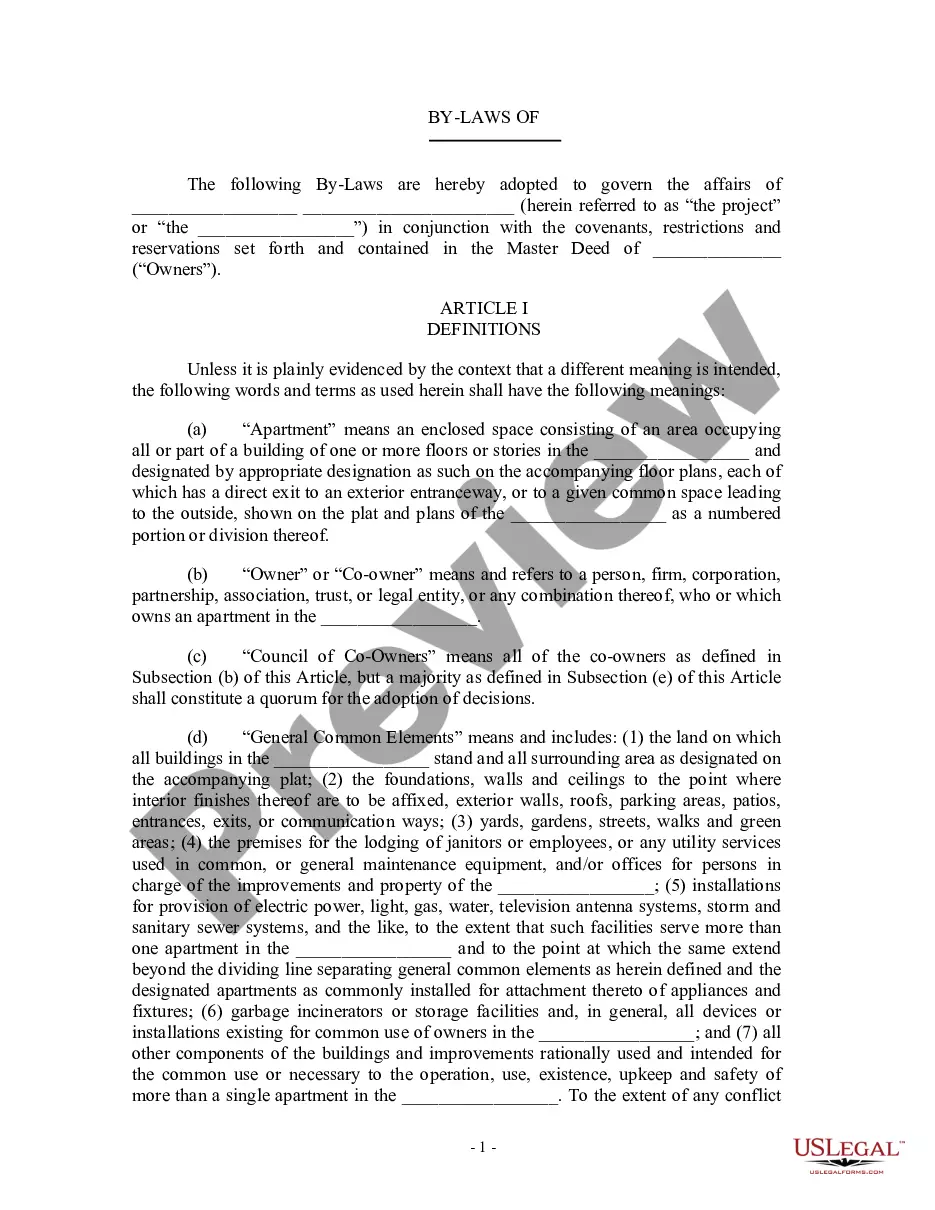
Get your form ready online
Our built-in tools help you complete, sign, share, and store your documents in one place.
Make edits, fill in missing information, and update formatting in US Legal Forms—just like you would in MS Word.
Download a copy, print it, send it by email, or mail it via USPS—whatever works best for your next step.
Sign and collect signatures with our SignNow integration. Send to multiple recipients, set reminders, and more. Go Premium to unlock E-Sign.
If this form requires notarization, complete it online through a secure video call—no need to meet a notary in person or wait for an appointment.
We protect your documents and personal data by following strict security and privacy standards.

Make edits, fill in missing information, and update formatting in US Legal Forms—just like you would in MS Word.

Download a copy, print it, send it by email, or mail it via USPS—whatever works best for your next step.

Sign and collect signatures with our SignNow integration. Send to multiple recipients, set reminders, and more. Go Premium to unlock E-Sign.

If this form requires notarization, complete it online through a secure video call—no need to meet a notary in person or wait for an appointment.

We protect your documents and personal data by following strict security and privacy standards.
Looking for another form?








Form popularity
FAQ
6 Steps to Amend HOA Bylaws and Covenants Amendment Proposal. The first step consists of a proposal describing the changes to the bylaw or covenant. Discussion Meeting. The board will then discuss the proposed amendment at a board meeting. Give it a Vote. Count the Votes. Amendment Approval. Recording and Effectivity.
To initiate the process of dissolving your HOA in Minnesota, follow these steps: Gather all evidence of the HOA's failures, broken promises, and abuses of power, including unpaid dues and promised amenities not delivered. Consult an attorney to review your case and guide you through the process.
Obligations and Protections Under Minnesota Law Overall, MCIOA serves as the legal framework that governs the rights and responsibilities of HOAs and homeowners in Minnesota.
Yes, if the HOA fails to maintain common areas as required by the governing documents, you may have grounds for a lawsuit. Proper maintenance is often a primary duty of the HOA, and failure to uphold this duty can lead to property damage or safety hazards.
File a Complaint: Report the HOA to the Minnesota Department of Human Rights or the U.S. Department of Housing and Urban Development (HUD). Seek Legal Assistance: Work with an attorney to file a lawsuit against the HOA for discriminatory practices. Learn more about HOA discrimination cases.
Minnesota Nonprofit Corporation Act This legislation oversees nonprofit corporations and sets rules and guidelines on their organizational makeup and procedures. The Minnesota Nonprofit Corporation Act governs the majority of Minnesota HOAs, as most choose to be incorporated as nonprofit corporations.
To initiate the process of dissolving your HOA in Minnesota, follow these steps: Gather all evidence of the HOA's failures, broken promises, and abuses of power, including unpaid dues and promised amenities not delivered. Consult an attorney to review your case and guide you through the process.
A: Section 18(a)(1) of the Illinois inium Property Act requires individuals to be a unit owner to serve on the board of directors, which means any ownership interest in the unit.
