Condominium Act Form 5 In California
Description

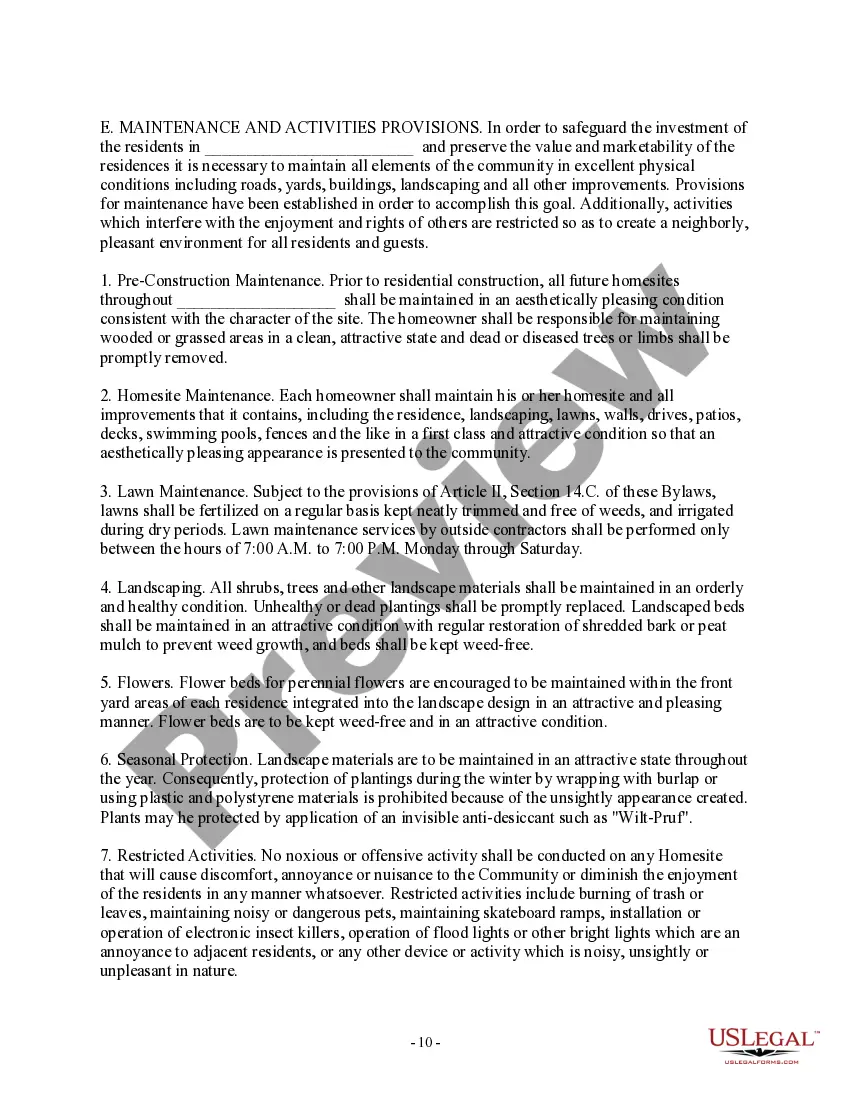


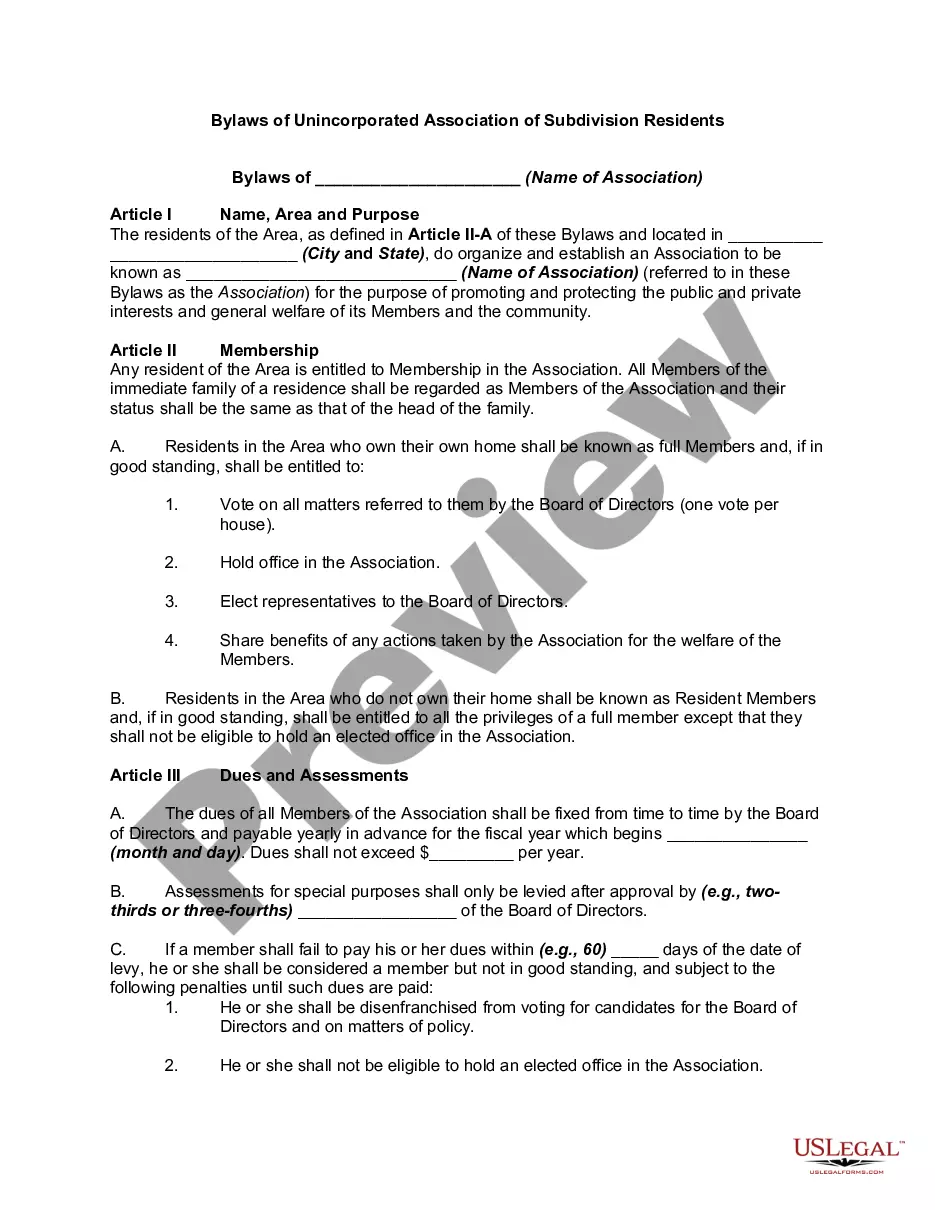
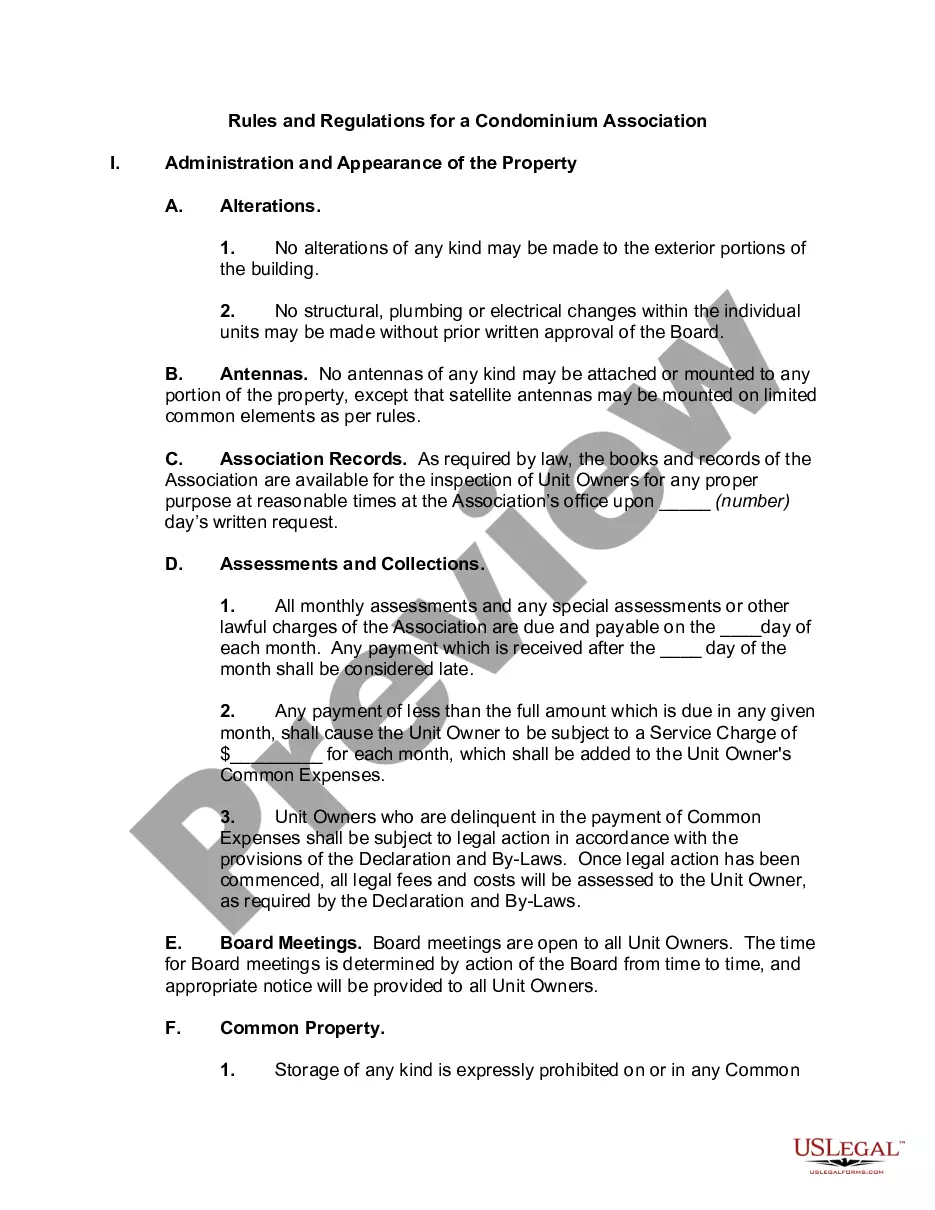

Get your form ready online
Our built-in tools help you complete, sign, share, and store your documents in one place.
Make edits, fill in missing information, and update formatting in US Legal Forms—just like you would in MS Word.
Download a copy, print it, send it by email, or mail it via USPS—whatever works best for your next step.
Sign and collect signatures with our SignNow integration. Send to multiple recipients, set reminders, and more. Go Premium to unlock E-Sign.
If this form requires notarization, complete it online through a secure video call—no need to meet a notary in person or wait for an appointment.
We protect your documents and personal data by following strict security and privacy standards.

Make edits, fill in missing information, and update formatting in US Legal Forms—just like you would in MS Word.

Download a copy, print it, send it by email, or mail it via USPS—whatever works best for your next step.

Sign and collect signatures with our SignNow integration. Send to multiple recipients, set reminders, and more. Go Premium to unlock E-Sign.

If this form requires notarization, complete it online through a secure video call—no need to meet a notary in person or wait for an appointment.

We protect your documents and personal data by following strict security and privacy standards.
Looking for another form?








Form popularity
FAQ
California's Statute of Frauds requires a lease to be in writing if it either: 1. has a term longer than one year; or 2. has a term less than one year which expires more than one year after the agreement is reached. actually be maintained for thirteen months.
Any rental unit built after 2/1/95, as well as houses and condos, are not under rent restrictions. Even where these rent restrictions do not apply, eviction protections do continue.
The standard lease agreement in California, whether for residential or commercial property, is a legal contract between the property owner and the prospective tenant. It outlines the terms under which the tenant can occupy and use the rental property.
How to write a California lease agreement Identify the parties involved. Clearly state the names and contact information of both the landlord and the prospective tenant. Define the rental property. Specify the lease term. Outline rent and payment terms. Include important provisions. Comply with legal requirements.
How to write a California lease agreement Identify the parties involved. Clearly state the names and contact information of both the landlord and the prospective tenant. Define the rental property. Specify the lease term. Outline rent and payment terms. Include important provisions. Comply with legal requirements.
Waiver of Landlord's Liability A landlord can't waive or modify this duty. This means that any lease that contains a provision that exempts the landlord's liability for negligence is legally void and unenforceable because it is "contrary to public policy."
Statutorily, section 134(5) of the inium Act requires a Court Order prior to legal expenses being added to the common expenses of a unit.
Amending the declaration typically requires either 80 or 90 per cent of the voting units agree in writing or a court order. Often restrictions and provisions that are intended to be permanent will be written into the declaration when the condo corporation is created.
Most bylaw changes can be passed by what's called an ordinary resolution. An ordinary resolution is one that is passed when a majority of members vote in its favour unless your bylaws say otherwise. But there are some bylaw changes that can only be passed by special resolution.
Section 83(1) of the Act requires landlords to notify the condo corporation of the rental and provide a copy of the lease within 10 days of signing.
