Condo Rules For Guests In California
Description




Get your form ready online
Our built-in tools help you complete, sign, share, and store your documents in one place.
Make edits, fill in missing information, and update formatting in US Legal Forms—just like you would in MS Word.
Download a copy, print it, send it by email, or mail it via USPS—whatever works best for your next step.
Sign and collect signatures with our SignNow integration. Send to multiple recipients, set reminders, and more. Go Premium to unlock E-Sign.
If this form requires notarization, complete it online through a secure video call—no need to meet a notary in person or wait for an appointment.
We protect your documents and personal data by following strict security and privacy standards.

Make edits, fill in missing information, and update formatting in US Legal Forms—just like you would in MS Word.

Download a copy, print it, send it by email, or mail it via USPS—whatever works best for your next step.

Sign and collect signatures with our SignNow integration. Send to multiple recipients, set reminders, and more. Go Premium to unlock E-Sign.

If this form requires notarization, complete it online through a secure video call—no need to meet a notary in person or wait for an appointment.

We protect your documents and personal data by following strict security and privacy standards.
Looking for another form?




Form popularity
FAQ
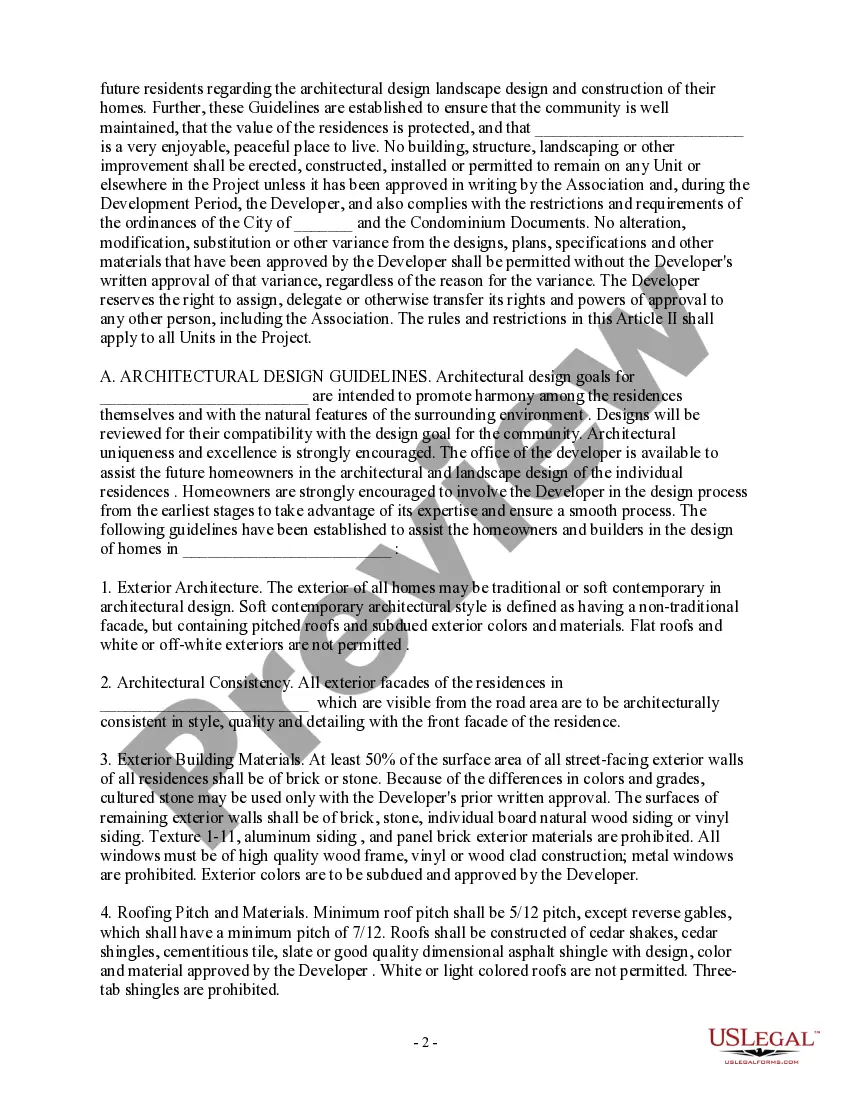
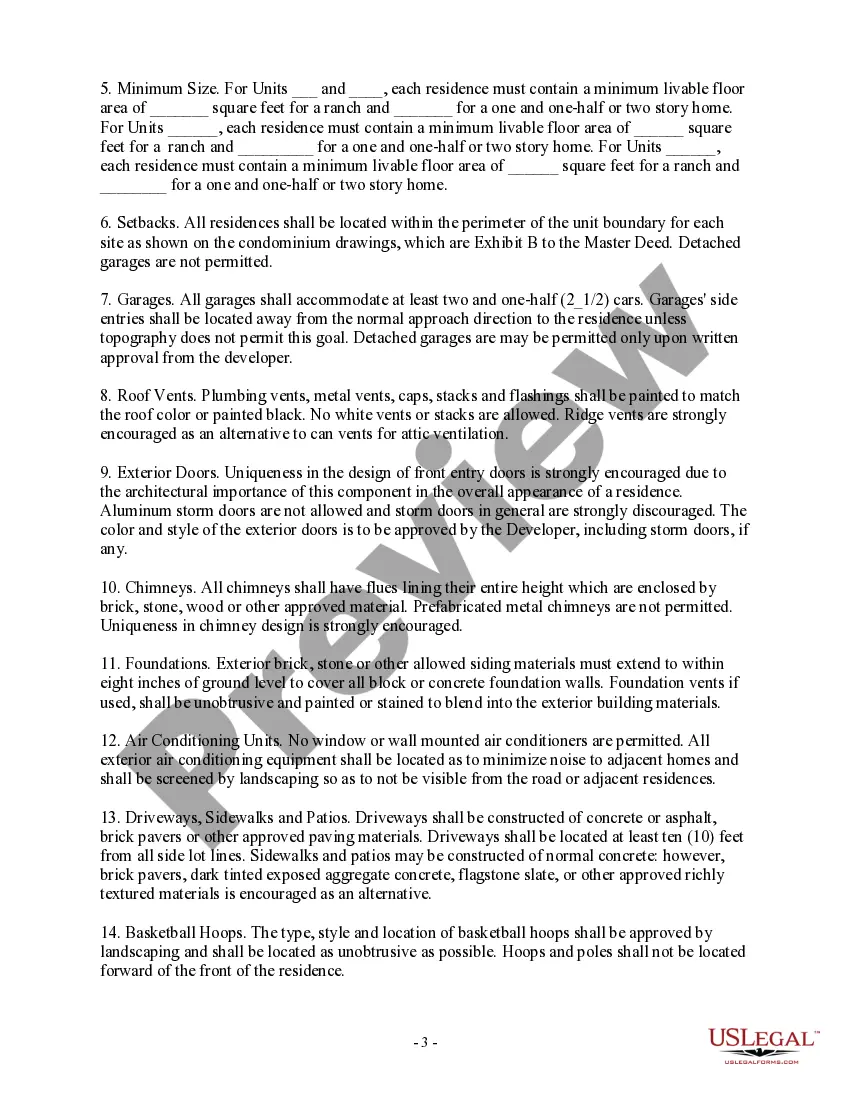
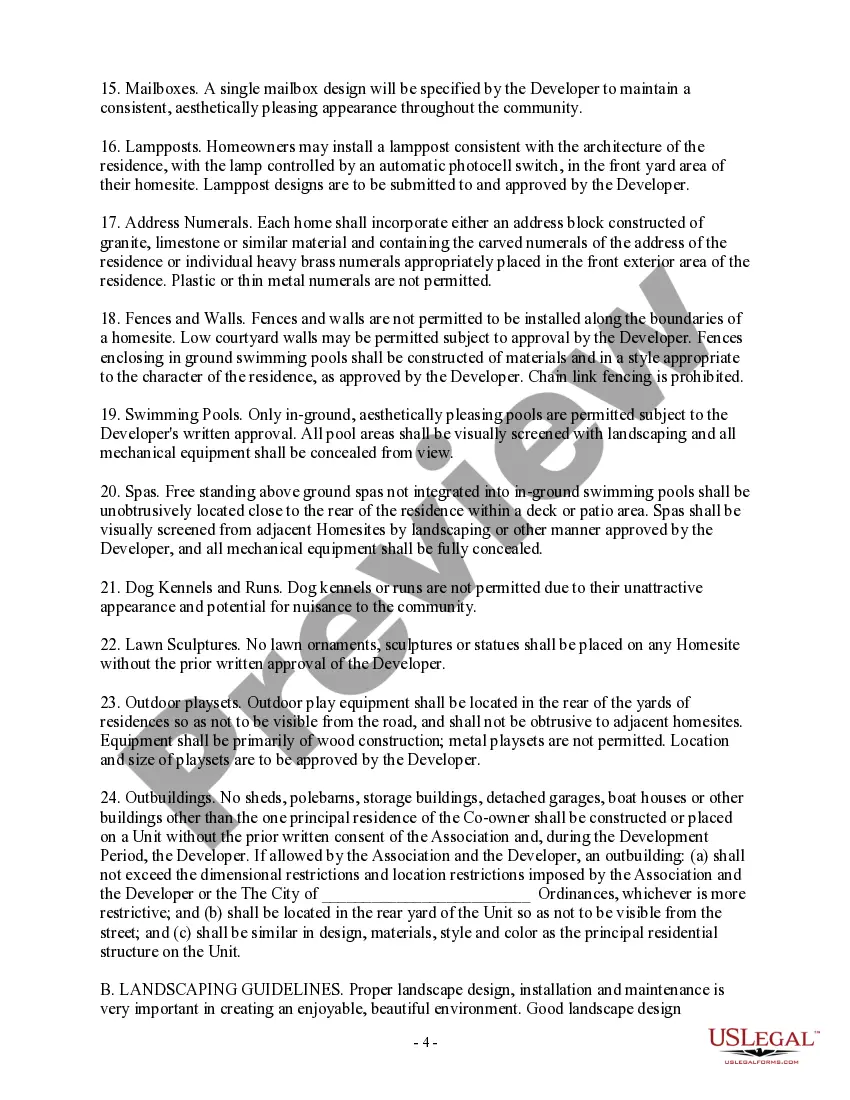
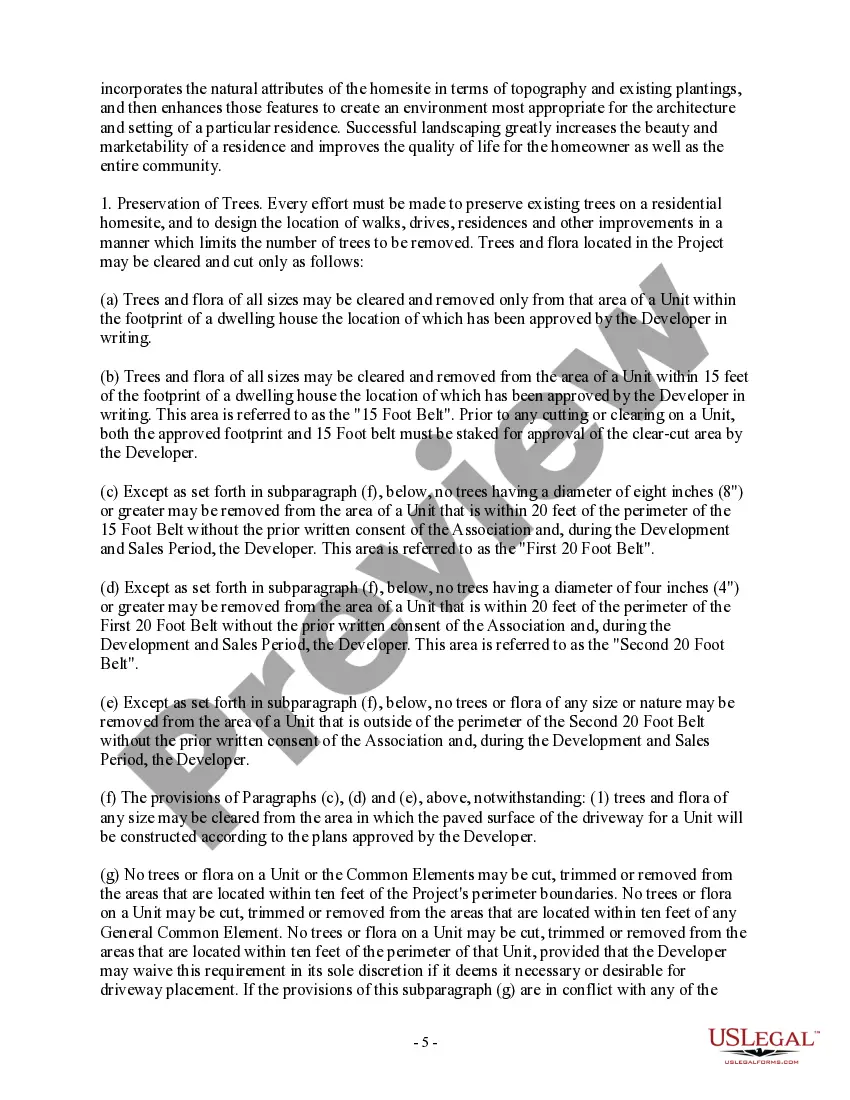
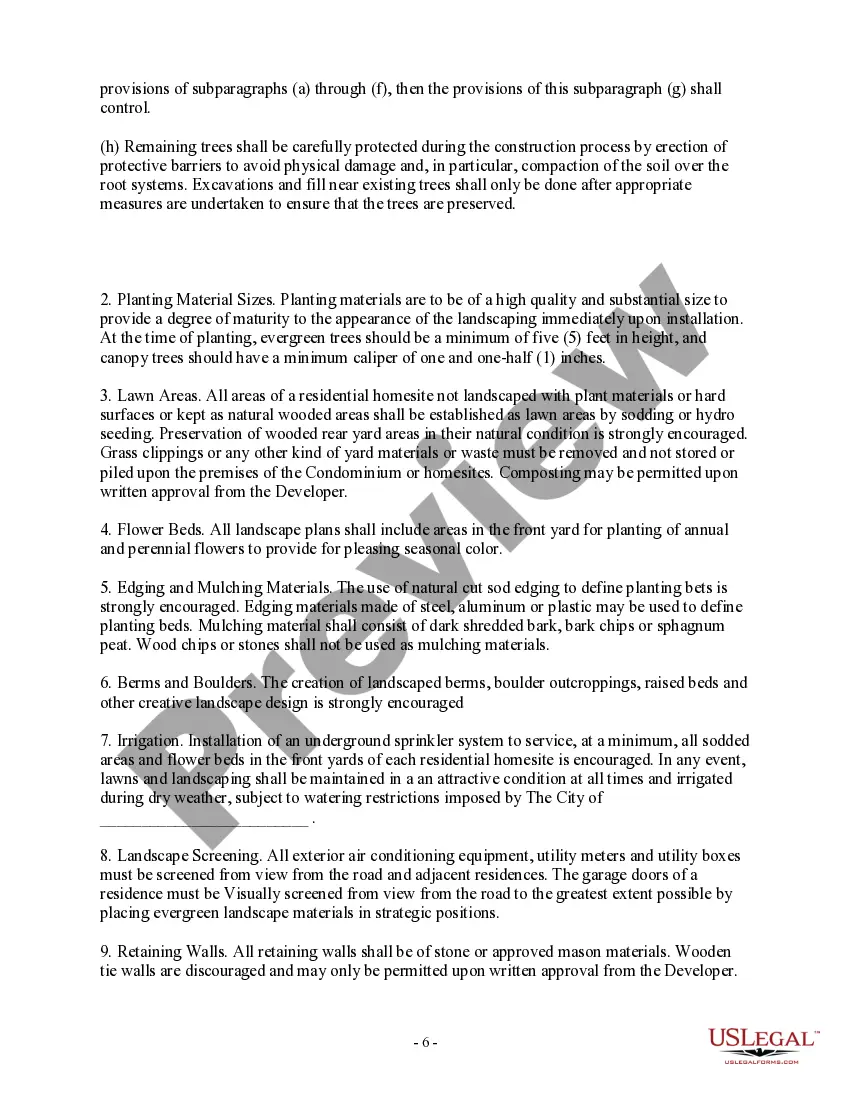
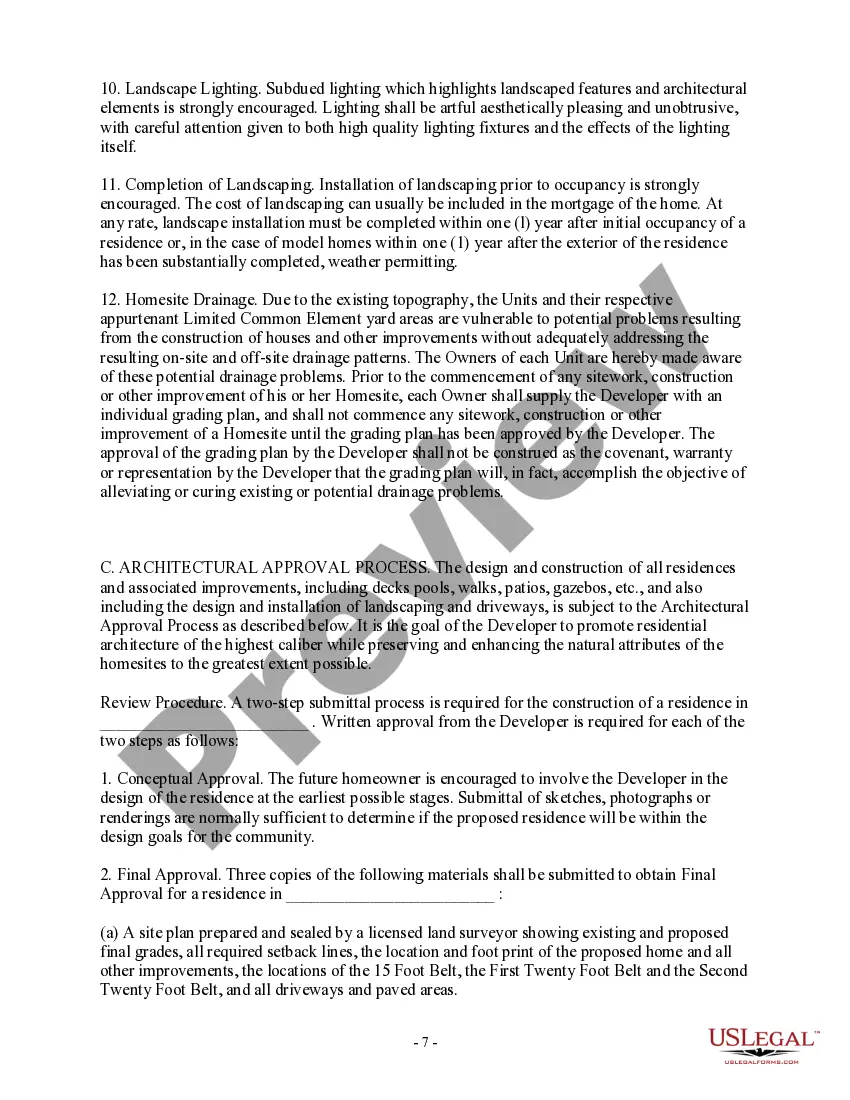
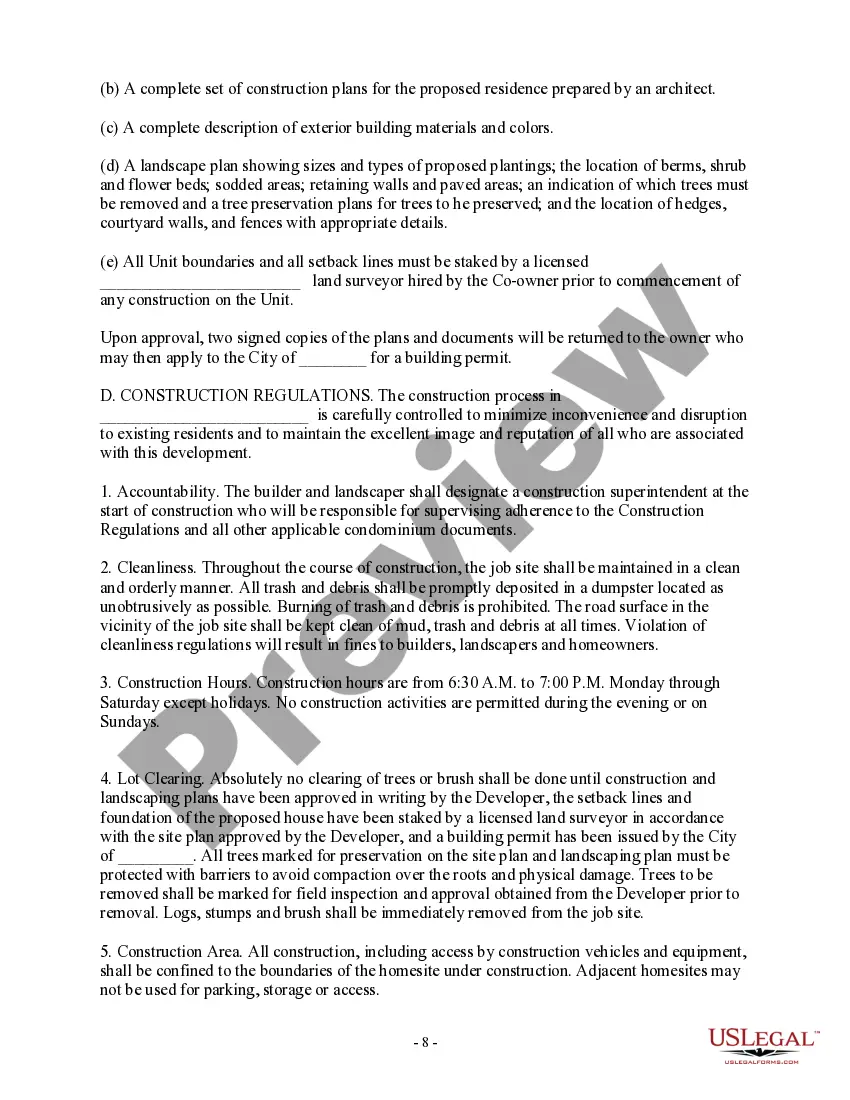
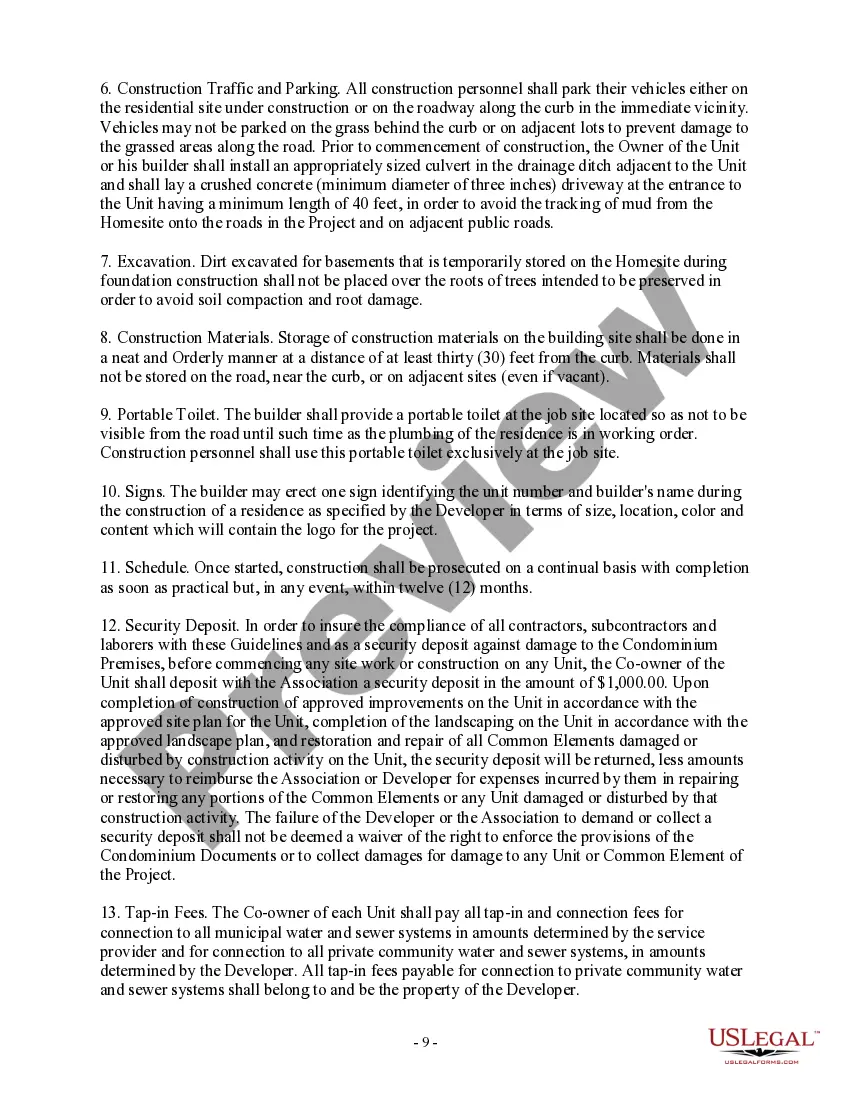
Guests must stay for a limited amount of time. Most landlords allow guests to stay for a maximum of 10-14 days in a six-month period. If a guest stays longer than this, they may be considered a tenant and the landlord may be able to evict the tenant.
30-Day or 60-Day Notice: For month-to-month agreements, provide a 30-day notice if they've lived in the property for less than a year, or a 60-day notice if they've stayed longer. Notice to Vacate for Unlisted Occupants: For roommates not on the lease, use a general notice to vacate as the first step.
In general, California law permits tenants to have guests. That's because tenants can treat rentals like their own homes. A tenant doesn't need to seek a landlord's permission to invite guests over.
Technically, you can live in an apartment without being on the lease. But normally the lease specifies that only people listed in the lease may live in the apartment, so the person on the lease agreement may get in trouble because of an unauthorized tenant. Not all apartment buildings look at the credit reports.
Here are the states that do explicitly state when guests are considered tenants: StateWhen guests become tenants California After 14 days within 6 months or 7 consecutive nights Colorado After 14 days, within 6 months Connecticut After 14 days, within 6 months Florida After 14 days within 6 months or 7 consecutive nights19 more rows •
Legally, all tenants do not have to be on a lease agreement in California. However, landlords should definitely consider including all tenants of legal age on the lease. There are some exceptions to this rule, though, depending on the situation of your tenant.
Here are the states that do explicitly state when guests are considered tenants: StateWhen guests become tenants Arizona After 29 days California After 14 days within 6 months or 7 consecutive nights Colorado After 14 days, within 6 months Connecticut After 14 days, within 6 months19 more rows •
Right to Habitability Tenants are entitled to a “warranty of habitability.” This legal doctrine requires landlords to provide a living space that is safe, healthy, and in good repair. Even without a lease, landlords must ensure: Functioning plumbing and electrical systems. Adequate heat and water.
Additionally, the California Department of Fair Employment and Housing (DFEH) uses what is known as the “two plus one” formula, which permits two (2) people to occupy each bedroom, with one (1) additional person in the living spaces (i.e., five (5) people may reside in a two bedroom unit).
Any guest who stays at the property for more than 2 weeks within a 6 month period could be considered a tenant and must be added to the lease agreement.
