Condominium Bylaws And In Bronx
Description

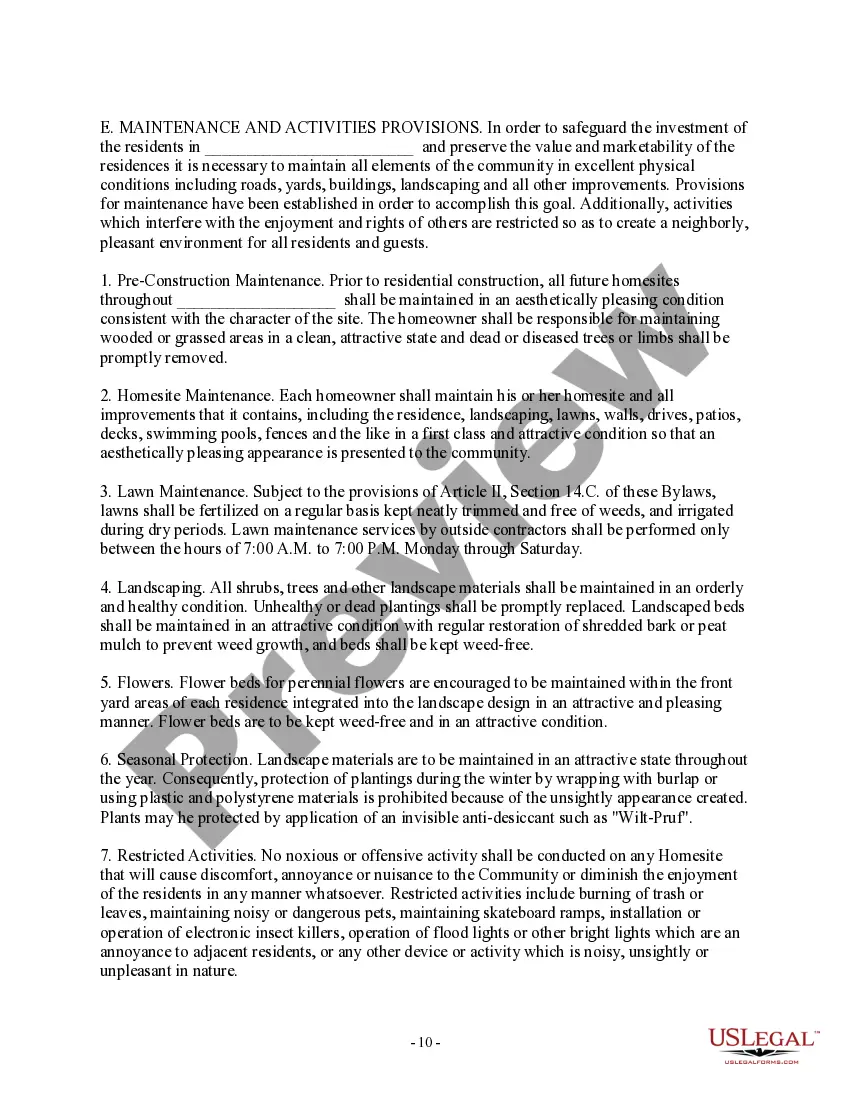


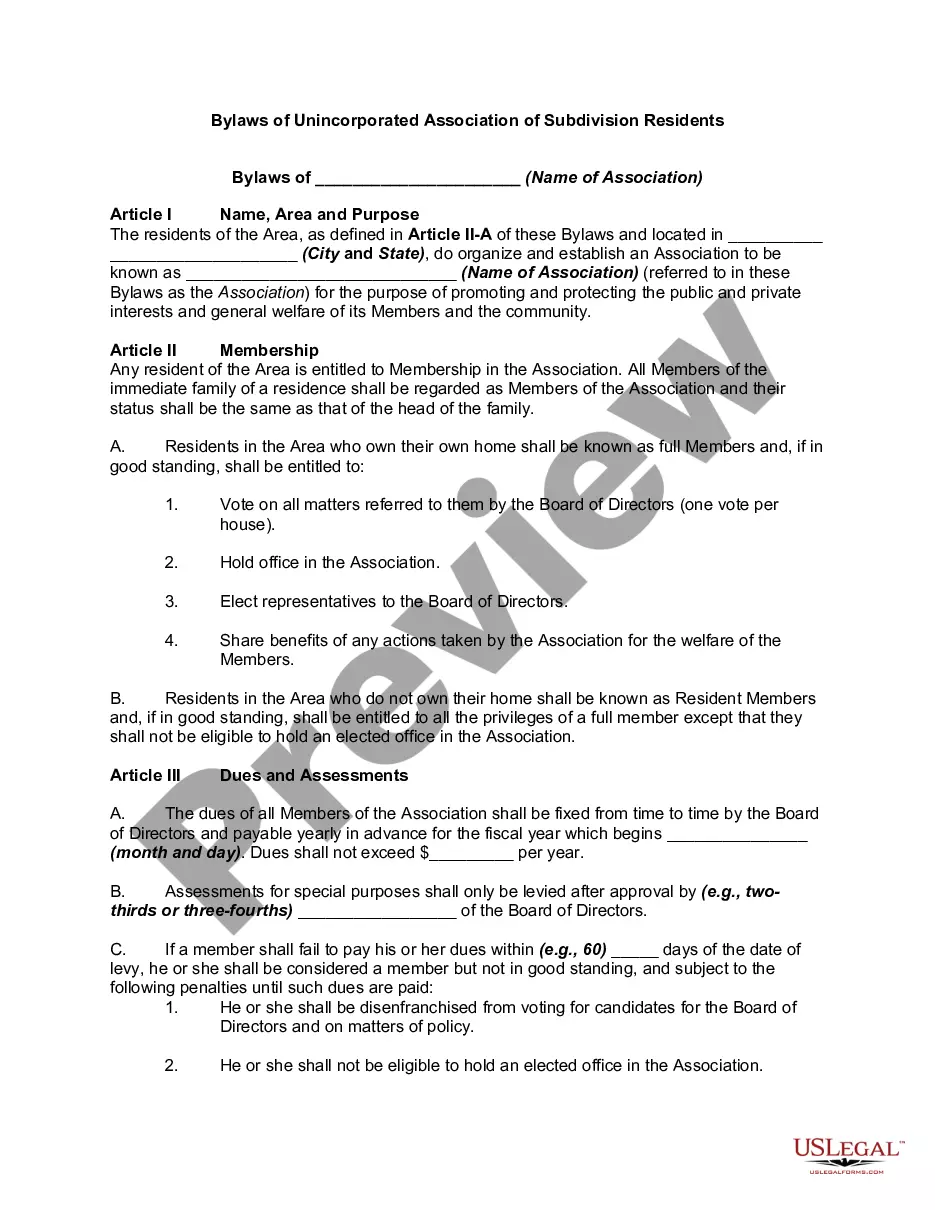
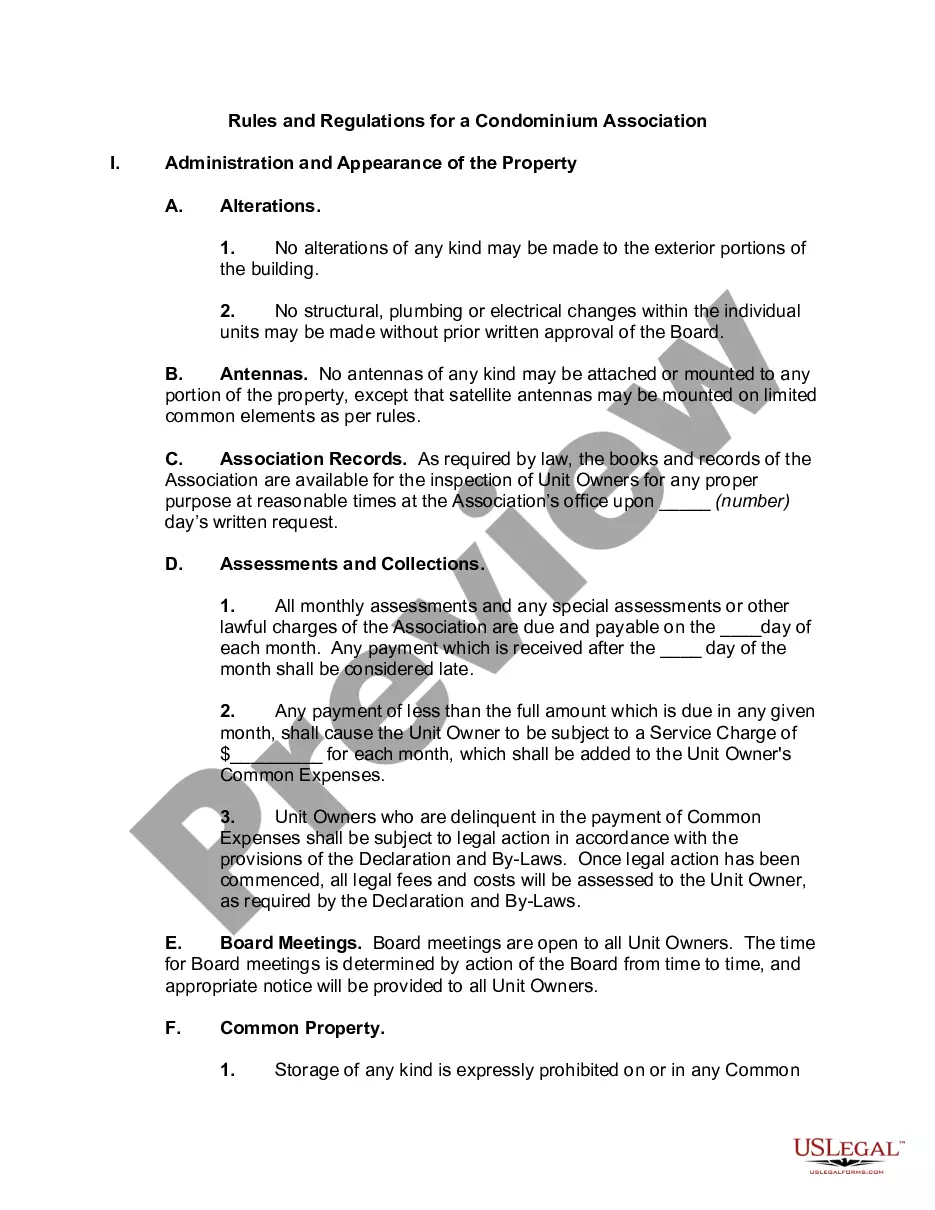
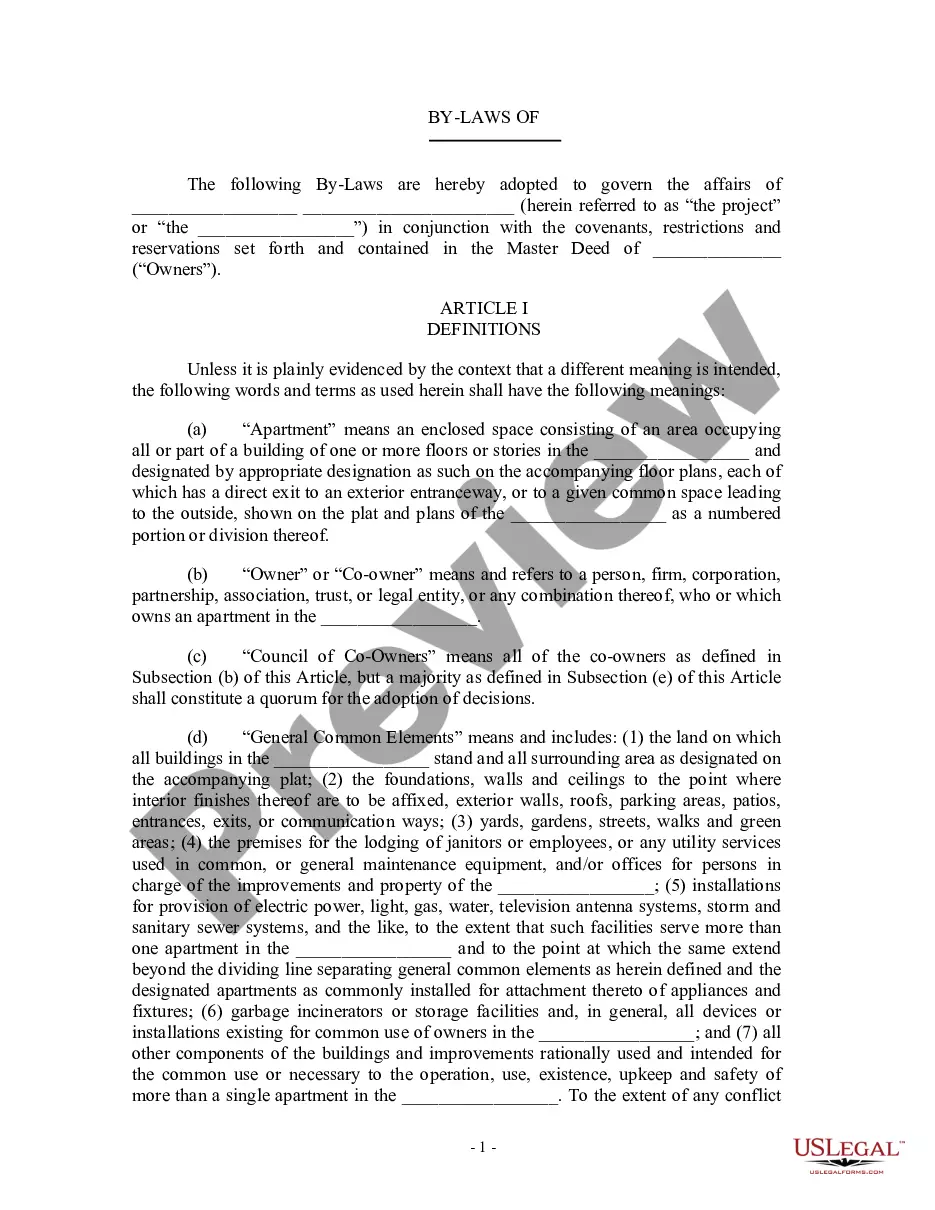
Get your form ready online
Our built-in tools help you complete, sign, share, and store your documents in one place.
Make edits, fill in missing information, and update formatting in US Legal Forms—just like you would in MS Word.
Download a copy, print it, send it by email, or mail it via USPS—whatever works best for your next step.
Sign and collect signatures with our SignNow integration. Send to multiple recipients, set reminders, and more. Go Premium to unlock E-Sign.
If this form requires notarization, complete it online through a secure video call—no need to meet a notary in person or wait for an appointment.
We protect your documents and personal data by following strict security and privacy standards.

Make edits, fill in missing information, and update formatting in US Legal Forms—just like you would in MS Word.

Download a copy, print it, send it by email, or mail it via USPS—whatever works best for your next step.

Sign and collect signatures with our SignNow integration. Send to multiple recipients, set reminders, and more. Go Premium to unlock E-Sign.

If this form requires notarization, complete it online through a secure video call—no need to meet a notary in person or wait for an appointment.

We protect your documents and personal data by following strict security and privacy standards.
Looking for another form?








Form popularity
FAQ
The inium Act is the New York State law which governs the establishment of iniums.
Inium is a Latin word that means "Owning property together." That's what it is like when someone buys a condo unit. They have an "interest" in the land beneath the building, but the building's association owns the actual land.
Upon application made in ance with the requirements of this section, the Department of Law may, in its discretion, issue a "no-action letter" stating that it will not take enforcement action based on the transaction described in the application occurring without the filing of an offering plan pursuant to section ...
Condo Owner Rights: The Right to Protest When board members fail to meet their fiduciary duties, condo members can remove the board members who are abusing their authority. Condo owners also have the right to protest any regulations that are discriminatory, unfair, or onerous.
Homeowners' Associations in New York, or otherwise known as Common Interest Communities, are regulated by the Attorney General's office and must be set up as non-profit organizations. They are governed by NY Not-For-Profit Corporation Law, the Association's Articles of Declaration, and Bylaws.
Should I Buy a Coop or Condo in NYC? If you prioritize affordability and community, a co-op might suit you. However, if you prefer fewer restrictions and higher resale value, a condo could be the better option. Working with a real estate agent can help you navigate the nuances of both property types in NYC.
“A housing cooperative (co-op) is also contained within a building, but its residents don't actually own their living spaces but own shares, which grant them the right to live in the co-op.” Ornate pre-war apartment buildings in the Upper West Side of Manhattan, New York City, USAPhoto: Getty Images.
Condos tend to have more amenities. Co-ops can offer similar amenities, but the co-op board is responsible for management and upkeep. Since board members are also residents, this can create greater interest in maintaining and improving the quality of life within the building.
The inium Act is the New York State law which governs the establishment of iniums.
