Educational Assistance Employees With Disabilities In Virginia
Description

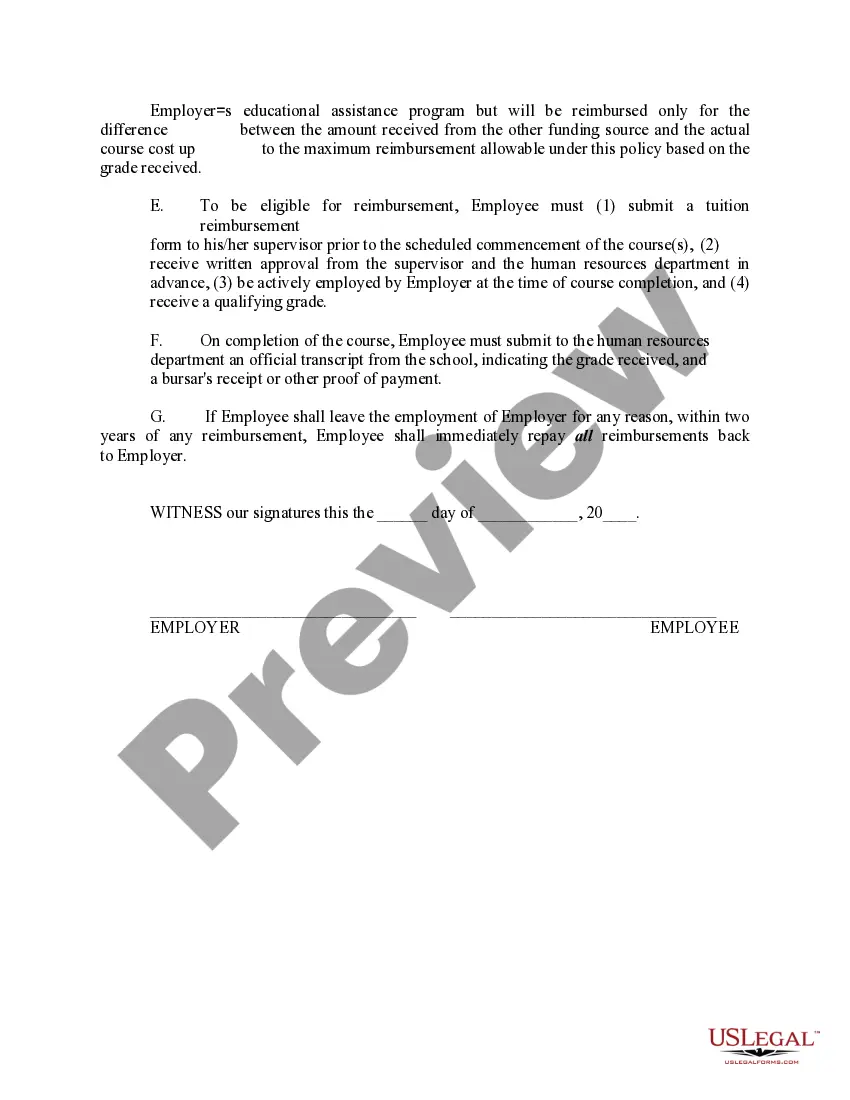
Get your form ready online
Our built-in tools help you complete, sign, share, and store your documents in one place.
Make edits, fill in missing information, and update formatting in US Legal Forms—just like you would in MS Word.
Download a copy, print it, send it by email, or mail it via USPS—whatever works best for your next step.
Sign and collect signatures with our SignNow integration. Send to multiple recipients, set reminders, and more. Go Premium to unlock E-Sign.
If this form requires notarization, complete it online through a secure video call—no need to meet a notary in person or wait for an appointment.
We protect your documents and personal data by following strict security and privacy standards.

Make edits, fill in missing information, and update formatting in US Legal Forms—just like you would in MS Word.

Download a copy, print it, send it by email, or mail it via USPS—whatever works best for your next step.

Sign and collect signatures with our SignNow integration. Send to multiple recipients, set reminders, and more. Go Premium to unlock E-Sign.

If this form requires notarization, complete it online through a secure video call—no need to meet a notary in person or wait for an appointment.

We protect your documents and personal data by following strict security and privacy standards.
Looking for another form?








Form popularity
FAQ
In order for a child to qualify for an IEP, there must be a negative educational impact on the child's performance in school. The deficits result in the need for specialized instruction/specially designed instruction.
Section 504 of the Rehabilitation Act of 1973 (Section 504), as amended, is a civil rights law that prohibits discrimination against individuals with disabilities.
When students are identified as having an educational disability and require special education services to meet their unique learning needs, they are provided an Individualized Education Program (IEP) which is overseen by local public school divisions.
There are significant differences between a 504 Plan and an Individualized Education Program (IEP). A 504 Plan is developed for students who have a disability, that do not require special education services. An IEP provides a program specialized instruction and supports to access and progress in the curriculum.
What conditions qualify for disability in Virginia? Any condition that will prevent you from working for a year or more can qualify for disability benefits. Some of the most common conditions include musculoskeletal disorders, mental disorders, nervous system diseases, and circulatory system diseases.
To qualify for an IEP, a student must have a disability that affects their ability to learn or access education and require special education services.
Other resources can include Virginia Easy Access; Voice of the Blue Ridge; Virginia Relay; American Council of the Blind; National Federation of the Blind; Make a Wish Foundation of America; The ARC; Low Vision Information Center (LVIC); Special Educational Resources (Curry School of Education, University of Virginia); ...
The steps in the special education process include: Identification and referral. Evaluation. Determination of eligibility. Development of an individualized education program (IEP) and determination of services. Reevaluation.
The Virginia Sickness and Disability Program (VSDP) provides income protection for state employees who can't work because of a non-work-related or work-related illness, injury or other condition, such as surgery, pregnancy, complications from pregnancy or a catastrophic or major chronic condition.
