Employees Whereas Assisting With Prioritizing Work Responsibilities In Illinois
Description

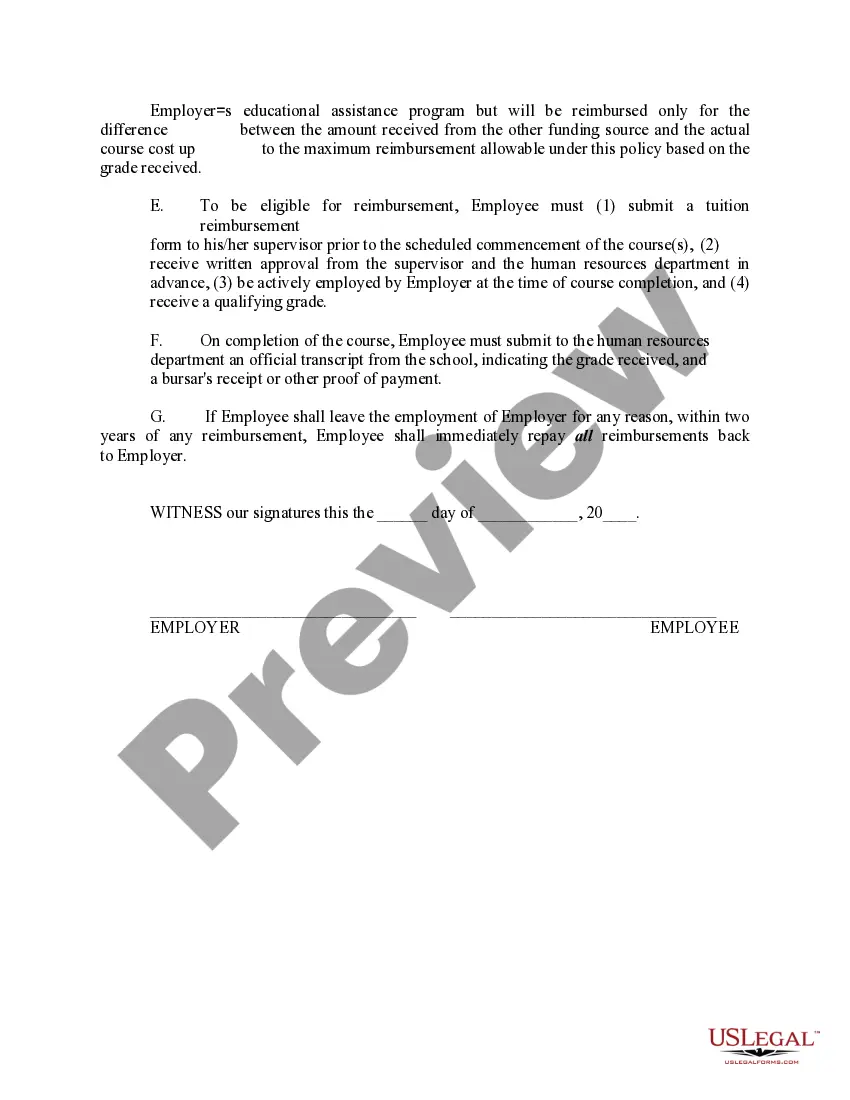
Get your form ready online
Our built-in tools help you complete, sign, share, and store your documents in one place.
Make edits, fill in missing information, and update formatting in US Legal Forms—just like you would in MS Word.
Download a copy, print it, send it by email, or mail it via USPS—whatever works best for your next step.
Sign and collect signatures with our SignNow integration. Send to multiple recipients, set reminders, and more. Go Premium to unlock E-Sign.
If this form requires notarization, complete it online through a secure video call—no need to meet a notary in person or wait for an appointment.
We protect your documents and personal data by following strict security and privacy standards.

Make edits, fill in missing information, and update formatting in US Legal Forms—just like you would in MS Word.

Download a copy, print it, send it by email, or mail it via USPS—whatever works best for your next step.

Sign and collect signatures with our SignNow integration. Send to multiple recipients, set reminders, and more. Go Premium to unlock E-Sign.

If this form requires notarization, complete it online through a secure video call—no need to meet a notary in person or wait for an appointment.

We protect your documents and personal data by following strict security and privacy standards.
Looking for another form?










Form popularity
FAQ
Section 10 of the Illinois Public Labor Relations Act (Act) defines the protected rights of public employers, labor organizations and public employees. Section 10 of the Act also defines unfair labor practices under the Act.
Article 2 of the Act applies to any person who employs one or more employees (as that term is defined under Section 2-l0l(A)(1) of the Act) within Illinois for at least 20 weeks within the calendar year of or preceding the alleged violation, and to any person employing one or more employees when the complainant alleges ...
Sec. 10. Prohibiting covenants not to compete and covenants not to solicit. (a) No employer shall enter into a covenant not to compete with any employee unless the employee's actual or expected annualized rate of earnings exceeds $75,000 per year.
It is the purpose of this Act to regulate labor relations between public employers and employees, including the designation of employee representatives, negotiation of wages, hours and other conditions of employment, and resolution of disputes arising under collective bargaining agreements.
First, the Act makes it unlawful for an employer or prospective employer to request, require, or coerce any employee or prospective employee to provide a user name and password or other related account information for the purpose of gaining access to the employee's or prospective employee's personal online accounts, ...
This Act is intended to assist employers in protecting their workforces, customers, guests, and property by limiting access to workplace venues by potentially violent individuals. (Source: P.A. 98-430, eff.
Hours and days of rest in every consecutive seven-day period. (a) Every employer shall allow every employee except those specified in this Section at least twenty-four consecutive hours of rest in every consecutive seven-day period in addition to the regular period of rest allowed at the close of each working day.
How do I prioritize tasks? To prioritize tasks effectively, begin by listing all your tasks, then rate each one based on its significance and deadline. You can also try the ABCDE method, where you categorize each task with a letter indicating its priority: "A" for tasks that are critical and must be done.
How can you help employees prioritize their tasks and manage their time effectively? Assess their workload and expectations. Be the first to add your personal experience. Teach them how to prioritize. Help them plan and schedule. Encourage them to track and review. Here's what else to consider.
7 steps for prioritizing your workload Write down all of your tasks. Determine which tasks are truly important. Stick to a schedule that reflects your priority tasks. Tackle your most intense, high-effort tasks first. Focus on one task at a time (hint: try not to multitask)
