Commission Agreement General Form Statement For Graduate School In New York
Description
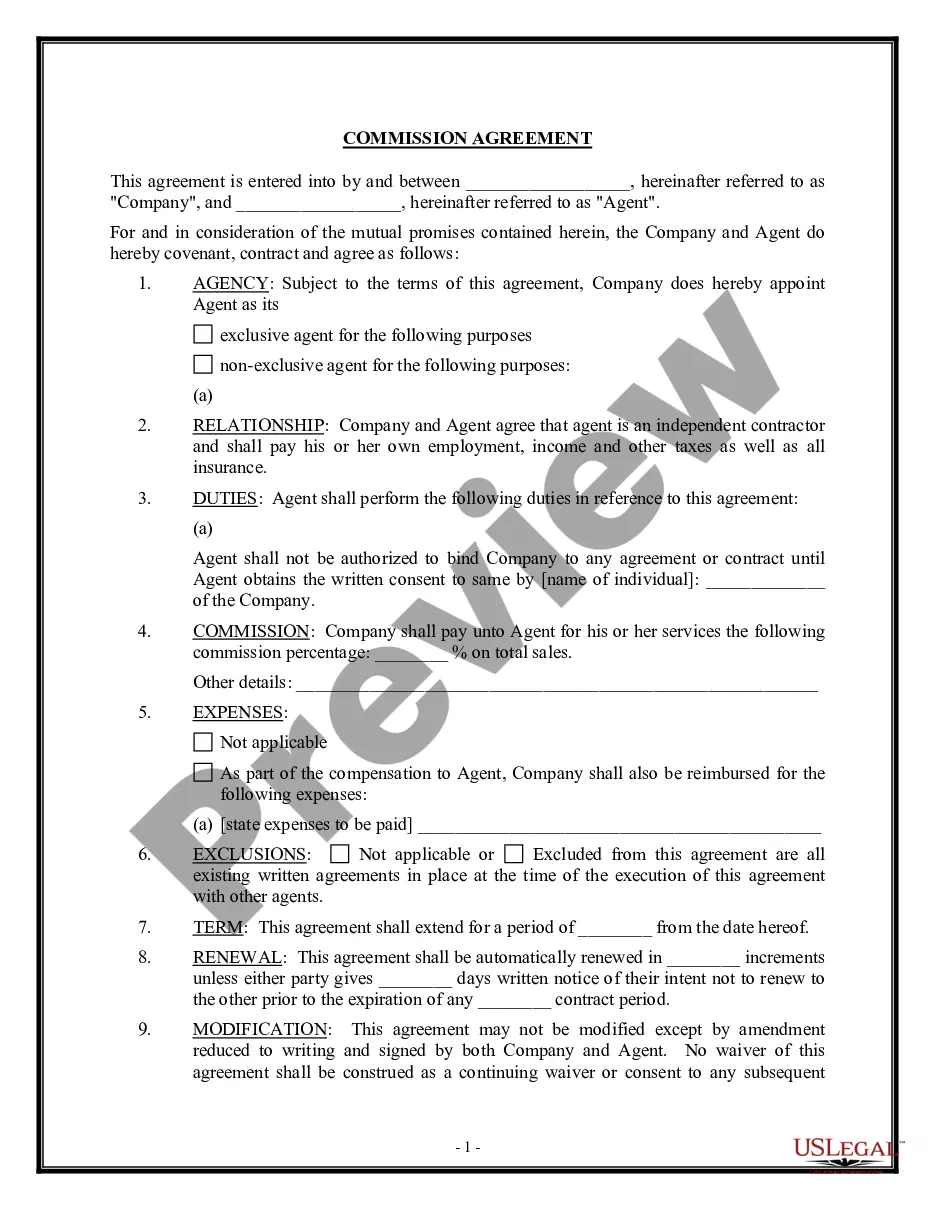
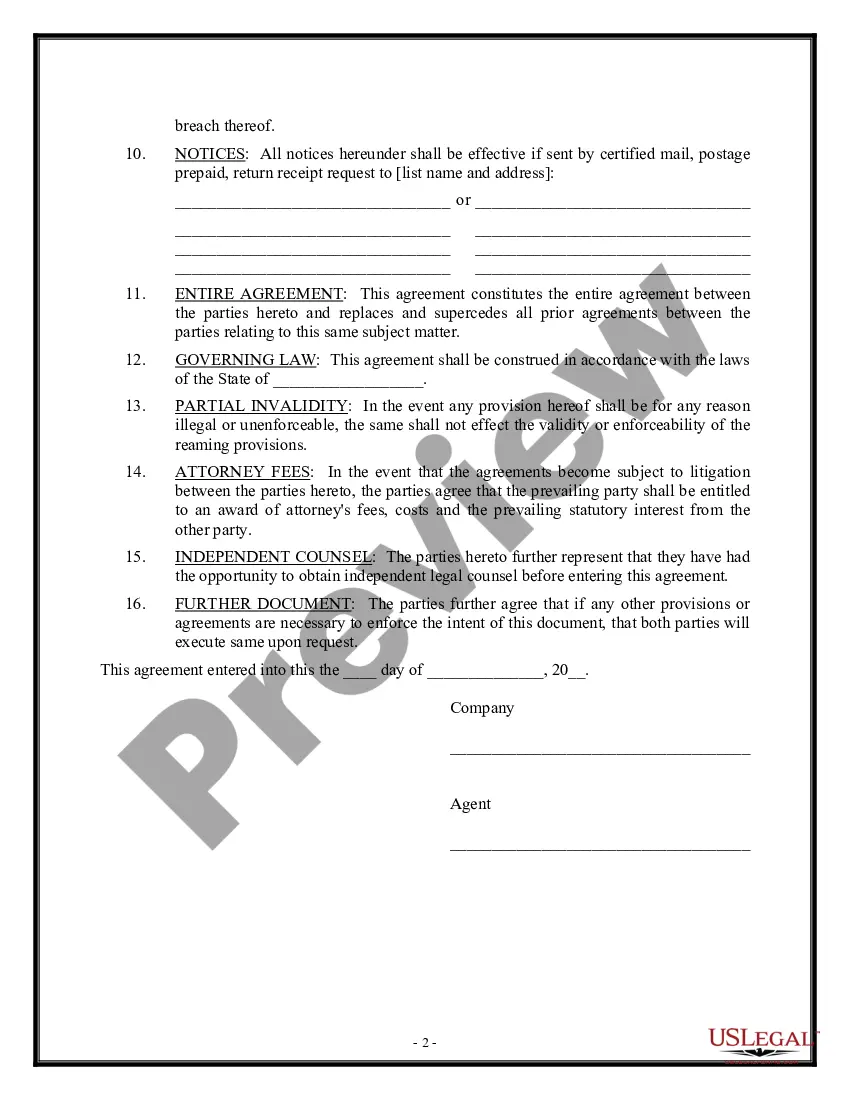
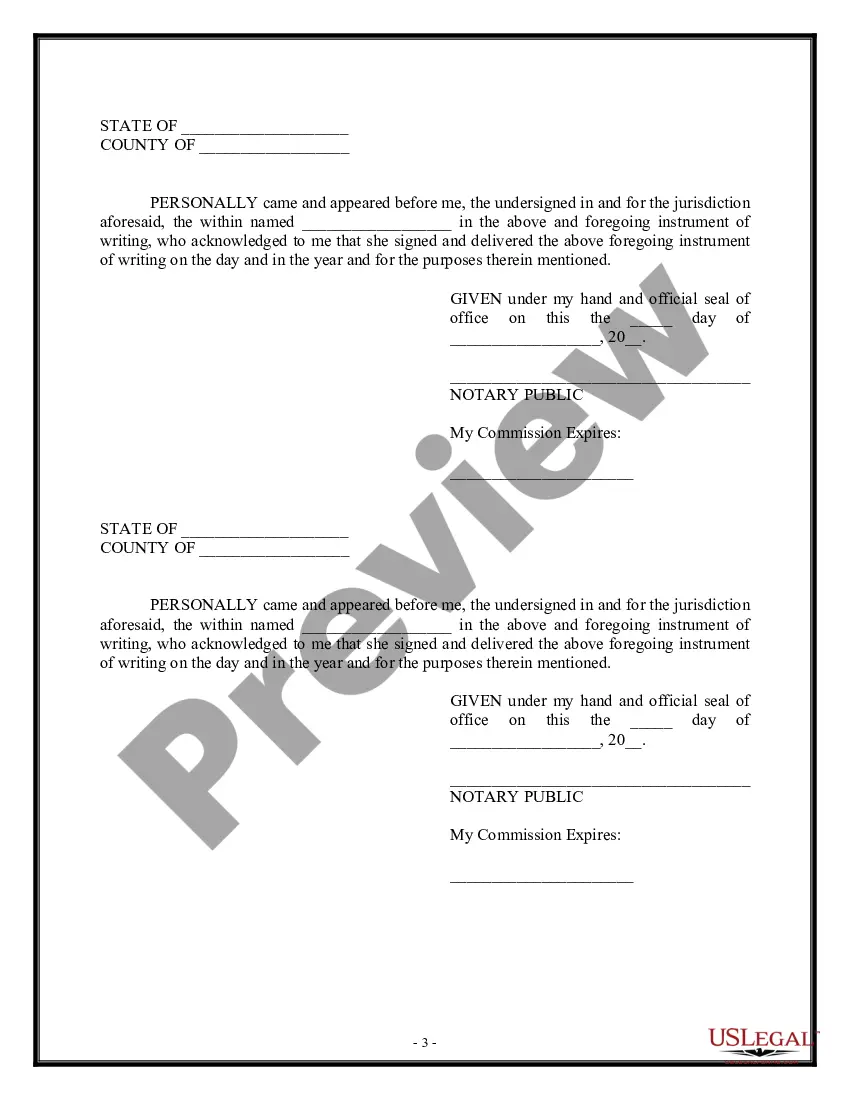
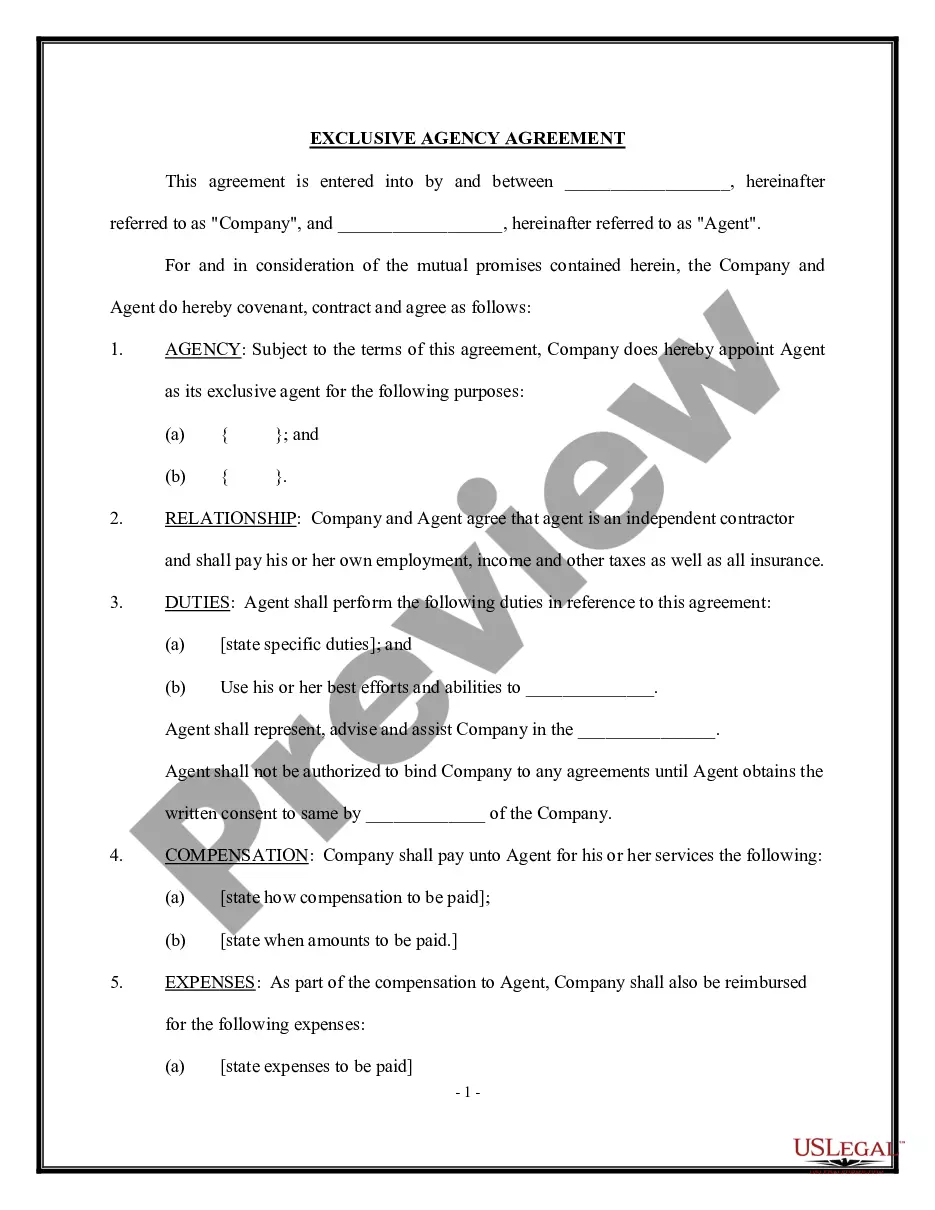
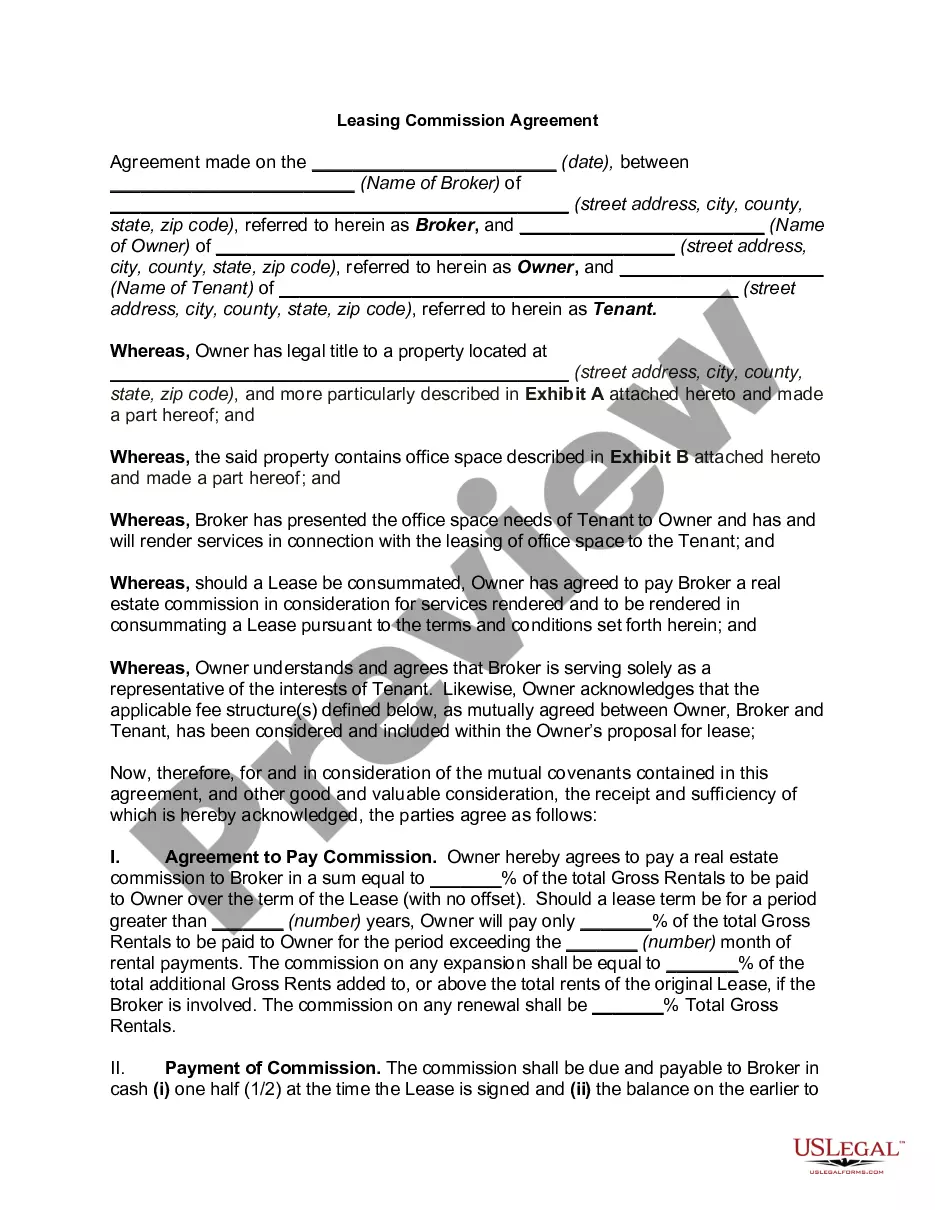
Get your form ready online
Our built-in tools help you complete, sign, share, and store your documents in one place.
Make edits, fill in missing information, and update formatting in US Legal Forms—just like you would in MS Word.
Download a copy, print it, send it by email, or mail it via USPS—whatever works best for your next step.
Sign and collect signatures with our SignNow integration. Send to multiple recipients, set reminders, and more. Go Premium to unlock E-Sign.
If this form requires notarization, complete it online through a secure video call—no need to meet a notary in person or wait for an appointment.
We protect your documents and personal data by following strict security and privacy standards.

Make edits, fill in missing information, and update formatting in US Legal Forms—just like you would in MS Word.

Download a copy, print it, send it by email, or mail it via USPS—whatever works best for your next step.

Sign and collect signatures with our SignNow integration. Send to multiple recipients, set reminders, and more. Go Premium to unlock E-Sign.

If this form requires notarization, complete it online through a secure video call—no need to meet a notary in person or wait for an appointment.

We protect your documents and personal data by following strict security and privacy standards.
Looking for another form?





Form popularity
FAQ
The Learning Agreement sets out the programme of the studies or the traineeship to be followed abroad. It must be approved by the student, the sending and the receiving institution, organisation or enterprise before the start of the exchange.
What is a learning agreement? What topics are in or out of the learning objectives How deadlines will be set and a broad plan of work Expectation setting around students identifying additional learning objectives Ideas for how the learner will benchmark their progress and/or learning
How do you design a learning contract template for experiential... Step 1: Identify your learning objectives. Step 2: Choose your learning activities. Step 3: Set your evaluation criteria. Step 4: Establish your learning resources. Step 5: Schedule your learning time. Step 6: Review and revise your learning contract.
To write a simple contract, title it clearly, identify all parties and specify terms (services or payments). Include an offer, acceptance, consideration, and intent. Add a signature and date for enforceability. Written contracts reduce disputes and offer better legal security than verbal ones.
A learning contract, also called a goals contract, can help you set transparent expectations for your students. Learning contracts specify behaviors and habits for success and can promote student reflection on how they learn. They are shared at the beginning of the semester to clarify expectations for the course.
How to write a contract agreement in 7 steps. Determine the type of contract required. Confirm the necessary parties. Choose someone to draft the contract. Write the contract with the proper formatting. Review the written contract with a lawyer. Send the contract agreement for review or revisions.
For a contract to be valid and recognized by the common law, it must include certain elements-- offer, acceptance, consideration, intention to create legal relations, authority and capacity, and certainty. Without these elements, a contract is not legally binding and may not be enforced by the courts.
How to set up (structuring) an agreement Identification of (key) subject matters. Identifying and grouping the transaction or the main elements of the contract which need to be addressed. Splitting up. Use of definitions. Classification. Prioritisation and logical ordering.
How to write an agreement letter Title your document. Provide your personal information and the date. Include the recipient's information. Address the recipient and write your introductory paragraph. Write a detailed body. Conclude your letter with a paragraph, closing remarks, and a signature. Sign your letter.
