Completion Report Of Building Construction In Ohio
Description
Get your form ready online
Our built-in tools help you complete, sign, share, and store your documents in one place.
Make edits, fill in missing information, and update formatting in US Legal Forms—just like you would in MS Word.
Download a copy, print it, send it by email, or mail it via USPS—whatever works best for your next step.
Sign and collect signatures with our SignNow integration. Send to multiple recipients, set reminders, and more. Go Premium to unlock E-Sign.
If this form requires notarization, complete it online through a secure video call—no need to meet a notary in person or wait for an appointment.
We protect your documents and personal data by following strict security and privacy standards.

Make edits, fill in missing information, and update formatting in US Legal Forms—just like you would in MS Word.

Download a copy, print it, send it by email, or mail it via USPS—whatever works best for your next step.

Sign and collect signatures with our SignNow integration. Send to multiple recipients, set reminders, and more. Go Premium to unlock E-Sign.

If this form requires notarization, complete it online through a secure video call—no need to meet a notary in person or wait for an appointment.

We protect your documents and personal data by following strict security and privacy standards.
Looking for another form?
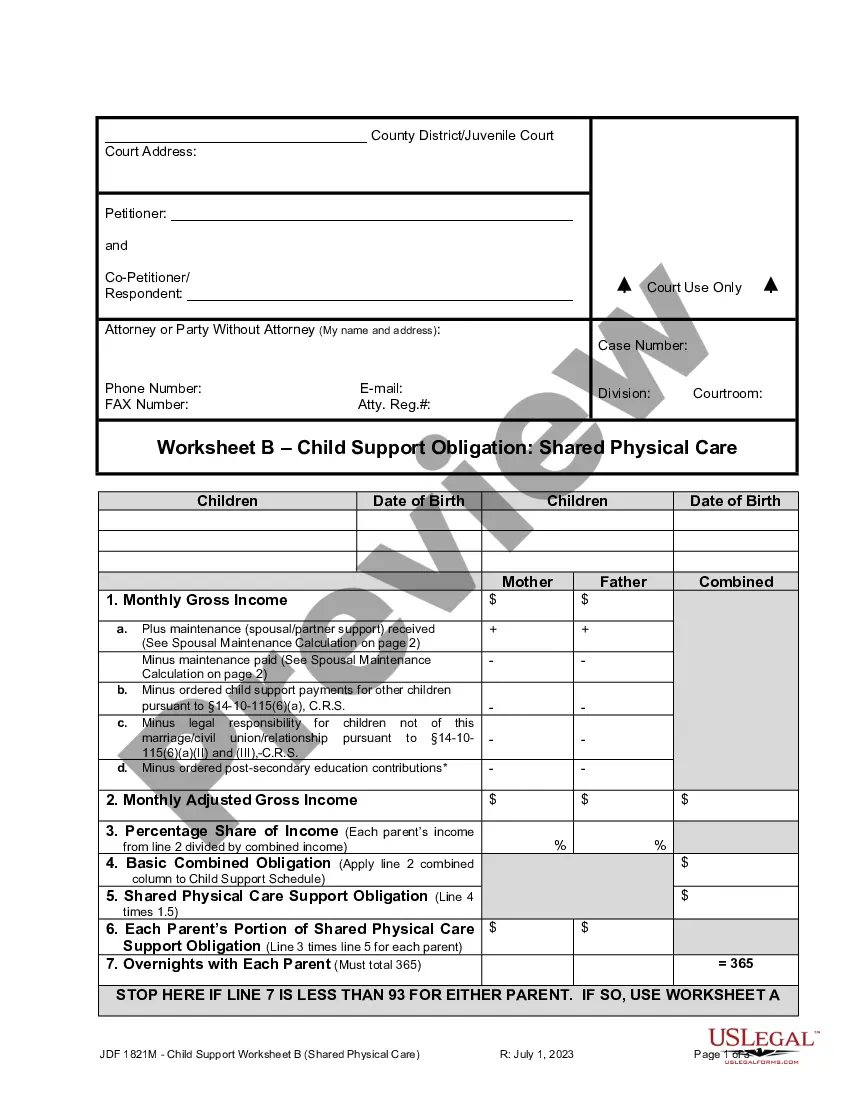



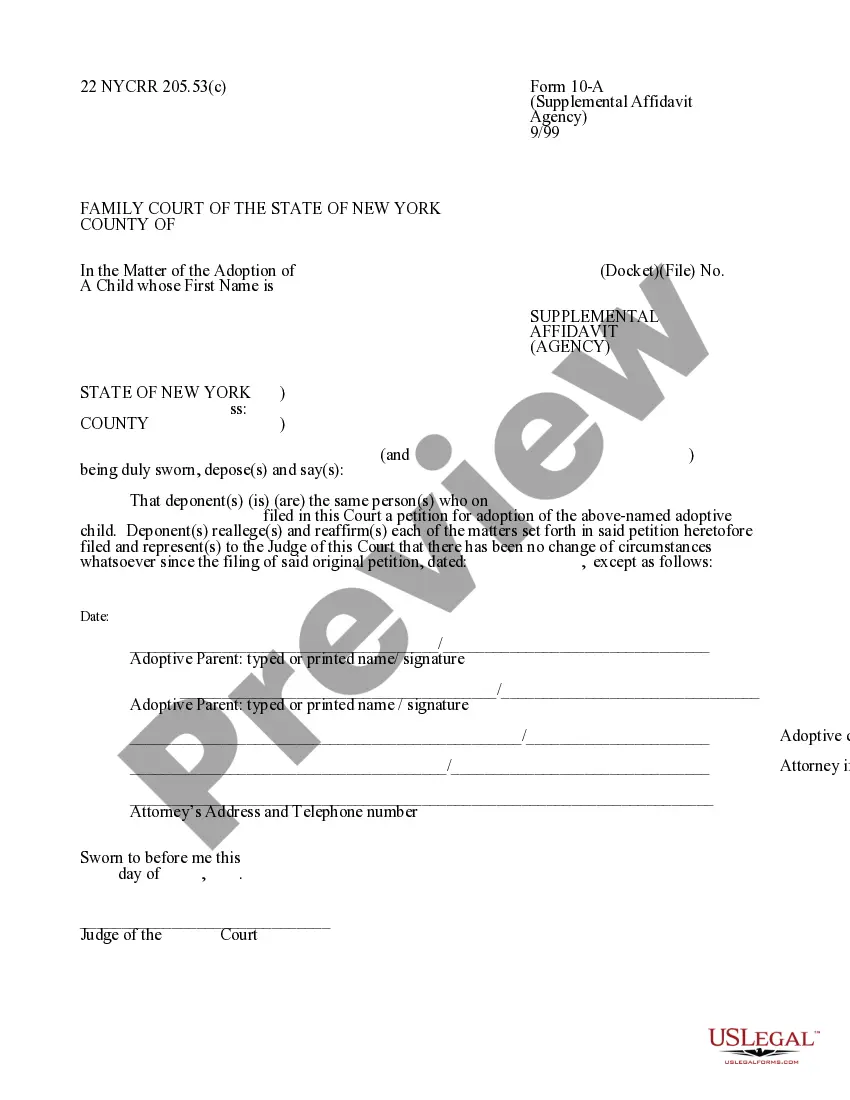





Form popularity
FAQ
The Ohio Board of Building Standards certifies county, township and municipal building departments to enforce the State codes. State inspectors exist for Industrial Units and plumbing, electrical and structural systems on projects not covered by certified local building departments.
The Building Department is responsible for issuing building permits for 1-, 2- and 3-family residential structures and associated development. The State of Ohio issues commercial building permits.
Construction documents submitted for approval are reviewed in the order they're received. Note: Ohio law requires that we review your permit application within 30 days from when we receive it.
Section 111.1 Ohio Building Code states that no building or structure, in whole or in part, shall be used or occupied until the building official has issued an approval in the form of a certificate of occupancy. The certificate of occupancy shall indicate the conditions under which the building shall be used.
The construction of any new addition, alteration and accessory structure to a commercial or mixed-use building requires a building permit. Additional permits, identified below, may also be required based on the scope of the project.
Today, many industry-standard construction contracts contain a “correction period,” which is a period of time (typically one year) following final project completion during which an owner may require the contractor to return to the job site and correct defective work at the contractor's expense.
These reports capture the daily activities on the construction site, including: Work Performed: A summary of the tasks completed each day. Labor and Equipment Usage: Details of the workforce and machinery utilized. Weather Conditions: Impact of weather on the day's activities.
The Project Completion Report (PCR) is a tool for accountability and learning. The accountability purpose addresses the need for the Bank to ensure that the project resources were used for the purposes for which the project was granted, with due attention to effectiveness and efficiency.
It provides written documentation of the planned and actual budget, the baseline and actual schedule, and documents recommendations for other projects of similar size and scope. Be certain to identify in the report the project successes, problems on the project, and new ideas that were successful on the project.
Completion of Construction means the time when all components of the project are installed and fully functional or when the infrastructure is used for its intended purpose, whichever occurs first.

