Speaker Engagement Speaking With Clients In Travis
Description
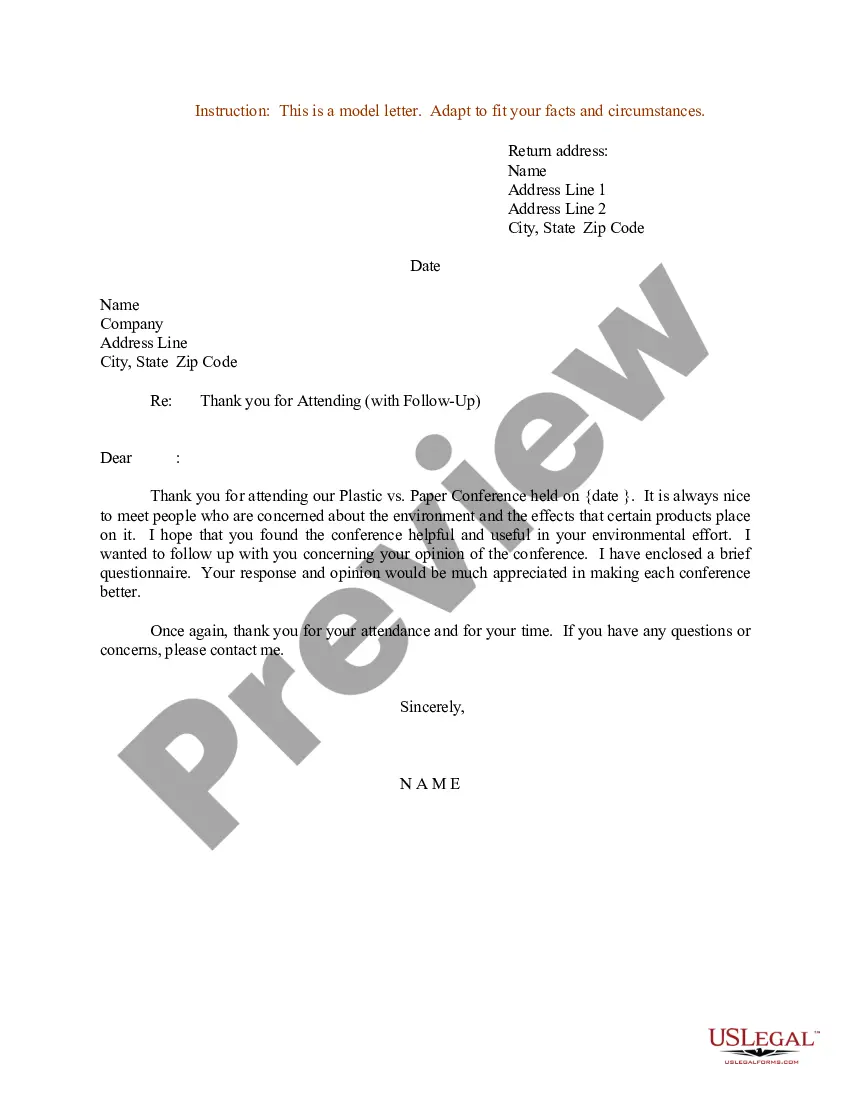
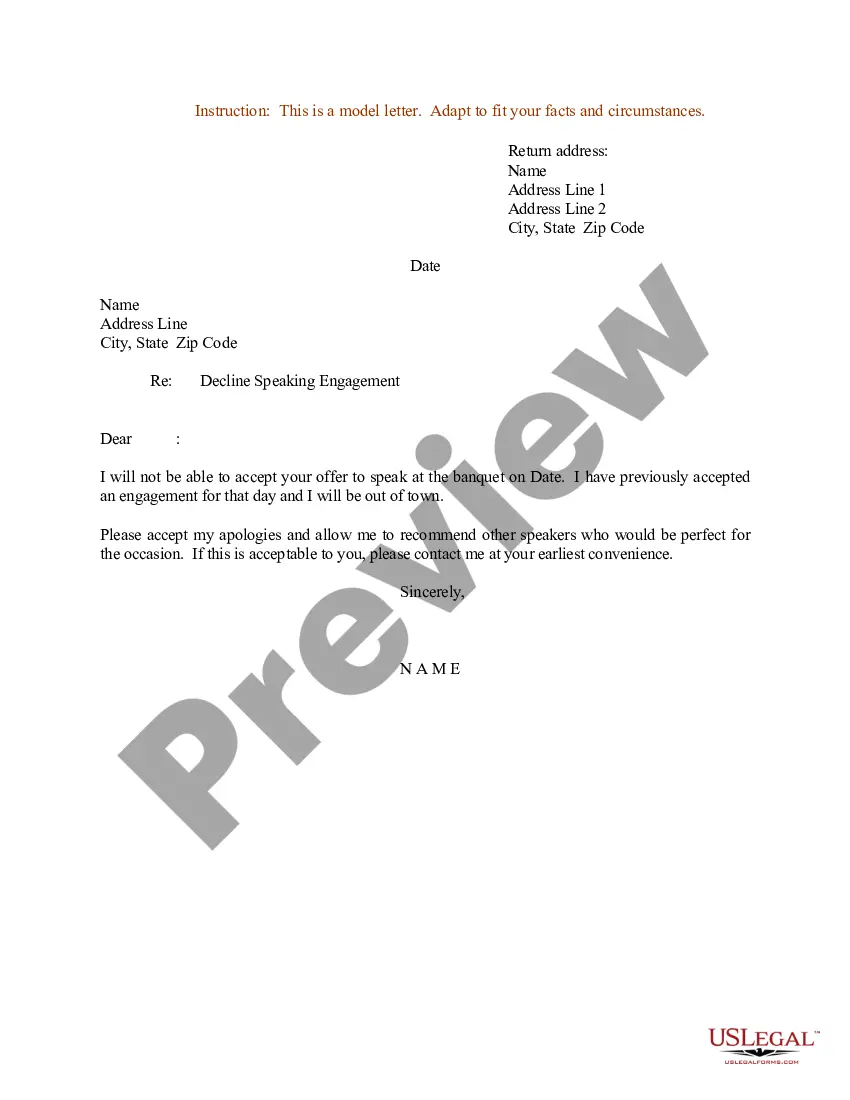
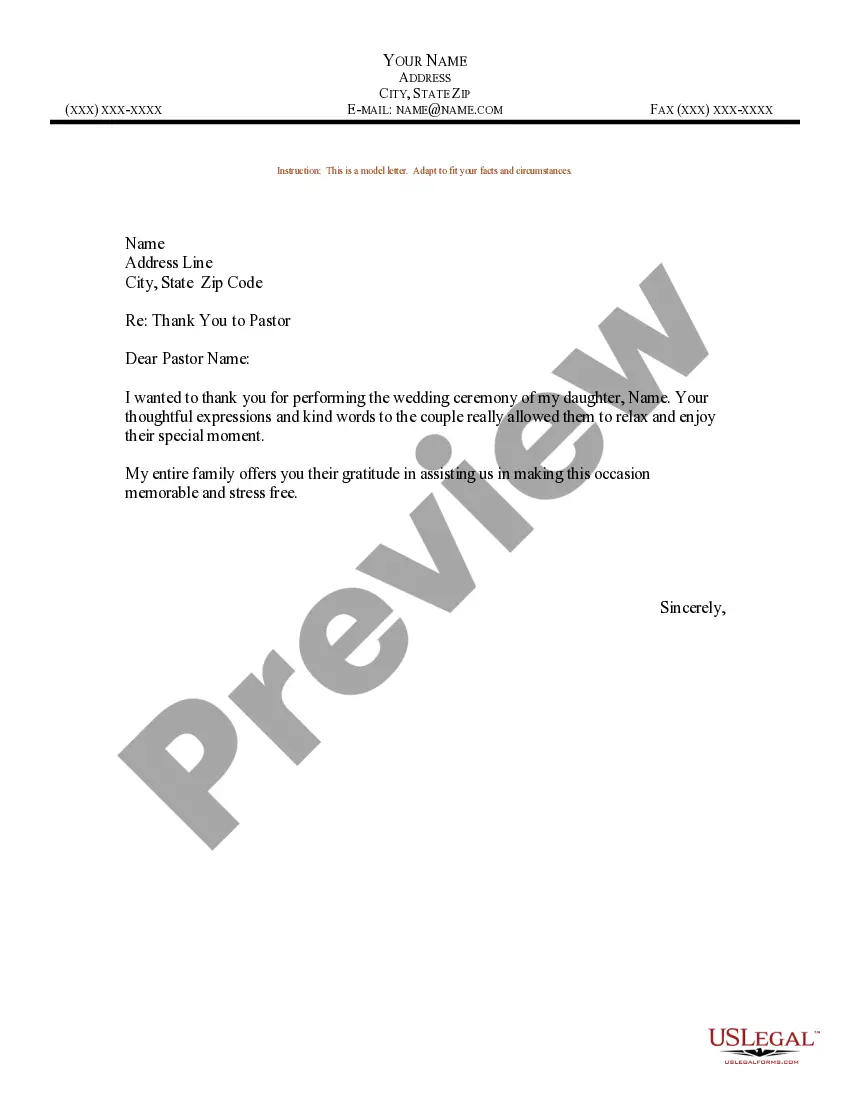
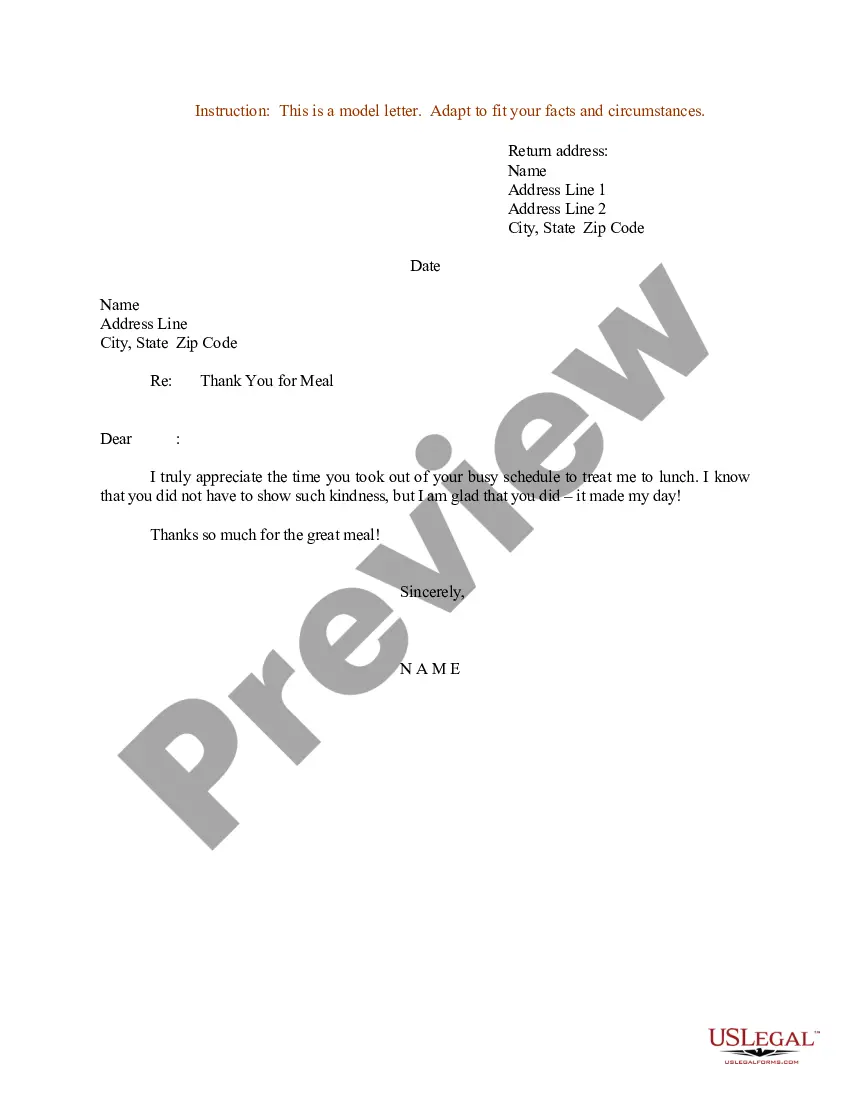
Get your form ready online
Our built-in tools help you complete, sign, share, and store your documents in one place.
Make edits, fill in missing information, and update formatting in US Legal Forms—just like you would in MS Word.
Download a copy, print it, send it by email, or mail it via USPS—whatever works best for your next step.
Sign and collect signatures with our SignNow integration. Send to multiple recipients, set reminders, and more. Go Premium to unlock E-Sign.
If this form requires notarization, complete it online through a secure video call—no need to meet a notary in person or wait for an appointment.
We protect your documents and personal data by following strict security and privacy standards.

Make edits, fill in missing information, and update formatting in US Legal Forms—just like you would in MS Word.

Download a copy, print it, send it by email, or mail it via USPS—whatever works best for your next step.

Sign and collect signatures with our SignNow integration. Send to multiple recipients, set reminders, and more. Go Premium to unlock E-Sign.

If this form requires notarization, complete it online through a secure video call—no need to meet a notary in person or wait for an appointment.

We protect your documents and personal data by following strict security and privacy standards.
Looking for another form?








Form popularity
FAQ
1 Know your audience. Before you send out any pitch, you need to do some research on your target audience. 2 Craft your hook. The first impression is crucial when it comes to pitching yourself for speaking opportunities. 3 Showcase your value. 4 Provide evidence. 5 Include a call to action. 6 Here's what else to consider.
Start with a greeting: Begin your introduction with a warm and friendly greeting such as ``Hello,'' ``Hi,'' or ``Good (morning/afternoon/evening).'' Use your full name: State your name clearly, focusing on enunciating each syllable. You could say, ``My name is (Your Name).''
How to get speaking engagements Get clear on why you want to speak. Listen to a lot of talks from speakers that you admire. Come up with 3-5 talk ideas. Prepare an outline for each talk idea. Build your event list. Slide into event organizers' DMs. Email your pitch. Turn your outline into a speaker proposal.
Reach Out to Contacts: Inform colleagues, friends, and professional contacts that you are available for speaking engagements. Ask for Referrals: Encourage your network to recommend you to event organizers. Create a Compelling Pitch: Outline your speaking topics, what attendees will learn, and your unique perspective.
Use platforms like LinkedIn, Eventbrite, or specialized speaker bureaus to promote your services. Consider offering webinars or online courses to reach a wider audience. Seek feedback after each speaking engagement to refine your skills. Stay updated on industry trends and audience preferences.
How can you effectively pitch yourself for speaking opportunities... Know your audience. Craft your hook. Showcase your value. Provide evidence. Include a call to action. Here's what else to consider.
Create your pitch in five steps Spend some time thinking about and writing down your top work and school experiences using the STAR Method (Situation, Task, Action and Result). Shorten each story to a sentence or two focusing on your actions and the results of those actions. Analyze the common themes:
15 Tricks Of The Trade For Booking Speaking Gigs Search On LinkedIn. Describe How You Fit The Conference. Create A Portfolio. Look Outside Your Industry. Connect Before You Convert. Practice Online And Offline. Deliver Engaging Experiences. Start Small And Keep Going.

