Speaker Engagement Speaking With Silence
Description
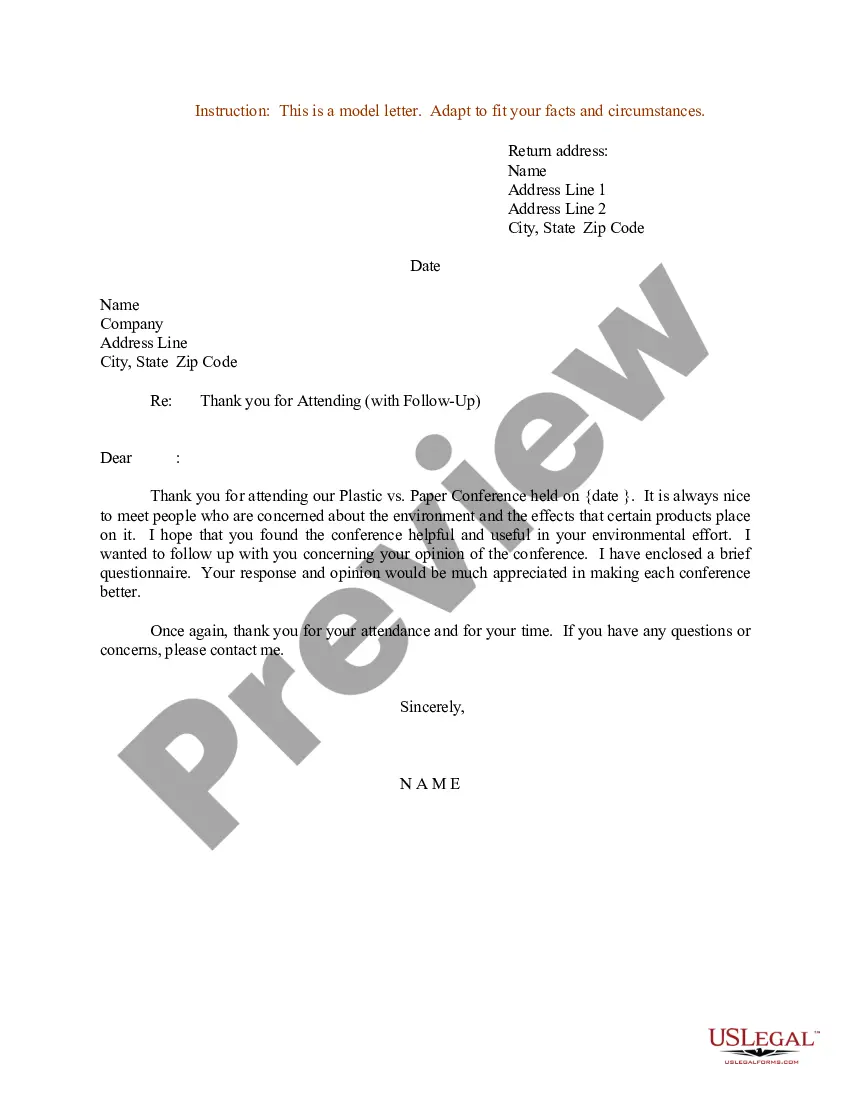
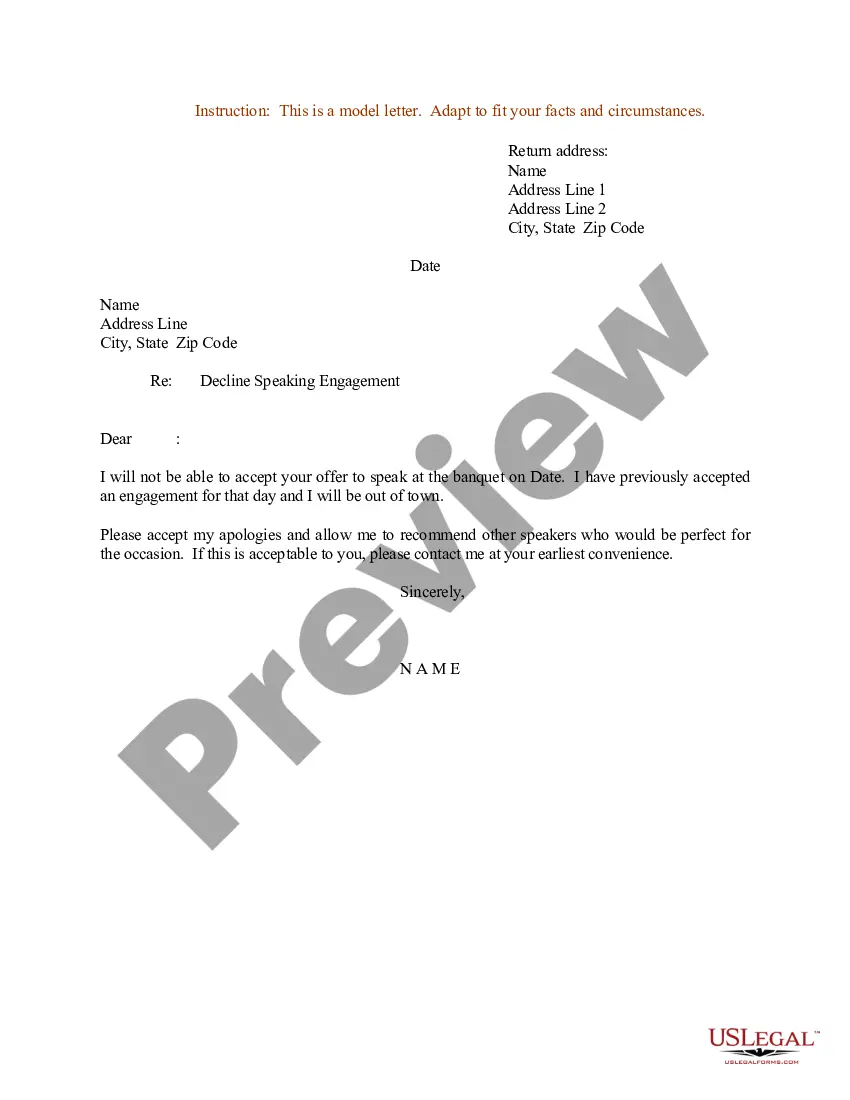
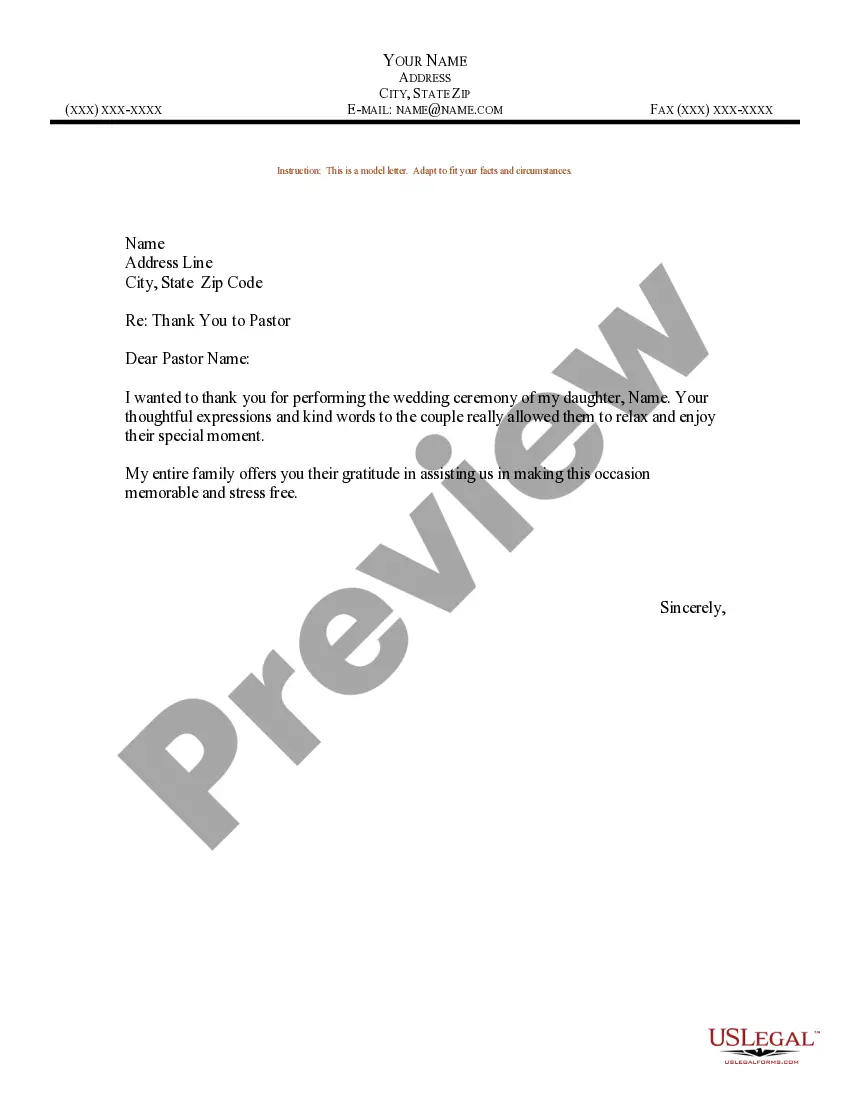
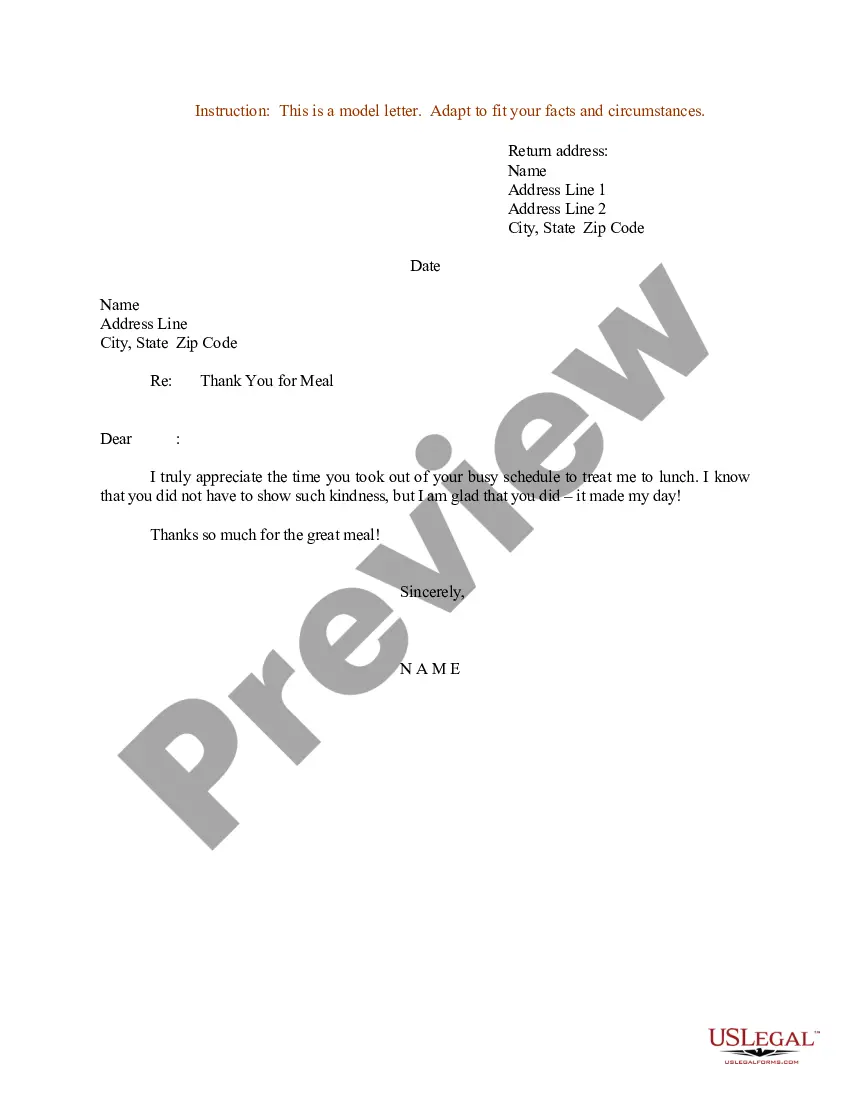
Get your form ready online
Our built-in tools help you complete, sign, share, and store your documents in one place.
Make edits, fill in missing information, and update formatting in US Legal Forms—just like you would in MS Word.
Download a copy, print it, send it by email, or mail it via USPS—whatever works best for your next step.
Sign and collect signatures with our SignNow integration. Send to multiple recipients, set reminders, and more. Go Premium to unlock E-Sign.
If this form requires notarization, complete it online through a secure video call—no need to meet a notary in person or wait for an appointment.
We protect your documents and personal data by following strict security and privacy standards.

Make edits, fill in missing information, and update formatting in US Legal Forms—just like you would in MS Word.

Download a copy, print it, send it by email, or mail it via USPS—whatever works best for your next step.

Sign and collect signatures with our SignNow integration. Send to multiple recipients, set reminders, and more. Go Premium to unlock E-Sign.

If this form requires notarization, complete it online through a secure video call—no need to meet a notary in person or wait for an appointment.

We protect your documents and personal data by following strict security and privacy standards.
Looking for another form?







How to fill out Sample Letter For Speaking Engagement?
Regardless of whether it's for professional reasons or personal matters, everyone must confront legal issues eventually in their lifetime.
Completing legal documents requires meticulous care, beginning with selecting the correct template. For example, if you choose an incorrect version of a Speaker Engagement Speaking With Silence, it will be denied upon submission.
With an extensive US Legal Forms catalog available, you will never need to waste time searching for the correct template online. Utilize the library's simple navigation to find the right form for any circumstance.
- Locate the template you require by using the search bar or browsing the catalog.
- Review the form's description to ensure it is suitable for your situation, state, and county.
- Click on the form's preview to view it.
- If it is the wrong document, return to the search feature to find the Speaker Engagement Speaking With Silence template you need.
- Obtain the file once it meets your specifications.
- If you possess a US Legal Forms account, simply click Log in to access previously stored files in My documents.
- If you do not have an account yet, you can acquire the form by clicking Buy now.
- Choose the appropriate pricing option.
- Fill out the profile registration form.
- Select your payment method: you can use a credit card or PayPal account.
- Choose the file format you prefer and download the Speaker Engagement Speaking With Silence.
- Once it is downloaded, you can fill out the form using editing software or print it and complete it by hand.
Form popularity
FAQ
The fastest way to get an audience to quiet down and focus on the speaker is simply to look at them, while standing very still. Use that moment (make it a 3-second count) to take stock of your audience, take a deep breath, and think of your first line. It's also a great antidote to nerves at the beginning of a speech.
How to write a good speech Identify your objectives and target audience. ... Know your audience. ... Choose a clear message. ... Structure your speech. ... Use engaging content for clarity. ... Maintain clarity and simplicity. ... Practice and rehearse. ... Consider nonverbal communication.
In addition, silence is often used as a synonym to pause and/or to prosodic phrase break. However, we define silence not necessarily as the entire pause but as a phase within a perceived pause, more concretely a phase that does not contain any phonetic particles or events, such as breathing, clicking, etc.
Point out something important about the audience or the current setting. Show a compelling visual image. Ask a provocative question. State a fact that is troubling, amusing, or remarkable.
A moment of silence can make your audience pay attention, anticipate, and remember your key points. And it reinforces your transitions, summaries, and calls to action. To use silence and pauses for emphasis, vary your tone, volume, and pitch. Also avoid filler words such as um, ah, or like.
