Letter Requesting Speaking Opportunity Within The Same Company In Santa Clara
Description
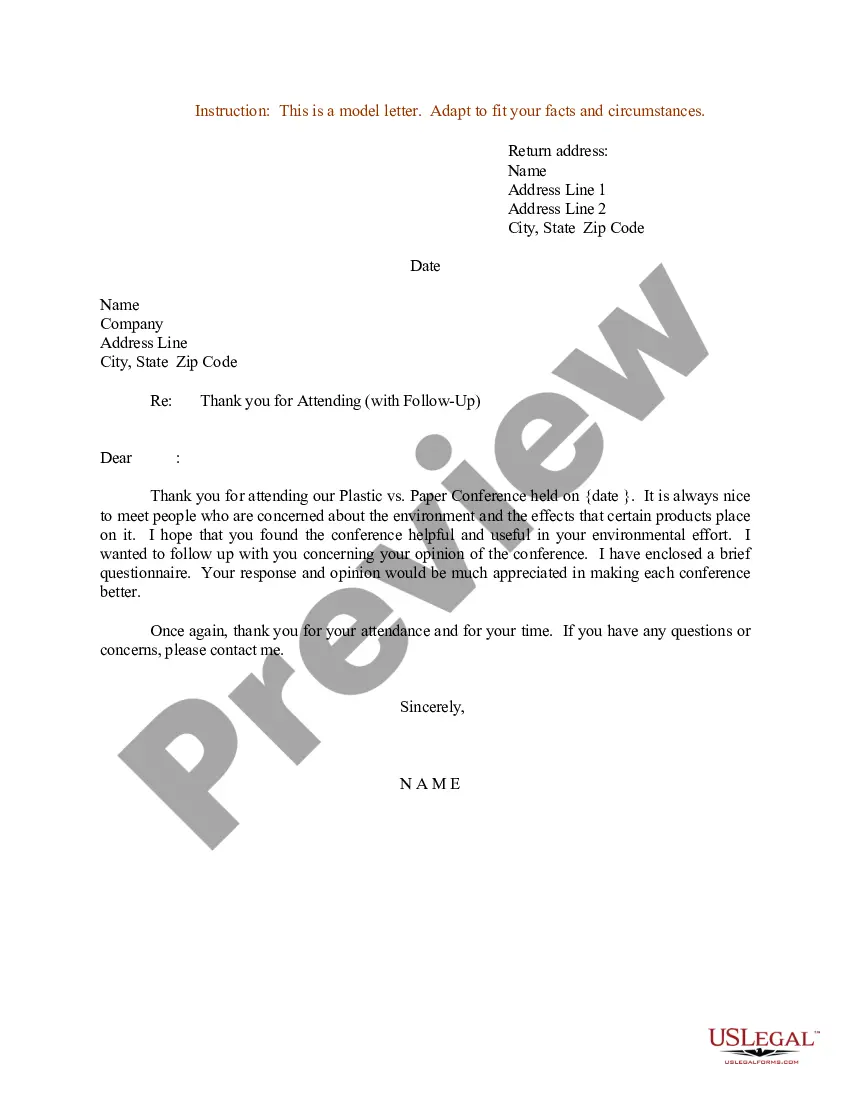
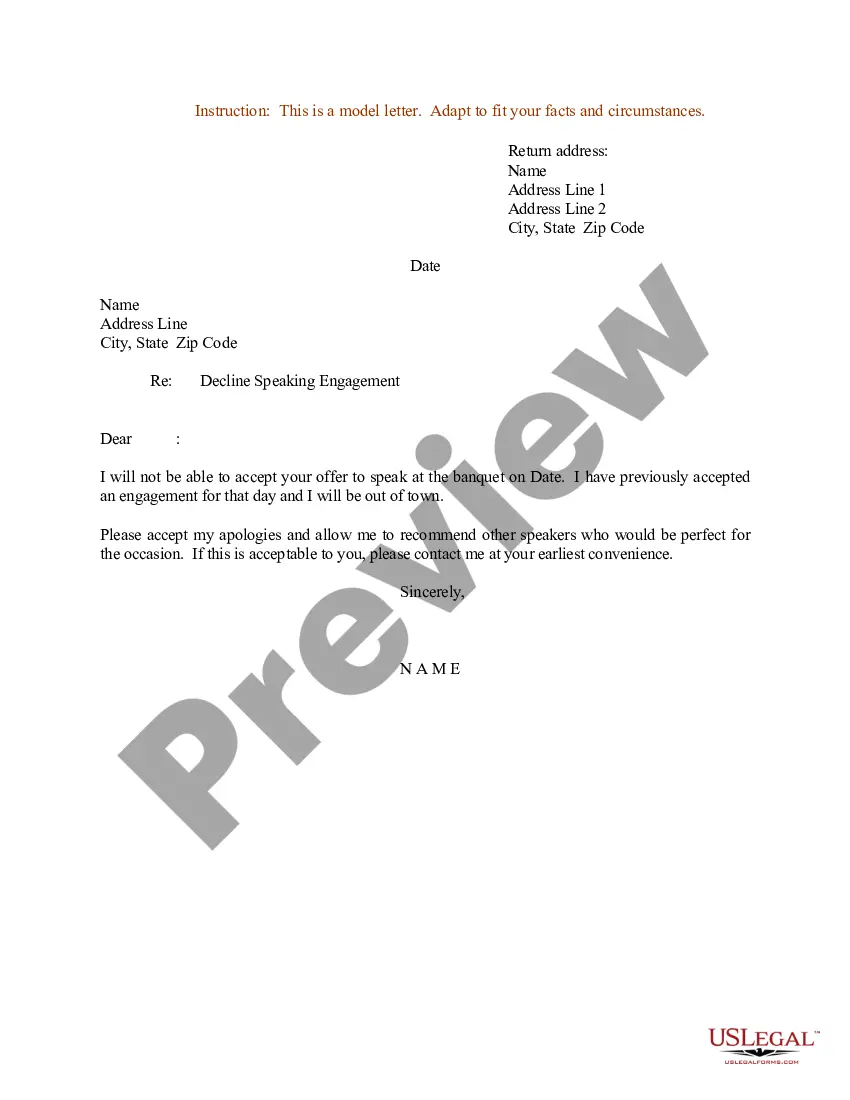
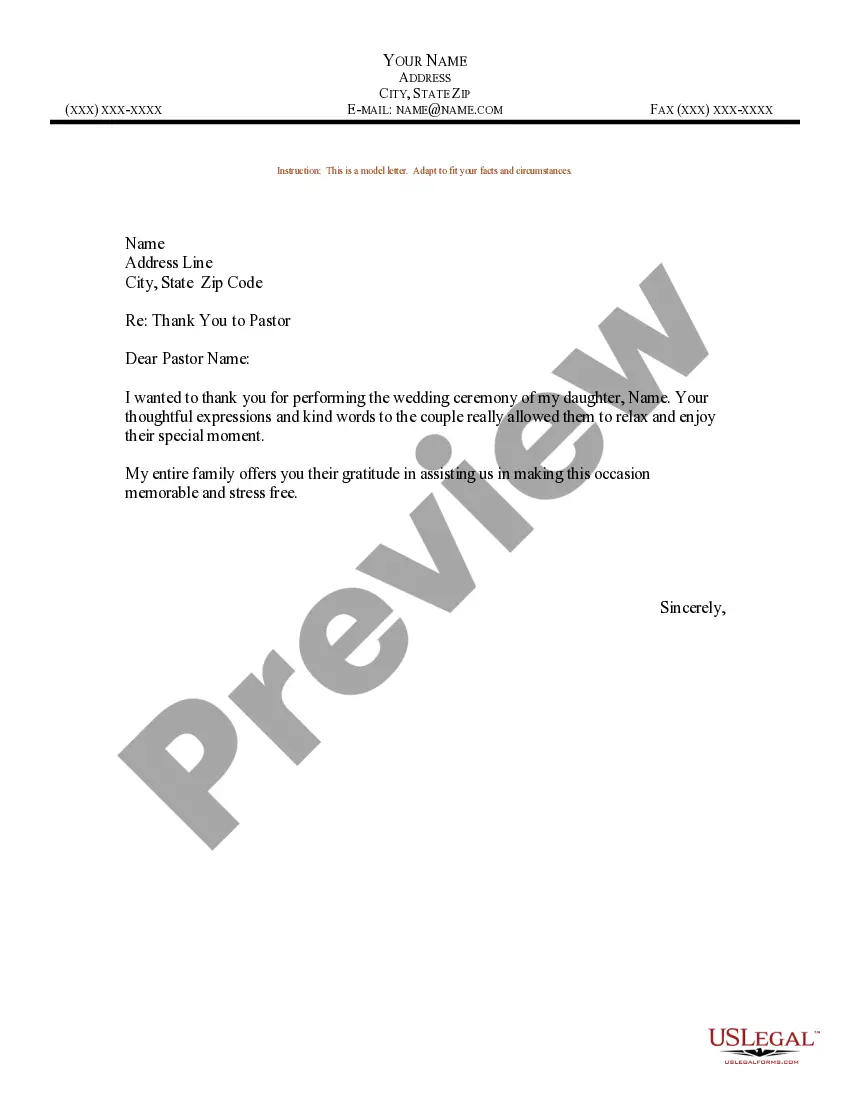
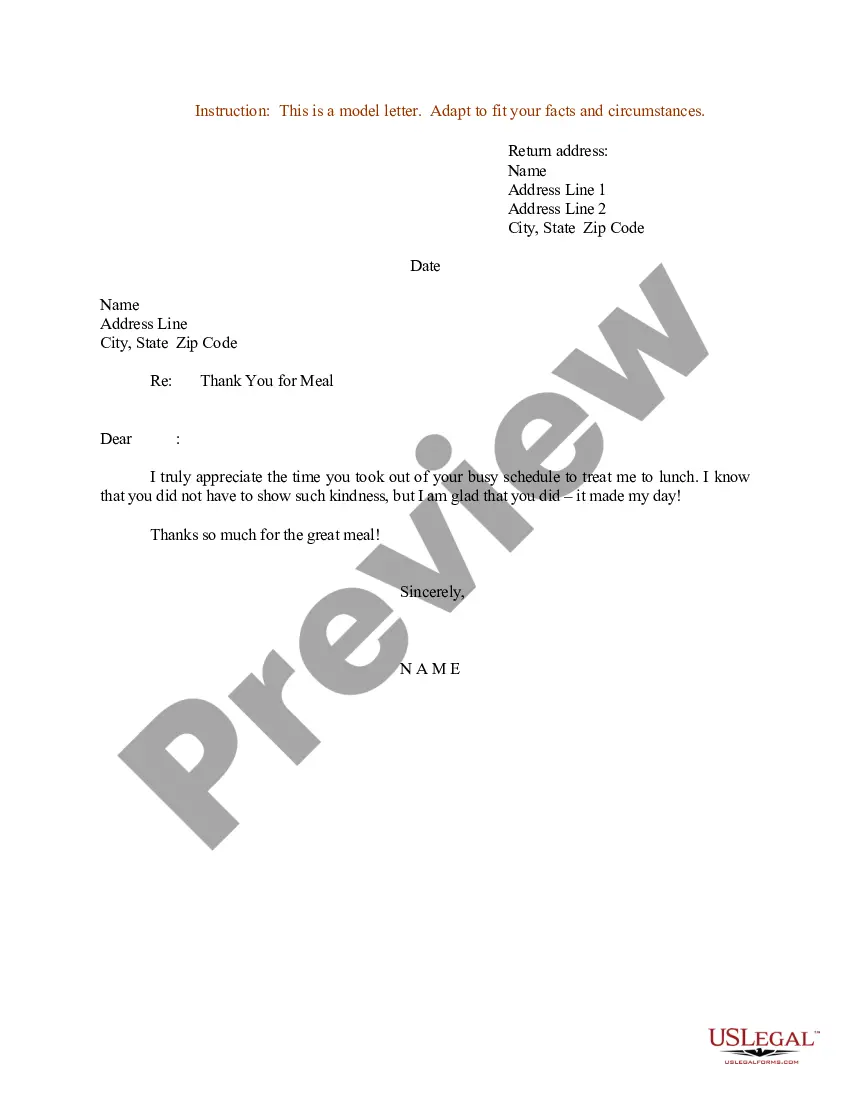
Get your form ready online
Our built-in tools help you complete, sign, share, and store your documents in one place.
Make edits, fill in missing information, and update formatting in US Legal Forms—just like you would in MS Word.
Download a copy, print it, send it by email, or mail it via USPS—whatever works best for your next step.
Sign and collect signatures with our SignNow integration. Send to multiple recipients, set reminders, and more. Go Premium to unlock E-Sign.
If this form requires notarization, complete it online through a secure video call—no need to meet a notary in person or wait for an appointment.
We protect your documents and personal data by following strict security and privacy standards.

Make edits, fill in missing information, and update formatting in US Legal Forms—just like you would in MS Word.

Download a copy, print it, send it by email, or mail it via USPS—whatever works best for your next step.

Sign and collect signatures with our SignNow integration. Send to multiple recipients, set reminders, and more. Go Premium to unlock E-Sign.

If this form requires notarization, complete it online through a secure video call—no need to meet a notary in person or wait for an appointment.

We protect your documents and personal data by following strict security and privacy standards.
Looking for another form?








Form popularity
FAQ
Follow this structure to make an impressive cover letter for an internal position: Start with a strong opening. Highlight your accomplishments. Showcase your knowledge of the company. Align your skills with the new role. Express your commitment to growth.
Best format for a letter of interest Header: Include your contact information and the recipient's details. Introduction: Start with a clear and engaging opening. Body paragraphs: Detail your skills, achievements, and interest in the company. Conclusion: End with a strong call to action and a thank-you.
Tell him/her you're very interested in the new role and feel like your skill set would be better put to use there, or however you want to spin it. Generally speaking most companies don't really let people flip flop around to different roles just because someone wants a change of pace.
How to write an expression of interest letter for an internal job... Outline the reason for your letter. Explain why you're the right candidate. Be clear, concise and persuasive. Conclude in a positive way. Proofread your letter.
How to write a cover letter for an internal position Explain your goals. For an internal cover letter, you usually don't need to start with a formal introduction. Align your experience with the role. Share your achievements. Highlight your company knowledge. Provide a reference. Express gratitude.
How to get speaking engagements Get clear on why you want to speak. Listen to a lot of talks from speakers that you admire. Come up with 3-5 talk ideas. Prepare an outline for each talk idea. Build your event list. Slide into event organizers' DMs. Email your pitch. Turn your outline into a speaker proposal.
Describe your key tasks and responsibilities, mentioning the positive results of your actions. Apply your law work experience to demonstrate your passion and part-time or voluntary work to show your transferable skills such as teamwork and communication.
Include the name of the institution, subjects, dates and your grades. Detail any professional legal qualification you have such as the Legal Practice Course (LPC) or the Solicitors Qualifying Examination (SQE). Don't forget to mention the areas of law that you studied and state your dissertation title if relevant.
Writing a Killer Cover Letter Make a good impression beginning with the opening. Make it unique to the job. Make sure to write clearly. Include relevant experience. Be careful not to just repeat what's on your resume. Offer specific examples of what you've done. Finish strong.
Writing a CV Keep it short – about two pages. Explain any gaps, such as time spent on a career break. Put the most important information first. Tailor your CV to the role you're applying for. Make sure it highlights the key skills employers are looking for. Give examples as evidence to back up your skills.

