Letter Speaking Engagement Format In Queens
Description
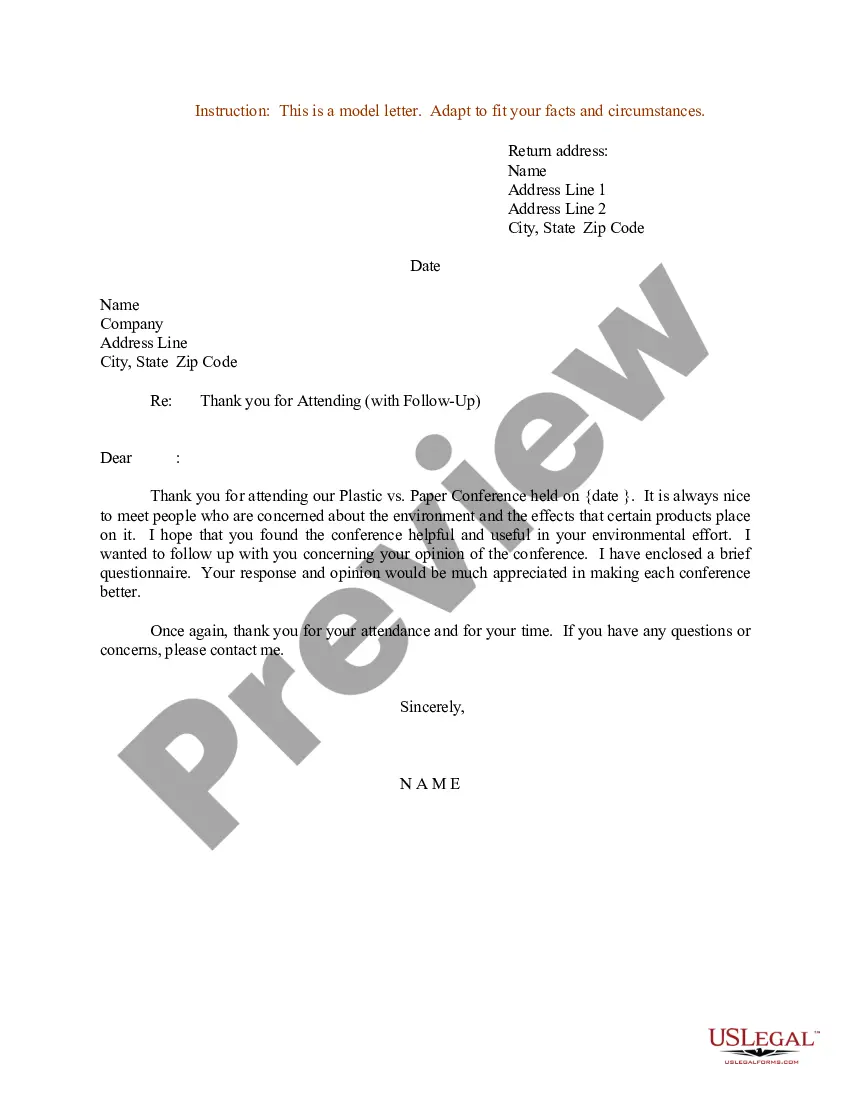
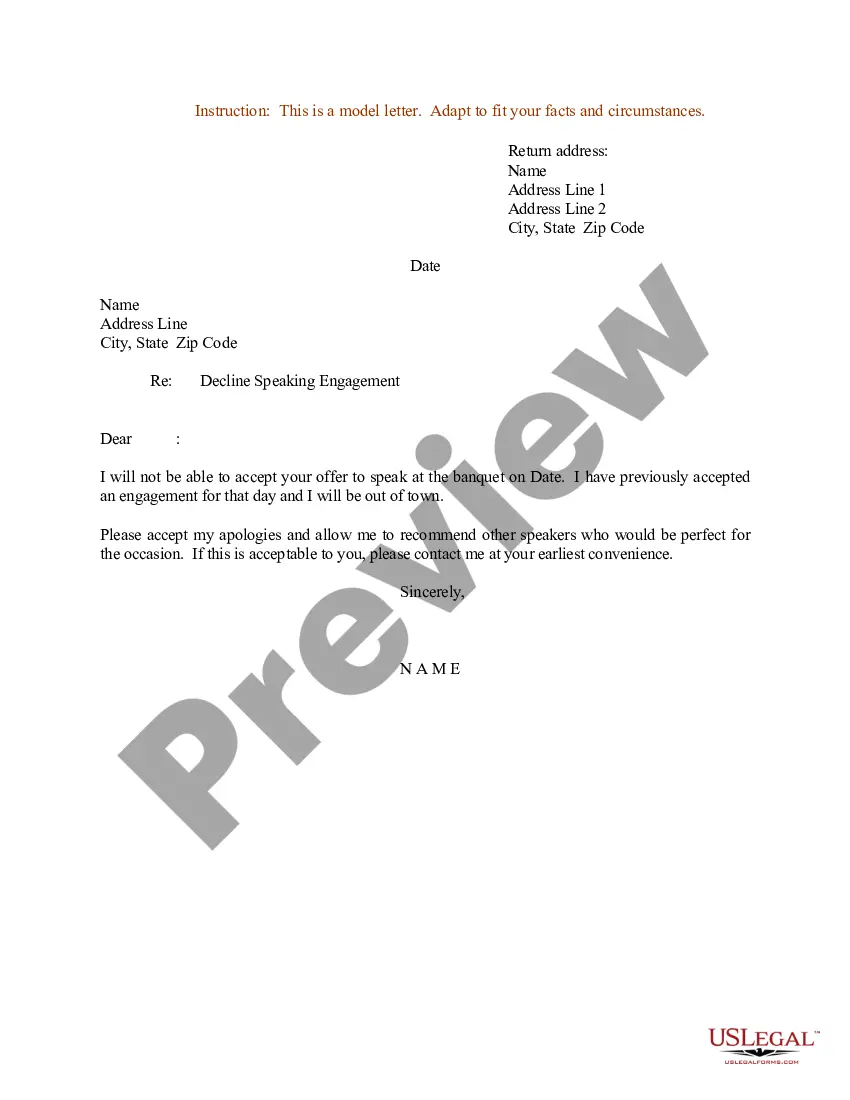
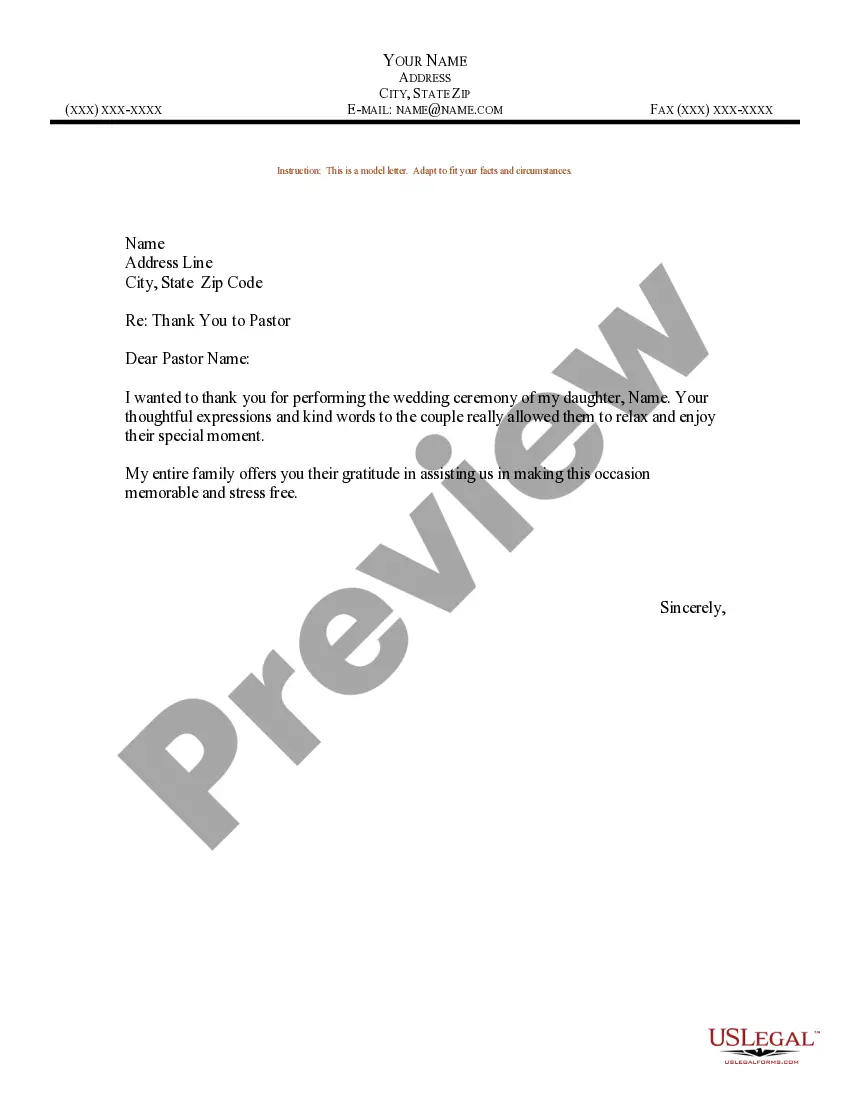
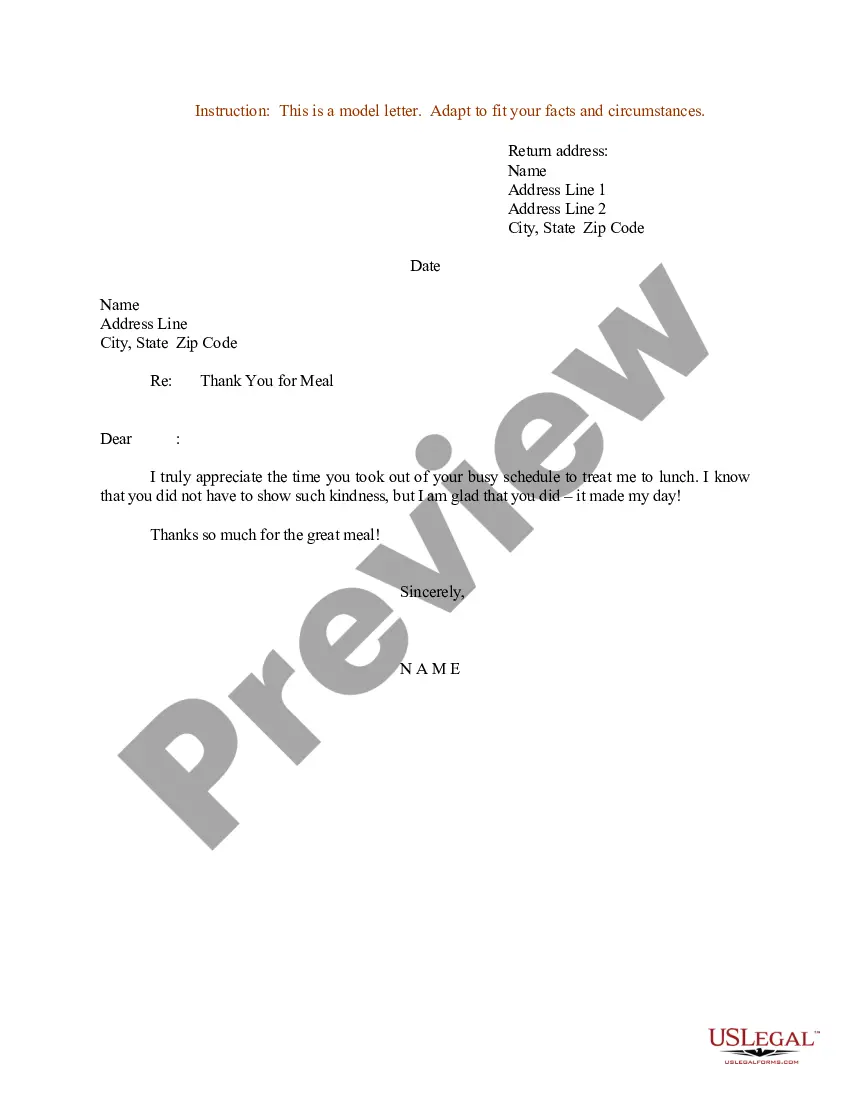
Get your form ready online
Our built-in tools help you complete, sign, share, and store your documents in one place.
Make edits, fill in missing information, and update formatting in US Legal Forms—just like you would in MS Word.
Download a copy, print it, send it by email, or mail it via USPS—whatever works best for your next step.
Sign and collect signatures with our SignNow integration. Send to multiple recipients, set reminders, and more. Go Premium to unlock E-Sign.
If this form requires notarization, complete it online through a secure video call—no need to meet a notary in person or wait for an appointment.
We protect your documents and personal data by following strict security and privacy standards.

Make edits, fill in missing information, and update formatting in US Legal Forms—just like you would in MS Word.

Download a copy, print it, send it by email, or mail it via USPS—whatever works best for your next step.

Sign and collect signatures with our SignNow integration. Send to multiple recipients, set reminders, and more. Go Premium to unlock E-Sign.

If this form requires notarization, complete it online through a secure video call—no need to meet a notary in person or wait for an appointment.

We protect your documents and personal data by following strict security and privacy standards.
Looking for another form?








Form popularity
FAQ
Cover Letter Tips to Help Wow a Hiring Manager Don't rehash your resume. Keep your cover letter brief. Tailor your cover letter to each job. Show off your past accomplishments. Address the hiring manager personally. Use keywords from the job description. Quantify your impact with numbers and examples.
Introduce yourself and explain how you found the advertised job. You can mention the job title, and reference number if there is one. If you're asking about any job openings and not applying to a vacancy, tell them what sort of job you're looking for. Let the employer see how keen you are to work for them.
Notably, sending your cover letter as a PDF has some widely accepted pros over using the Word document format: PDFs are thought to look more professional. PDFs won't present font or formatting issues.
What is the format of a cover letter? Header – Your name, contact information, date, and recipient's details. Greeting – Address the hiring manager by name if possible. Introduction – State the position you're applying for and why you're interested. Body – Highlight relevant skills, experiences, and achievements.
Cover Letter for Job Application I am mailing you as I am interested in the Job Title position at Company Name, as advertised on Where You Found the Job Posting. With X years of experience in Your Field or Industry, I am confident that I will be an asset to your team and organization.
If you're wondering how to format your cover letter, we recommend using either Microsoft Word or a PDF. These are the best file formats for sending your CV and cover letter by email. Not only have they got a consistent format that is simple to follow, but they are also easily accessible.
Here's a breakdown of how a cover letter should be structured: Add your name and contact information to the header. Open with a salutation. Write a compelling introduction. Elaborate on your achievements in the body paragraph(s) ... Conclude with a call to action. End with a professional sign-off.
'Re:' in a cover letter is an abbreviation of the word 'regarding' in a subject line that lets the employer know the purpose of your letter (e.g., what job you're applying for).
Dear Name, I hope this email finds you well. I'm writing to invite you to a workshop on Workshop Name, which will be held on Date at Time at Location. The workshop will be led by Speaker's Name, who is a leading expert in the field of Topic.

