Letter Engagement Statement For Job Application In Philadelphia
Description
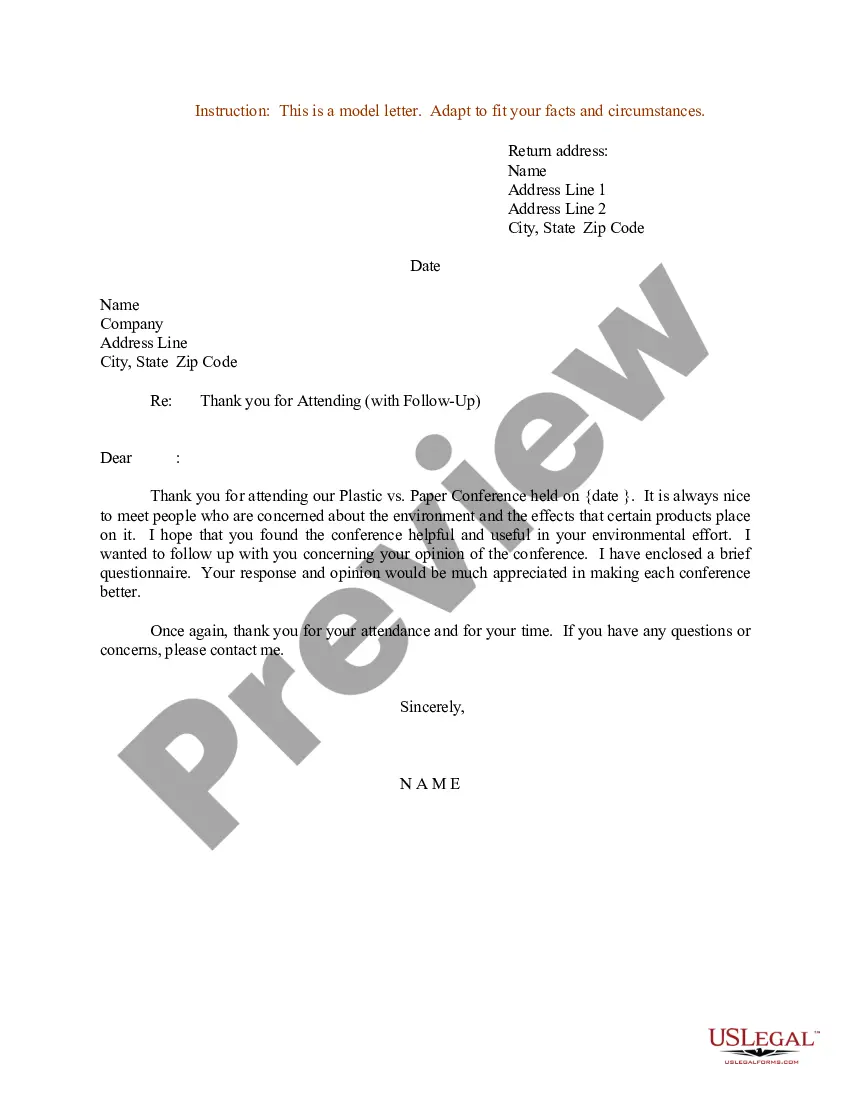
Get your form ready online
Our built-in tools help you complete, sign, share, and store your documents in one place.
Make edits, fill in missing information, and update formatting in US Legal Forms—just like you would in MS Word.
Download a copy, print it, send it by email, or mail it via USPS—whatever works best for your next step.
Sign and collect signatures with our SignNow integration. Send to multiple recipients, set reminders, and more. Go Premium to unlock E-Sign.
If this form requires notarization, complete it online through a secure video call—no need to meet a notary in person or wait for an appointment.
We protect your documents and personal data by following strict security and privacy standards.

Make edits, fill in missing information, and update formatting in US Legal Forms—just like you would in MS Word.

Download a copy, print it, send it by email, or mail it via USPS—whatever works best for your next step.

Sign and collect signatures with our SignNow integration. Send to multiple recipients, set reminders, and more. Go Premium to unlock E-Sign.

If this form requires notarization, complete it online through a secure video call—no need to meet a notary in person or wait for an appointment.

We protect your documents and personal data by following strict security and privacy standards.
Looking for another form?









Form popularity
FAQ
Paragraph one: introduce yourself and explain what's motivated you to apply for this role. Explain why you want to work for the employer and why you want that specific role. Paragraph two/three: explain why you are suited to the role. Highlight your strengths, skills and experiences that are relevant.
Here are some examples to help you craft an engaging introduction that highlights your genuine interest in the position and the company. Assert your interest in the role or company. Emphasize your skills and experience. Demonstrate your research. Highlight measurable accomplishments. Tell your professional story.
Keep your supporting statement brief Include your most relevant traits that fulfil the requirements in your first sentence, with an example of a related achievement in the second sentence. In your last sentence, describe how you plan to contribute to similar success for the organisation to which you're applying.
How to write a cover letter for a placement Step 1: Dear Sir / Madam? The first three words of your cover letter are crucial. Step 2: Swift intro. Next, you need to disclose what placement you're applying for. Step 3: Why are you interested? ... Step 4: What can YOU bring? ... Step 5: Final flourish. Step 6: Farewell.
Here are some steps to follow when writing a cover letter for academia: Read the job posting thoroughly. Format the page. Organize your ideas. Review your teaching experience. Discuss your research and academic goals. Proofread the document. Reference any other requested materials included in your application.
A cover letter should be roughly one side of A4 and broken up into short paragraphs so it's easy to read. Just like your CV, stick to a sensible font type, size, and colour. Ideally, you should submit it as a PDF version with a clear filename, so it always looks the same regardless of the device it's opened on.
Your cover letter will have the most impact if it is targeted to match each particular organization or position being sought. The letter should emphasize ways you can fulfill the organization's needs. Be direct about your interest in the organization and what you can offer; say it clearly and concisely.
Example: I was excited to find an opening in human resources with Company Y because your work with XYZ (be specific) has been important to me for a long time. I am the perfect candidate for this position because it combines my experience with human resources and XYZ.
Clearly articulate your relevant skills and experience. Highlight the qualifications, accomplishments, and qualities that make you an ideal candidate for the role. Provide specific examples that demonstrate how you meet the job requirements. Explain your motivations and fit for the position.
Within one to two paragraphs, share your qualifications and why you're writing. Include important details such as who referred you and how you found out about the job. Briefly lay out your most relevant qualifications to the role and be sure to customize this to each job application you send.

