Example Of An Application Letter With Two Addresses In Pennsylvania
Description
Get your form ready online
Our built-in tools help you complete, sign, share, and store your documents in one place.
Make edits, fill in missing information, and update formatting in US Legal Forms—just like you would in MS Word.
Download a copy, print it, send it by email, or mail it via USPS—whatever works best for your next step.
Sign and collect signatures with our SignNow integration. Send to multiple recipients, set reminders, and more. Go Premium to unlock E-Sign.
If this form requires notarization, complete it online through a secure video call—no need to meet a notary in person or wait for an appointment.
We protect your documents and personal data by following strict security and privacy standards.

Make edits, fill in missing information, and update formatting in US Legal Forms—just like you would in MS Word.

Download a copy, print it, send it by email, or mail it via USPS—whatever works best for your next step.

Sign and collect signatures with our SignNow integration. Send to multiple recipients, set reminders, and more. Go Premium to unlock E-Sign.

If this form requires notarization, complete it online through a secure video call—no need to meet a notary in person or wait for an appointment.

We protect your documents and personal data by following strict security and privacy standards.
Looking for another form?





Form popularity
FAQ
Salutation—Begin your letter with “Dear” followed by the reader's title and last name, ending with a colon, not a comma. Four Paragraphs Minimum—Your letter should have at least an introductory paragraph, an education paragraph, an employment paragraph, and a concluding paragraph.
Write your address on the top right hand side of the letter and the address of the recipient thus the person you are writing the letter to on the left side mostly starting from below your address. You should provide a contact for your prospective employer to contact you for further information when the need be.
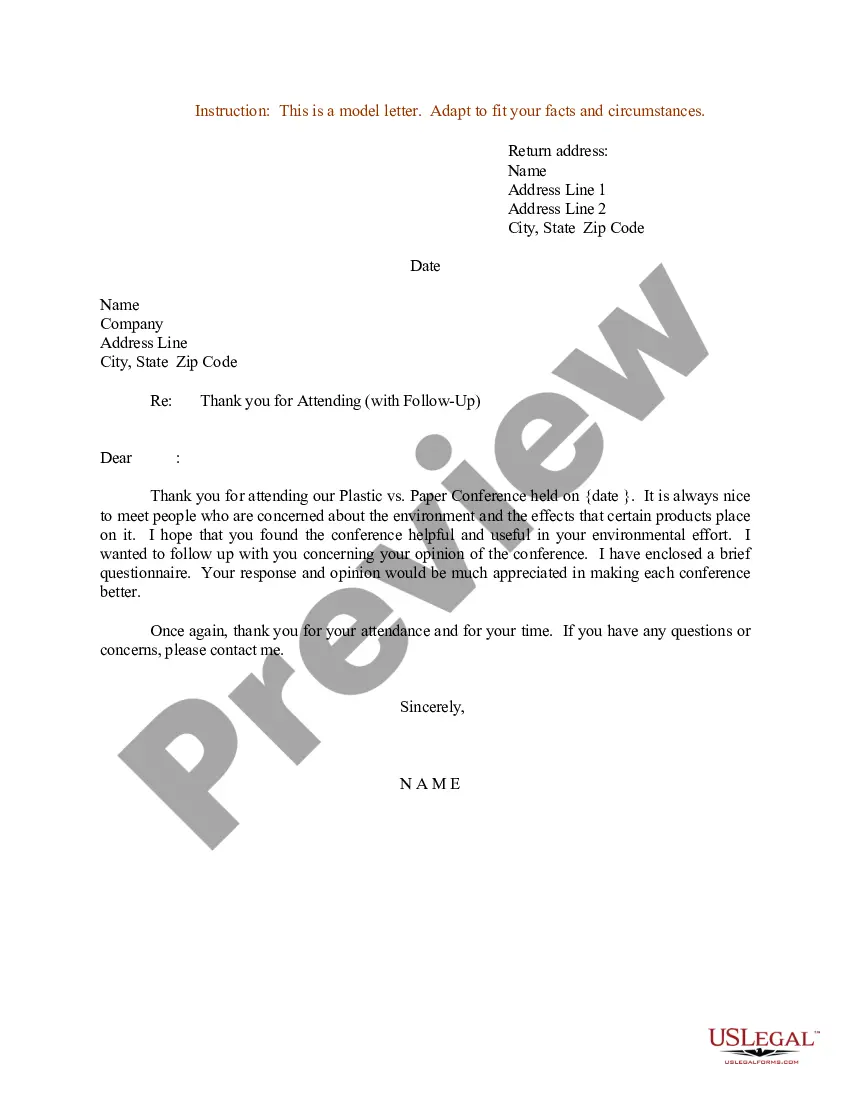
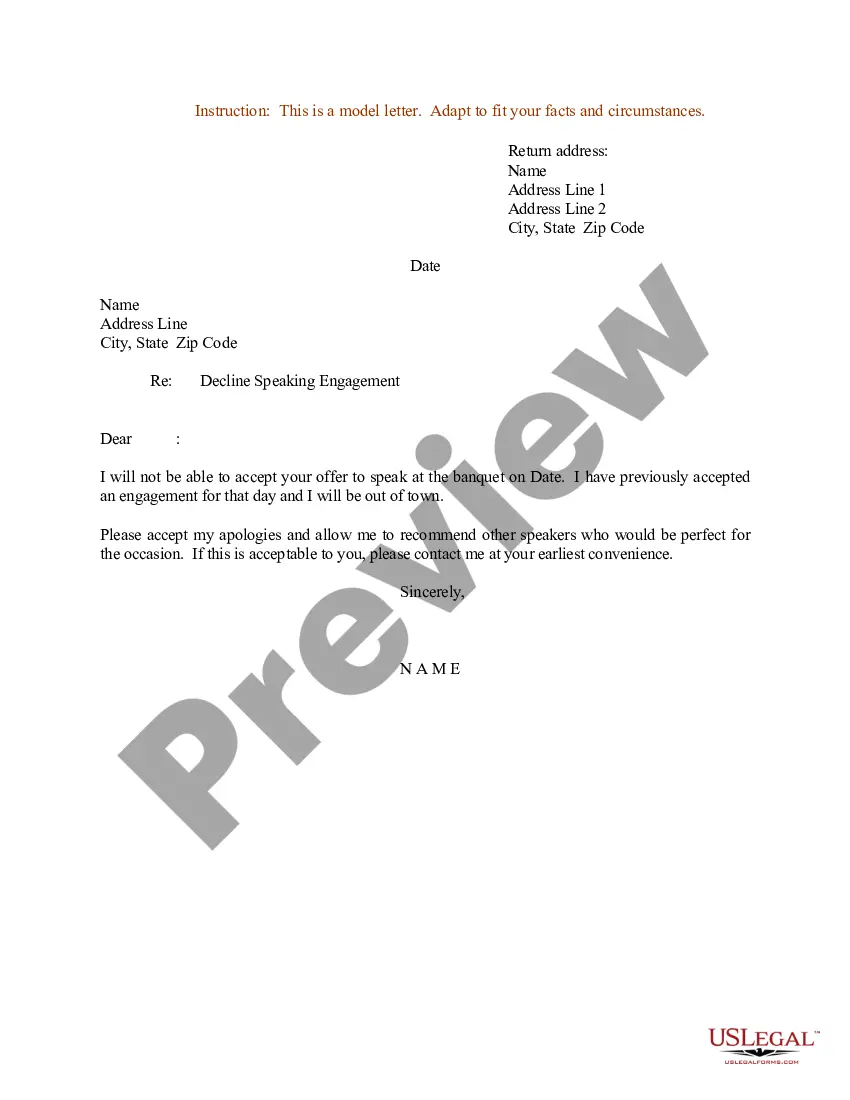
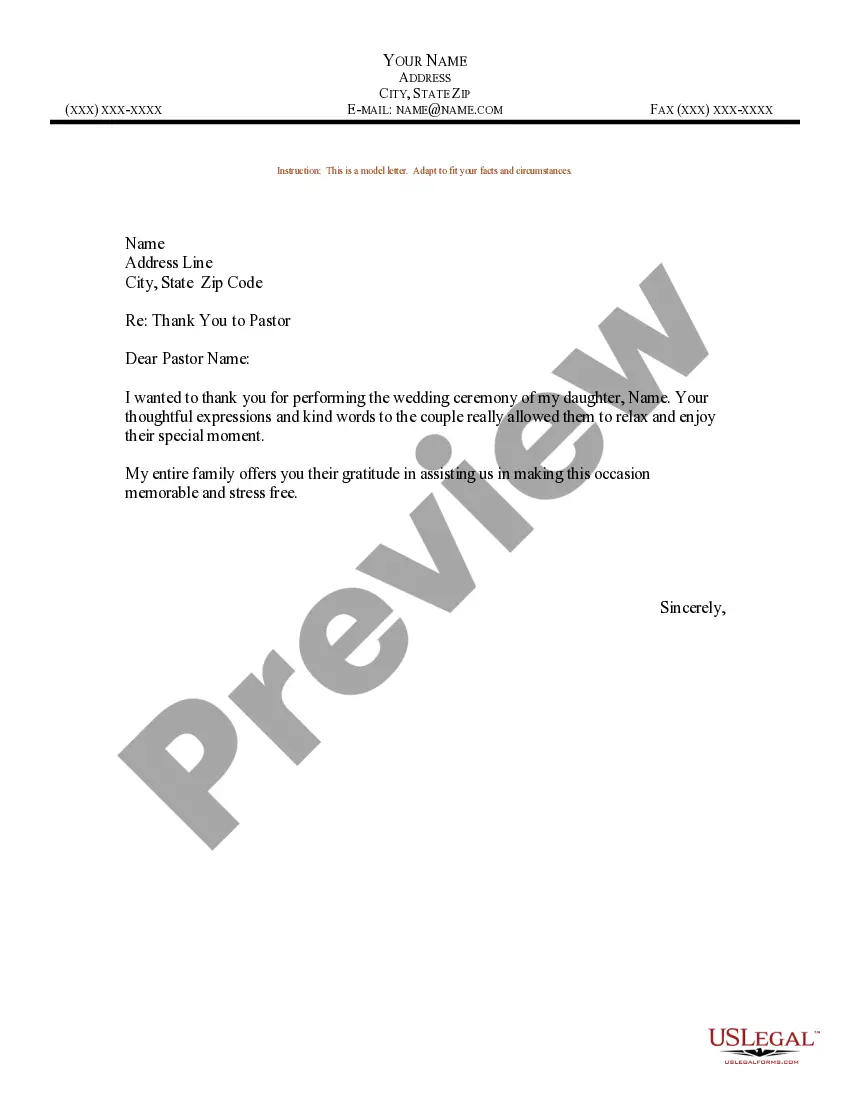
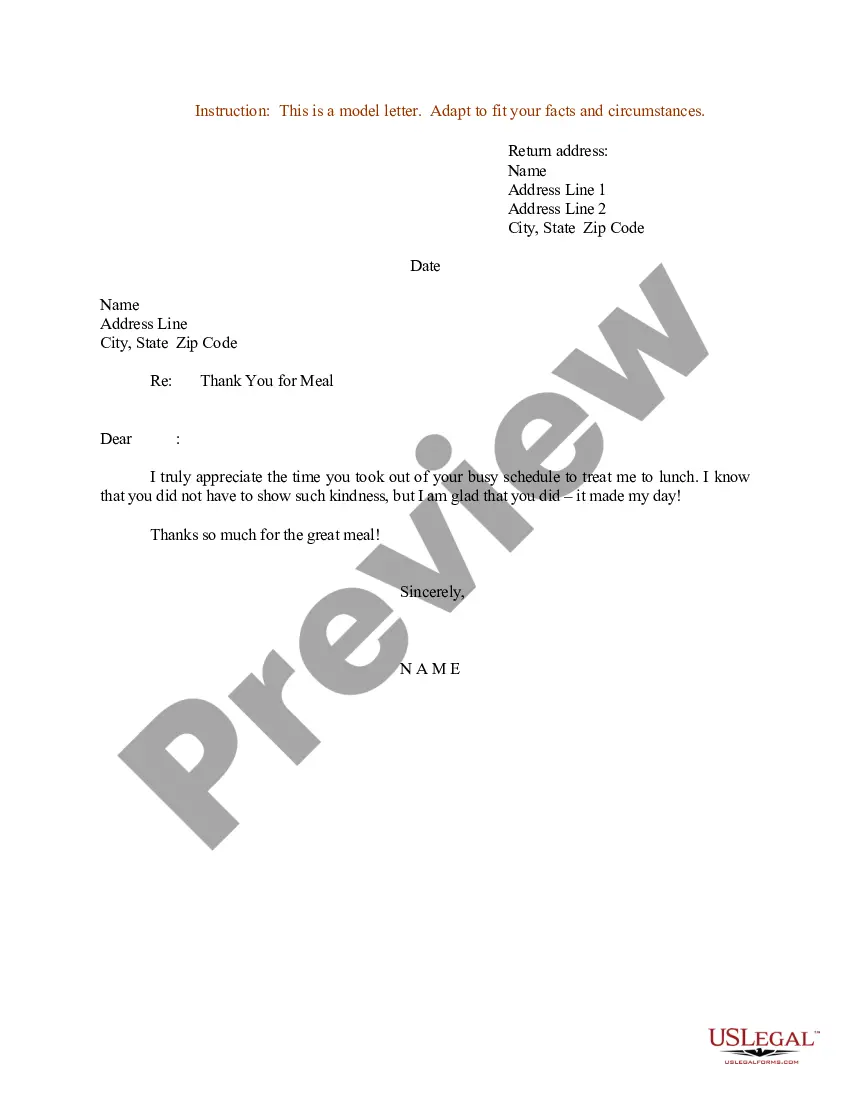
First include your name, address, phone number, and the date. This information should be located at the top of the page, either in the center, or indented on the right side of the paper. You then include the name and address of the person to whom you are sending the letter.
Your letter should be professionally formatted with your name, address, phone number, and email address in the top left. On the next line down, add the date, followed by the name and address of the recipient. As with any document, you begin writing the cover letter with 'Dear Name' on the left of the page.
The recipient's address Place the recipient's name on the first line. On the second line, you can write the building number and street name. You may include the city, state and ZIP code on the final line.
How to write a personal assistant cover letter Read the job posting. Research the company. Include your contact information. Write a salutation and a concise introduction. Discuss your most relevant experience. Demonstrate your research. Write a memorable conclusion. Sign the letter and proofread it.
When addressing a letter to multiple recipients, be sure to clearly indicate who is receiving a copy by using 'cc' for carbon copy. List each recipient on a separate line in the header with their name, title, and address. This allows all parties to readily see who else is included.
Formal letters always begin with the sender and recipient's addresses, contact information, the date and a salutation. Knowing how to address a formal letter is important for professional or official communications. Documents that typically include a formal letter address include: Job applications and cover letters.
If both names fit on one line, you can separate the names with "and." If the names are too long to fit on one line, write them on two separate lines and exclude the word "and." The order of the names being addressed is up to individual preference, but it is common practice to use the man's name first, or to list the ...

