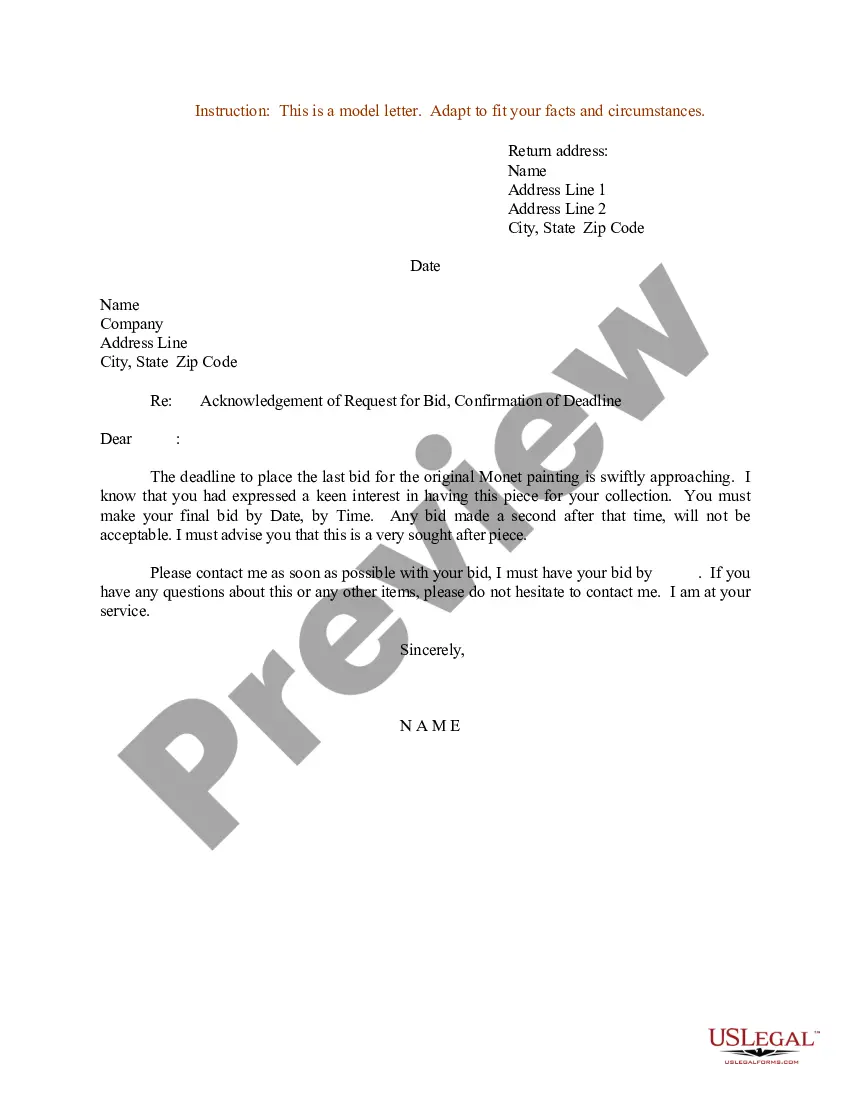
Engagement Letter For Tax Audit In Palm Beach
Description
Get your form ready online
Our built-in tools help you complete, sign, share, and store your documents in one place.
Make edits, fill in missing information, and update formatting in US Legal Forms—just like you would in MS Word.
Download a copy, print it, send it by email, or mail it via USPS—whatever works best for your next step.
Sign and collect signatures with our SignNow integration. Send to multiple recipients, set reminders, and more. Go Premium to unlock E-Sign.
If this form requires notarization, complete it online through a secure video call—no need to meet a notary in person or wait for an appointment.
We protect your documents and personal data by following strict security and privacy standards.

Make edits, fill in missing information, and update formatting in US Legal Forms—just like you would in MS Word.

Download a copy, print it, send it by email, or mail it via USPS—whatever works best for your next step.

Sign and collect signatures with our SignNow integration. Send to multiple recipients, set reminders, and more. Go Premium to unlock E-Sign.

If this form requires notarization, complete it online through a secure video call—no need to meet a notary in person or wait for an appointment.

We protect your documents and personal data by following strict security and privacy standards.
Looking for another form?


Form popularity
FAQ
Selection for an audit does not always suggest there's a problem. The IRS uses several different selection methods: Random selection and computer screening - sometimes returns are selected based solely on a statistical formula. We compare your tax return against "norms" for similar returns.
Taxpayers who must get a tax audit Declares income below prescribed limits and income exceeds ₹2.5 lakhs. Income exceeds ₹2.5 lakhs in the subsequent 5 years after opting out during the lock-in period of 5 consecutive years. Gross receipts exceed ₹50 lakhs in a year.
Key Takeaways. The IRS uses a combination of automated and human processes to select which tax returns to audit. Not reporting all of your income is an easy-to-avoid red flag that can lead to an audit. Taking excessive business tax deductions and mixing business and personal expenses can lead to an audit.
Taxpayers who must get a tax audit Declares income below prescribed limits and income exceeds ₹2.5 lakhs. Income exceeds ₹2.5 lakhs in the subsequent 5 years after opting out during the lock-in period of 5 consecutive years. Gross receipts exceed ₹50 lakhs in a year.
1. We are pleased to accept the instruction to act as auditor for your company and are writing to confirm the terms of our appointment. 2. The purpose of this letter, together with the attached terms and conditions, is to set out our terms for carrying out the work and to clarify our respective responsibilities.
Preparation Process The audit engagement letter is typically prepared by the auditor conducting the audit. It serves as a crucial document outlining the terms and responsibilities involved in the audit process.
The content of an engagement letter often includes important details such as the scope of services to be provided, fees or billing arrangements, confidentiality clauses, dispute resolution mechanisms, and any other relevant terms agreed upon by both parties.
What is the process of uploading and filing the tax audit report? Step 1: Log in to the income tax e-filing account. Step 2: Adds appointed CA to your income tax account. Step 3: Upload P&L and Balance Sheet. Step 4: The CA approves the P&L and Balance Sheet. Step 5: The CA will upload the tax audit report.
We are pleased to accept the instruction to act as your bookkeeper/accountant and we are writing to confirm the terms of our appointment. The purpose of this letter is to set out our terms for carrying out the work and to clarify our respective responsibilities.
Engagement letters set the terms of the agreement between two parties and include details such as the scope, fees, and responsibilities, among others. Some of the benefits of engagement letters are that they are legally binding documents, they reduce misunderstandings, and they set clear expectations.